
Detailed incident report and educational analysis of CVE-2022-41082 (ProxyNotShell) exploitation attempt on Microsoft Exchange Server, including detection methods, IoCs, and mitigation steps.

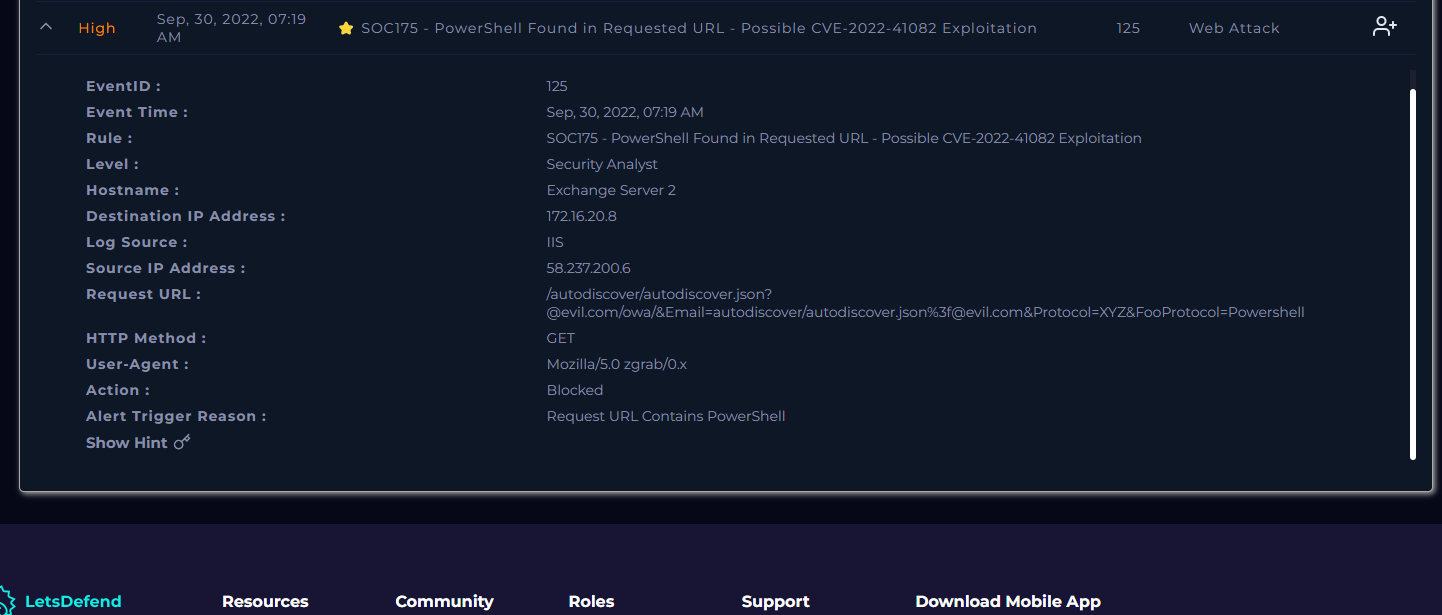
| Key Attribute | Value |
|---|---|
| Event ID | 125 |
| Event Time | Sep 30, 2022, 07:19 AM |
| Rule | SOC175 - PowerShell Found in Requested URL |
| Level | Security Analyst |
| Hostname | Exchange Server 2 |
| Destination IP Address | 172.16.20.8 |
| Log Source | IIS |
| Source IP Address | 58.237.200.6 |
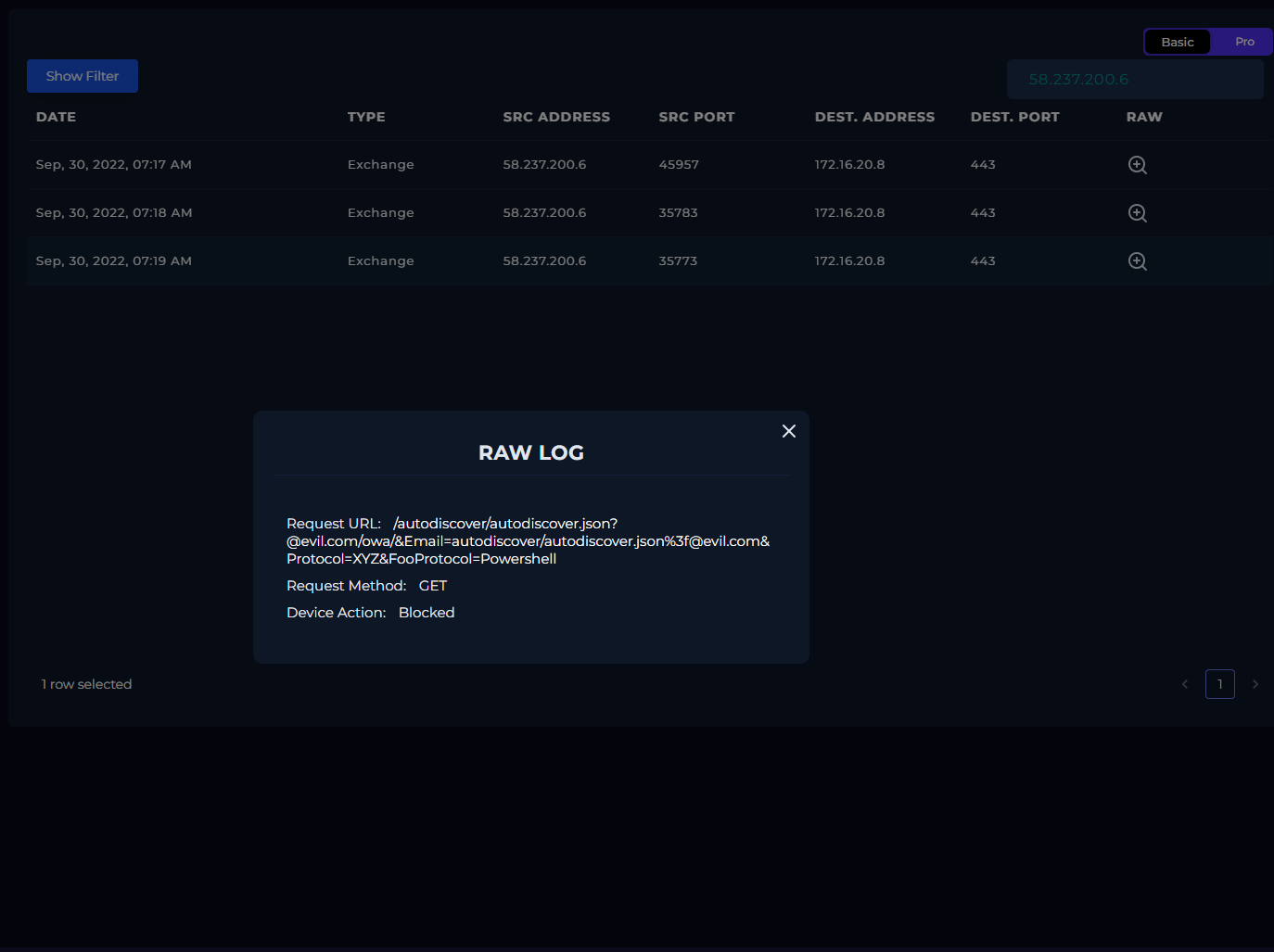
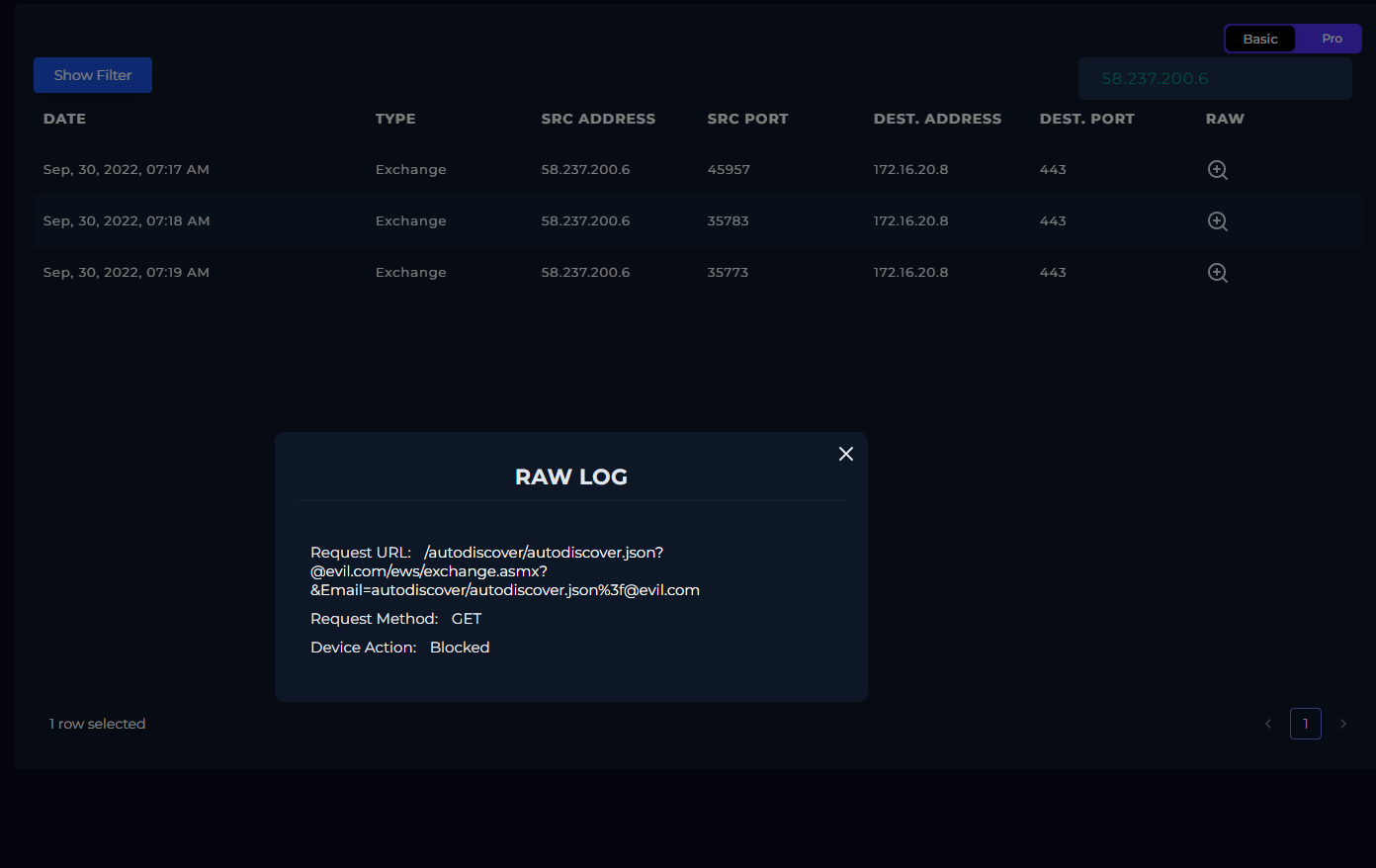
| Request URL | /autodiscover/[email protected]/owa/&Email=autodiscover/autodiscover.json%[email protected]&Protocol=XYZ&FooProtocol=Powershell |
| HTTP Method | GET |
| User-Agent | Mozilla/5.0 zgrab/0.x |
| Action | Blocked |
| Alert Trigger Reason | Request URL Contains PowerShell |
CVE-2022-41082 is a critical Remote Code Execution (RCE) vulnerability affecting Microsoft Exchange Server. It was discovered in September 2022 and is often exploited in conjunction with CVE-2022-41040, forming part of the ProxyNotShell exploit chain.
The CVE-2022-41082 vulnerability is triggered when an attacker can access the PowerShell endpoint on an exposed Exchange Server.
Attackers can escalate privileges and execute arbitrary commands on the server through PowerShell remoting.
This vulnerability is typically exploited via a crafted URL that bypasses authentication checks when combined with CVE-2022-41040 (an SSRF vulnerability).
'C:\Program Files\Microsoft\Exchange Server\V15\FrontEnd\HttpProxy\owa\auth\'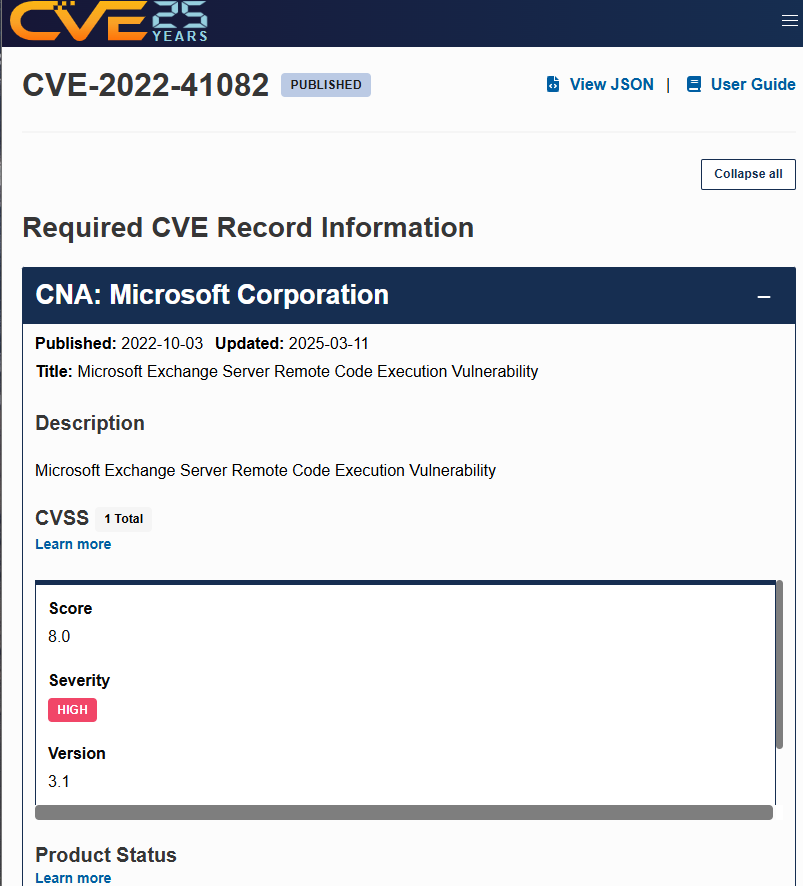
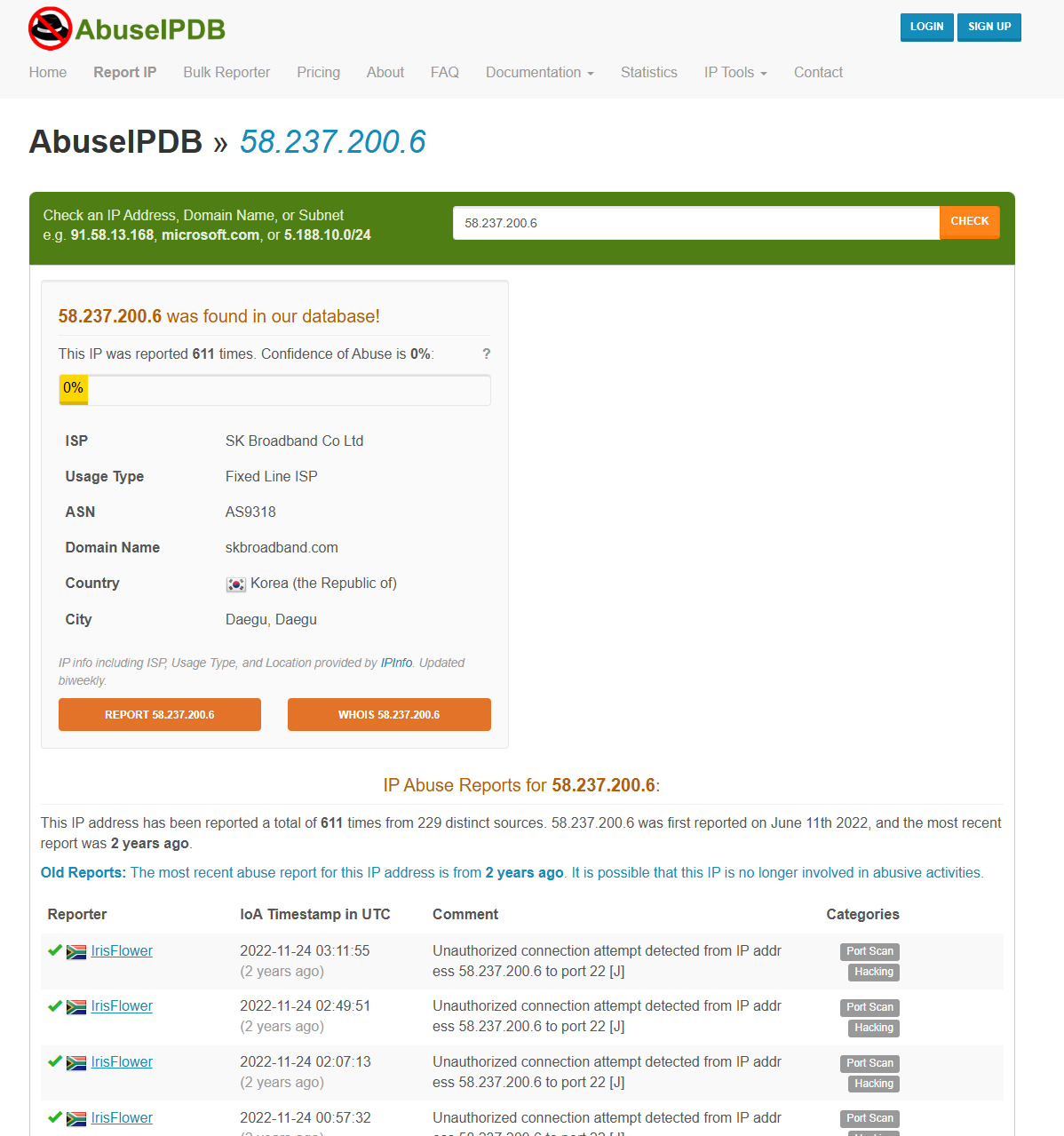
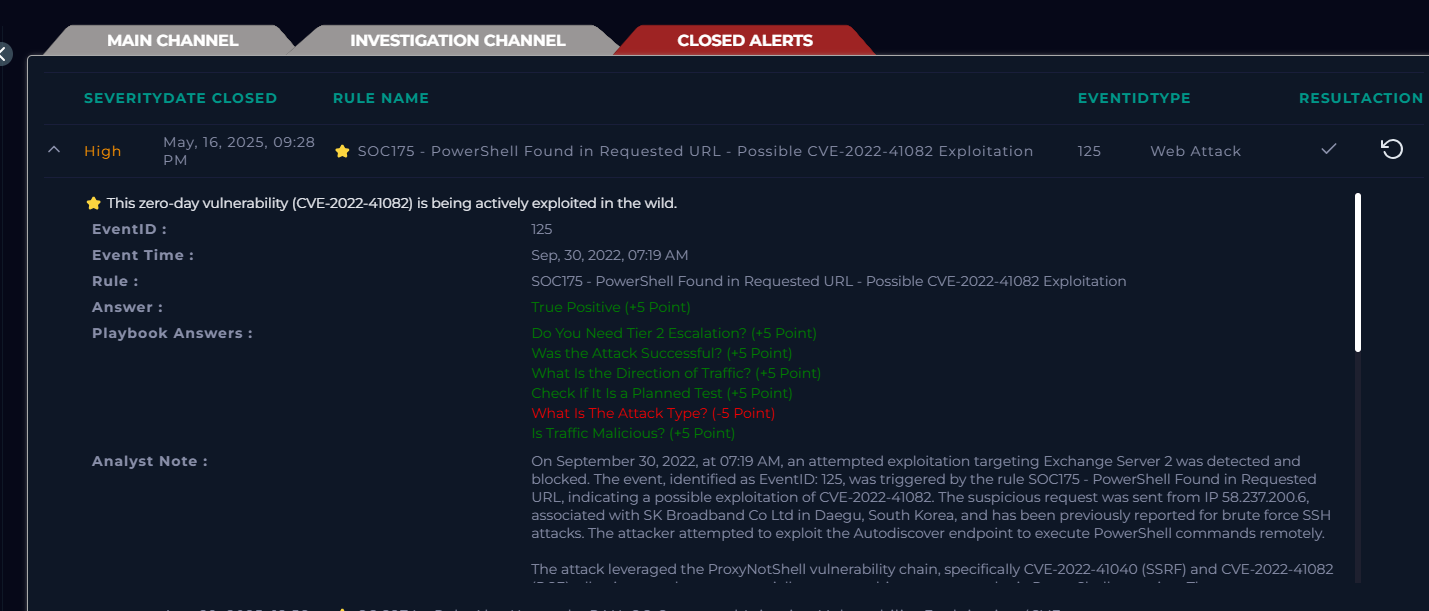
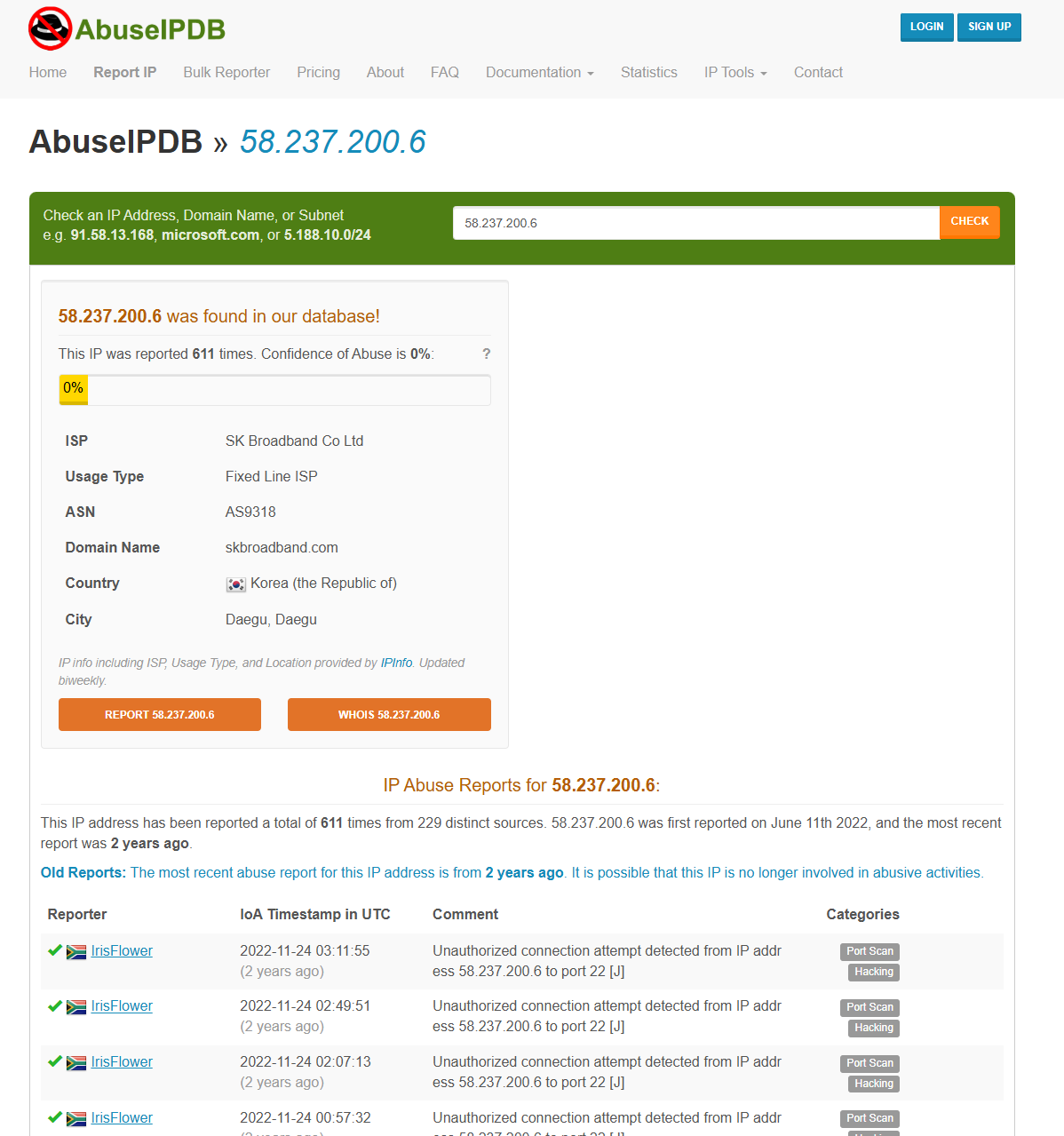
On September 30, 2022, at 07:19 AM, an attempted exploitation targeting Exchange Server 2 was detected and blocked. The event, identified as EventID: 125, was triggered by the rule SOC175 - PowerShell Found in Requested URL, indicating a possible exploitation of CVE-2022-41082. The suspicious request was sent from IP 58.237.200.6, associated with SK Broadband Co Ltd in Daegu, South Korea, and has been previously reported for brute force SSH attacks. The attacker attempted to exploit the Autodiscover endpoint to execute PowerShell commands remotely.
The attack leveraged the ProxyNotShell vulnerability chain, specifically CVE-2022-41040 (SSRF) and CVE-2022-41082 (RCE), allowing attackers to potentially execute arbitrary commands via PowerShell remoting. The request was identified as malicious due to the presence of PowerShell URIs in the URL and the use of the zgrab user-agent, indicative of automated scanning or exploitation attempts. The attack was successfully blocked, preventing potential remote code execution and system compromise.
To mitigate this threat, it is essential to ensure that all Exchange Servers are patched and that URL rewrite rules are applied to block known malicious patterns. Additionally, implementing enhanced log monitoring and IP blocking for the identified threat actor will help prevent future attempts. Restricting external access to Autodiscover endpoints and disabling Remote PowerShell for non-administrative accounts are recommended. Ongoing vigilance and monitoring are crucial to identifying and mitigating similar threats in the future.