 #1
Security papers, research projects, technical references, and reproducible material for defensive or authorized analysis.
Kitploit recommended
 oscerd/cve-2026-59230
Proof-of-concept reproducers for Apache Camel camel-mail MimeMultipart header injection (CVE-2026-59230), demonstrating SSRF via CamelHttpUri…
 microsoft/security-101
8 Lessons, Kick-start Your Cybersecurity Learning.
 ericpardee/fire-hd-ownership
Owning a tablet Amazon kept shutting down — CVE-2022-38181 write-up, four AI models, and a blog
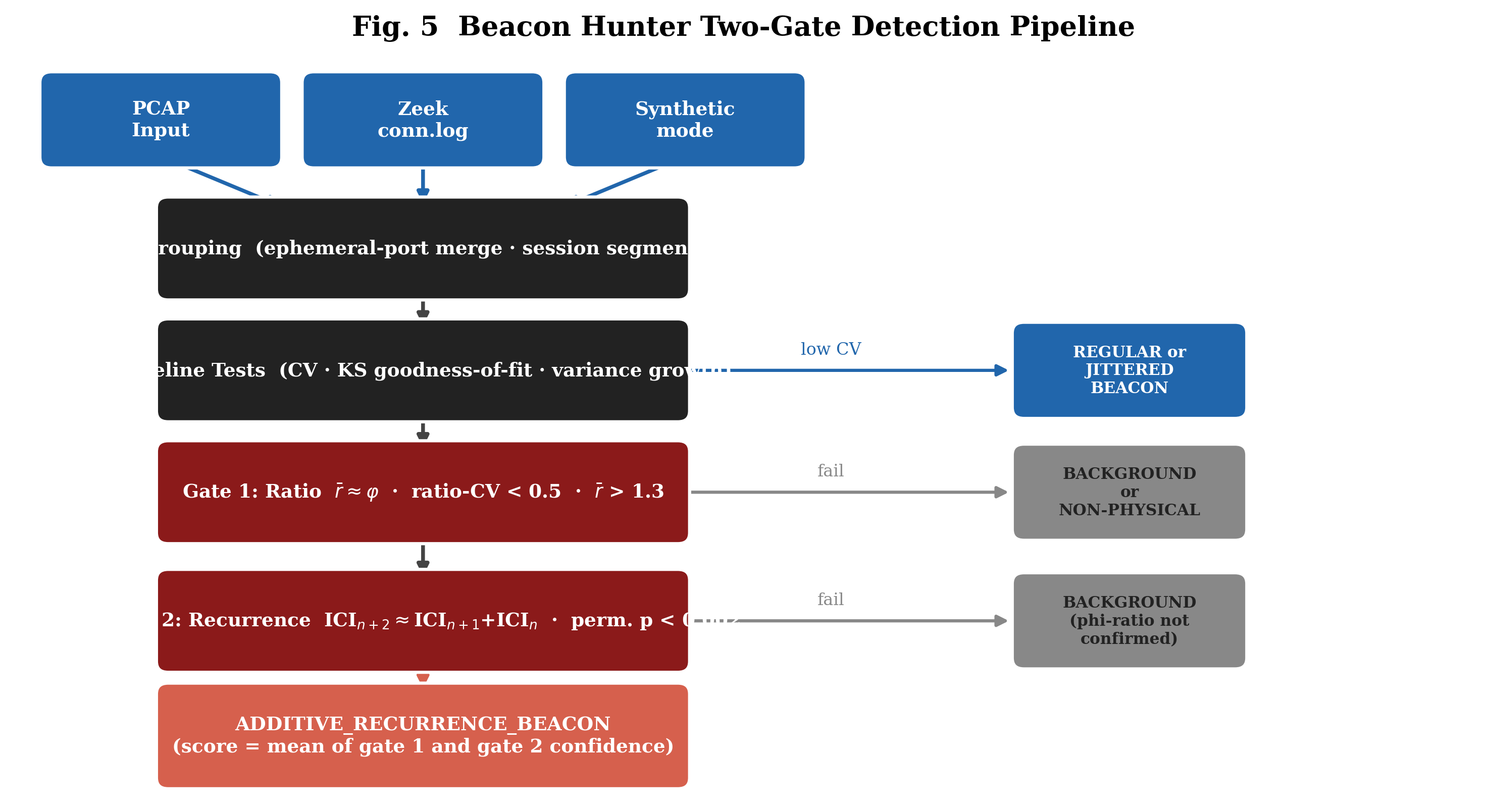 mrcord77/beacon-hunter
Detects phi-structured C2 beacons that evade RITA and standard regularity-based detectors
 xingchenrs/cybermeowfians
The next stage of CyberMeowfil (CVE-2026-43499 and 43074),Possibly biased toward vivo devices?
 aliasrobotics/cai
Cybersecurity AI (CAI), the framework for AI Security
 haomin-yu/cve-2024-13176-timing-analysis
Instrumented analysis and reproducibility materials for ECDSA timing leakage in OpenSSL CVE-2024-13176
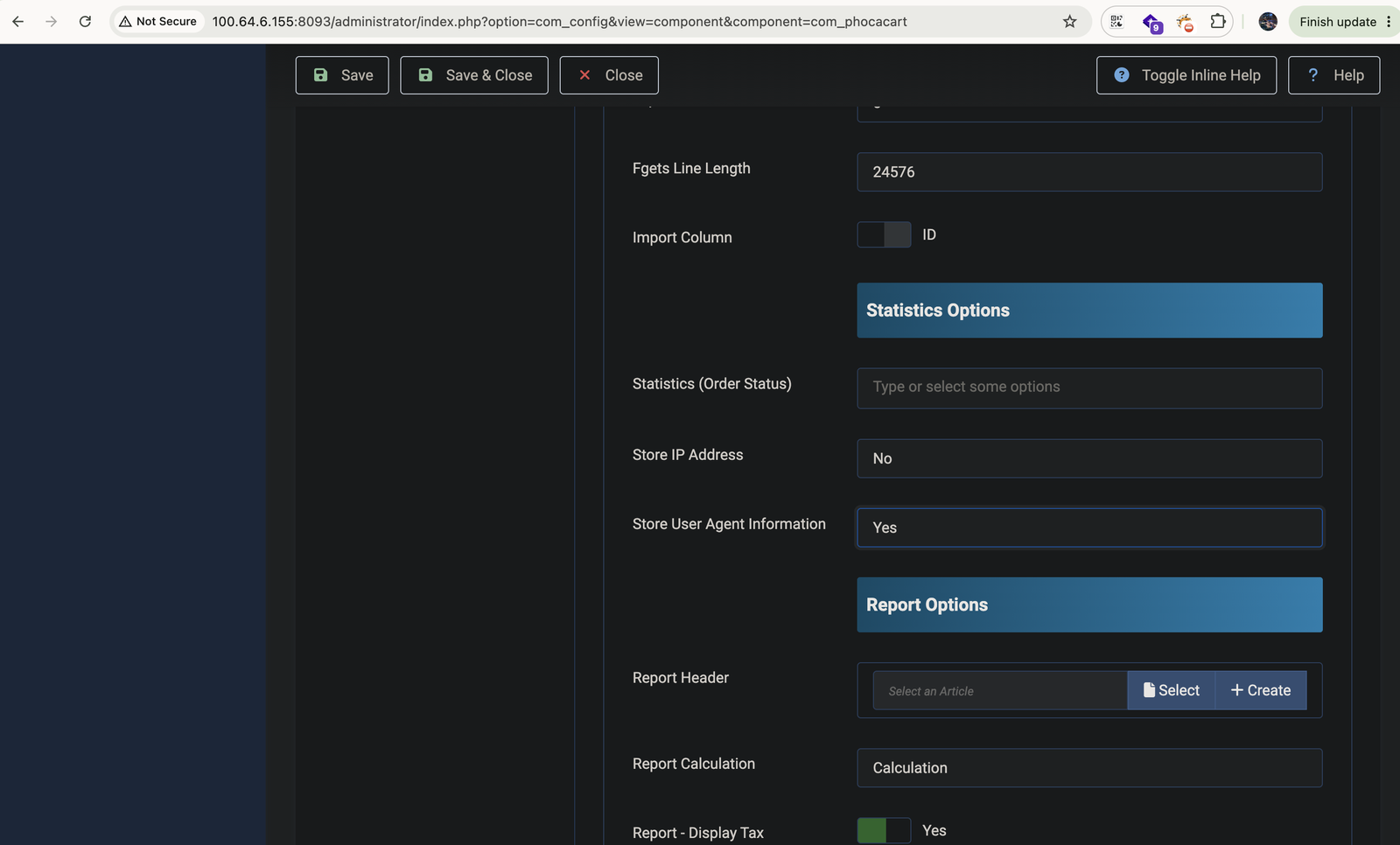 toanln-cov/cve-2026-76564
Stored XSS via User-Agent in Admin Order View in PhocaCart
 toanln-cov/cve-2026-76565
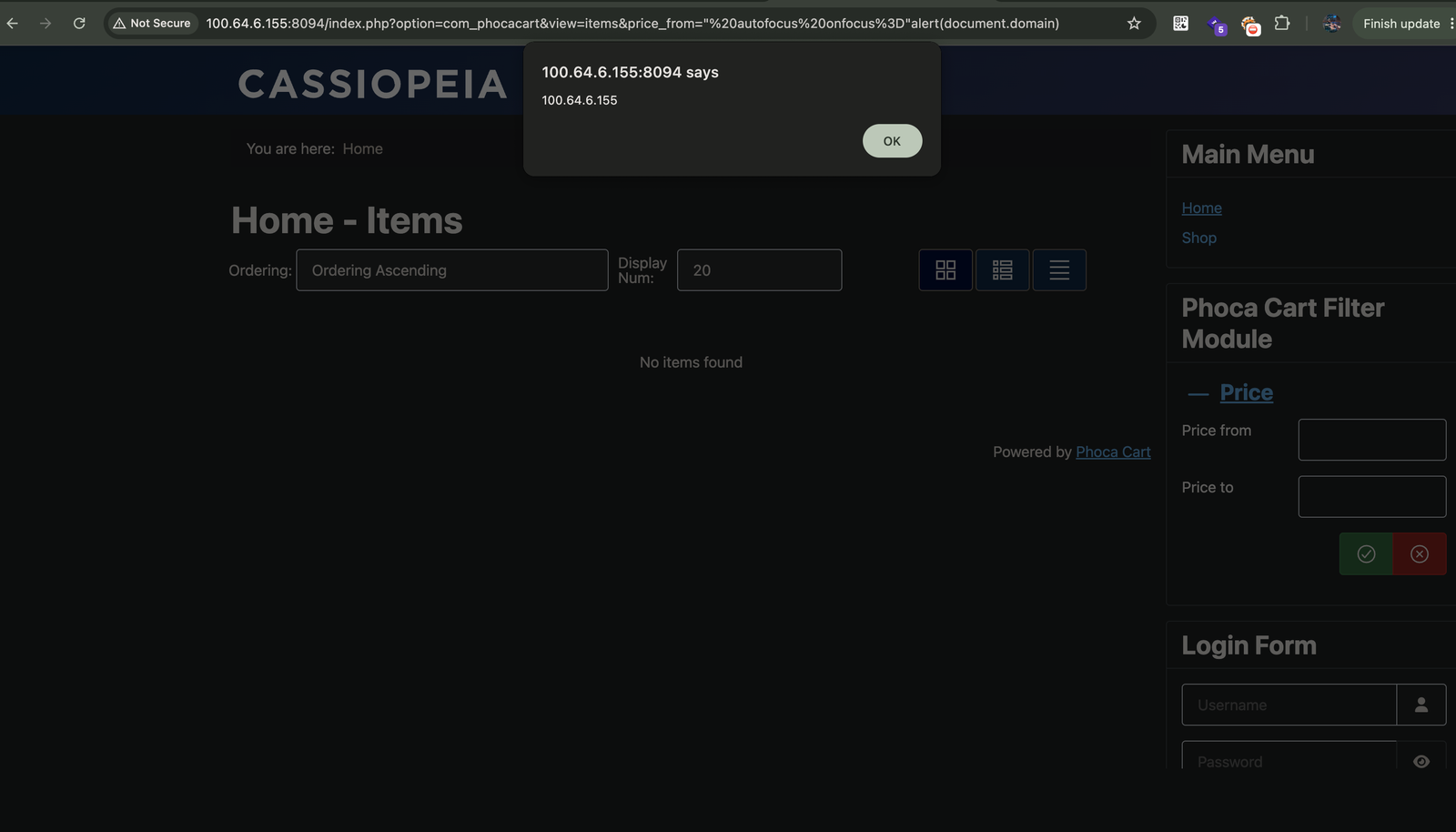
Reflected XSS via price_from & price_to Filter Parameters in PhocaCart
 jazho76/house_of_apple_2
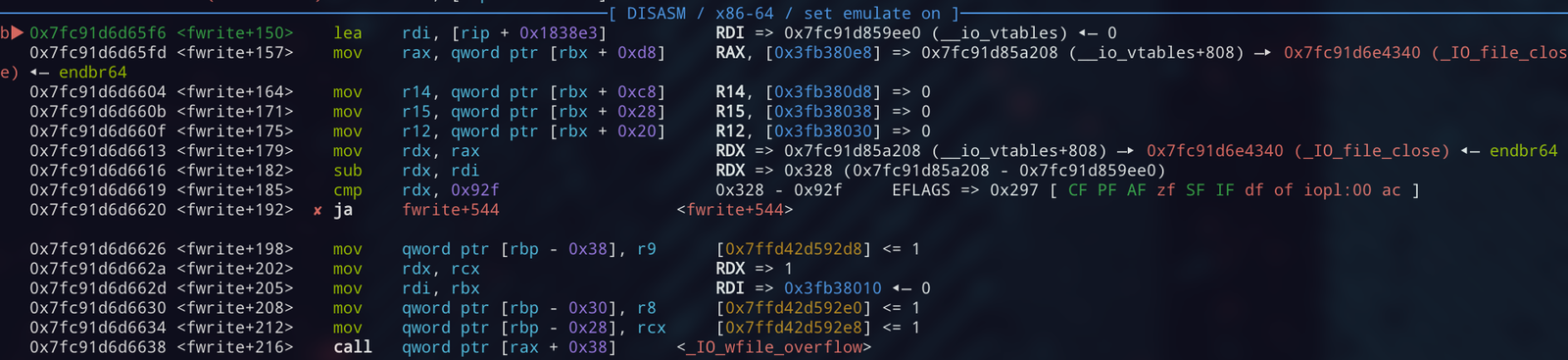
Interactive GDB walkthrough of the House of Apple 2 FSOP technique on glibc 2.43, with a reproducible sandbox covering vtable bypass, stack pivoting,…
 ait-aecid/rootkit-detection-ebpf-time-trace
Detection of rootkit file hiding activities through analysis of shifts in kernel function execution times.
 0xroi/cve-2026-77113
Technical write-up for CVE-2026-77113, a path traversal in Apport's apport-unpack where crafted report keys escape the extraction directory and write…
 tmylla/awesome-llm4cybersecurity
Curated systematic literature review of 756+ papers on LLM applications in cybersecurity, covering threat intelligence, vulnerability detection,…
 l1m3syc/cve-2024-4947-poc
Educational proof-of-concept for CVE-2024-4947, a V8 Maglev type confusion, demonstrating a full chain from trigger to arbitrary code execution on a…
 mthamil107/db_audit_research
Self-Defeating Audits: reproducible lab showing a low-privilege PostgreSQL role reversibly blinding a trigger-based auditor + poisoning attribution…
 h3n1s3/react2shell-research
Analyze and reproduce CVE-2025-55182, providing technical insights and proof-of-concept for security researchers.
 vivianuba/grandstream-cve-2026-2329-analysis
Defensive vulnerability-research project comparing vulnerable and patched Grandstream GXP1600 firmware for CVE-2026-2329, using SquashFS extraction,…
 xhyumiracle/sudp
Secret-Use Delegation Protocol — protocol-level secret use for agentic systems