 #1
Fuzz testing, mutation-based, generation-based, and coverage-guided fuzzing tools.
Kitploit recommended

 alt3kx/cve-2026-23918
CVE-2026-23918 Apache mod_http2 Double-Free Detector
 abrarkhan/external_sonivox_cve-2024-23709
Proof-of-concept for CVE-2024-23709, an out-of-bounds write vulnerability in Android's Sonivox audio synthesis library, demonstrating exploitation on…
 maherazzouzi/cve-2022-36163
Proof-of-concept exploit for CVE-2022-36163, a format string vulnerability in pdftoroff hovacui 1.1.0 PDF reader, demonstrating local…
 halcy0nic/cves-for-picoc-3.2.2
Reproduction files for CVE-2022-44312 through CVE-2022-44321
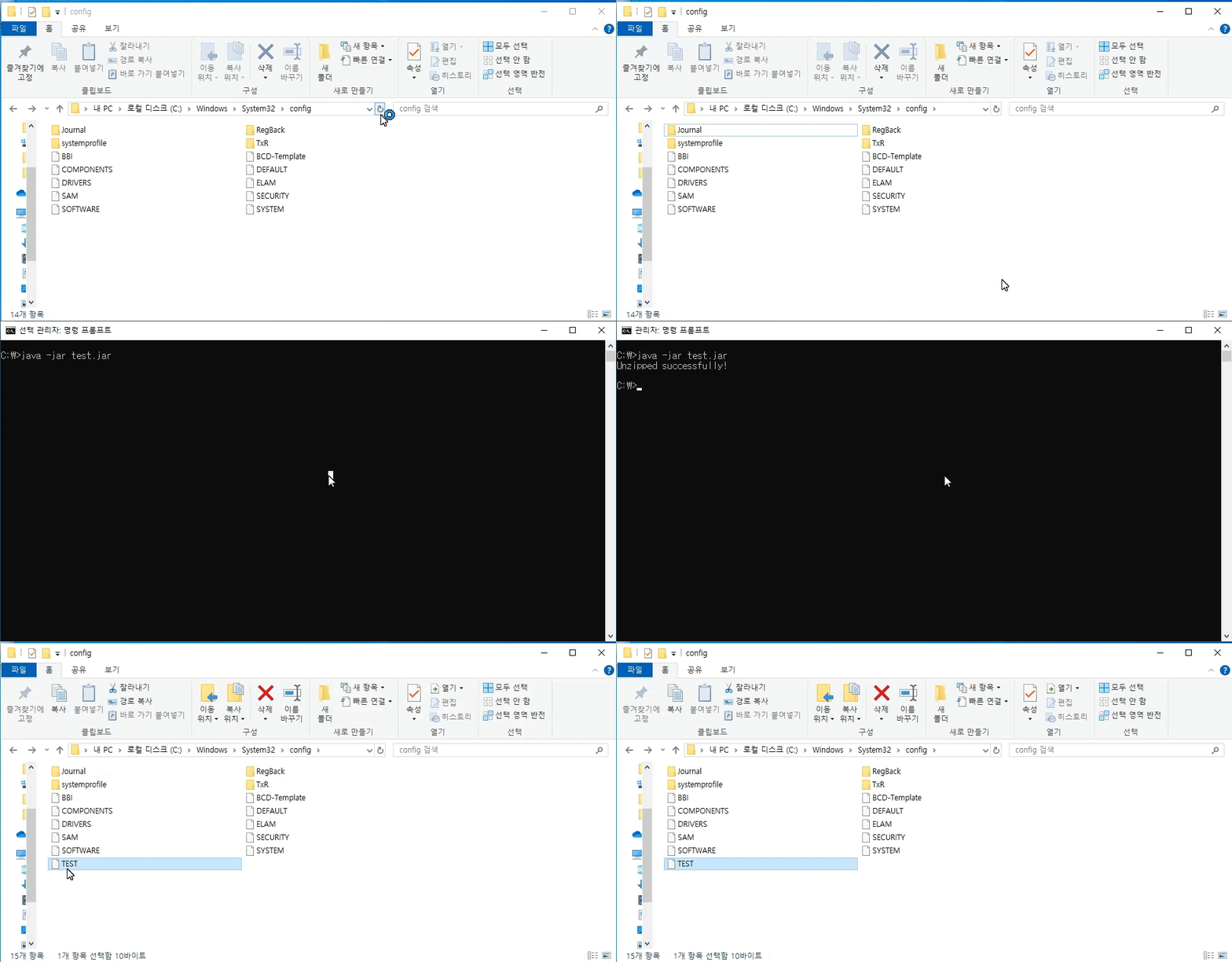 skrkcb2/cve-2025-0851
Proof-of-concept exploit for CVE-2025-0851, a file traversal vulnerability in Deep Java Library's tar/zip model extraction utility, enabling…
 spiritualmachines/buds-audit
No-dongle, no-root Bluetooth security assessment tool for wireless earbuds affected by the Airoha SDK vulnerability chain (CVE-2025-20700/20701/20702)
 dumbbutt0/evilmp4
Explore CVE-2022-41741 with the Evil MP4 repository. It offers educational PoCs,and documentation on securing nginx against MP4 file vulnerabilities.…
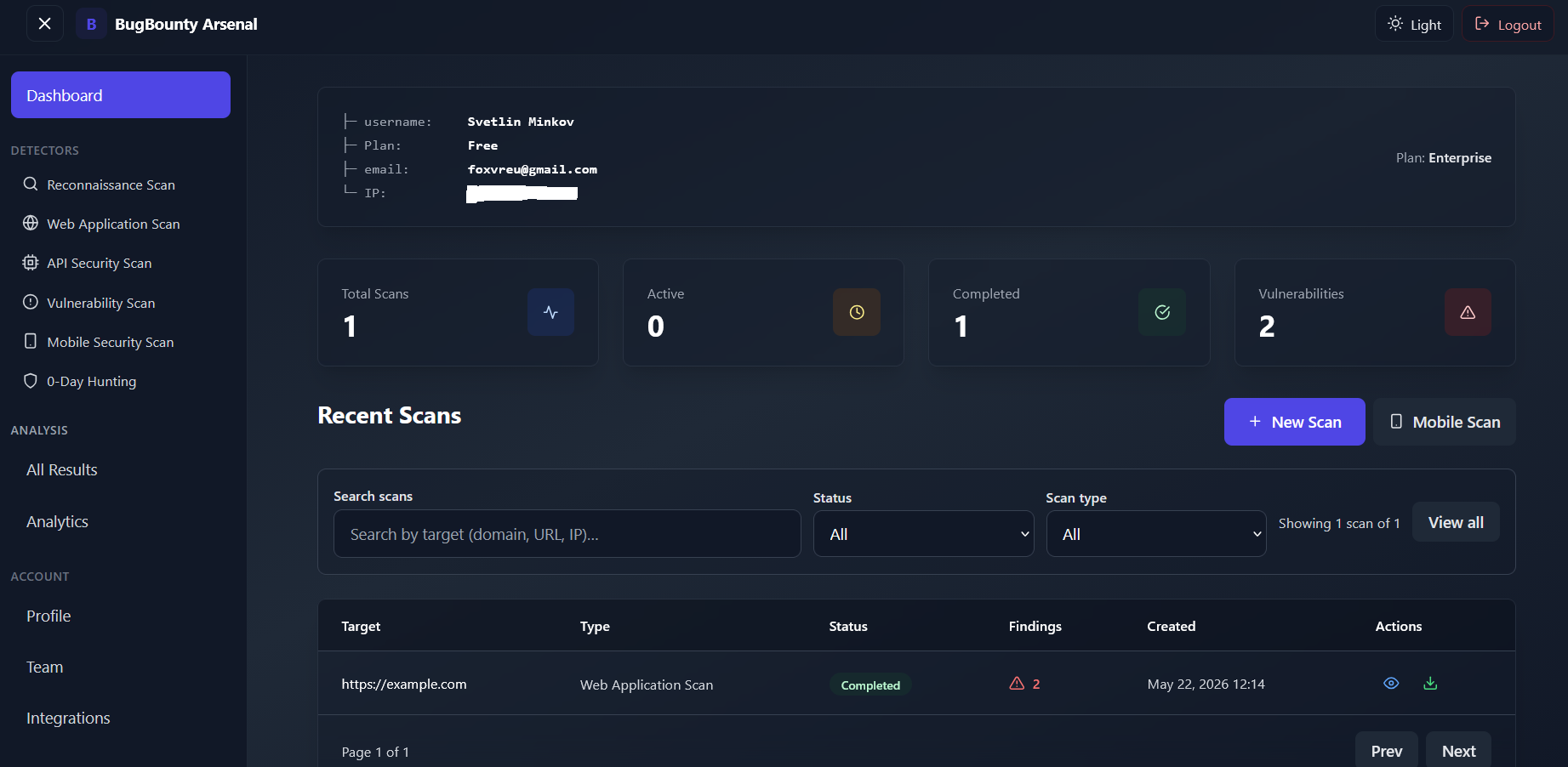 foxvr-sudo/bugbounty-arsenal-resources
Checklists and templates for bug bounty programs. MIT licensed.
 supermagnum/gr-qradiolink
GNU Radio out-of-tree (OOT) module for QRadioLink blocks.
 puppetm4ster/koyane-framework
Modular wordlist generation, editing, analysis, and discovery toolkit for password cracking, fuzzing, and ethical security testing. Supports…
 crackercat/cve-2023-4863-
Triggering the famous libweb 0day vuln with libfuzzer
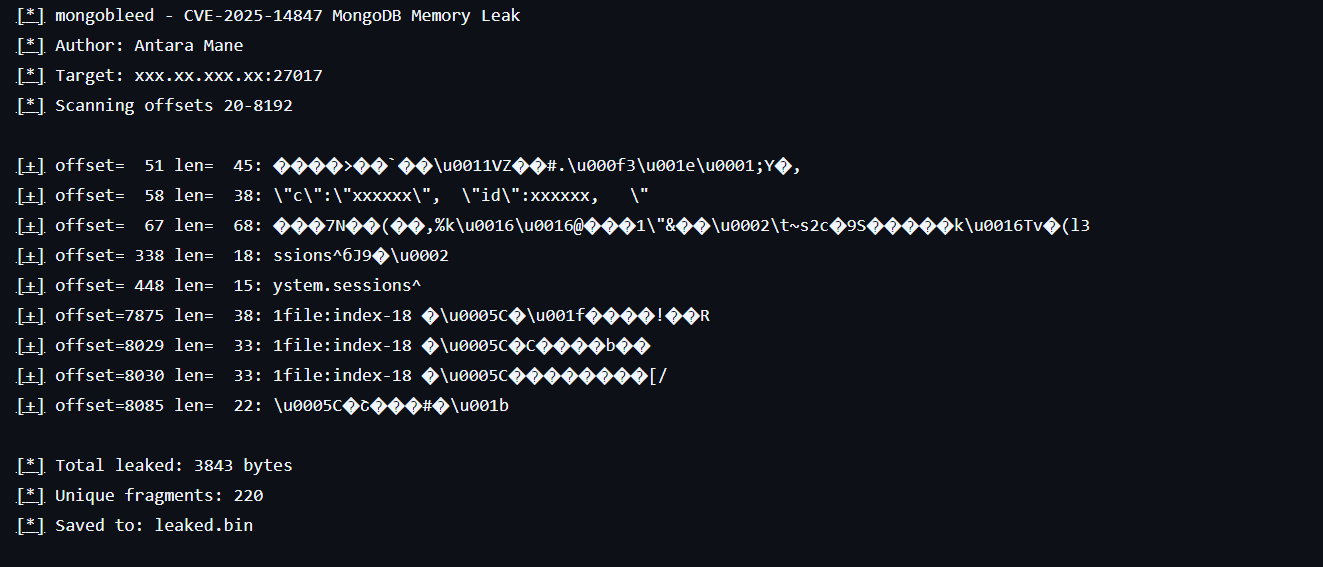 infosecantara/cve-2025-14847-mongodb
Educational research tool demonstrating CVE-2025-14847 memory disclosure in MongoDB's BSON decompression. Simulates bounds-checking failures and…
 kiralab/text4shell-scan
A fully automated, accurate, and extensive scanner for finding text4shell RCE CVE-2022-42889
 abubakar-shahid/cve-2024-36886
Academic research on N-Day Linux kernel vulnerabilities, analyzing CVE-2024-36886 in the TIPC networking subsystem, lifecycle, impact, and mitigation…
 themalwareguardian/cve-2003-0264
Classic stack-based buffer overflow in SLMail 5.1 showing how early mail servers could be compromised through oversized SMTP and POP3 commands.
 zpol/cve-2026-23398-poc
Reproducible lab for CVE-2026-23398, a Linux kernel NULL dereference in icmp_tag_validation() triggered by ICMP Fragmentation Needed packets, causing…
 halcy0nic/cve-2022-43343
Proof of concept for (CVE-2022-43343)
 themalwareguardian/cve-2025-5548
Buffer overflow in FreeFloat FTP Server 1.0 illustrating how a single unsafe handler can generate multiple CVE entries across different commands.