#1
Tools for implementing, analyzing, breaking, and implementing cryptographic systems and algorithms.
Kitploit recommended
 fin3ss3g0d/cve-2024-5764
Python script to decrypt data encrypted by the Java PasswordCipher class, exploiting CVE-2024-5764's static encryption key in Sonatype Nexus…
 mrcord77/rust_citadel
Post-quantum hybrid encryption library combining X25519 + ML-KEM-768 with AES-256-GCM
 0xblackash/cve-2026-45585
CVE-2026-45585
 dim0x69/cve-2022-25640-exploit
Exploitation of CVE-2020-256480 using scapy
 m1kb0k/cve-2022-25012-dvr4-weak-password-encryption
Decrypts weak encrypted passwords from Argus Surveillance DVR systems via CVE-2022-25012, reconstructing plaintext credentials from DVRParams.ini…
 ayham-megdadi/zero-day-legacy
A vulnerable Boot-to-Root CTF lab machine simulating a hospital environment. Features a realistic 17-step attack chain including SQL Injection, XSS,…
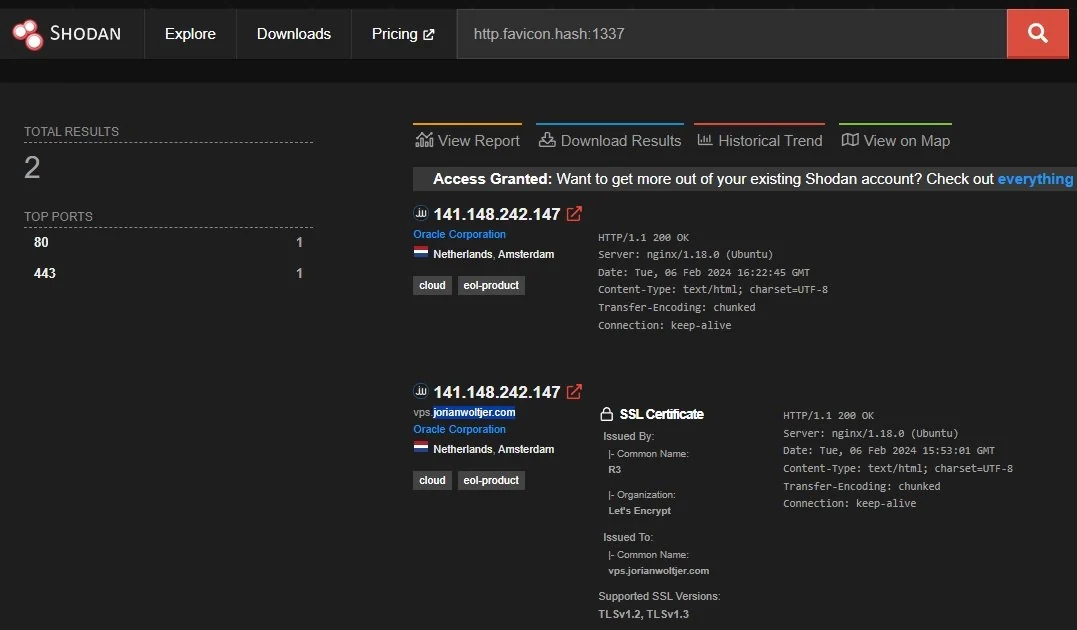 jorianwoltjer/shodan-favicon-preimage
Generate a favicon that results in any target hash on Shodan
 trustedsec/lazzzy_dump
Statically extracts and decrypts AES-CBC/XOR-obfuscated shellcode from laZzzy-wrapped PE binaries via signature matching and RIP-relative address…
 george0papasotiriou/cve-2026-22016-ipfs-cid-spoofing-via-multihash-length-extension
Python proof-of-concept demonstrating IPFS CID spoofing via multihash length extension, highlighting content-addressing verification flaws that can…
 murrez/cve-2026-97657
Python PoC for CVE-2026-97657: forges AES-CTR recovery tokens via XOR malleability to bypass authentication and take over WordPress accounts in…
 george0papasotiriou/cve-2026-23006-kyber-ciphertext-length-side-channel
Python PoC for CVE-2026-23006, demonstrating a Kyber ciphertext length side-channel that leaks secret key bits via statistical analysis of…
 george0papasotiriou/cve-2026-22020-weak-seed-in-quantum-key-distribution-error-correction
Python PoC demonstrating CVE-2026-22020: exploitable weak seed in quantum key distribution privacy amplification, reducing final key entropy.
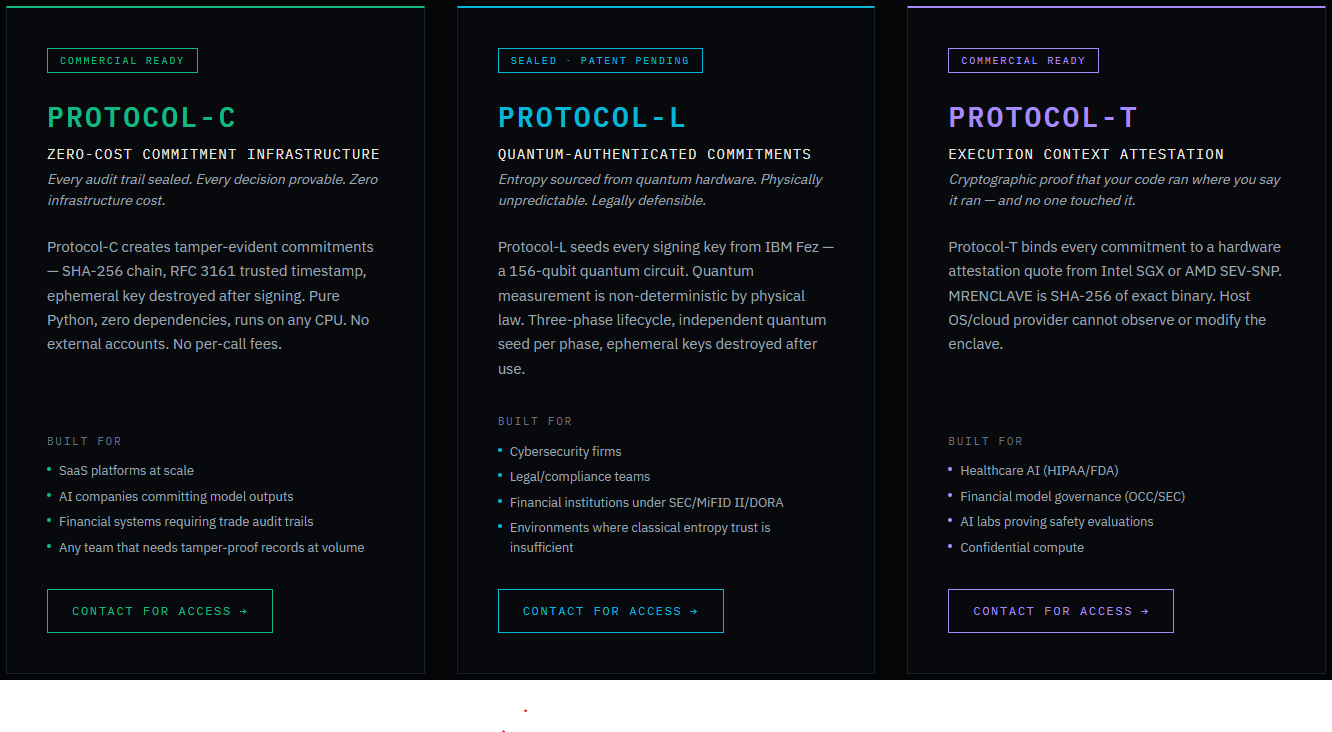 aetherai3/aether-protocol-p
Working implementation: cryptographically verified short-lived identities for AI decision authentication — CVE-2025-59536 (Patent Pending US…
 george0papasotiriou/cve-2026-21009-ecdsa-nonce-reuse-in-iot-firmware-signing
Educational Python simulation demonstrating ECDSA nonce reuse in IoT firmware signing, showing how an attacker can recover private keys from two…
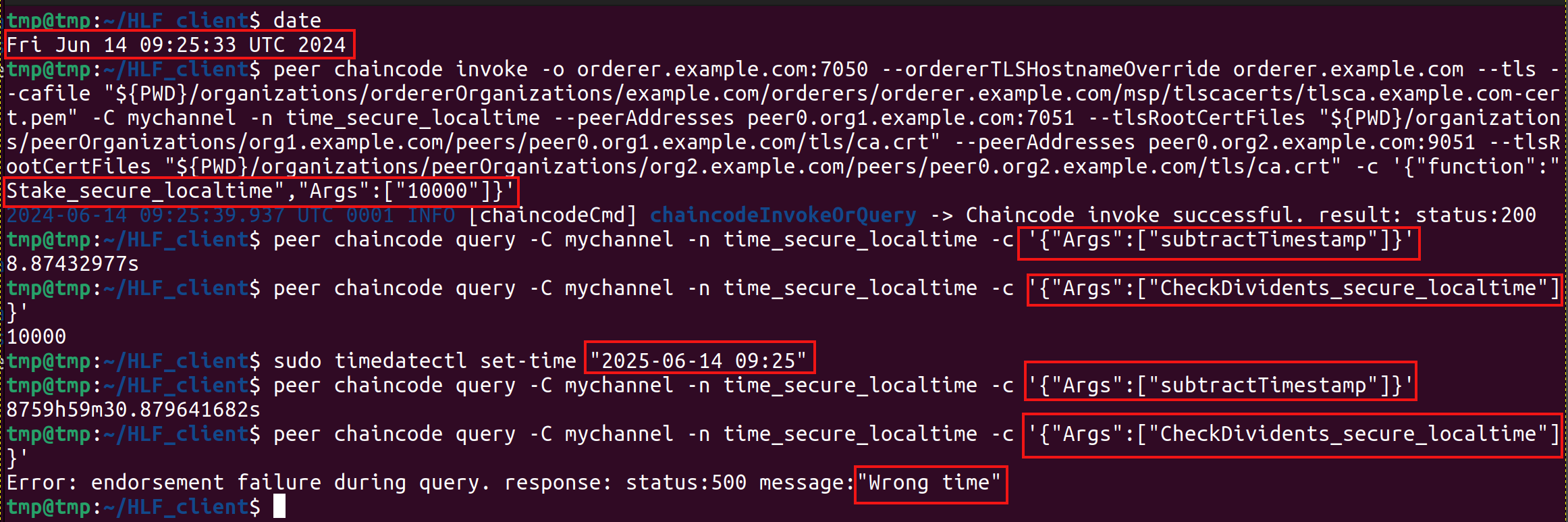 shanker-sec/hlf_txtime_spoofing
PoC covering the problem of transaction time manipulation (CVE-2024-45244) in the Hyperledger Fabric blockchain.
 synacktiv/lehack-2026-challenge
Sources of Synacktiv's challenge for leHack 2026
 alex-seymour/cve-2020-10560-key-recovery
Proof-of-concept exploit that recovers the site_key for OSSN 5.3 and above, exploiting CVE-2020-10560 arbitrary file read vulnerability.
 philippeabraxas-jpg/tbp-network
Theory and implemantation of the TBP protocol to secure networked AI in small to open web networks