
scilla v1.3.4
Tool zur Informationssammlung - DNS / Subdomains / Ports / Verzeichnis-Enumeration

🏴☠️ Information Gathering Tool 🏴☠️ - DNS / Subdomains / Ports / Directories Enumeration

Mit 💙 programmiert von edoardottt
Auf Twitter teilen!
Installation • Erste Schritte • Beispiele • Changelog • Mitwirken • Lizenz
Installation 📡
Homebrew
brew install scilla
Snap
sudo snap install scilla
Golang
go install -v github.com/edoardottt/scilla/cmd/scilla@latest
Aus dem Quellcode erstellen
Sie benötigen Go (>=1.23)
Aus dem Quellcode für Linux und Windows erstellen
Linux
git clone https://github.com/edoardottt/scilla.git
cd scilla
go get ./...
make linux # (to install)
make unlinux # (to uninstall)
Bearbeite die Datei ~/.config/scilla/keys.yaml, wenn du API-Schlüssel verwenden möchtest.
Einzeiler: git clone https://github.com/edoardottt/scilla.git && cd scilla && go get ./... && make linux
Windows
Beachte, dass die ausführbare Datei nur im cariddi-Ordner funktioniert (Alias?).
git clone https://github.com/edoardottt/scilla.git
cd scilla
.\make.bat windows # (to install)
.\make.bat unwindows # (to uninstall)
Erstellen Sie eine keys.yaml-Datei, wenn Sie API-Schlüssel verwenden möchten.
Verwendung von Docker
docker build -t scilla .
docker run scilla help
Beispiele 💡
-
DNS-Enumeration:
scilla dns -target example.comscilla dns -oj output -target example.comscilla dns -oh output -target example.comscilla dns -ot output -target example.comscilla dns -plain -target example.com
-
Subdomain-Enumeration:
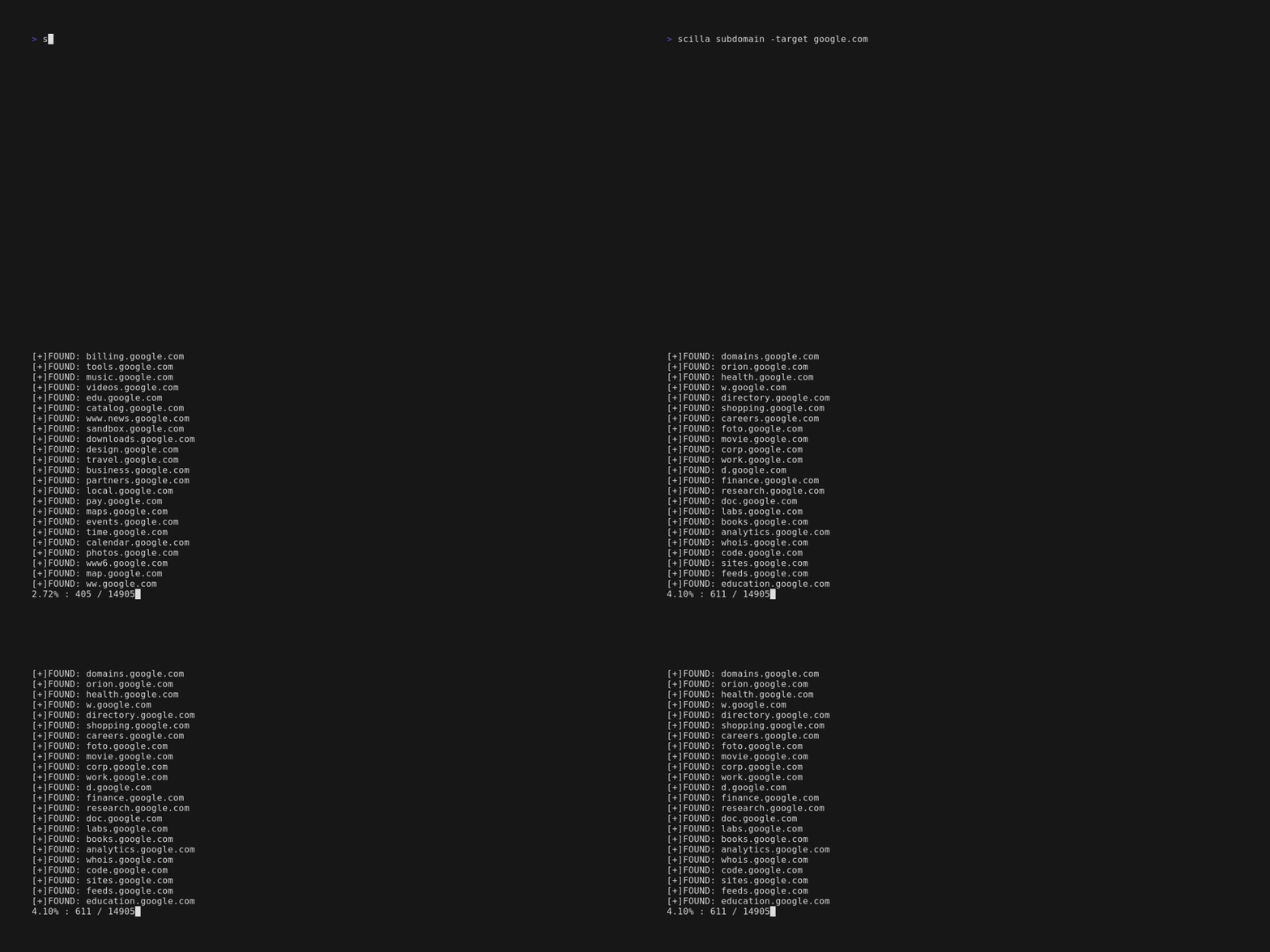
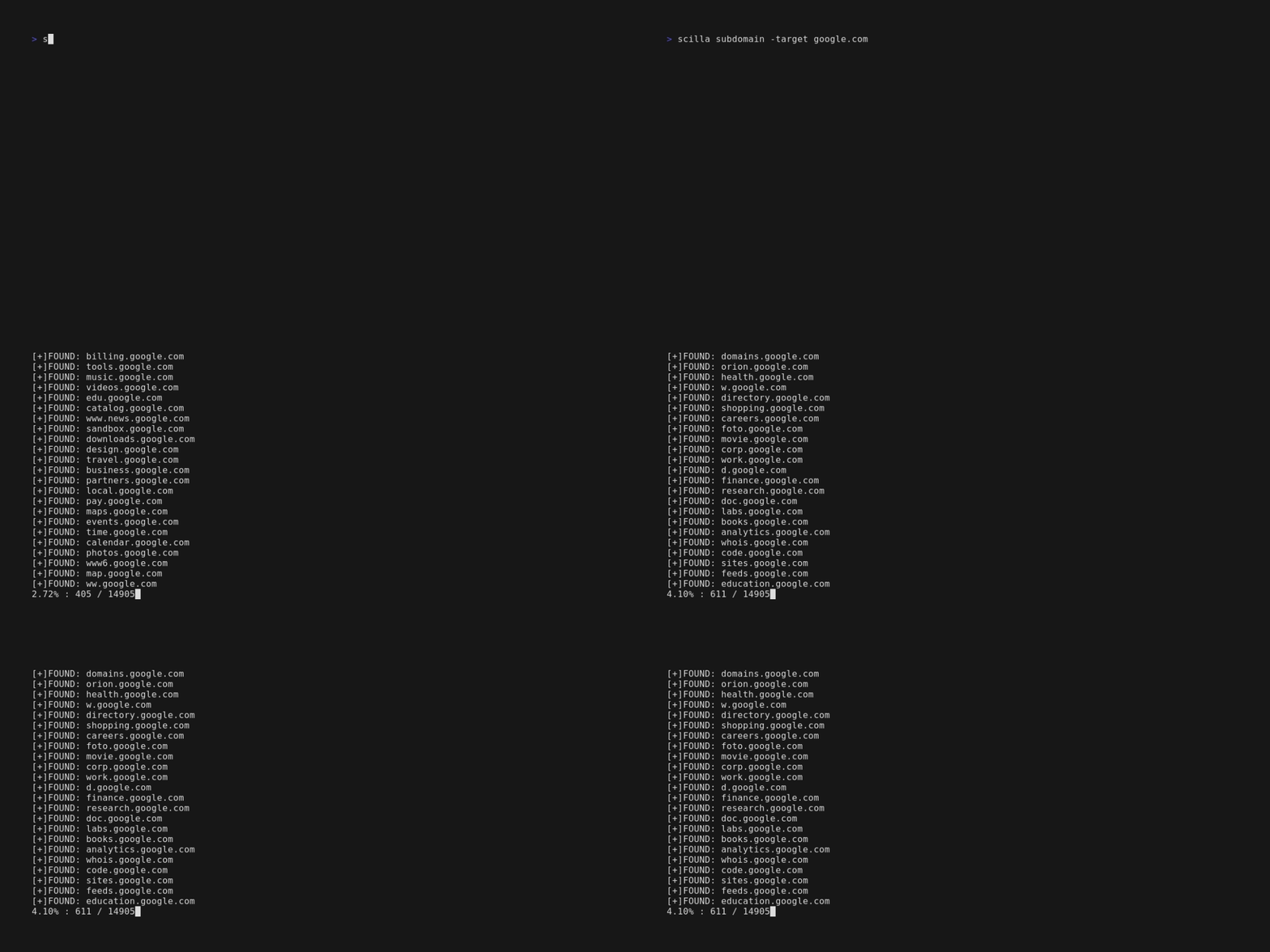
scilla subdomain -target example.comscilla subdomain -w wordlist.txt -target example.comscilla subdomain -oj output -target example.comscilla subdomain -oh output -target example.comscilla subdomain -ot output -target example.comscilla subdomain -i 400 -target example.comscilla subdomain -i 4** -target example.comscilla subdomain -c -target example.comscilla subdomain -db -target example.comscilla subdomain -plain -target example.comscilla subdomain -db -no-check -target example.comscilla subdomain -db -vt -target example.comscilla subdomain -db -bw -target example.comscilla subdomain -ua "CustomUA" -target example.comscilla subdomain -rua -target example.comscilla subdomain -dns 8.8.8.8 -target example.comscilla subdomain -alive -target example.com
-
Verzeichnis-Enumeration:
scilla dir -target example.comscilla dir -w wordlist.txt -target example.comscilla dir -oj output -target example.comscilla dir -oh output -target example.comscilla dir -ot output -target example.comscilla dir -i 500,401 -target example.comscilla dir -i 5**,401 -target example.comscilla dir -c -target example.comscilla dir -plain -target example.comscilla dir -nr -target example.comscilla dir -ua "CustomUA" -target example.comscilla dir -rua -target example.com
-
Port-Enumeration:
- Standard (alle Ports, also 1-65635)
scilla port -target example.com - Angeben eines Portbereichs
scilla port -p 20-90 -target example.com - Angeben des Startports (bis zum letzten)
scilla port -p 20- -target example.com - Angeben des Endports (ab dem ersten)
scilla port -p -90 -target example.com - Angeben mehrerer Ports
scilla port -p 21,25,80 -target example.com - Angeben gängiger Ports
scilla port -common -target example.com - Angeben eines einzelnen Ports
scilla port -p 80 -target example.com - Angeben des Ausgabeformats (json)
scilla port -oj output -target example.com - Angeben des Ausgabeformats (html)
scilla port -oh output -target example.com - Angeben des Ausgabeformats (txt)
scilla port -ot output -target example.com - Nur Ergebnisse ausgeben
scilla port -plain -target example.com
- Standard (alle Ports, also 1-65635)
-
Vollständiger Bericht:
- Standard (alle Ports, also 1-65635)
scilla report -target example.com - Angeben eines Portbereichs
scilla report -p 20-90 -target example.com - Angeben des Startports (bis zum letzten)
scilla report -p 20- -target example.com - Angeben des Endports (ab dem ersten)
scilla report -p -90 -target example.com - Angeben eines einzelnen Ports
scilla report -p 80 -target example.com - Angeben mehrerer Ports
scilla report -p 21,25,80 -target example.com - Angeben des Ausgabeformats (json)
scilla report -oj output -target example.com - Angeben des Ausgabeformats (html)
scilla report -oh output -target example.com - Angeben des Ausgabeformats (txt)
scilla report -ot output -target example.com - Angeben der Wortliste für Verzeichnisse
scilla report -wd dirs.txt -target example.com - Angeben der Wortliste für Subdomains
scilla report -ws subdomains.txt -target example.com - Angeben von Statuscodes, die beim Verzeichnis-Scan ignoriert werden sollen
scilla report -id 500,501,502 -target example.com - Angeben von Statuscodes, die beim Subdomain-Scan ignoriert werden sollen
scilla report -is 500,501,502 -target example.com - Angeben von Statuscode-Klassen, die beim Verzeichnis-Scan ignoriert werden sollen
scilla report -id 5**,4** -target example.com - Angeben von Statuscode-Klassen, die beim Subdomain-Scan ignoriert werden sollen
scilla report -is 5**,4** -target example.com - Zusätzlich einen Web-Crawler für die Verzeichnis-Enumeration verwenden
scilla report -cd -target example.com - Zusätzlich einen Web-Crawler für die Subdomain-Enumeration verwenden
scilla report -cs -target example.com - Zusätzlich eine öffentliche Datenbank für die Subdomain-Enumeration verwenden
scilla report -db -target example.com - Angeben gängiger Ports
scilla report -common -target example.com - Keine Weiterleitung von Redirects
scilla report -nr -target example.com - VirusTotal als Subdomain-Quelle verwenden
scilla report -db -vt -target example.com - Den User Agent festlegen
scilla report -ua "CustomUA" -target example.com - Für jede Anfrage einen zufälligen User Agent generieren
scilla report -rua -target example.com - DNS-IP zum Auflösen der Subdomains festlegen
scilla report -dns 8.8.8.8 -target example.com - Zusätzlich prüfen, ob die Subdomains erreichbar sind
scilla report -alive -target example.com
- Standard (alle Ports, also 1-65635)
Erste Schritte 🎉
scilla help gibt die Hilfe in der Kommandozeile aus.
usage: scilla subcommand { options }