
Skip to content
KitploitKITPLOIT
ИнструментыБлог
Отправить
ИнструментыБлог
Отправить

Инструменты для хакинга, пентеста и кибербезопасности — ваш арсенал защиты!

Kitploit — это каталог инструментов для хакинга, кибербезопасности и пентестинга. Находите последние обновления проектов для поиска уязвимостей, анализа систем, автоматизации тестирования и усиления вашей безопасности.

··Ленты·Контакты·Конфиденциальность·© 2026 Kitploit

Каталог инструментов

Категории

Все категории
Loading categories
cyberchef-recipes — A list of cyber-chef recipes and curated links | Kitploit
Инструменты/GitHubGitHub/mattnotmax/cyberchef-recipes
Disk ForensicsEncryption/Decryption ToolsNetwork ForensicsPhishingMalware AnalysisDigital ForensicsThreat IntelligenceLearning & EducationIncident ResponseCurated ResourcesLog Analysis
2.2k2802 лет назадПроверено Kitploit

Популярное

Смотреть все →

Откройте для себя самые используемые инструменты нашего сообщества.

Изучить все инструменты

Просмотрите нашу коллекцию инструментов

Смотреть все инструменты →
Поделиться
GitHub
mattnotmax/cyberchef-recipes

cyberchef-recipes

A list of cyber-chef recipes and curated links

Репозиторий

cyberchef_banner_1500

CyberChef — это самопровозглашённый «швейцарский армейский нож» для киберзадач, созданный GCHQ. Это фантастический инструмент для преобразования, извлечения и обработки данных прямо в вашем веб-браузере.

Все заслуги за создание инструмента принадлежат @GCHQ. См.: https://gchq.github.io/CyberChef/

Общие советы

  • Скачайте CyberChef и запускайте его полностью на стороне клиента. Ему не нужно подключение к интернету, за исключением некоторых операций. Так все ваши данные будут в безопасности.
  • Не пытайтесь втиснуть CyberChef в то, на что он не рассчитан. Он умеет многое, но это не полноценный язык программирования!

Полезные регулярные выражения

Владение регулярными выражениями — ключ к максимально эффективной обработке данных в CyberChef (да и в любой DFIR-работе). Ниже приведены некоторые регулярные выражения, к которым я постоянно возвращаюсь.

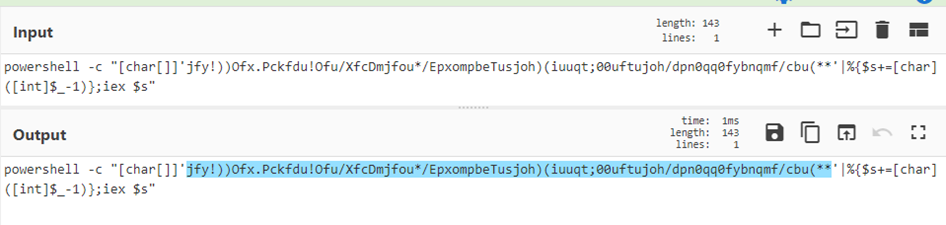
Извлечение закодированных данных

  • Извлечение Base64: [a-zA-Z0-9+/=]{30,}
    • Здесь «30» — произвольное число, которое можно подстроить под конкретный скрипт.
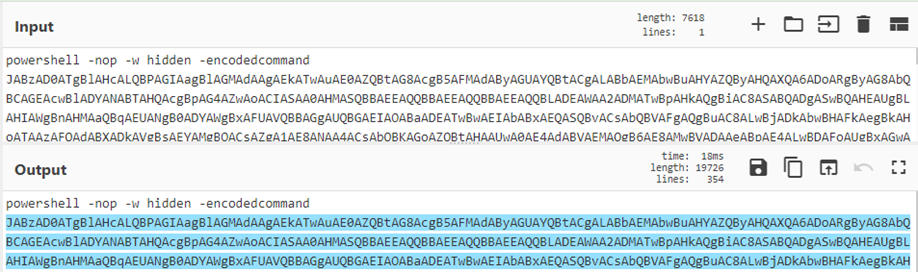
      base64
  • Извлечение шестнадцатеричных данных: [a-fA-F0-9]{10,}
    • Это значение также можно изменить на {32} (MD5), {40} (SHA1), {64}, SHA256 для извлечения различных хэшей hex
  • Извлечение символьных кодов: [\d]{2,3}(,|’)
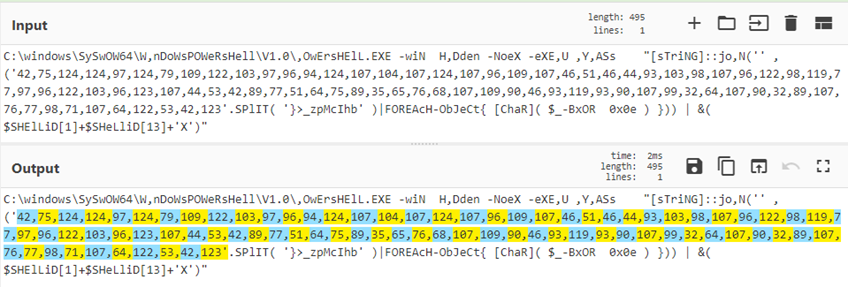
    • В этом примере извлекаются символьные коды в формате ('30, 40, 50, 60') charcode

Опережающие и ретроспективные проверки (Lookaheads & Lookbehinds)

  • Положительный Lookbehind: (?<=foo)(.*)
    • Извлекает всё после 'foo', не включая 'foo'
  • Положительный Lookahead: ^.*(?=bar)
    • Извлекает всё перед 'bar', не включая 'bar'
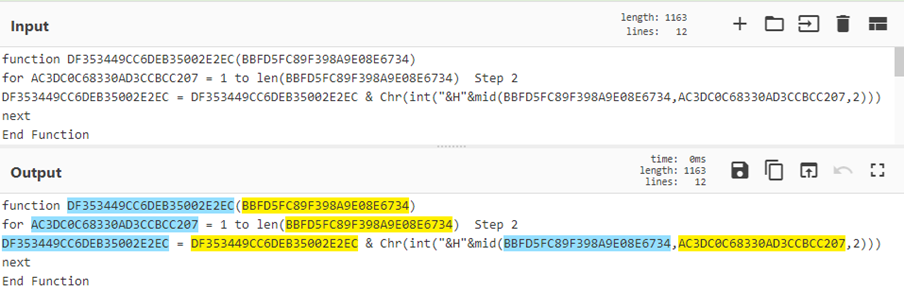
  • Комбинация Lookahead/Lookbehind: (?<=')(.*?)(?=')
    • Извлекает всё между ' и ' combo

Работа с API и CyberChef

CyberChef предоставляет операцию HTTP Request (см. Рецепт 22), которая позволяет выполнять HTTP-запросы к внешним ресурсам. Из-за политики Same Origin Policy (SOP) или отсутствия настройки Cross-Origin Resource Sharing многие из них не работают. SOP — это мера безопасности в современных браузерах, которая не позволяет читать межсайтовые ответы от серверов, не разрешающих это явно через CORS. Ознакомьтесь с докладом @GlassSec о CyberChef — там есть советы по запуску Chrome без web-security, чтобы разрешить HTTP-запросы к иначе ограниченным API (например, Virus Total)

Рецепты CyberChef

Некоторые примеры рецептов CyberChef:

Рецепт 1: извлечение base64, raw inflate и форматирование кода

Рецепт 2: Invoke Obfuscation

Рецепт 3: From CharCode

Рецепт 4: расшифровка паролей Group Policy Preferences

Рецепт 5: использование циклов и меток

Рецепт 6: временные метки Google ei

Рецепт 7: многоступенчатый COM-скриптлет в ассемблер x86

Рецепт 8: извлечение шестнадцатеричных данных и преобразование в hexdump для встроенного PE-файла

Рецепт 9: реверс строк, подстановка символов, из base64

Рецепт 10: извлечение объекта из кэша прокси-сервера Squid

Рецепт 11: извлечение GPS-координат в URL-адреса Google Maps

Рецепт 12: обработка больших чисел

Рецепт 13: разбор DNS PTR-записей с помощью регистров

Рецепт 14: декодирование исполняемых файлов POSHC2

Рецепт 15: разбор временных меток $MFT $SI

Рецепт 16: декодирование PHP-веб-шеллов gzinflate и base64

Рецепт 17: извлечение шелл-кода из PowerShell-скрипта Meterpreter Reverse TCP

Рецепт 18: разбор корзины с помощью подсекций и объединений

Рецепт 19: выявление обфусцированного Base64 с подсветкой регулярных выражений

Рецепт 20: использование Yara-правил с деобфусцированными вредоносными скриптами

Рецепт 21: встроенная деобфускация VBE-скрипта в hex-кодировке, прикреплённого к вредоносному LNK-файлу

Рецепт 22: поиск по JA3 API с помощью HTTP Request и регистров

Рецепт 23: обход DOSfuscation, встроенной во вредоносный DOC-файл, с помощью групп захвата регулярных выражений

Рецепт 24: выбор случайной буквы из шестибайтовой строки

Рецепт 25: создание QR-кода для Wi-Fi

Рецепт 26: извлечение и декодирование многоступенчатого PHP-веб-шелла

Рецепт 27: декодирование PHP-скрипта Auto Visitor

Рецепт 28: деобфускация Cobalt Strike Beacon с использованием условных переходов для получения шелл-кода

Рецепт 29: манипулирование временными метками файлов журналов с помощью подсекций и регистров

Рецепт 30: обфусцированный через CharCode PowerShell-загрузчик для Cobalt Strike beacon

Рецепт 31: деобфускация закодированных строк в .NET-бинарном файле

Рецепт 32: извлечение вредоносной DLL Gootkit из обфусцированных данных реестра

Рецепт 33: выявление встроенных URL-адресов в PowerShell-скрипте Emotet

Рецепт 34: анализ OOXML-файлов на наличие URL-адресов

Рецепт 35: расшифровка образца программы-вымогателя REvil на PowerShell

Рецепт 36: создание генератора паролей в CyberChef

Рецепт 37: от письма в ZIP-архиве из песочницы до вредоносного URL

Рецепт 38: Самолёты, черепа и конверты — Live and Let PowerShell

Рецепт 39: расшифровка зашифрованных конфигурационных файлов GoldMax (также известного как Sunshutte)

Рецепт 40: безумие с азбукой Морзе

Рецепт 41: PHP-кодирование смешанными шестнадцатеричными и восьмеричными значениями

Рецепт 42: PHP-веб-шелл с многослойной обфускацией

Рецепт 43: деобфускация Magento-скиммера

Рецепт 44: расшифровка программы-вымогателя JobCrypter

Рецепт 45: преобразование временных меток журнала прокси-сервера Sqiud

Рецепт 46: подстройка регулярного выражения под ситуацию

Рецепт 47: Visual Basic-скрипт Trickbot

Рецепт 48: vjw0rm и безумие с эмодзи

Рецепт 49: дизассемблирование тестового файла EICAR

Рецепт 50: разбор вывода на языке Security Descriptor Definition Language

Рецепт 51: декодер Base-45

Рецепт 52: перемешивание списка элементов

Рецепт 53: вывод Olevba в PowerShell

Рецепт 54: хэши Windows Event ID 1029

Рецепт 55: деобфускация вредоносного документа BazarLoader (также известного как TA551)

Рецепт 56: вычисление и поиск хэшей JA3 или JA3S из PCAP

Рецепт 57: создание мема с помощью CyberChef

Рецепт 58: извлечение URL второй стадии IcedID из вредоносного документа

Рецепт 59: разбор конфигурации Cobalt Strike beacon

Рецепт 60: декодирование URL-адресов, защищённых Microsoft Safelinks

Рецепт 61: извлечение URL второй стадии из вредоносных Excel-документов Qakbot

Рецепт 62: от вредоносного документа Emotet к PowerShell

Рецепт 63: извлечение URL-адресов из обфусцированного VBS-скрипта Dridex

Рецепт 64: преобразование строк в Grep-запросы VirusTotal

Рецепт 65: деобфускация PowerShell-пейлоада reverse shell от MSF Venom

Рецепт 66: пример вложенной подсекции

Рецепт 67: преобразование MSI ProductCode в ProductID установщика в реестре

Рецепт 68: преобразование Java-массивов байтов со знаком

Рецепт 69: извлечение DLL-пейлоада из PowerShell-скрипта Bumblebee

Рецепт 70: извлечение конечных точек из конфигурации сетевой безопасности Android

Рецепт 1 — извлечение base64, raw inflate и форматирование кода

Очень распространённый сценарий: извлечь Base64, распаковать (inflate), отформатировать код. Возможно, затем потребуется дальнейшая обработка или динамический анализ в зависимости от следующей стадии.

Имя файла: ahack.bat

ZIP-файл: cc9c6c38840af8573b8175f34e5c54078c1f3fb7c686a6dc49264a0812d56b54_183SnuOIVa.bin.gz

Образец: SHA256 cc9c6c38840af8573b8175f34e5c54078c1f3fb7c686a6dc49264a0812d56b54

https://www.hybrid-analysis.com/sample/cc9c6c38840af8573b8175f34e5c54078c1f3fb7c686a6dc49264a0812d56b54?environmentId=120

Детали рецепта[{"op":"Regular expression","args":["User defined","[a-zA-Z0-9+/=]{30,}",true,true,false,false,false,false,"List matches"]},{"op":"From Base64","args":["A-Za-z0-9+/=",true]},{"op":"Raw Inflate","args":[0,0,"Adaptive",false,false]},{"op":"Generic Code Beautify","args":[]}]

Recipe_1

Recipe 2 - Invoke-Obfuscation

CyberChef won't be able to handle all types of Invoke-Obfuscation, but here is one that can be decoded.

Filename: Acknowledgement NUT-95-52619.eml

Zipped File: 1240695523bbfe3ed450b64b80ed018bd890bfa81259118ca2ac534c2895c835.bin.gz

Sample: SHA256 1240695523bbfe3ed450b64b80ed018bd890bfa81259118ca2ac534c2895c835

https://www.hybrid-analysis.com/sample/1240695523bbfe3ed450b64b80ed018bd890bfa81259118ca2ac534c2895c835?environmentId=120

Recipe Details

[{"op":"Find / Replace","args":[{"option":"Regex","string":"\\^|\\\\|-|_|\\/|\\s"},"",true,false,true,false]},{"op":"Reverse","args":["Character"]},{"op":"Generic Code Beautify","args":[]},{"op":"Find / Replace","args":[{"option":"Simple string","string":"http:"},"http://",true,false,true,false]},{"op":"Extract URLs","args":[false]},{"op":"Defang URL","args":[true,true,true,"Valid domains and full URLs"]}] Recipe_2

Рецепт 3 - Из CharCode

Вредоносные программы и скрипты часто используют Charcode для представления символов, чтобы обойти решения AV и EDR. CyberChef легко с этим справляется.

Имя файла: 3431818-f71f60d10b1cbe034dc1be242c6efa5b9812f3c6.zip

Источник: https://gist.github.com/jonmarkgo/3431818

Детали рецепта[{"op":"Regular expression","args":["User defined","([0-9]{2,3}(,\\s|))+",true,true,false,false,false,false,"List matches"]},{"op":"From Charcode","args":["Comma",10]},{"op":"Regular expression","args":["User defined","([0-9]{2,3}(,\\s|))+",true,true,false,false,false,false,"List matches"]},{"op":"From Charcode","args":["Space",10]}]

Recipe_3

Recipe 4 - Group Policy Preference passwords

When a new GPP is created, there’s an associated XML file created in SYSVOL with the relevant configuration data and if there is a password provided, it is AES-256 bit encrypted. Microsoft published the AES Key, which can be used to decrypt passwords store in: \\SYSVOL<DOMAIN>\Policies\

Credit: @cyb3rops

Source 1: https://twitter.com/cyb3rops/status/1036642978167758848

Source 2: https://adsecurity.org/?p=2288

Recipe Details

[{"op":"From Base64","args":["A-Za-z0-9+/=",true]},{"op":"To Hex","args":["None"]},{"op":"AES Decrypt","args":[{"option":"Hex","string":"4e9906e8fcb66cc9faf49310620ffee8f496e806cc057990209b09a433b66c1b"},{"option":"Hex","string":""},"CBC","Hex","Raw",{"option":"Hex","string":""}]},{"op":"Decode text","args":["UTF16LE (1200)"]}] Recipe_4

Рецепт 5 — Использование циклов и меток

CyberChef может использовать метки для обозначения частей рецепта, а затем возвращаться к ним, чтобы выполнять операции несколько раз. В этом примере есть 29 раундов кодирования Base64, которые извлекаются и декодируются.

Автор: @pmelson

Исходный файл: hmCPDnHs.txt

Источник 1: https://pastebin.com/hmCPDnHs

Источник 2: https://twitter.com/pmelson/status/1078776229996752896

Также смотрите больше примеров циклов с Base64: https://twitter.com/QW5kcmV3/status/1079095274776289280 (Автор: @QW5kcmV3)

Детали рецепта[{"op":"Label","args":["top"]},{"op":"Regular expression","args":["User defined","[a-zA-Z0-9+/=]{30,}",true,true,false,false,false,false,"List matches"]},{"op":"From Base64","args":["A-Za-z0-9+/=",true]},{"op":"Raw Inflate","args":[0,0,"Adaptive",false,false]},{"op":"Jump","args":["top",28]},{"op":"Generic Code Beautify","args":[]}]

Recipe_5

Recipe 6 - Google ei timestamp

Google uses its own timestamp, I call ei time, which it embeds in the URL.

Source: https://bitofhex.com/2018/05/29/cyberchef/

Recipe Details

[{"op":"From Base64","args":["A-Za-z0-9-_=",true]},{"op":"To Hex","args":["None"]},{"op":"Take bytes","args":[0,8,false]},{"op":"Swap endianness","args":["Hex",4,true]},{"op":"From Base","args":[16]},{"op":"From UNIX Timestamp","args":["Seconds (s)"]}] Recipe_6

Рецепт 7 — COM-скриптлет для дизассемблированного x86-ассемблера

Это одиннадцатиэтапный декодированный COM-скриптлет, в котором используются Base64, Gunzip, RegEx и дизассемблирование x86-инструкций.

Автор: @JohnLaTwC

Имя файла: 41a6e22ec6e60af43269f4eb1eb758c91cf746e0772cecd4a69bb5f6faac3578.txt

Источник 1: https://gist.githubusercontent.com/JohnLaTwC/aae3b64006956e8cb7e0127452b5778f/raw/f1b23c84c654b1ea60f0e57a860c74385915c9e2/43cbbbf93121f3644ba26a273ebdb54d8827b25eb9c754d3631be395f06d8cff

Источник 2: https://twitter.com/JohnLaTwC/status/1062419803304976385

Детали рецепта[{"op":"Regular expression","args":["","[A-Za-z0-9=/]{40,}",true,true,false,false,false,false,"List matches"]},{"op":"From Base64","args":["A-Za-z0-9+/=",true]},{"op":"Remove null bytes","args":[]},{"op":"Regular expression","args":["User defined","[A-Za-z0-9+/=]{40,}",true,true,false,false,false,false,"List matches"]},{"op":"From Base64","args":["A-Za-z0-9+/=",true]},{"op":"Gunzip","args":[]},{"op":"Regular expression","args":["User defined","[A-Za-z0-9+/=]{40,}",true,true,false,false,false,false,"List matches"]},{"op":"From Base64","args":["A-Za-z0-9+/=",true]},{"op":"To Hex","args":["Space"]},{"op":"Remove whitespace","args":[true,true,true,true,true,false]},{"op":"Disassemble x86","args":["32","Full x86 architecture",16,0,true,true]}]

Recipe_7

Recipe 8 - Extract hexadecimal, convert to hexdump for embedded PE file

This file has an embedded PE file (SHA 256: 26fac1d4ea12cdceac0d64ab9694d0582104b3c84d7940a4796c1df797d0fdc2, R5Sez8PH.exe, VT: 54/70). Using CyberChef, we can regex hexadecimal and the convert to a more easily viewable hexdump.

Source 1: https://pastebin.com/R5Sez8PH (sorry: no longer available!)

Source 2: https://twitter.com/ScumBots/status/1081949877272276992

Recipe Details

[{"op":"Regular expression","args":["User defined","[a-fA-F0-9]{200,}",true,true,false,false,false,false,"List matches"]},{"op":"From Hex","args":["Auto"]},{"op":"To Hexdump","args":[16,false,false]}] Recipe_8

Рецепт 9 - Обратные строки, замена символов, из base64

Блоб base64 с несколькими байтами, подлежащими замене. Исходное декодирование выполнено @pmelson на Python и преобразовано в CyberChef.

Авторство: @pmelson

Источник 1: https://pastebin.com/RtjrweYF / RtjrweYF.txt

Источник 2: https://twitter.com/pmelson/status/1076893022758100998

Детали рецепта[{"op":"Reverse","args":["Character"]},{"op":"Find / Replace","args":[{"option":"Regex","string":"%"},"A",true,false,true,false]},{"op":"Find / Replace","args":[{"option":"Regex","string":"×"},"T",true,false,false,false]},{"op":"Find / Replace","args":[{"option":"Simple string","string":"÷"},"V",true,false,false,false]},{"op":"From Base64","args":["A-Za-z0-9+/=",true]},{"op":"To Hexdump","args":[16,false,false]}]

Recipe_9

Recipe 10 - Extract object from Squid proxy cache

Don't manually carve out your Squid cache objects. Simply upload the file to CyberChef. This recipe will search for the magic bytes 0x0D0A0D0A, extract everything after. It then gzip decompresses the object for download.

Source: 00000915 (output should be TrueCrypt_Setup_7.1a.exe with SHA256 e95eca399dfe95500c4de569efc4cc77b75e2b66a864d467df37733ec06a0ff2)

Recipe Details

[{"op":"To Hex","args":["None"]},{"op":"Regular expression","args":["User defined","(?<=0D0A0D0A).*$",true,false,false,false,false,false,"List matches"]},{"op":"From Hex","args":["Auto"]},{"op":"Gunzip","args":[]}] Recipe_10

Рецепт 11 — Извлечение GPS-координат в URL-адреса Google Maps

Если вам нужно быстро определить, где было сделано фото, и вам повезло, что в нём есть встроенные GPS-широта и долгота, используйте этот рецепт, чтобы быстро сформировать рабочий URL-адрес Google Maps для определения местоположения.

Детали рецепта[{"op":"Extract EXIF","args":[]},{"op":"Regular expression","args":["User defined","((?<=GPSLatitude:).*$)|((?<=GPSLongitude: ).*$)",true,true,false,false,false,false,"List matches"]},{"op":"Find / Replace","args":[{"option":"Extended (\\n, \\t, \\x...)","string":"\\n"},",",true,false,true,false]},{"op":"Find / Replace","args":[{"option":"Simple string","string":" "},"https://maps.google.com/?q=",true,false,true,false]}]

Recipe_11

Recipe 12 - Big Number Processing

CyberChef can handle massive numbers. Here we can use a simple recipe to change a 38-digit X509SerialNumber to its hexadecimal equivalent X.509 certificate serial number. Then we can regex the hexadecimal and insert a colon to transform it to the correct format.

Credit: @QW5kcmV3

Source: https://twitter.com/QW5kcmV3/status/949437437473968128

Recipe Details

[{"op":"To Base","args":[16]},{"op":"Regular expression","args":["User defined","[a-f0-9]{2,2}",true,true,false,false,false,false,"List matches"]},{"op":"Find / Replace","args":[{"option":"Extended (\\n, \\t, \\x...)","string":"\\n"},":",true,false,true,false]}] Recipe_12

Рецепт 13 - Разбор DNS PTR-записей с помощью регистров

IP-адреса в DNS PTR-записях хранятся, начиная с младшего значащего октета. Например: 167.139.44.10.in-addr.arpa соответствует IP-адресу 10.44.139.167. Используя регистры CyberChef, мы можем поместить каждый октет в регистр памяти (или в переменную, если так проще думать об этом). Затем их можно обратить, чтобы переупорядочить IP-адрес. Поиск/замена приводит остальную часть записи в порядок. Этот процесс можно обратить, если нужно преобразовать «обычные» IP-адреса для поиска в DNS PTR-записях.

Recipe_13

Детали рецепта[{"op":"Fork","args":["\\n","\\n",false]},{"op":"Register","args":["(\\d{1,3}).(\\d{1,3}).(\\d{1,3}).(\\d{1,3})",true,false,false]},{"op":"Find / Replace","args":[{"option":"Regex","string":"$R0.$R1.$R2.$R3"},"$R3.$R2.$R1.$R0",true,false,true,false]},{"op":"Find / Replace","args":[{"option":"Regex","string":".in-addr.arpa"},"",true,false,true,false]}]

Recipe 14 - Decoding POSHC2 executables

PoshC2 is a proxy aware C2 framework that utilises Powershell to aid penetration testers with red teaming, post-exploitation and lateral movement. The dropper is based on PowerShell and consists of a PowerShell script which is double Base64 encoded and compressed. Extracting the strings can be done with CyberChef as detailed below. Depending on the settings and customisation of the executable you may need to adjust your recipe.

Credit: @a_tweeter_user

Source: https://twitter.com/a_tweeter_user/status/1100751236687642624

Source: posh.zip

Recipe_14

Recipe Details

[{"op":"Strings","args":["All",4,"Alphanumeric + punctuation (A)",false]},{"op":"Remove null bytes","args":[]},{"op":"Regular expression","args":["User defined","[a-zA-Z0-9+=]{200,}",true,true,false,false,false,false,"List matches"]},{"op":"From Base64","args":["A-Za-z0-9+/=",true]},{"op":"Remove null bytes","args":[]},{"op":"Regular expression","args":["User defined","[a-z0-9/\\\\+=]{100,}",true,true,false,false,false,false,"List matches"]},{"op":"From Base64","args":["A-Za-z0-9+/=",true]},{"op":"Raw Inflate","args":[0,0,"Adaptive",false,false]}]

Рецепт 15 - Разбор временных меток $MFT $SI

CyberChef может сделать с данными почти всё что угодно. Здесь представлены необработанные шестнадцатеричные байты из записи $MFT. Выбирая определённые байты и используя различные функции CyberChef, я могу разобрать любую часть данных по мере необходимости. Этот рецепт извлечёт и разберёт временные метки $SI. Encase больше не нужен!

Рецепт 15

Детали рецепта[{"op":"Take bytes","args":[160,64,false]},{"op":"Regular expression","args":["User defined",".{16}",true,true,true,false,false,false,"List matches with capture groups"]},{"op":"Fork","args":["\\n","\\n",false]},{"op":"Swap endianness","args":["Hex",10,true]},{"op":"Remove whitespace","args":[true,true,true,true,true,false]},{"op":"Windows Filetime to UNIX Timestamp","args":["Nanoseconds (ns)","Hex"]},{"op":"From UNIX Timestamp","args":["Nanoseconds (ns)"]},{"op":"Merge","args":[]},{"op":"Register","args":["(.*)\\n(.*)\\n(.*)\\n(.*)",true,false,false]},{"op":"Find / Replace","args":[{"option":"Regex","string":"$R0"},"$SI Creation Time: $R0",true,false,true,false]},{"op":"Find / Replace","args":[{"option":"Regex","string":"$R1"},"$SI Modified Time: $R1",true,false,true,false]},{"op":"Find / Replace","args":[{"option":"Regex","string":"$R2"},"$SI MFT Change Time: $R2",true,false,true,false]},{"op":"Find / Replace","args":[{"option":"Regex","string":"$R3"},"$SI Access Time: $R3",false,false,true,false]}]

Recipe 16 - Decoding PHP gzinflate and base64 webshells

Webshells come in all shapes and sizes. For PHP webshells the combination of gzinflate and base64 can be used to obfuscate the eval data. In this example, there are 21 rounds of compression and base64 that we can quickly parse out using labels and loops.

Source: https://github.com/LordWolfer/webshells/blob/b7eefaff64049e3ff61e90c850686135c0ba74c4/from_the_wild1.php

Recipe 16

Recipe Details

[{"op":"Label","args":["start"]},{"op":"Regular expression","args":["User defined","[a-zA-Z0-9=/+]{10,}",true,true,false,false,false,false,"List matches"]},{"op":"From Base64","args":["A-Za-z0-9+/=",true]},{"op":"Raw Inflate","args":[0,0,"Block",false,false]},{"op":"Jump","args":["start",21]}]

Recipe 17 — Извлечение shellcode из скрипта Powershell Meterpreter Reverse TCP

Часто встречается в Pastbin-боте @scumbots, принадлежащем @pmelson: этот рецепт снимает несколько слоёв закодированного скрипта Powershell, чтобы отобразить shellcode. Отсюда вы могли бы извлечь инструкции PUSH, чтобы попытаться определить IP-адрес и порт, но вы получите слишком много ложных срабатываний. Поэтому лучше использовать такой инструмент, как scdbg (см.: http://sandsprite.com/blogs/index.php?uid=7&pid=152)

Источник: https://twitter.com/ScumBots/status/1121854255898472453

Источник: https://pastebin.com/9DnD6t6W / 9DnD6t6W.txt

Рецепт 17

Детали рецепта[{"op":"Regular expression","args":["User defined","[a-zA-Z0-9=/+]{30,}",true,true,false,false,false,false,"List matches"]},{"op":"From Base64","args":["A-Za-z0-9+/=",true]},{"op":"Remove null bytes","args":[]},{"op":"Regular expression","args":["User defined","[a-zA-Z0-9=/+]{30,}",true,true,false,false,false,false,"List matches"]},{"op":"From Base64","args":["A-Za-z0-9+/=",true]},{"op":"Gunzip","args":[]},{"op":"Regular expression","args":["User defined","[a-zA-Z0-9=/+]{30,}",true,true,false,false,false,false,"List matches"]},{"op":"From Base64","args":["A-Za-z0-9+/=",true]},{"op":"To Hex","args":["None"]},{"op":"Disassemble x86","args":["32","Full x86 architecture",16,0,true,true]}]

Recipe 18 - Recycle Bin Parser with Subsections and Merges

Subsections and Merges are powerful tools in CyberChef that allow the application of ingredients to a selection of data rather than the whole input file. This section can then be merged together to continue on the whole input. In an awesome piece of work @GlassSec has created a Windows Recycle Bin parser using CyberChef indicating the possibilities of these functions is endless.

Source: https://gist.github.com/glassdfir/f30957b314ec39a8aa319420a29ffc76

Credit: https://twitter.com/GlassSec

Recipe 18

Recipe Details

[{"op":"Conditional Jump","args":["^(\\x01|\\x02)",true,"Error",10]},{"op":"Find / Replace","args":[{"option":"Regex","string":"^(\\x02.{23})(....)"},"$1",false,false,false,false]},{"op":"Subsection","args":["^.{24}(.*)",true,true,false]},{"op":"Decode text","args":["UTF16LE (1200)"]},{"op":"Find / Replace","args":[{"option":"Regex","string":"^(.*)."},"\\nDeleted File Path: $1",false,false,false,false]},{"op":"Merge","args":[]},{"op":"Subsection","args":["^.{16}(.{8})",false,true,false]},{"op":"Swap endianness","args":["Raw",8,true]},{"op":"To Hex","args":["None"]},{"op":"Windows Filetime to UNIX Timestamp","args":["Seconds (s)","Hex"]},{"op":"From UNIX Timestamp","args":["Seconds (s)"]},{"op":"Find / Replace","args":[{"option":"Regex","string":"^(.* UTC)"},"\\nFile Deletion Time: $1",true,false,true,false]},{"op":"Merge","args":[]},{"op":"Subsection","args":["^.{8}(.{8})",true,true,false]},{"op":"To Hex","args":["None"]},{"op":"Swap endianness","args":["Hex",8,true]},{"op":"From Base","args":[16]},{"op":"Find / Replace","args":[{"option":"Regex","string":"^(.*)"},"\\nDeleted File Size: $1 bytes",true,false,true,true]},{"op":"Merge","args":[]},{"op":"Find / Replace","args":[{"option":"Regex","string":"^.{8}"},"******** WINDOWS RECYCLE BIN METADATA ********",true,false,false,false]},{"op":"Jump","args":["Do Nothing",10]},{"op":"Label","args":["Error"]},{"op":"Find / Replace","args":[{"option":"Regex","string":"^.*$"},"This doesn't look like a Recycle Bin file to me ",true,false,true,false]},{"op":"Label","args":["Do Nothing"]}]

Рецепт 19 - Выявление обфусцированного Base64 с помощью подсветки регулярными выражениями

Это скорее техника, чем рецепт. Использование функции 'highlight' ингредиента регулярных выражений позволяет наглядно выявить места, где данные base64 были разбиты нетрадиционным набором символов base64. Здесь последовательность '@<!' используется для обфускации и нарушения автоматического преобразования кодировки. Далее по скрипту эта последовательность заменяется на 'A', которую затем можно подставить с помощью Find/Replace перед извлечением. Это продолжается несколько раундов, пока не будет выявлен интересующий домен (вместе с ранее найденным исполняемым файлом).

Источник: https://pastebin.com/TmJsB0Nv & https://twitter.com/pmelson/status/1167065236907659264

Recipe 19_1

Recipe 19_2

Recipe 19_final

Детали рецепта[{"op":"Find / Replace","args":[{"option":"Simple string","string":"@<!"},"A",true,false,true,false]},{"op":"Regular expression","args":["User defined","[a-zA-Z0-9+/=]{20,}",true,true,false,false,false,false,"List matches"]},{"op":"From Base64","args":["A-Za-z0-9+/=",true]},{"op":"Regular expression","args":["User defined","[a-zA-Z0-9+/=]{50,}",true,true,false,false,false,false,"List matches"]},{"op":"From Base64","args":["A-Za-z0-9+/=",true]},{"op":"Find / Replace","args":[{"option":"Simple string","string":"@<!"},"A",true,false,true,false]},{"op":"Regular expression","args":["User defined","[a-zA-Z0-9+/=]{50,}",true,true,false,false,false,false,"List matches"]},{"op":"From Base64","args":["A-Za-z0-9+/=",true]}]

Recipe 20 - Using Yara rules with deobfuscated malicious scripts

Although not the most convenient way, CyberChef does provide the ability to run a yara rule over the output of a recipe. You could combine this by using the multiple inputs function to scan a larger number of files.

Source: https://twitter.com/ScumBots/status/1168528510681538560 & https://pastebin.com/r40SXe7V

Recipe 20

Recipe Details

[{"op":"Regular expression","args":["User defined","\\(.*\\);",true,false,false,false,false,false,"List matches"]},{"op":"Find / Replace","args":[{"option":"Regex","string":",|\\(|\\);"}," ",true,false,true,false]},{"op":"From Charcode","args":["Space",10]},{"op":"YARA Rules","args":["rule SuspiciousPowerShell {\n meta:\n description = \"Testing Yara on Cyberchef for Powershell\"\n strings:\n $a1 = \"[System.Reflection.Assembly]\" ascii\n $a2 = \"IEX\" ascii nocase\n $a3 = \"powershell.exe -w hidden -ep bypass -enc\" ascii\n condition:\n 2 of them\n}",true,true,true,true]}]

Рецепт 21 — Инлайн-деобфускация hex-закодированного VBE-скрипта, прикреплённого к вредоносному LNK-файлу

Этот рецепт извлекает VBE-полезную нагрузку из файла ярлыка Microsoft (LNK), а затем декодирует hex-строки на лету с помощью подразделов.

Источник: malicious.lnk.bin

Recipe 21

Детали рецепта[{"op":"Microsoft Script Decoder","args":[]},{"op":"Subsection","args":["(?<=\\(\\\")(.*?)(?=\\\"\\))",true,true,false]},{"op":"Fork","args":["\\n","\\n",false]},{"op":"From Hex","args":["Auto"]}]

Recipe 22 - JA3 API search with HTTP Request and Registers

Using the HTTP Request function and Registers we can enrich out data with that from an API or external resource. Here we are searching against three JA3 hashes for any known bad.

Source: Input hashes: 1aa7bf8b97e540ca5edd75f7b8384bfa, 1be3ecebe5aa9d3654e6e703d81f6928, and b386946a5a44d1ddcc843bc75336dfce

Recipe 22

Recipe Details

[{"op":"Comment","args":["https://ja3er.com/search/hash"]},{"op":"Fork","args":["\\n","\\n",false]},{"op":"Register","args":["(.*)",true,false,false]},{"op":"HTTP request","args":["GET","https://ja3er.com/search/$R0","","Cross-Origin Resource Sharing",false]},{"op":"JSON Beautify","args":[" ",false]}]

Рецепт 23 - Обход DOSfuscation во вредоносном DOC-файле с помощью групп захвата регулярных выражений

Этот вредоносный DOC-файл загружается напрямую из Hybrid-Analysis. Мы распаковываем его с помощью gunzip, выбираем dosfuscation с помощью регулярного выражения, затем выбираем критическую секцию, которая используется с функцией 'set'. Эта секция деобфусцируется обратным циклом for с шагом три. Итак, после выбора мы переворачиваем строку и используем группы захвата регулярных выражений, чтобы выбрать каждый третий символ. Это отличная работа от Hack eXPlorer на YouTube. Зайдите туда и посмотрите!

Источник: Untitled-11232018-659370.doc.bin.gz

Авторство: Адаптировано из видео Hack eXPlorer Сокрытие вредоносного кода с помощью windows CMD - Dosfuscation

Рецепт 23

Детали рецепта[{"op":"Gunzip","args":[]},{"op":"Regular expression","args":["User defined","c:\\\\.*\"",true,true,false,false,false,false,"List matches"]},{"op":"Find / Replace","args":[{"option":"Simple string","string":"^"},"",true,false,true,false]},{"op":"Regular expression","args":["User defined","(?<=9ojB\\=)(.*?)(?=\\) )",true,true,false,false,false,false,"List matches"]},{"op":"Reverse","args":["Character"]},{"op":"Regular expression","args":["User defined","(.)..",true,true,false,false,false,false,"List capture groups"]},{"op":"Find / Replace","args":[{"option":"Regex","string":"\\n"},"",true,false,true,false]},{"op":"Extract URLs","args":[false]},{"op":"Extract domains","args":[true]}]

Recipe 24 - Picking a random letter from a six-byte string

A request for assistance led to this recipe which uses Registers, HTTP request and some Regex to select a random character from a six-byte string.

Credit: Adapted from Steve Thompson

Recipe 24

Recipe Details

[{"op":"Register","args":["(.*)",true,false,false]},{"op":"HTTP request","args":["GET","https://www.random.org/integers/?num=1&min=1&max=6&col=1&base=10&format=plain&rnd=new","","Cross-Origin Resource Sharing",false]},{"op":"Register","args":["(.)",true,false,false]},{"op":"Find / Replace","args":[{"option":"Regex","string":"(.)"},"$R0",true,false,true,false]},{"op":"Regular expression","args":["User defined","(.){$R1}",true,true,false,false,false,false,"List capture groups"]},{"op":"Head","args":["Line feed",1]}]

Recipe 25 - Creating a WiFi QR code

Either for ease of letting your mates access your guest wifi, or for any Red Team that needs to add tempting convenience to a rogue access point! Using the create QR Code function to allow Android or iOS devices to logon to your Wifi.

Credit: https://twitter.com/mattnotmax/status/1242031548884369408
Background: https://github.com/zxing/zxing/wiki/Barcode-Contents#wi-fi-network-config-android-ios-11

Recipe Details

Generate_QR_Code('PNG',5,2,'Medium')

Recipe 25

Recipe 26 - Extracting and Decoding a Multistage PHP Webshell

Decoding a Webshell documented by SANS entirely within Cyberchef using regex, ROT13, HTTP Request, Registers and more!

Credit: https://twitter.com/thebluetoob

Recipe Details

[{"op":"Regular expression","args":["User defined","(?<=')(.*?)(?=')",true,true,false,false,false,false,"List matches"]},{"op":"From Base64","args":["A-Za-z0-9+/=",true]},{"op":"ROT13","args":[true,true,13]},{"op":"Raw Inflate","args":[0,0,"Adaptive",false,false]},{"op":"ROT13","args":[true,true,13]},{"op":"Extract URLs","args":[false]},{"op":"Register","args":["(.*)",true,false,false]},{"op":"HTTP request","args":["GET","$R0","","Cross-Origin Resource Sharing",false]},{"op":"Strings","args":["Single byte",4,"Alphanumeric + punctuation (A)",false]},{"op":"Regular expression","args":["User defined","[a-zA-Z0-9+=/]{30,}",true,true,false,false,false,false,"List matches"]},{"op":"From Base64","args":["A-Za-z0-9+/=",true]},{"op":"Regular expression","args":["User defined","(?<=')(.*?)(?=')",true,true,false,false,false,false,"List matches"]},{"op":"From Base64","args":["A-Za-z0-9+/=",true]},{"op":"Raw Inflate","args":[0,0,"Adaptive",false,false]},{"op":"ROT13","args":[true,true,13]},{"op":"Regular expression","args":["User defined","[a-zA-Z0-9+=/]{30,}",true,true,false,false,false,false,"List matches"]},{"op":"From Base64","args":["A-Za-z0-9+/=",true]}]

Recipe 26

Recipe 27 - Decoding an Auto Visitor PHP script

Decoding an auto visitor script written in PHP within Cyberchef using regex, ROT13, multiple decompression algorithms, and subsections! The key point to consider is there are two variables using different rounds of obfuscation. You have a couple of options: work in multiple CyberChef windows to get the end result, or, as below, use subsections and greg for each variable to manipulate each independently and get both deobfuscated outputs in the one script. You can shorten the recipe further by using loops to jump the multiple rounds of Raw Inflate.

Credit: Original script provided by @NtSetDefault, original Cyberchef recipe(s) created by @thebluetoob, and refined by @mattnotmax in to one recipe.

Recipe Details

[{"op":"Regular expression","args":["User defined","(?<=')(.*?)(?=')",true,true,false,false,false,false,"List matches"]},{"op":"From Base64","args":["A-Za-z0-9+/=",true]},{"op":"ROT13","args":[true,true,13]},{"op":"Raw Inflate","args":[0,0,"Adaptive",false,false]},{"op":"ROT13","args":[true,true,13]},{"op":"Subsection","args":["(?<=\\$Fadly.*?\")(.*?)(?=\\\")",true,true,false]},{"op":"From Base64","args":["A-Za-z0-9+/=",true]},{"op":"URL Decode","args":[]},{"op":"From HTML Entity","args":[]},{"op":"Merge","args":[]},{"op":"Subsection","args":["(?<=\\$Gans.*?\")(.*?)(?=\\\")",true,true,false]},{"op":"Reverse","args":["Character"]},{"op":"From Base64","args":["A-Za-z0-9+/=",true]},{"op":"Label","args":["jump"]},{"op":"Raw Inflate","args":[0,0,"Adaptive",false,false]},{"op":"Jump","args":["jump",2]},{"op":"Zlib Inflate","args":[0,0,"Adaptive",false,false]},{"op":"Zlib Inflate","args":[0,0,"Adaptive",false,false]}]

Recipe 27

Recipe 28 - De-obfuscation of Cobalt Strike Beacon using Conditional Jumps to obtain shellcode

Choose your poison with this ingenious script from @0xtornado which determines which type of obfuscation your beacon script has via CyberChef conditional jumps to parse out the shellcode. First the code looks for a simple regex 'bxor' to then jump to the appropriate section of the recipe. Else it parses out the second type. Using CyberChef 'tabs' you can load up two different scripts and get out your data. Impress your colleagues and friendly red team or local APT crew!

Credit: https://twitter.com/0xtornado/status/1255866333545316352

Recipe Details

[{"op":"Conditional Jump","args":["bxor",false,"Decode_Shellcode",10]},{"op":"Label","args":["Decode_beacon"]},{"op":"From Base64","args":["A-Za-z0-9+/=",true]},{"op":"Decode text","args":["UTF-16LE (1200)"]},{"op":"Regular expression","args":["User defined","[a-zA-Z0-9+/=]{30,}",true,true,false,false,false,false,"List matches"]},{"op":"From Base64","args":["A-Za-z0-9+/=",true]},{"op":"Gunzip","args":[]},{"op":"Label","args":["Decode_Shellcode"]},{"op":"Regular expression","args":["User defined","[a-zA-Z0-9+/=]{30,}",true,true,false,false,false,false,"List matches"]},{"op":"From Base64","args":["A-Za-z0-9+/=",true]},{"op":"XOR","args":[{"option":"Decimal","string":"35"},"Standard",false]}]

Recipe 28_1

Recipe 28_1

Recipe 29 - Log File Timestamp Manipulation with Subsections and Registers

Not everyone thinks of CyberChef as a tool for log file analysis. But its handy if you have to transpose, reformat or maniulate a log file to suit your purpose. Here, we have an Apache log file with a timestamp that doesn't lead to useful temporal analysis with other log files: the date format is not sortable, its enclosed in square brackets and it's in UTC +1 not a standard UTC. Using Subsections, Registers and Transpose Date and Time we can change the formatting of the timestamp and move the column around to be able to combine it with other data. Awesome!

Credit: @gazambelli and @mattnotmax

Recipe Details

[{"op":"Fork","args":["\\n","\\n",false]},{"op":"Subsection","args":["\\[.*\\+0100\\]",true,true,false]},{"op":"Find / Replace","args":[{"option":"Regex","string":"\\[|\\]"},"",true,false,true,false]},{"op":"Translate DateTime Format","args":["Standard date and time","DD/MMM/YYYY:HH:mm:ss ZZ","Etc/GMT-1","YYYY-MM-DDTHH:mm:ss ZZ","UTC"]},{"op":"Merge","args":[]},{"op":"Fork","args":["\\n","\\n",false]},{"op":"Register","args":["(.*)(\\d{4}-.*\\+0000)(.*)",true,false,false]},{"op":"Find / Replace","args":[{"option":"Simple string","string":"$R0$R1$R2"},"$R1 $R0 $R2",true,false,true,false]}]

Recipe 29

Recipe 30 - CharCode obfuscated PowerShell loader for a Cobalt Strike beacon

A variant on the standard PowerShell loader for Cobalt Strike. Here the first layer of obfuscation is a GZipped blob split into two CharCode arrays. The end result is up to you: disassembly, strings, extract IP, or parse UserAgent. Choose your own adventure.

Source: @scumbots & https://pastebin.com/raw/mUFM4fcQ

Recipe Details

[{"op":"Regular expression","args":["User defined","\\d{1,3}",true,true,false,false,false,false,"List matches"]},{"op":"From Charcode","args":["Line feed",10]},{"op":"Gunzip","args":[]},{"op":"Regular expression","args":["User defined","[a-zA-Z0-9+/=]{30,}",true,true,false,false,false,false,"List matches"]},{"op":"From Base64","args":["A-Za-z0-9+/=",true]},{"op":"XOR","args":[{"option":"Decimal","string":"35"},"Standard",false]},{"op":"Strings","args":["Single byte",5,"All printable chars (A)",false]}]

Recipe 30

Recipe 31 - Deobfuscate encoded strings in .NET binary

The SolarWinds malicious .dll contained obfuscated strings using compression and base64. Rather than lose the context in your analysis, we can do a quick de-obfuscation in-line by selecting the strings with a Subsection and then converting. The result is a function that becomes readable with context and avoids a potentially error-prone cut and paste.

Credit: @cybercdh & @Shadow0pz
Source: https://twitter.com/cybercdh/status/1338885244246765569 & https://twitter.com/Shadow0pz/status/1338911469480661000

Recipe Details

[{"op":"Subsection","args":["(?<=\\(\\\")(.*)(?=\\\"\\))",true,true,false]},{"op":"From Base64","args":["A-Za-z0-9+/=",true]},{"op":"Raw Inflate","args":[0,0,"Adaptive",false,false]}]

Recipe 31

Recipe 32 - Extract malicious Gootkit DLL from obfuscated registry data

Gootkit stores a DLL inside the registry as encoded PowerShell. CyberChef makes mince meat of this so-called 'fileless' malware. A handy recipe provided by @StefanKelm puts the 'file' back in 'fileless' (yes, I thought of that one myself, we are up to recipe 32 my friends...).

Source: https://github.com/StefanKelm/cyberchef-recipes

Recipe Details

[{"op":"Decode text","args":["UTF-16LE (1200)"]},{"op":"Regular expression","args":["User defined","[a-zA-Z0-9+/=]{30,}",true,true,false,false,false,false,"List matches"]},{"op":"From Base64","args":["A-Za-z0-9+/=",true]},{"op":"Decode text","args":["UTF-16LE (1200)"]},{"op":"Regular expression","args":["User defined","[a-zA-Z0-9+/=]{30,}",true,true,false,false,false,false,"List matches"]},{"op":"From Base64","args":["A-Za-z0-9+/=",true]},{"op":"Raw Inflate","args":[0,0,"Adaptive",false,false]}]

Recipe 32

Recipe 33 - Identify embedded URLs in Emotet PowerShell script

Using the powerful operation of Registers, a handy recipe from @Cryptolaemus1 extracts obfuscated URLs from the PowerShell from an Emotet malicious document. Here capture groups are used to grab the find/replace string which de-obfuscates the URLs. Awesome stuff.

Credit: @Cryptolaemus and @NtRaiseException()
Source: https://twitter.com/Cryptolaemus1/status/1319357369902649344

Recipe Details

[{"op":"Regular expression","args":["User defined","[a-zA-Z0-9+/=]{30,}",true,true,false,false,false,false,"List matches"]},{"op":"From Base64","args":["A-Za-z0-9+/=",true]},{"op":"Decode text","args":["UTF-16LE (1200)"]},{"op":"Find / Replace","args":[{"option":"Regex","string":"'\\)?\\+\\(?'"},"",true,false,true,false]},{"op":"Register","args":["\\(+'(=[\\w\\d]*)'\\)+,'/'\\)",true,false,false]},{"op":"Find / Replace","args":[{"option":"Simple string","string":"$R0"},"/",true,false,true,false]},{"op":"Register","args":["\\/(.)http",true,false,false]},{"op":"Find / Replace","args":[{"option":"Simple string","string":"$R1"},"\\n",true,false,true,false]},{"op":"Find / Replace","args":[{"option":"Regex","string":"'"},"\\n",true,false,true,false]},{"op":"Extract URLs","args":[false]}]

Recipe 33

Recipe 34 - Analysing OOXML Files for URLs

Didier Stevens demonstrates the amazing simplicity and usefulness of CyberChef by extracting URLs from OOXML documents (e.g. .docx files). By unzipping the file and filtering out the 'known good' the remaining URLs can be inspected. Don't forget to defang to avoid any unnecessary clicks or operational security mistakes. Combine with CyberChef 'tabs' functionality and you could analyse a batch of files.

Credit: @DidierStevens
Source: https://isc.sans.edu/diary/27020

Recipe Details

[{"op":"Unzip","args":["",false]},{"op":"Extract URLs","args":[false]},{"op":"Filter","args":["Line feed","http://schemas\\.openxmlformats\\.org/",true]},{"op":"Filter","args":["Line feed","http://schemas\\.microsoft\\.com/",true]},{"op":"Filter","args":["Line feed","http://purl\\.org/",true]},{"op":"Filter","args":["Line feed","http://www\\.w3\\.org/",true]},{"op":"Defang URL","args":[true,true,true,"Valid domains and full URLs"]}]

Recipe 34

Recipe 35 - Decrypting REvil PowerShell ransomware sample

An AES encrypted PowerShell ransomware script is no match for CyberChef. Here were can convert the Base64 to hex, extract the IV and Key into registers and use them to decrypt the blob. Once decrypted we can examine the data and identify a PE file 1925 bytes into the decrypted blob. Extracting this we can then use other tools to identify its behaviour including detonation or static analysis.

Source: @mattnotmax
Further Info: Powershell Dropping a REvil Ransomware

Recipe Details

[{"op":"Subsection","args":["(?<=\\\")([a-zA-Z0-9+/=]{20,})(?=\\\")",true,true,false]},{"op":"From Base64","args":["A-Za-z0-9+/=",true]},{"op":"To Hex","args":["None",0]},{"op":"Merge","args":[]},{"op":"Register","args":["(?<=\\\")([a-fA-F0-9]{32})(?=\\\")",true,false,false]},{"op":"Register","args":["(?<=\\\")([a-fA-F0-9]{64})(?=\\\")",true,false,false]},{"op":"Regular expression","args":["User defined","[a-f0-9]{100,}",true,true,false,false,false,false,"List matches"]},{"op":"AES Decrypt","args":[{"option":"Hex","string":"$R1"},{"option":"Hex","string":"$R0"},"CBC","Hex","Raw",{"option":"Hex","string":""},""]},{"op":"Regular expression","args":["User defined","[a-f0-9]{30,}",true,true,false,false,false,false,"List matches"]},{"op":"From Hex","args":["Auto"]},{"op":"Drop bytes","args":[0,1925,false]},{"op":"SHA2","args":["256",64,160]}]

Recipe 35

Recipe 36 - Create a CyberChef Password Generator

Ok, so I'm kinda cheating here, as the bulk of the work is being done by an API. But it's a good example to remind you the HTTP Requests operation can be a super powerful way of augmenting CyberChef. Here I made a little 'input form' in the CyberChef input pane, and use regular expressions to capture the key paramters for the API call into Registers. A little text massage, and you can have a quick and easy generator as you need it. Saved as a recipe for when you need to deliver a quick new password to a new user.

Source: @mattnotmax

Recipe Details

[{"op":"Register","args":["(?<=number:\\s)(.*)",true,false,false]},{"op":"Register","args":["(?<=words:\\s)(.*)",true,false,false]},{"op":"Register","args":["(?<=length:\\s)(.*)",true,false,false]},{"op":"HTTP request","args":["GET","https://makemeapassword.ligos.net/api/v1/passphrase/plain?pc=$R0&wc=$R1&sp=y&maxCh=$R2","","Cross-Origin Resource Sharing",false]},{"op":"Find / Replace","args":[{"option":"Regex","string":" "},"-",true,false,true,false]}]

Recipe 36

Recipe 37 - From Sandbox zipped email to malicious URL

Most sandboxes deliver a zipped file with the generic password 'infected'. Why risk extracting out to your desktop when you can extract the contents in CyberChef? Here we have an email .eml file which includes an OLE2 file attachment. Strings identifies Base64 which is then extracted and decoded to pull out the second stage.

Source: Any.run

Recipe Details

[{"op":"Unzip","args":["infected",false]},{"op":"Find / Replace","args":[{"option":"Regex","string":"\\n"},"",true,false,true,false]},{"op":"Regular expression","args":["User defined","[a-zA-Z0-9+/=]{400,}",true,true,false,false,false,false,"List matches"]},{"op":"From Base64","args":["A-Za-z0-9+/=",true]},{"op":"Strings","args":["16-bit littleendian",400,"Null-terminated strings (U)",false]},{"op":"Decode text","args":["UTF-16LE (1200)"]},{"op":"Regular expression","args":["User defined","[a-zA-Z0-9+/=]{2000,}",true,true,false,false,false,false,"List matches"]},{"op":"From Base64","args":["A-Za-z0-9+/=",true]},{"op":"Decode text","args":["UTF-16LE (1200)"]},{"op":"Extract URLs","args":[false]},{"op":"Defang URL","args":[true,true,true,"Valid domains and full URLs"]}]

Recipe 37

Recipe 38 - Planes, Skulls and Envelopes - Live and Let PowerShell

A substitution is a substitution. It can be letter for letter, letter for number, or letter for...skull? Here the obfuscation may initially look more confusing but its actually no different to other types. Find/Replce, Subsection, From Base64...all a standard day out for CyberChef. I've reversed the first section to enable extraction of the url, then continue with the deobfuscation.

Source: any.run
Credit: https://twitter.com/neonprimetime/status/1365351048525791232

Recipe Details

[{"op":"Find / Replace","args":[{"option":"Regex","string":"☠"},"B",true,false,true,false]},{"op":"Subsection","args":["[a-zA-Z0-9+/=]{300,}",true,true,false]},{"op":"From Base64","args":["A-Za-z0-9+/=",true]},{"op":"Decode text","args":["UTF-16LE (1200)"]},{"op":"Reverse","args":["Character"]},{"op":"Merge","args":[]},{"op":"Find / Replace","args":[{"option":"Simple string","string":"_✉✈_"},"A",true,false,true,false]},{"op":"Regular expression","args":["User defined","[a-zA-Z0-9+/=]{300,}",true,true,false,false,false,false,"List matches"]},{"op":"From Base64","args":["A-Za-z0-9+/=",true]}]

Recipe 38

Recipe 39 - Decrypt GoldMax aka Sunshutte encrypted configuration files

GoldMax aka Sunshuttle drops an encrypted configuration file when it executes. In the RE analysis by Microsoft and Fireeye the algorithm and keys were identified and published, making it a breeze to decrypt with CyberChef.

Source 1: https://www.microsoft.com/security/blog/2021/03/04/goldmax-goldfinder-sibot-analyzing-nobelium-malware/
Source 2: https://www.fireeye.com/blog/threat-research/2021/03/sunshuttle-second-stage-backdoor-targeting-us-based-entity.html

Recipe Details

[{"op":"From Base64","args":["A-Za-z0-9-_",true]},{"op":"AES Decrypt","args":[{"option":"UTF8","string":"hz8l2fnpvp71ujfy8rht6b0smouvp9k8"},{"option":"Hex","string":"00000000000000000000000000000000"},"CFB","Raw","Raw",{"option":"Hex","string":""}]},{"op":"Subsection","args":["[a-zA-Z0-9+/=]{50,}",true,true,false]},{"op":"From Base64","args":["A-Za-z0-9+/=",true]},{"op":"Merge","args":[]},{"op":"Drop bytes","args":[0,16,false]},{"op":"Take bytes","args":[0,120,false]},{"op":"Register","args":["(^.*?)\\|(.*?)\\|(.*?)\\|(.*)\\|(.*)",true,false,false]},{"op":"Find / Replace","args":[{"option":"Regex","string":".*"},"MD5 of Execution Time:\\t\\t\\t$R0\\nLower/Upper Limit for Sleep Time:\\t$R1\\nUtilize “blend-in” traffic requests:\\t$R2\\nEnd execution timestamp:\\t\\t$R2\\nUser-agent for HTTPS requests:\\t\\t$R4",false,false,false,false]}]

Recipe 39

Recipe 40 - Morse Code Madness

Yes, there is a morse code operation in CyberChef. Yes, you may need to use it one day. Sadly this wasn't malware but still CyberChef does the job. Thanks to @pmelson and @cyber__sloth for this entry.

Source: https://pastebin.com/raw/PvLuparz
Recipe: https://twitter.com/cyber__sloth/status/1367904890157211654

Recipe Details

[{"op":"From Binary","args":["Space",8]},{"op":"From Morse Code","args":["Space","Forward slash"]},{"op":"Reverse","args":["Character"]},{"op":"ROT13","args":[true,true,false,13]}]

Recipe 40

Recipe 40a

Recipe 41 - PHP mixed hexadecimal and octal encoding

What do we want? Mixed encoding with both hexadecimal and octal in the one set! When do we want it? Now!

Source: https://twitter.com/JCyberSec_/status/1368963598475739137

Recipe Details

[{"op":"Fork","args":["\\n","\\n",false]},{"op":"Subsection","args":["\\\\x[a-fA-F0-9]{2}",true,true,false]},{"op":"From Hex","args":["\\x"]},{"op":"Merge","args":[]},{"op":"Subsection","args":["\\\\\\d{3}",true,true,false]},{"op":"Find / Replace","args":[{"option":"Regex","string":"\\\\"},"",true,false,true,false]},{"op":"From Octal","args":["Space"]}]

Recipe 41

Recipe 42 - PHP Webshell with layered obfuscation

This multi-layered webshell is a good case for subsections and jumps. You can break it into parts or complete it (as below) in a single CyberChef recipe.

Source: https://twitter.com/mattnotmax/status/1377829935780274176

Recipe Details

[{"op":"Regular expression","args":["User defined","[a-zA-Z0-9+/=]{30,}",true,true,false,false,false,false,"List matches"]},{"op":"From Base64","args":["A-Za-z0-9+/=",true]},{"op":"Subsection","args":["(?<=\\\\x)([a-fA-F0-9]{2})",true,true,false]},{"op":"From Hex","args":["\\x"]},{"op":"Merge","args":[]},{"op":"Find / Replace","args":[{"option":"Regex","string":"\\\\x"},"",true,false,true,false]},{"op":"Subsection","args":["[a-zA-Z0-9+/=]{30,}=",true,true,false]},{"op":"From Base64","args":["A-Za-z0-9+/=",true]},{"op":"Raw Inflate","args":[0,0,"Adaptive",false,false]},{"op":"From HTML Entity","args":[]},{"op":"Merge","args":[]},{"op":"Subsection","args":["[a-zA-Z0-9+/=]{30,}",true,true,false]},{"op":"Reverse","args":["Character"]},{"op":"From Base64","args":["A-Za-z0-9+/=",true]},{"op":"Label","args":["decompress"]},{"op":"Zlib Inflate","args":[0,0,"Adaptive",false,false]},{"op":"Raw Inflate","args":[0,0,"Adaptive",false,false]},{"op":"Jump","args":["decompress",3]},{"op":"ROT13","args":[true,true,false,13]}]

Recipe 42

Recipe 43 - Magento skimmer deobfuscation

Let's face it, no-one likes to deobfuscate JavaScript. Looking at this mess of an obfuscation we probably don't need to do much to get the key info as the encoding is simple. With regex in a couple of Subsections we can deobfuscate 'in-line' quickly and get to the key data (i.e exfil domains) immediately. Then, we pass the full script for complete analysis to the new team member to finish while you get lunch...

Source: https://twitter.com/unmaskparasites/status/1370151988285992960

Recipe Details

[{"op":"Subsection","args":["(?<=\\\")([\\w\\\\]+)(?=\\\")",true,true,false]},{"op":"From Hex","args":["\\x"]},{"op":"Merge","args":[]},{"op":"Subsection","args":["(?<=\\\")([a-f0-9\\$]+)(?=\\\")",true,true,false]},{"op":"Find / Replace","args":[{"option":"Simple string","string":"$"},",",true,false,true,false]},{"op":"From Hex","args":["Comma"]}]

Recipe 43

Recipe 44 - Decrypting JobCrypter Ransomware

JobCrypter is a .NET ransomware that uses SMTP as a C2 channel. This allows an asute professional the ability to decrypt files if they have captured email traffic as the communication is not encrypted. Full analysis of this ransomware is available at Yoroi, and @malwarelab_eu provides two related recipes to decrypt files. The first uses the captured email C2 traffic to derive the encryption key, and the second applies that key to encrypted data. I particularly like the use of 'comments' in the recipes which allow a clear understanding of the recipe! Kudos!

Source: https://twitter.com/malwarelab_eu/status/1383732397510828033

Recipe 1 Details

[{"op":"Comment","args":["JobCrypter Ransomware Decryptor\n\nExtracts encryption key (96 digits) from captured email traffic\n\nDerive 3DES key as K1+K2+K1 (Keyring Option 2, see https://en.wikipedia.org/wiki/Triple_DES#Keying_options)"]},{"op":"Regular expression","args":["User defined","[0-9]{96}",true,true,false,false,false,false,"List matches"]},{"op":"MD5","args":[]},{"op":"Register","args":["([a-f0-9]{16})([a-f0-9]{16})",true,false,false]},{"op":"Find / Replace","args":[{"option":"Regex","string":"$R0$R1"},"$R0$R1$R0",true,false,true,false]}]

Recipe 44a

Recipe 2 Details

[{"op":"Comment","args":["JobCrypter Ransomware Decryptor\n\nExtracts Base64-encoded 3DES-encrypted data from encrypted .txt files and decrypts the original data"]},{"op":"Regular expression","args":["User defined","[A-Za-z0-9+/=]{32,}",false,true,false,false,false,false,"List matches"]},{"op":"From Base64","args":["A-Za-z0-9+/=",true]},{"op":"Triple DES Decrypt","args":[{"option":"Hex","string":"ebd3ff58ec8ebf688e6c918a95622b9febd3ff58ec8ebf68"},{"option":"Hex","string":""},"ECB","Raw","Raw"]},{"op":"From Base64","args":["A-Za-z0-9+/=",true]},{"op":"Render Image","args":["Raw"],"disabled":true}]

Recipe 44b

Recipe 45 - Sqiud Proxy Log Timestamp Conversion

The brother of Recipe 29, and cousin of Recipe 10, here we convert squid Unix millisecond timestamp format to ISO 8601 (or whatever our choosing). A fork and subsection to isolate the timestamp and translate date and time format for the conversion. Adding .SSS keeps the fractional millisecond precision. Don't forget to 'merge' it all back if you want to continue cooking up a storm later in this recipe.

Source: https://twitter.com/mattnotmax/status/1389547145183830016
Sample Data: https://www.linuxquestions.org/questions/linux-server-73/sample-squid-proxy-log-files-837345/

Recipe Details

[{"op":"Fork","args":["\\n","\\n",false]},{"op":"Subsection","args":["^(.*?)(?=\\s)",true,true,false]},{"op":"Translate DateTime Format","args":["UNIX timestamp (seconds)","X.SSS","UTC","YYYY-MM-DDTHH:mm:ss.SSS","UTC"]}]

Recipe 45

Recipe 46 - Tailoring your regex for the situation

Here's a pretty standard script deobfuscation. You'll get some VBS script with comma separated URLs that are cycled through to download a second stage. If you want to extract the URLs, normally you'd use the 'Extract URLs' operation which give us 99% of what we want. Except the operation also picks up the trailing '.Split('');$name which looks ugly and not as easily cut and pasted or defanged.

Now the 'Extract URLs' function simply works via a regular expression, which takes into accout all the legitimate reserved characters of a URL as per the RFC. The trailing ' (where we want it to end) is included, so we get more than we wanted. But using the built in regular expression for URLs (screenshot two) and adding the ' into the negation in the syntax we can tailor the regex to our needs and get the perfect outcome!

Source: https://app.any.run/tasks/b6d9a548-722c-4066-9448-11a966be2a73/

Recipe Details

[{"op":"Regular expression","args":["User defined","[a-zA-Z0-9+/=]{30,}",true,true,false,false,false,false,"List matches"]},{"op":"From Base64","args":["A-Za-z0-9+/=",true]},{"op":"Decode text","args":["UTF-16LE (1200)"]},{"op":"Regular expression","args":["User defined","\\d{2,3}",true,true,false,false,false,false,"List matches"]},{"op":"From Charcode","args":["Line feed",10]},{"op":"Extract URLs","args":[false],"disabled":true},{"op":"Regular expression","args":["URL","([A-Za-z]+://)([-\\w]+(?:\\.\\w[-\\w]*)+)(:\\d+)?(/[^.!,?\"<>\\[\\]{}\\s\\x7F-\\xFF]*(?:[.!,?]+[^.!,?'\"<>\\[\\]{}\\s\\x7F-\\xFF]+)*)?",true,true,false,false,false,false,"List matches"]},{"op":"Split","args":[",","\\n"]}]

Recipe 46a

Recipe 46b

Recipe 47 - Trickbot Visual Basic script

The malware author here has attempted to fool automated analysis by slicing the recognisable Base64 encoded PE header into character codes. Using a filter to remove junk, subsection and standard regular expressions we can extract the base64 and the DLL the script is hiding.

Source: https://twitter.com/mattnotmax/status/1394986367604695042

Recipe Details

[{"op":"Filter","args":["Line feed","^'",true]},{"op":"Subsection","args":["(?<=\\()(\\d{2,3})(?=\\))",true,true,false]},{"op":"From Charcode","args":["Space",10]},{"op":"Merge","args":[]},{"op":"Regular expression","args":["User defined","(?<=\\()([a-zA-Z0-9+/=]{1}?)(?=\\))|[a-zA-Z0-9+/=]{20,}",true,true,false,false,false,false,"List matches"]},{"op":"Find / Replace","args":[{"option":"Regex","string":"\\n"},"",true,false,true,false]},{"op":"From Base64","args":["A-Za-z0-9+/=",true]},{"op":"SHA2","args":["256",64,160]}]

Recipe 47

Recipe 48 - vjw0rm Emoji Madness

"Emojis, so hot right now", says the meme (see recipe 38 for proof) but this interesting sample found by TomU through his ongoing research into DESKTOP-group has a few tricks up its sleeve. Apart from emoji obfuscation, it downloads a snippet of code from pastee.ee which has the final key to its de-obfuscation. But it's no match for his CyberChef recipe. I've slighted edited to use a subsection and done a find/replace directly with the emoji values as these can be pasted easily into CyberChef. For those playing at home, the extra snippet of code that helps with the deobfuscation is also available in the sample zip.

Source: https://twitter.com/c_APT_ure/status/1362146658117701632

[{"op":"Subsection","args":["\\\\x[a-fA-F0-9]{2}",true,true,false]},{"op":"From Hex","args":["Auto"]},{"op":"Merge","args":[]},{"op":"Find / Replace","args":[{"option":"Regex","string":"☽☂|☚☎"},"",true,false,true,false]},{"op":"Find / Replace","args":[{"option":"Simple string","string":"'"},"\"",true,false,true,false]}]

Recipe 48

Recipe 49 - Disassemble an EICAR test file

The EICAR test file has a standard known structure of a 16 bit DOS program. Using CyberChef we can take any valid EICAR test file and break it down to its assembly. Here we use subsections (are we getting the idea that subsections are awesome yet?) and use it to capture and manipulate sections that we require. CyberChef can produce disassembly in 16, 32 or 64 bit and voilà! We've got the correct output. With thanks to Nintechnet blog for breaking down the EICAR file and helping me to understand the structure.

Source: https://blog.nintechnet.com/anatomy-of-the-eicar-antivirus-test-file/

[{"op":"Subsection","args":["(.*)(\\$.*\\$)(.*)",true,false,false]},{"op":"To Hex","args":["None",0]},{"op":"Disassemble x86","args":["16","Full x86 architecture",16,0,true,false]},{"op":"Merge","args":[]},{"op":"Subsection","args":[".*(\\$.*\\$)",true,true,false]},{"op":"Find / Replace","args":[{"option":"Regex","string":"^"},"db\\t\\t\\t\\t",true,false,true,false]},{"op":"Merge","args":[]},{"op":"Subsection","args":[".*\\$(.*)",true,true,false]},{"op":"To Hex","args":["None",0]},{"op":"Disassemble x86","args":["16","Full x86 architecture",16,0,true,false]},{"op":"Find / Replace","args":[{"option":"Regex","string":"^"},"\\n",true,false,false,false]}]

Recipe 49

Recipe 50 - Parse Security Descriptor Definition Language output

If there is one thing that is definately 'All Greek to me' it's Security Descriptor Definition Language (SDDL). Thankfully, @cnotin has created a fantastic recipe to parse SDDL output to make it much easier to understand, read, and interpret. I also like the extensive use of Comments (something that I'm always advocating, but often not implementing!) Kudos!

Source: https://twitter.com/cnotin/status/1387002797175021569

[{"op":"Comment","args":["subsection for the content before the ACE strings"]},{"op":"Subsection","args":["(.*?)\\(.*",false,true,false]},{"op":"Comment","args":["Each \"G:\" and \"D:\" on its own line"]},{"op":"Find / Replace","args":[{"option":"Regex","string":"([GD]):"},"\\n$1:",true,false,true,false]},{"op":"Comment","args":["add separator"]},{"op":"Find / Replace","args":[{"option":"Regex","string":"$"},"\\n######\\n",true,false,false,false]},{"op":"Merge","args":[]},{"op":"Comment","args":["subsection for the ACE strings"]},{"op":"Subsection","args":["######\\n(.*)",false,true,false]},{"op":"Find / Replace","args":[{"option":"Simple string","string":")("},"\\n",true,false,true,false]},{"op":"Find / Replace","args":[{"option":"Regex","string":"\\)$"},"",true,false,true,false]},{"op":"Find / Replace","args":[{"option":"Regex","string":"^\\("},"",true,false,true,false]},{"op":"Comment","args":["Add space between each permission or flag bigram"]},{"op":"Find / Replace","args":[{"option":"Regex","string":"([A-Z]{2})"},"$1 ",true,false,true,false]},{"op":"Comment","args":["Insert table header"]},{"op":"Find / Replace","args":[{"option":"Regex","string":"^"},"Type;Flags;Permissions;ObjectType;Inherited ObjectType;Trustee\\n",false,false,true,false]},{"op":"To Table","args":[";","\\n",true,"ASCII"]},{"op":"Merge","args":[]}]

Recipe 50

Recipe 51 - Base-45 decoder

Base 45 is another type of encoding related to Base64 et al. Here Tomasz Zieliński has done amazing work in writing a CyberChef recipe for this encoding. Plus the recipe is heavily commented so you can see what is happening where! Awesome.

Credit: https://gist.github.com/tomekziel
Source: https://gist.github.com/tomekziel/eaaabd55f2d244adf5fcf7db4db0387f

Recipe Details

[{"op":"Comment","args":["CYBERCHEF BASE-45 DECODER\n\nTomasz Zielinski ([email protected])\npublic domain\n"]},{"op":"Conditional Jump","args":["^(...)+$",false,"multiply3",10]},{"op":"Comment","args":["Flow for case with number of input characters that not divide by 3"]},{"op":"Comment","args":["\nSTEP 1\nReplace BASE-45 alphabet with numeric values\nhttps://datatracker.ietf.org/doc/html/draft-faltstrom-base45-04"]},{"op":"Substitute","args":["0123456789ABCDEFGHIJKLMNOPQRSTUVWXYZ $%*+\\-./:","\\x00\\x01\\x02\\x03\\x04\\x05\\x06\\x07\\x08\\x09\\x0a\\x0b\\x0c\\x0d\\x0e\\x0f\\x10\\x11\\x12\\x13\\x14\\x15\\x16\\x17\\x18\\x19\\x1a\\x1b\\x1c\\x1d\\x1e\\x1f\\x20\\x21\\x22\\x23\\x24\\x25\\x26\\x27\\x28\\x29\\x2a\\x2b\\x2c"]},{"op":"Comment","args":["STEP 2\nIf the length of vector is not divisible by 3, add 0 as last value"]},{"op":"To Decimal","args":["Space",false]},{"op":"Find / Replace","args":[{"option":"Regex","string":"((\\d+ \\d+ \\d+[ ]*)+)(\\d+ \\d+[ ]*)*"},"$1/$3_",false,false,false,false]},{"op":"Find / Replace","args":[{"option":"Regex","string":"((\\d)+[ ]*)_$"},"$1 0",true,false,true,false]},{"op":"Find / Replace","args":[{"option":"Regex","string":"[ _]*$|/"},"",true,false,true,false]},{"op":"Comment","args":["Take three-number sequences and prepare multiplication by 1, 45, and 2025"]},{"op":"Find / Replace","args":[{"option":"Regex","string":"(\\d+) (\\d+) (\\d+){0,1}"},"$1\\n$2 45\\n$3 2025\\n",true,false,true,false]},{"op":"Fork","args":["\\n","\\n",false]},{"op":"Multiply","args":["Space"]},{"op":"Merge","args":[]},{"op":"Find / Replace","args":[{"option":"Regex","string":"NaN"},"",true,false,true,false]},{"op":"Find / Replace","args":[{"option":"Regex","string":"\\n"}," ",true,false,true,false]},{"op":"Comment","args":["Sum sequences of three numbers"]},{"op":"Find / Replace","args":[{"option":"Regex","string":"(\\d+) (\\d+) (\\d+)"},"$1 $2 $3\\n",true,false,true,false]},{"op":"Fork","args":["\\n","\\n",false]},{"op":"Sum","args":["Space"]},{"op":"Merge","args":[]},{"op":"Find / Replace","args":[{"option":"Regex","string":"NaN"},"",true,false,true,false]},{"op":"Fork","args":["\\n","\\n",false]},{"op":"To Base","args":[16]},{"op":"Find / Replace","args":[{"option":"Regex","string":"NaN"},"",true,false,true,false]},{"op":"Find / Replace","args":[{"option":"Regex","string":"^(\\w\\w\\w)$"},"0$1",true,false,true,false]},{"op":"Find / Replace","args":[{"option":"Regex","string":"^(\\w\\w)$"},"00$1",true,false,false,false]},{"op":"Comment","args":["Split a number to two bytes (effectively DIV256 and MOD256)"]},{"op":"Find / Replace","args":[{"option":"Regex","string":"(\\w\\w)(\\w\\w)"},"$1\\n$2",true,false,true,false]},{"op":"Merge","args":[]},{"op":"Comment","args":["Change hex to chars"]},{"op":"Fork","args":["\\n","",false]},{"op":"Merge","args":[]},{"op":"Comment","args":["Special case, last byte is malformed as two bytes, remove unnecessary 0"]},{"op":"Find / Replace","args":[{"option":"Regex","string":"00(\\w\\w)$"},"$1",true,false,true,false]},{"op":"From Hex","args":["Line feed"]},{"op":"Jump","args":["end",10]},{"op":"Label","args":["multiply3"]},{"op":"Comment","args":["Flow for case with number of input characters that divide by 3"]},{"op":"Substitute","args":["0123456789ABCDEFGHIJKLMNOPQRSTUVWXYZ $%*+\\-./:","\\x00\\x01\\x02\\x03\\x04\\x05\\x06\\x07\\x08\\x09\\x0a\\x0b\\x0c\\x0d\\x0e\\x0f\\x10\\x11\\x12\\x13\\x14\\x15\\x16\\x17\\x18\\x19\\x1a\\x1b\\x1c\\x1d\\x1e\\x1f\\x20\\x21\\x22\\x23\\x24\\x25\\x26\\x27\\x28\\x29\\x2a\\x2b\\x2c"]},{"op":"To Decimal","args":["Space",false]},{"op":"Comment","args":["Take three-number sequences and prepare multiplication by 1, 45, and 2025"]},{"op":"Find / Replace","args":[{"option":"Regex","string":"(\\d+) (\\d+) (\\d+){0,1}"},"$1\\n$2 45\\n$3 2025\\n",true,false,true,false]},{"op":"Fork","args":["\\n","\\n",false]},{"op":"Multiply","args":["Space"]},{"op":"Merge","args":[]},{"op":"Find / Replace","args":[{"option":"Regex","string":"NaN"},"",true,false,true,false]},{"op":"Find / Replace","args":[{"option":"Regex","string":"\\n"}," ",true,false,true,false]},{"op":"Comment","args":["Sum sequences of three numbers"]},{"op":"Find / Replace","args":[{"option":"Regex","string":"(\\d+) (\\d+) (\\d+)"},"$1 $2 $3\\n",true,false,true,false]},{"op":"Fork","args":["\\n","\\n",false]},{"op":"Sum","args":["Space"]},{"op":"Merge","args":[]},{"op":"Find / Replace","args":[{"option":"Regex","string":"NaN"},"",true,false,true,false]},{"op":"Fork","args":["\\n","\\n",false]},{"op":"To Base","args":[16]},{"op":"Find / Replace","args":[{"option":"Regex","string":"NaN"},"",true,false,true,false]},{"op":"Find / Replace","args":[{"option":"Regex","string":"^(\\w\\w\\w)$"},"0$1",true,false,true,false]},{"op":"Find / Replace","args":[{"option":"Regex","string":"^(\\w\\w)$"},"00$1",true,false,false,false]},{"op":"Comment","args":["Split a number to two bytes (effectively DIV256 and MOD256)"]},{"op":"Find / Replace","args":[{"option":"Regex","string":"(\\w\\w)(\\w\\w)"},"$1\\n$2",true,false,true,false]},{"op":"Comment","args":["Change hex to chars"]},{"op":"From Hex","args":["Line feed"]},{"op":"Merge","args":[]},{"op":"Fork","args":["\\n","",false]},{"op":"Merge","args":[]},{"op":"Label","args":["end"]}]

Recipe 51

Recipe 52 - Randomise list of items

Here we can use the operation Pseudo-Random Number Generator to create a random hexadecimal value. Prior to that we save are items in registers. Then we can join them together and sort by the randomised hex values. Sure, it's probably not cryptographically perfect and make NSA eggheads eyes bleed but ¯_(ツ)_/¯.

Recipe Details

[{"op":"Find / Replace","args":[{"option":"Regex","string":","},"\\n",true,false,true,false]},{"op":"Sort","args":["Line feed",false,"Alphabetical (case insensitive)"]},{"op":"Fork","args":["\\n","\\n",false]},{"op":"Register","args":["([\\s\\S]*)",true,false,false]},{"op":"Pseudo-Random Number Generator","args":[32,"Hex"]},{"op":"Find / Replace","args":[{"option":"Regex","string":"(.*)"},"$1 $R0",false,false,true,false]},{"op":"Merge","args":[]},{"op":"Sort","args":["Line feed",false,"Numeric (hexadecimal)"]},{"op":"Regular expression","args":["User defined","(?<=\\s)\\w+$",true,true,false,false,false,false,"List matches"]}]

Recipe 52

Recipe 53 - Olevba output to Powershell

With thanks to @James_inthe_box for this RustyBuer maldoc and recipe. Taking the output from Olevba we can regex, convert, loop and decode until we reach out PowerShell with its IOC goodies.

Credit: https://twitter.com/James_inthe_box

Recipe Details

[{"op":"Regular expression","args":["User defined","\\d\\d+\\)(,|\\n)",true,true,false,false,false,false,"List matches"]},{"op":"Find / Replace","args":[{"option":"Regex","string":"\\)|,"},"",true,false,true,false]},{"op":"From Charcode","args":["Line feed",10]},{"op":"Label","args":["base64loop"]},{"op":"From Base64","args":["A-Za-z0-9+/=",true]},{"op":"Decode text","args":["UTF-16LE (1200)"]},{"op":"Jump","args":["base64loop",1]}]

Recipe 53

Recipe 54 - Windows Event ID 1029 Hashes

Windows event logs. Love them? Hate them? Do you see event IDs in your dreams? Well rest easier with this smart recipe from Mike Peterson at nullsec.us who researched at Windows Event ID 1029 in the Microsoft-Windows-TerminalServices-RDPClient/Operational.evtx log. Lovingly placed in the log is this curious entry similar to: Base64(SHA256(UserName)) is = s8v7wS1UMkc0myytGIXeX2MWh9ojpi4aKwRwbOwFS5U=- which is a hashed & encoded entry of the username used for the RDP connection on computer initiating the connection. Read more at the blog. As it is hashed it's not easily reverseable. But if you have a 'suspect' account(s) then you can use this recipe to test your hypothesis.

Credit: https://nullsec.us/windows-event-id-1029-hashes/

Recipe Details

[{"op":"Decode text","args":["UTF-8 (65001)"]},{"op":"Encode text","args":["UTF-16LE (1200)"]},{"op":"SHA2","args":["256",64,160]},{"op":"From Hex","args":["Space"]},{"op":"To Base64","args":["A-Za-z0-9+/="]}]

Recipe 54

Recipe 55 - Debofuscating BazarLoader aka TA551 maldoc

A recipe worthy of two screenshots! Here the maldoc uses a simple find/replace to further obfuscate base64 encoded & reversed data. Here within lies the URI for the next stage of malware goodness (or badness, depending on your profession, and point of view). Once you've identified the 'out of place data' (screenshot one), you can then modify your recipe to suit your needs.

Credit: Kostas

Recipe Details

[{"op":"Find / Replace","args":[{"option":"Simple string","string":"za67t"},"",true,false,true,false]},{"op":"Generic Code Beautify","args":[]},{"op":"Subsection","args":["[A-Za-z0-9+/=]{450,}",true,true,false]},{"op":"From Base64","args":["A-Za-z0-9+/=",true]},{"op":"Merge","args":[]},{"op":"Subsection","args":["(?<=\\)e\\()(.*?)(?=\\n)",true,true,false]},{"op":"Reverse","args":["Character"]},{"op":"Merge","args":[]},{"op":"Extract URLs","args":[false]},{"op":"Defang URL","args":[true,true,true,"Valid domains and full URLs"]}]

Recipe 55a
Recipe 55b

Recipe 56 - Calculate and lookup JA3 or JA3S hash values from a PCAP

Available in v9.30+ a modern update to Recipe 22. Filter a PCAP for the Client/Server Hello and extract the bytes. From here, pass it through the JA3 operation, into a register and then lookup via an API request to ja3er.com. Try out some PCAPs from the amazing www.malware-traffic-analysis.net.

Source: https://twitter.com/mattnotmax/status/1426763382082850816

Recipe Details

[{"op":"Regular expression","args":["User defined","16030[13].+",true,true,false,false,false,false,"List matches"]},{"op":"JA3 Fingerprint","args":["Hex","Hash digest"]},{"op":"Register","args":["(.*)",true,false,false]},{"op":"HTTP request","args":["GET","https://ja3er.com/search/$R0","","Cross-Origin Resource Sharing",false]},{"op":"JSON Beautify","args":[" ",false]}]

Recipe 56a
Recipe 56b

Recipe 57 - Make a meme with CyberChef

Yes, with Add Text to Image this can be done. Yes, with Add Test to Image this should be done. Go. Do it now.

Credit: Ignis

Recipe Details

[{"op":"HTTP request","args":["GET","https://static.flag.farm/img/2ju3gf.jpg.b64","","Cross-Origin Resource Sharing",false]},{"op":"From Base64","args":["A-Za-z0-9+/=",true]},{"op":"Render Image","args":["Raw"]},{"op":"Add Text To Image","args":["Making memes normally","Right","None",0,150,32,"Roboto",0,0,0,255]},{"op":"Add Text To Image","args":["Making Memes with","Right","None",0,450,32,"Roboto",0,0,0,255]},{"op":"Add Text To Image","args":["Cyberchef","None","None",550,490,32,"Roboto",0,0,0,255]}]

Recipe 57

Recipe 58 - Extract IcedID second stage URL from a maldoc

IcedID, also known as Bokbot, is a prolific threat, known for sending out waves of malicious documents. Here @Max_Mal_ provides a quick way to extract the second stage URL from the maldoc without executing it. By unzipping the .docx and a little regex magic we can extract the URL in plain text.

Source: Max_Malyutin

Recipe Details

[{"op":"Unzip","args":["",false]},{"op":"Regular expression","args":["User defined","(?<=Target\\=\\\")(.*)(?=\\\"\\sTargetMode\\=)",true,true,false,false,false,false,"List matches"]}]

Recipe 58

Recipe 59 - Parse Cobalt Strike beacon configuration

In the category of 'Things you probably shouldn't do in CyberChef but should try anyway' is parsing a Cobalt Strike beacon configuration file. @notwhickey has done a mammoth task of parsing the structure in CyberChef, and his blog goes into excellent detail into how this can be achieved. Definately take the time to have a read as you can learn some cool tips and tricks that could apply to other problems. You may need to adjust various XOR parameters to account for different formats as in my sample. Amazing stuff!

Source: Cobalt Strike beacon configuration parsing with CyberChef

Recipe Details

[{"op":"To Hex","args":["None",0]},{"op":"Register","args":["([\\s\\S]*)",true,false,false]},{"op":"Regular expression","args":["User defined","(^(?:.*?)ffffff)",true,true,false,false,false,false,"List matches"]},{"op":"Find / Replace","args":[{"option":"Regex","string":"(..)"},"$1\\n",true,false,true,false]},{"op":"Add line numbers","args":[]},{"op":"Tail","args":["Line feed",1]},{"op":"Find / Replace","args":[{"option":"Regex","string":"(\\d+)"},"$1 4",true,false,true,false]},{"op":"Divide","args":["Space"]},{"op":"Find / Replace","args":[{"option":"Regex","string":"([0–9\\.]+)"},"$1 2",true,false,true,false]},{"op":"Sum","args":["Space"]},{"op":"Find / Replace","args":[{"option":"Regex","string":"\\..*"},"",true,false,true,false]},{"op":"Register","args":["(\\d+)",true,false,false]},{"op":"Find / Replace","args":[{"option":"Regex","string":".*"},"CLEAR",true,false,true,true]},{"op":"Find / Replace","args":[{"option":"Simple string","string":"CLEARCLEAR"},"$R0",true,false,true,false]},{"op":"Register","args":["(?:[0–9a-f][0–9a-f]){$R1}(.*)",true,false,true]},{"op":"Find / Replace","args":[{"option":"Regex","string":".*"},"CLEAR",true,false,true,true]},{"op":"Find / Replace","args":[{"option":"Simple string","string":"CLEARCLEAR"},"$R2",true,false,true,false]},{"op":"From Hex","args":["Auto"]},{"op":"Drop bytes","args":[0,4,false]},{"op":"XOR","args":[{"option":"Hex","string":"$R2"},"Standard",false],"disabled":true},{"op":"XOR","args":[{"option":"Hex","string":"2e"},"Standard",false]},{"op":"To Hex","args":["Space",0]},{"op":"Find / Replace","args":[{"option":"Regex","string":"(.*)"},"$1 00 08 00 03 01 00 ZZ ZZ ZZ ZZ 00 09 00 03 00 80 ZZ ZZ ZZ ZZ 00 0a 00 03 00 40 ZZ ZZ ZZ ZZ 00 0c 00 03 01 00 ZZ ZZ ZZ ZZ 00 0d 00 03 01 00 ZZ ZZ ZZ ZZ 00 0e 00 03 00 40 ZZ ZZ ZZ ZZ 00 0f 00 03 00 80 ZZ ZZ ZZ ZZ 00 1a 00 03 00 10 ZZ ZZ ZZ ZZ 00 1b 00 03 00 10 ZZ ZZ ZZ ZZ 00 1d 00 03 00 40 ZZ ZZ ZZ ZZ 00 1e 00 03 00 40 ZZ ZZ ZZ ZZ 00 20 00 03 00 80 ZZ ZZ ZZ ZZ 00 21 00 03 00 40 ZZ ZZ ZZ ZZ 00 22 00 03 00 40 ZZ ZZ ZZ ZZ 00 23 00 01 00 02 ZZ ZZ ZZ ZZ 00 24 00 01 00 02 ZZ ZZ ZZ ZZ 00 02 00 01 00 02 ZZ ZZ ZZ ZZ 00 05 00 01 00 02 ZZ ZZ ZZ ZZ 00 06 00 01 00 02 ZZ ZZ ZZ ZZ 00 10 00 01 00 02 ZZ ZZ ZZ ZZ 00 11 00 01 00 02 ZZ ZZ ZZ ZZ 00 12 00 01 00 02 ZZ ZZ ZZ ZZ 00 14 00 02 00 04 ZZ ZZ ZZ ZZ 00 03 00 02 00 04 ZZ ZZ ZZ ZZ 00 13 00 02 00 04 ZZ ZZ ZZ ZZ",true,false,true,false]},{"op":"Register","args":["(?:00 08 00 03 01 00)((?:.*?)(?=00)|(?: ZZ ZZ ZZ ZZ))",true,false,true]},{"op":"Register","args":["(?:00 09 00 03 00 80)((?:.*?)(?=00)|(?: ZZ ZZ ZZ ZZ))",true,false,true]},{"op":"Register","args":["(?:00 0a 00 03 00 40)((?:.*?)(?=00)|(?: ZZ ZZ ZZ ZZ))",true,false,true]},{"op":"Register","args":["(?:00 0c 00 03 01 00)((?:.*?)(?=00)|(?: ZZ ZZ ZZ ZZ))",true,false,true]},{"op":"Register","args":["(?:00 0d 00 03 01 00)((?:.*?)(?=00)|(?: ZZ ZZ ZZ ZZ))",true,false,true]},{"op":"Register","args":["(?:00 0e 00 03 00 40)((?:.*?)(?=00)|(?: ZZ ZZ ZZ ZZ))",true,false,true]},{"op":"Register","args":["(?:00 0f 00 03 00 80)((?:.*?)(?=00)|(?: ZZ ZZ ZZ ZZ))",true,false,true]},{"op":"Register","args":["(?:00 1a 00 03 00 10)((?:.*?)(?=00)|(?: ZZ ZZ ZZ ZZ))",true,false,true]},{"op":"Register","args":["(?:00 1b 00 03 00 10)((?:.*?)(?=00)|(?: ZZ ZZ ZZ ZZ))",true,false,true]},{"op":"Register","args":["(?:00 1d 00 03 00 40)((?:.*?)(?=00)|(?: ZZ ZZ ZZ ZZ))",true,false,true]},{"op":"Register","args":["(?:00 1e 00 03 00 40)((?:.*?)(?=00)|(?: ZZ ZZ ZZ ZZ))",true,false,true]},{"op":"Register","args":["(?:00 20 00 03 00 80)((?:.*?)(?=00)|(?: ZZ ZZ ZZ ZZ))",true,false,true]},{"op":"Register","args":["(?:00 21 00 03 00 40)((?:.*?)(?=00)|(?: ZZ ZZ ZZ ZZ))",true,false,true]},{"op":"Register","args":["(?:00 22 00 03 00 40)((?:.*?)(?=00)|(?: ZZ ZZ ZZ ZZ))",true,false,true]},{"op":"Register","args":["(?:00 23 00 01 00 02)((?:.*?)(?=00)|(?: ZZ ZZ ZZ ZZ))",true,false,true]},{"op":"Register","args":["(?:00 24 00 01 00 02)((?:.*?)(?=00)|(?: ZZ ZZ ZZ ZZ))",true,false,true]},{"op":"Register","args":["(?:00 02 00 01 00 02 )((?:[0–9A-F]{2}\\s){2}|(?:ZZ ZZ ZZ ZZ))",true,false,false]},{"op":"Register","args":["(?:00 05 00 01 00 02 )((?:[0–9A-F]{2}\\s){2}|(?:ZZ ZZ ZZ ZZ))",true,false,false]},{"op":"Register","args":["(?:00 06 00 01 00 02 )((?:[0–9A-F]{2}\\s){2}|(?:ZZ ZZ ZZ ZZ))",true,false,false]},{"op":"Register","args":["(?:00 10 00 01 00 02 )((?:[0–9A-F]{2}\\s){2}|(?:ZZ ZZ ZZ ZZ))",true,false,false]},{"op":"Register","args":["(?:00 11 00 01 00 02 )((?:[0–9A-F]{2}\\s){2}|(?:ZZ ZZ ZZ ZZ))",true,false,false]},{"op":"Register","args":["(?:00 12 00 01 00 02 )((?:[0–9A-F]{2}\\s){2}|(?:ZZ ZZ ZZ ZZ))",true,false,false]},{"op":"Register","args":["(?:00 14 00 02 00 04 )((?:[0–9A-F]{2}\\s){2}|(?:ZZ ZZ ZZ ZZ))",true,false,false]},{"op":"Register","args":["(?:00 03 00 02 00 04 )((?:[0–9A-F]{2}\\s){2}|(?:ZZ ZZ ZZ ZZ))",true,false,false]},{"op":"Register","args":["(?:00 13 00 02 00 04 )((?:[0–9A-F]{2}\\s){4}|(?:ZZ ZZ ZZ ZZ))",true,false,false]},{"op":"Find / Replace","args":[{"option":"Regex","string":".*"},"CLEAR",true,false,true,true]},{"op":"Find / Replace","args":[{"option":"Simple string","string":"CLEARCLEAR"},"7b 0a 22 43 32 20 53 65 72 76 65 72 22 3a $R3 2c 0a 22 55 73 65 72 20 41 67 65 6e 74 22 3a $R4 2c 0a 22 48 54 54 50 20 4d 65 74 68 6f 64 20 50 61 74 68 20 32 22 3a $R5 2c 0a 22 48 65 61 64 65 72 20 31 22 3a $R6 2c 0a 22 48 65 61 64 65 72 20 32 22 3a $R7 2c 0a 22 49 6e 6a 65 63 74 69 6f 6e 20 50 72 6f 63 65 73 73 22 3a $R8 2c 0a 22 50 69 70 65 20 4e 61 6d 65 22 3a $R9 2c 0a 22 4d 65 74 68 6f 64 20 31 22 3a $R10 2c 0a 22 4d 65 74 68 6f 64 20 32 22 3a $R11 2c 0a 22 53 70 61 77 6e 20 54 6f 20 78 38 36 22 3a $R12 2c 0a 22 53 70 61 77 6e 20 54 6f 20 78 36 34 22 3a $R13 2c 0a 22 50 72 6f 78 79 20 48 6f 73 74 6e 61 6d 65 22 3a $R14 2c 0a 22 50 72 6f 78 79 20 55 73 65 72 6e 61 6d 65 22 3a $R15 2c 0a 22 50 72 6f 78 79 20 50 61 73 73 77 6f 72 64 22 3a $R16 2c 0a 22 50 72 6f 78 79 20 41 63 63 65 73 73 20 54 79 70 65 22 3a $R17 2c 0a 22 43 72 65 61 74 65 52 65 6d 6f 74 65 54 68 72 65 61 64 22 3a $R18 2c 0a 22 50 6f 72 74 22 3a $R19 2c 0a 22 4a 69 74 74 65 72 22 3a $R20 2c 0a 22 4d 61 78 20 44 4e 53 22 3a $R21 2c 0a 22 59 65 61 72 22 3a $R22 2c 0a 7d",true,false,true,false]},{"op":"Find / Replace","args":[{"option":"Simple string","string":"ZZ ZZ ZZ ZZ"},"4e 55 4c 4c",true,false,true,false]},{"op":"From Hex","args":["Auto"]}]

Recipe 59

Recipe 60 - Decode URLs protected by Microsoft Safelinks

Safe Links is a feature in Defender for Office 365 that provides URL scanning and rewriting of inbound email messages in mail flow, and time-of-click verification of URLs and links in email messages, Teams and Office 365 apps.

Source 1: @WikiJM
Source 2: https://docs.microsoft.com/en-us/microsoft-365/security/office-365-security/safe-links?view=o365-worldwide

[{"op":"Split","args":["?","\\n"]},{"op":"Split","args":["&","\\n"]},{"op":"Split","args":["=","\\n"]},{"op":"Regular expression","args":["User defined","url\\s([^\\s]+)",true,true,false,false,false,false,"List capture groups"]},{"op":"URL Decode","args":[]}]

Recipe 60

Recipe 61 - Extract second stage URLs from Qakbot Excel maldocs

Qbot? Qakbot? Who cares? With this short and sweet recipe we can extract the malicious URLs from Qakbot Excel maldocs. Pivot from here to other log sources like proxy logs, sysmon, EDR, DNS...you've got all those right?

Credit: @cluster25_io
Source: https://twitter.com/cluster25_io/status/1468248610814971916

Recipe Details

[{"op":"Unzip","args":["",false]},{"op":"Strings","args":["16-bit littleendian",10,"All printable chars (U)",false]},{"op":"Filter","args":["Line feed","^\\\"",false]},{"op":"Find / Replace","args":[{"option":"Extended (\\n, \\t, \\x...)","string":"\\x00"},"",true,false,true,false]},{"op":"Find / Replace","args":[{"option":"Regex","string":"[\"& ,]"},"",true,false,true,false]}]

Recipe 61

Recipe 62 - Emotet Maldoc to PowerShell

Emotet is back! Gianni Amato has whipped up a great recipe using unzip, filter, regex and some other tricks to extract and deobfuscate the embedded PowerShell. A fantastic learning recipe. Great work.

Credit: @guelfoweb
Source: https://twitter.com/guelfoweb/status/1468959342514749451

Recipe Details

[{"op":"Unzip","args":["",false]},{"op":"XML Beautify","args":["\\t"]},{"op":"Filter","args":["Line feed","<w:t>.*?<\\/w:t>",false]},{"op":"Find / Replace","args":[{"option":"Regex","string":"3-"},"",true,false,true,false]},{"op":"From HTML Entity","args":[]},{"op":"Regular expression","args":["User defined","(?:[A-Za-z0-9+/]{4})*(?:[A-Za-z0-9+/]{2}==|[A-Za-z0-9+/]{3}==)",true,true,false,false,false,false,"List matches"]},{"op":"From Base64","args":["A-Za-z0-9+/=",true]},{"op":"Reverse","args":["Character"]}]

Recipe 62

Recipe 63 - Extract URLs from Dridex obfuscated VBS

Let's switch to Dridex, and smash their VBS obfuscation with this excellent submission from @Kostastsale. Using subsection the full recipe is kept for any further analysis, but a simple 'Extract URLs' lets us see the (unsurprising) Discord destination.

Credit: @Kostastsale
Source: https://twitter.com/Kostastsale/status/1475375446430609411

Recipe Details

[{"op":"Find / Replace","args":[{"option":"Simple string","string":"+1-1"},"",true,false,true,false]},{"op":"Subsection","args":["chr\\((\\d+)\\)",false,true,false]},{"op":"Fork","args":["\\n","\\n",false]},{"op":"From Charcode","args":["Space",10]},{"op":"Merge","args":[]},{"op":"Find / Replace","args":[{"option":"Simple string","string":"chr("},"",true,true,true,false]},{"op":"Find / Replace","args":[{"option":"Regex","string":"(\\)\\s&\\s|\\\"\\s&\\s\\\"|\\\"\\s&\\s|\\\")"},"",true,false,true,false]},{"op":"Extract URLs","args":[false]},{"op":"Defang URL","args":[true,true,true,"Valid domains and full URLs"]}]

Recipe 63

Recipe 64 - Convert Strings to VirusTotal Grep queries

Straight forward recipe for converting Strings to the syntax used for VT Grep queries. VirusTotal Syntax Reference

Credit: @th3_protoCOL
Source: https://twitter.com/th3_protoCOL/status/1505288686560186369

Recipe Details

[{"op":"To Hex","args":["Space",0]},{"op":"Find / Replace","args":[{"option":"Regex","string":"^"},"content:{",true,false,true,false]},{"op":"Find / Replace","args":[{"option":"Regex","string":"$"},"}",true,false,true,false]}]

Recipe 64

Recipe 65 - Deobfuscate MSF Venom PowerShell reverse shell payload

Regular contributor @thebluetoob cooks a storm here with all the hallmarks of a seasoned CyberChef veteran: Registers, eye-bleeding regex, and a solid understanding of 'getting it done' in CyberChef. Kudos!

Credit: @thebluetoob

Recipe Details

[{"op":"Regular expression","args":["User defined","[a-zA-Z0-9=/+]{30,}",true,true,false,false,false,false,"List matches"]},{"op":"From Base64","args":["A-Za-z0-9+/=",true]},{"op":"Decode text","args":["UTF-16LE (1200)"]},{"op":"Register","args":["\\'\\'\\)\\-f\\'\\'([a-zA-Z0-9+=\\/])\\'\\'[\\,\\'\\)]{3}([a-zA-Z0-9+=\\/])?[\\'\\)\\,]{1,5}([a-zA-Z0-9+=\\/])?.*?\\[",true,false,false]},{"op":"Find / Replace","args":[{"option":"Regex","string":"\\{[\\'\\+0]*?}"},"$R0",true,false,true,false]},{"op":"Find / Replace","args":[{"option":"Regex","string":"\\{[\\'\\+1]*?}"},"$R1",true,false,true,false]},{"op":"Find / Replace","args":[{"option":"Regex","string":"\\{[\\'\\+2]*?}"},"$R2",true,false,true,false]},{"op":"Find / Replace","args":[{"option":"Simple string","string":"''+''"},"",true,false,true,false]},{"op":"Regular expression","args":["User defined","[a-zA-Z0-9=/+]{30,}",true,true,false,false,false,false,"List matches"]},{"op":"From Base64","args":["A-Za-z0-9+/=",true]},{"op":"Gunzip","args":[]},{"op":"Regular expression","args":["User defined","[a-zA-Z0-9=/+]{30,}",true,true,false,false,false,false,"List matches"]},{"op":"From Base64","args":["A-Za-z0-9+/=",true]},{"op":"To Hex","args":["None",0]}]

Recipe 65

Recipe 66 - Nested subsection example

Nested subsections is a feature available in versions >= 9.46.0. If you have a layered obfuscation and use two subsections you can merge the second layer only without losing your first subsection later. The below recipe is a contrived example and is explained in this Twitter thread.

Source: https://twitter.com/mattnotmax/status/1545990049094778880

Recipe Details with nested subsection

[{"op":"Subsection","args":["[a-zA-Z0-9+/=]{100,}",true,true,false]},{"op":"From Base64","args":["A-Za-z0-9+/=",true,false]},{"op":"Subsection","args":["\\\".*\\\"",true,true,false]},{"op":"Find / Replace","args":[{"option":"Regex","string":"\\\""},"",true,false,true,false]},{"op":"From Base64","args":["A-Za-z0-9+/=",true,false]},{"op":"Merge","args":[false]},{"op":"From Hex","args":["Auto"]}]

Recipe details on older versions

[{"op":"Subsection","args":["[a-zA-Z0-9+/=]{100,}",true,true,false]},{"op":"From Base64","args":["A-Za-z0-9+/=",true,false]},{"op":"Subsection","args":["\\\".*\\\"",true,true,false]},{"op":"Find / Replace","args":[{"option":"Regex","string":"\\\""},"",true,false,true,false]},{"op":"From Base64","args":["A-Za-z0-9+/=",true,false]},{"op":"Merge","args":[]},{"op":"Subsection","args":["[a-fA-F0-9]{100,}",true,true,false]},{"op":"From Hex","args":["Auto"]}]

Recipe 66

Recipe 67 - Converting a MSI ProductCode to Registry Installer ProductID

MSI files have a master ProductCode GUID for each installer file. This will be referenced in the registry at HKEY_LOCAL_MACHINE\SOFTWARE\Classes\Installer\Products\ with a ProductID. That original ProductCode GUID undergoes a simple transformation that we can do in CyberChef. If you have a malicious .msi file you could look up the corresponding ProductCode, calculate the ProductID and hunt in the registry for artifacts. Try it with the string: {6732E1E0-6629-4B92-A25F-40377D162D15}. Good luck!

Source: https://www.advancedinstaller.com/msi-registration-productid.html

Recipe Details

[{"op":"Find / Replace","args":[{"option":"Regex","string":"\\}|\\{|-"},"",true,false,true,false]},{"op":"Subsection","args":["^(\\w{8})",true,true,false]},{"op":"Reverse","args":["Character"]},{"op":"Merge","args":[true]},{"op":"Subsection","args":["^\\w{8}(\\w{4})",true,true,false]},{"op":"Reverse","args":["Character"]},{"op":"Merge","args":[true]},{"op":"Subsection","args":["^\\w{8}\\w{4}(\\w{4})",true,true,false]},{"op":"Reverse","args":["Character"]},{"op":"Merge","args":[true]},{"op":"Subsection","args":["(\\w{16})$",true,true,false]},{"op":"Reverse","args":["Character"]},{"op":"Swap endianness","args":["Hex",8,false]},{"op":"Merge","args":[true]},{"op":"Remove whitespace","args":[true,true,true,true,true,false]},{"op":"To Upper case","args":["All"]},{"op":"Find / Replace","args":[{"option":"Regex","string":"^"},"HKEY_LOCAL_MACHINE\\SOFTWARE\\Classes\\Installer\\Products\\",true,false,true,false]}]

Recipe 67

Recipe 68 - Converting Java signed byte arrays

Java uses signed integers so character codes need to be converted to unsigned values before we can use the 'From Character Code' operation. Here we extract the byte array from a Java Neo-ReGeorg webshell and conver the data to its class file. From there we can save off the class file and decompile for further analysis.

Source: https://twitter.com/mattnotmax/status/1563106640819150848
Source: https://github.com/L-codes/Neo-reGeorg

Recipe Details

[{"op":"Regular expression","args":["User defined","(?<=\\{)([\\-\\d,]+)(?=\\})",true,true,false,false,false,false,"List matches"]},{"op":"Find / Replace","args":[{"option":"Regex","string":"(-\\d+)"},"$1 256",true,false,true,false]},{"op":"Find / Replace","args":[{"option":"Regex","string":","},"\\n",true,false,true,false]},{"op":"Fork","args":["\\n","\\n",false]},{"op":"Sum","args":["Space"]},{"op":"Merge","args":[true]},{"op":"From Charcode","args":["Line feed",10]}]

Recipe 68

Recipe 69 - Extracting DLL payload from a Bumblebee Powershell script

Bumblebee, the apparent successor to Bazarloader, comes in swinging with a large PowerShell payload containing 113 Base64 blobs. Convert, decompress, substitute, regex-fu, substitute. All in a days work to extra the DLL payload with CyberChef.

Source: https://twitter.com/mattnotmax/status/1564915219507253248
Credit: https://twitter.com/_shtove and https://twitter.com/mattnotmax

[{"op":"Decode text","args":["UTF-16LE (1200)"]},{"op":"Regular expression","args":["User defined","[a-zA-Z0-9+/=]{30,}",true,true,false,false,false,false,"List matches"]},{"op":"Fork","args":["\\n","\\n",false]},{"op":"Find / Replace","args":[{"option":"Regex","string":"^."},"H",true,false,true,false]},{"op":"From Base64","args":["A-Za-z0-9+/=",true,false]},{"op":"Gunzip","args":[]},{"op":"Merge","args":[true]},{"op":"Regular expression","args":["User defined","(?<=0\\n*x)([a-f0-9]{2})(?=,|\\))",true,true,false,false,false,false,"List matches"]},{"op":"From Hex","args":["Auto"]},{"op":"Find / Replace","args":[{"option":"Regex","string":"^."},"M",true,false,false,false]}]

Recipe 69

Recipe 70 - Extracting endpoints from Android network security config

The Network Security Configuration feature lets you customize your app's network security settings in a safe, declarative configuration file without modifying app code. These settings can be configured for specific domains and for a specific app. This recipe can be used to extract some endpoints that can help in your recon:

Credit: https://www.linkedin.com/in/isdebuggerpresent

[{"op":"Regular expression","args":["User defined","includeSubdomains\\=\\\"\\w+\\\"\\>(?<lista>.*)\\<",true,true,false,false,false,false,"List capture groups"]},{"op":"Unique","args":["Line feed",false]}]

Recipe 70

Training

I've developed a course 'CyberChef for Security Analysts' which contains 10 hours of instuctional videos plus labs through Applied Network Defense. To find out more visit learncyberchef.com

Resources, Books & Blog Articles

Twitter #cyberchef
CyberChef & DFIR
CyberChef Docker Image (untested!)
Static Malware Analysis with OLE Tools and CyberChef
Analyzing obfuscated Powershell with shellcode
Solving Simple Crypto Challenges with CyberChef
CyberChef: BASE64/XOR Recipe
Deciphering Browser Hieroglyphics: LocalStorage (Part 2)
Cooking with the Cyber-Chef 2020

Instructional Videos

13cubed: Cooking with CyberChef
Decoding Metasploit framework and CobaltStrike shells
Hiding Malicious code using windows CMD - Dosfuscation
Splunk TA (Technology Add-on) Example

Browser & Application Extensions/APIs

I haven't tested these, so caveat emptor.

FireFox
Chrome
Burp - SentToCyberChef
CyberSaucier
Official CyberChef Server
Splunk TA (Technology Add-on)

Presentations / Conference Talks

@GlassSec: Zero to Hero with CyberChef

Contributions

Happy to add (and learn) more. Pull request or tweet to @mattnotmax!

Please include original source of text and recipe developer (if not yourself). For consistency in pasting into CyberChef I have found the best results are to export the function as compact JSON.

Скачать инструмент