 caio-ishikawa/netscout
指定されたシードURLからドメイン、サブドメイン、ディレクトリ、エンドポイント、ファイルを検出するOSINTツール。

NetScout は、指定されたシード URL に対してドメイン、サブドメイン、ディレクトリ、エンドポイント、ファイルを発見する OSINT ツールです。 以下のコンポーネントで構成されています:
go install github.com/caio-ishikawa/netscout@latest を実行しますmake install を実行しますNetScout は BinaryEdge と SerpAPI の 2 つの外部 API を使用します。 BinaryEdge は、シード URL に登録されているサブドメインの履歴データを照会するために使用され、SERP API は、シード URL の特定のファイルタイプに関する Google 検索結果を収集するために使用されます。
NetScout は API キーが環境変数として設定されていることを前提としています:
export BINARYEDGE_API_KEY="<key>"export SERP_API_KEY="<key>"使用方法:
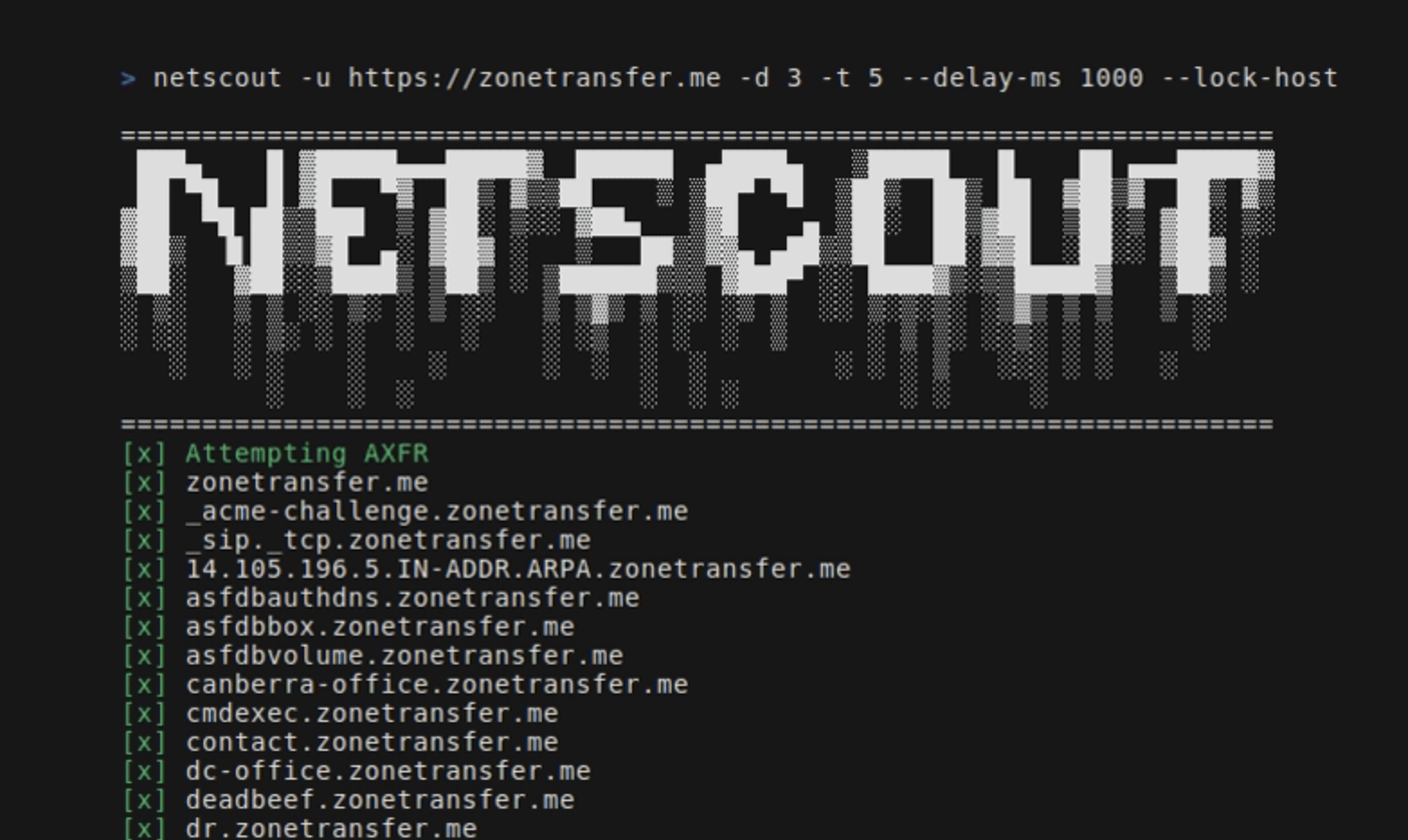
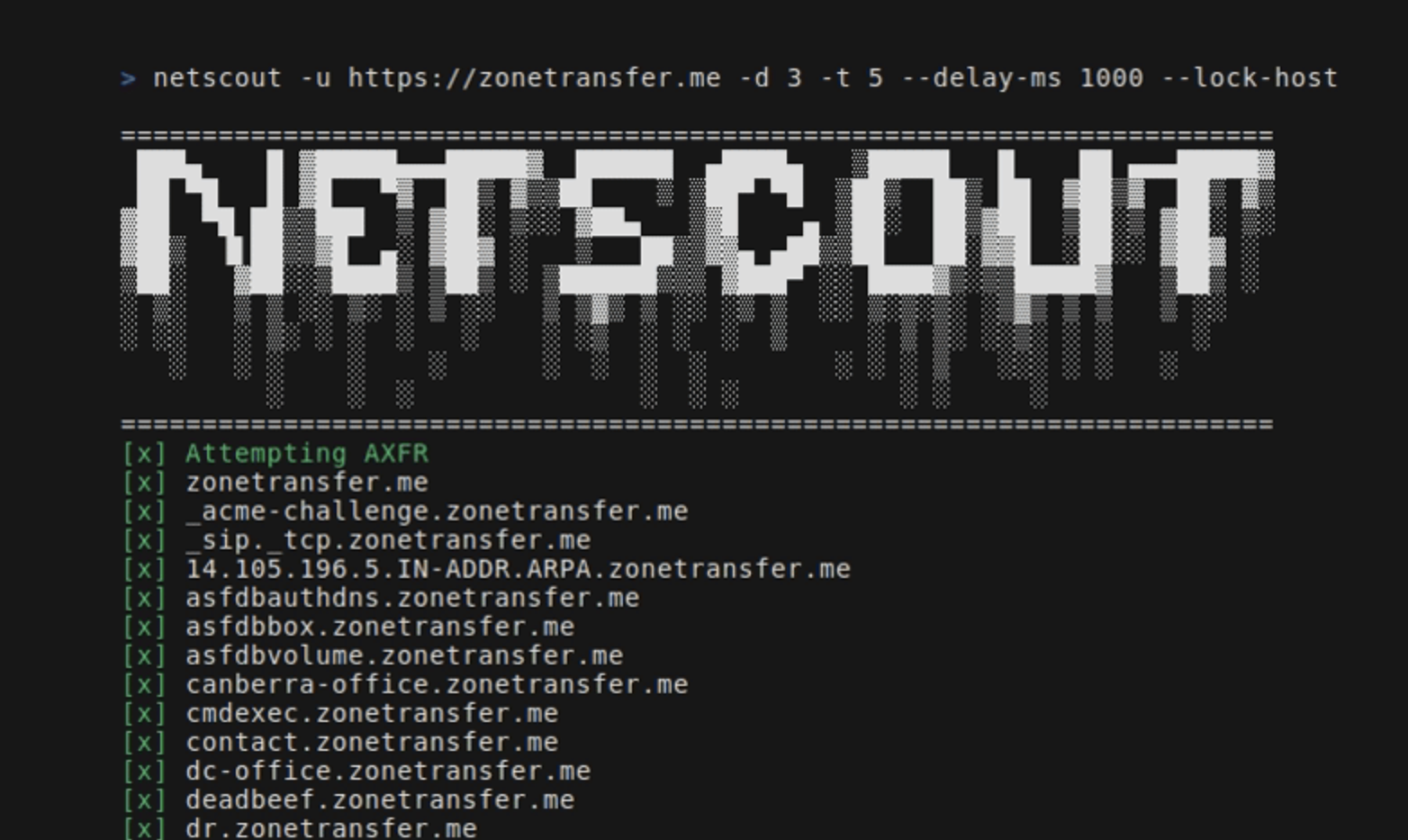
=======================================================================
 ███▄    █ ▓█████▄▄▄█████▓  ██████  ▄████▄   ▒█████   █    ██ ▄▄▄█████▓
 ██ ▀█   █ ▓█   ▀▓  ██▒ ▓▒▒██    ▒ ▒██▀ ▀█  ▒██▒  ██▒ ██  ▓██▒▓  ██▒ ▓▒
▓██  ▀█ ██▒▒███  ▒ ▓██░ ▒░░ ▓██▄   ▒▓█    ▄ ▒██░  ██▒▓██  ▒██░▒ ▓██░ ▒░
▓██▒  ▐▌██▒▒▓█  ▄░ ▓██▓ ░   ▒   ██▒▒▓▓▄ ▄██▒▒██   ██░▓▓█  ░██░░ ▓██▓ ░
▒██░   ▓██░░▒████▒ ▒██▒ ░ ▒██████▒▒▒ ▓███▀ ░░ ████▓▒░▒▒█████▓   ▒██▒ ░
░ ▒░   ▒ ▒ ░░ ▒░ ░ ▒ ░░   ▒ ▒▓▒ ▒ ░░ ░▒ ▒  ░░ ▒░▒░▒░ ░▒▓▒ ▒ ▒   ▒ ░░
░ ░░   ░ ▒░ ░ ░  ░   ░    ░ ░▒  ░ ░  ░  ▒     ░ ▒ ▒░ ░░▒░ ░ ░     ░
   ░   ░ ░    ░    ░      ░  ░  ░  ░        ░ ░ ░ ▒   ░░░ ░ ░   ░
         ░    ░  ░              ░  ░ ░          ░ ░     ░
=======================================================================
Usage:
  -u string
        A string representing the URL
  -d int
        An integer representing the depth of the crawl
  -t int
        An integer representing the amount of threads to use for the scans (default 5)
  -delay-ms int
        An integer representing the delay between requests in miliseconds
  -lock-host
        A boolean - if set, it will only save URLs with the same host as the seed
  -o string
        A string representing the name of the output file
  -h string
        A comma-separated key-value string representing request headers
  -c string
        A comma-separated key-value string representing the cookies
  -v
        A boolean - if set, it will display all found URLs


  -skip-axfr
        A bool - if set, it will skip the DNS zone transfer attempt
  -skip-binaryedge
        A bool - if set, it will skip BinaryEdge subdomain scan
  -skip-google-dork
        A bool - if set, it will skip the Google filetype scan
  -headless
        A bool - if set, all requests in the crawler will be made through a headless Chrome browser (requires Google Chrome)
  -deep
        A bool - if set, the shortened URL scan will be performed (can take several minutes)
シード URL、深度、出力ファイルを設定します:
netscout -u https://crawler-test -d 2 -o netscout.txt
BinaryEdge と Google dork をスキップします:
netscout -u https://crawler-test.com -d 2 --skip-binaryedge --skip-google-dork -o netscout.txt
スレッド数を 5 に設定し、リクエスト遅延を 1000ms に設定し、リクエストをヘッドレス Chrome ブラウザ経由で実行するように強制します。
netscout -u https://crawler-test.com -d 2 -t 5 --delay-ms 1000 --headless -o netscout.txt
深度を 2 に設定し、Cookie とヘッダー値を追加します
netscout -u https://crawler-test.com --deep -d 2 -t 5 -h "key=test,key_two=test_2" -c "key=test,key_two=test_2"
短縮 URL スキャンを有効にし、クローラーの深度を 2 に、スレッド数を 5 に設定します
netscout -u https://crawler-test.com --deep -d 2 -t 5
PR を送信する前に、プロジェクトが正常にビルドされ、既存のすべてのテストが合格することを確認してください。詳細は Testing を参照してください。
このプロジェクトへの貢献に興味を持っていただき、ありがとうございます。
テストはテスト対象ファイルと同じディレクトリに配置され、クローラーテストでは DVWA(Damn Vulnerable Web App) がローカルでポート 80 を公開して実行されている必要があります。 テストを実行する前に、テストファイルをセットアップする必要があります。
テストに必要なセットアップはすべて Makefile で処理されます:
make test-container-pull を実行しますmake testfiles-setup を実行しますmake test-container-run を実行しますmake test を実行しますmake testfiles-teardown を実行します