
 avergnaud/next.js_exploit_cve-2024-34351
Démo éducative d'une vulnérabilité de falsification de requête côté serveur (SSRF) dans Next.js (CVE-2024-34351), avec exemples d'exploitation étape par étape et d'atténuation.

Ce repo peut servir de support pour présenter un ou plusieurs meetup(s). Le parcours est le suivant...
Ce travail est basé principalement sur deux sources :

1-csr-load-data vanilla react SPA loading data
[!IMPORTANT] CSR (Client-Side Rendering): React code is delivered to the browser, which generates content that is inserted into the DOM.
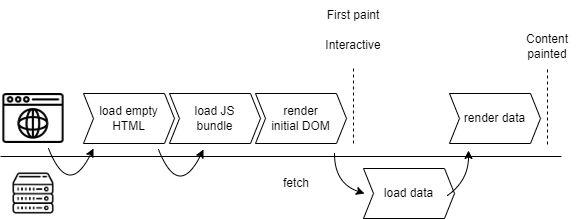
cd 1-csr-load-data
npm start
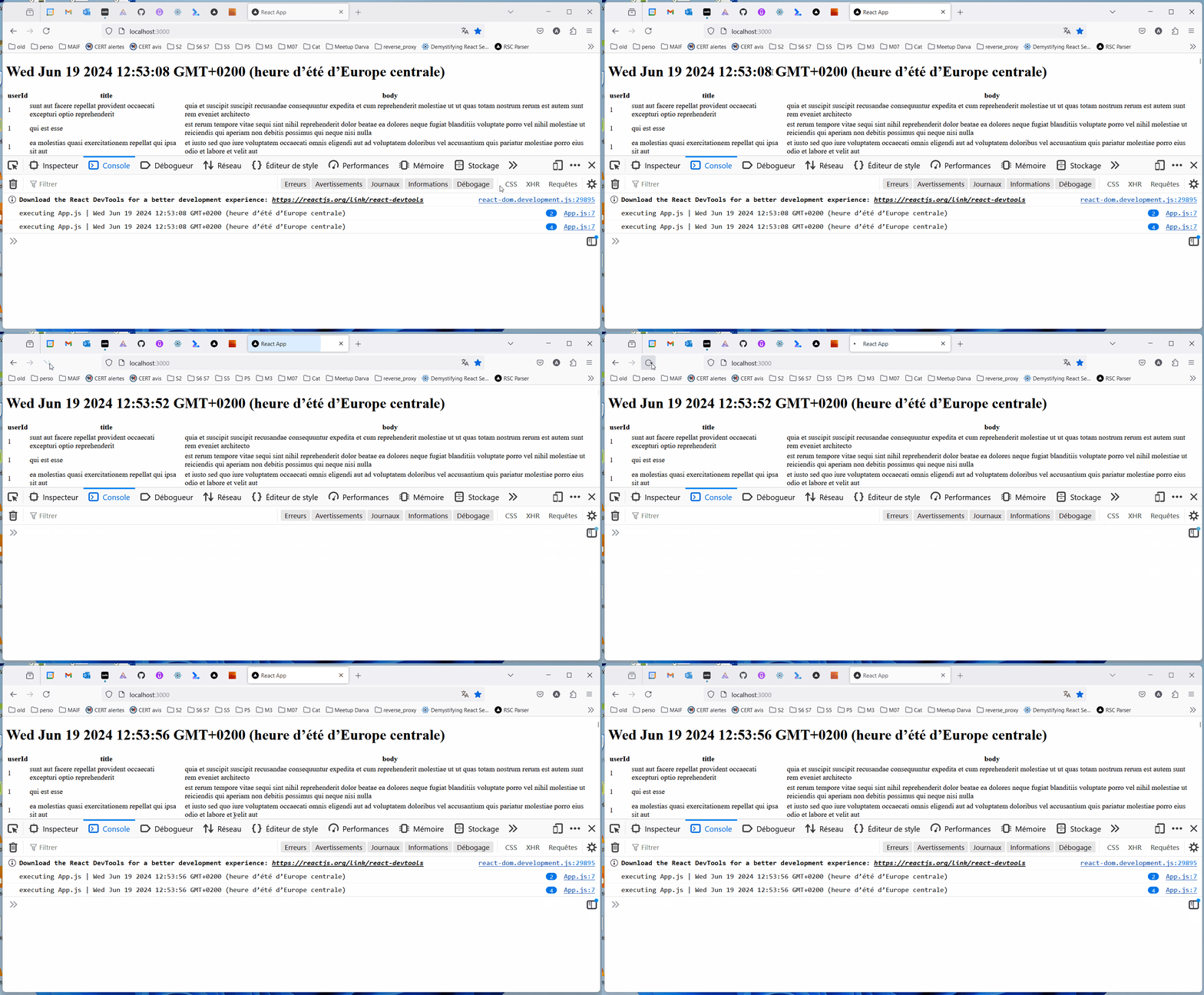
2-csr-router vanilla react SPA routing[!IMPORTANT] After the page has been loaded for the first time, navigating to other pages on the same website uses JavaScript to re-render parts of the page without requiring a full page refresh.
cd 2-csr-router
npm start
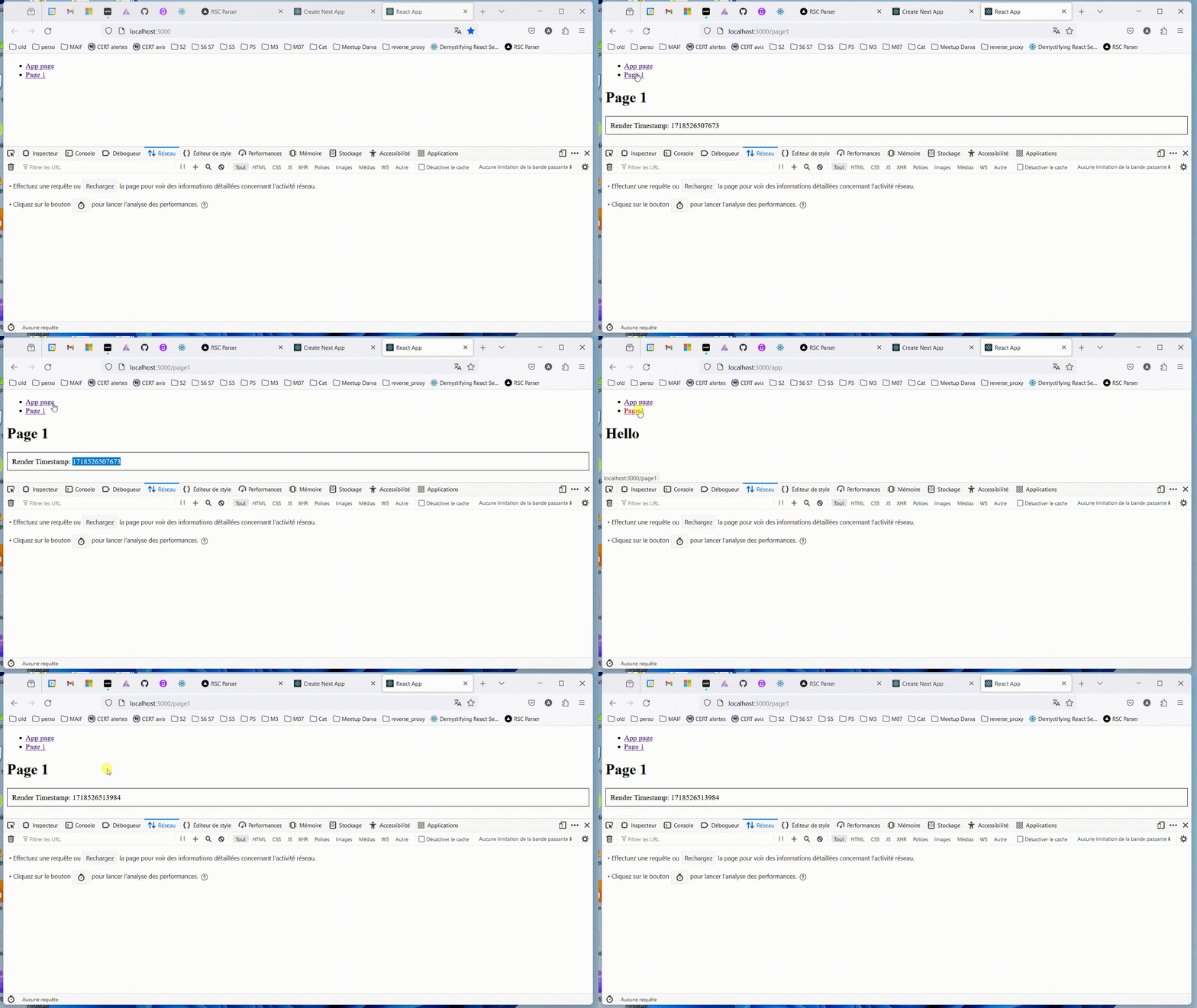
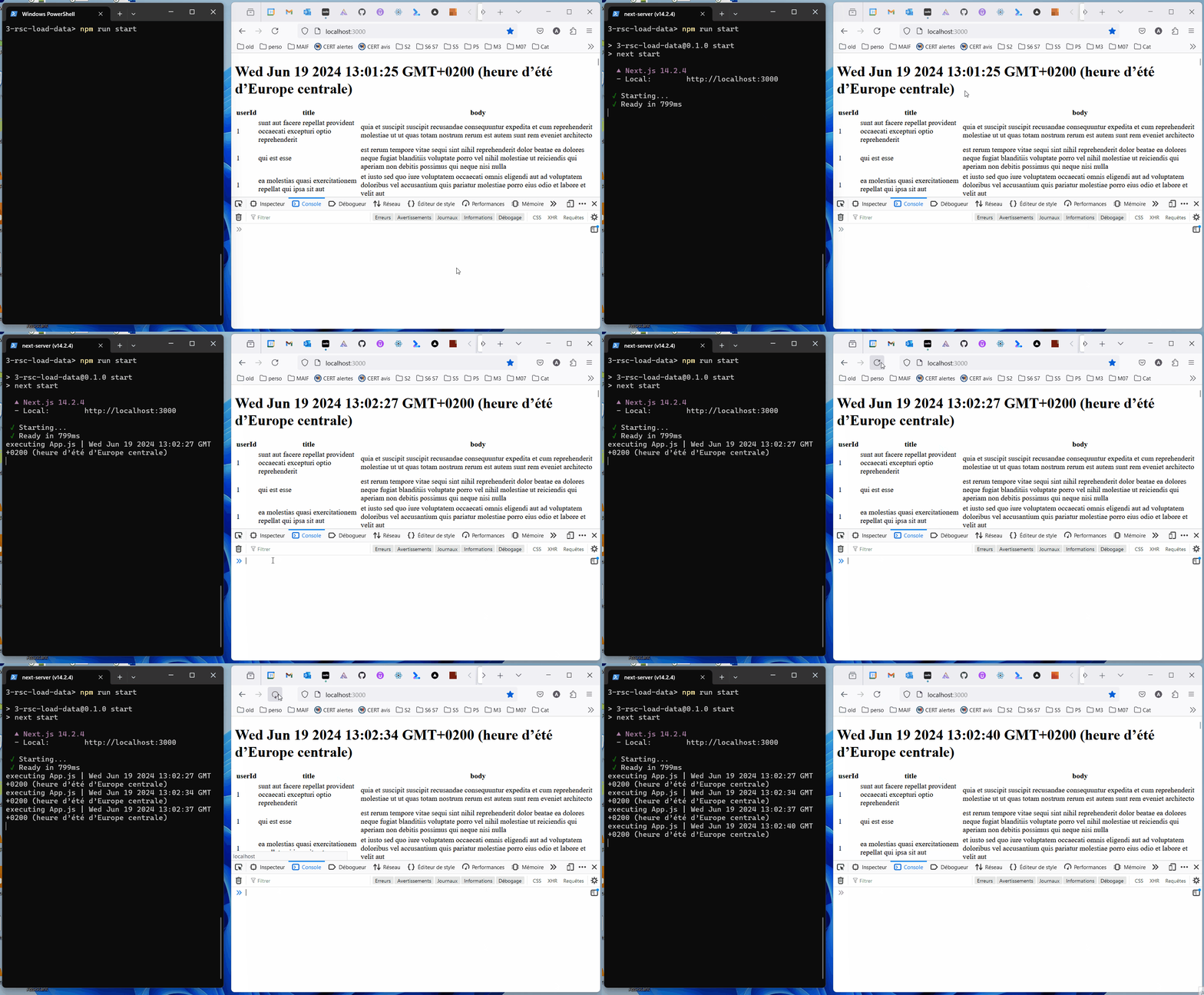
3-rsc-load-data React Server Components (Next.js impl) loading data
[!IMPORTANT] React components which are written to run only on the server, rather than in the browser.
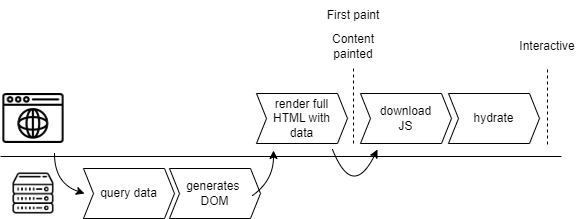
cd 3-rsc-load-data
npm run build
npm run start
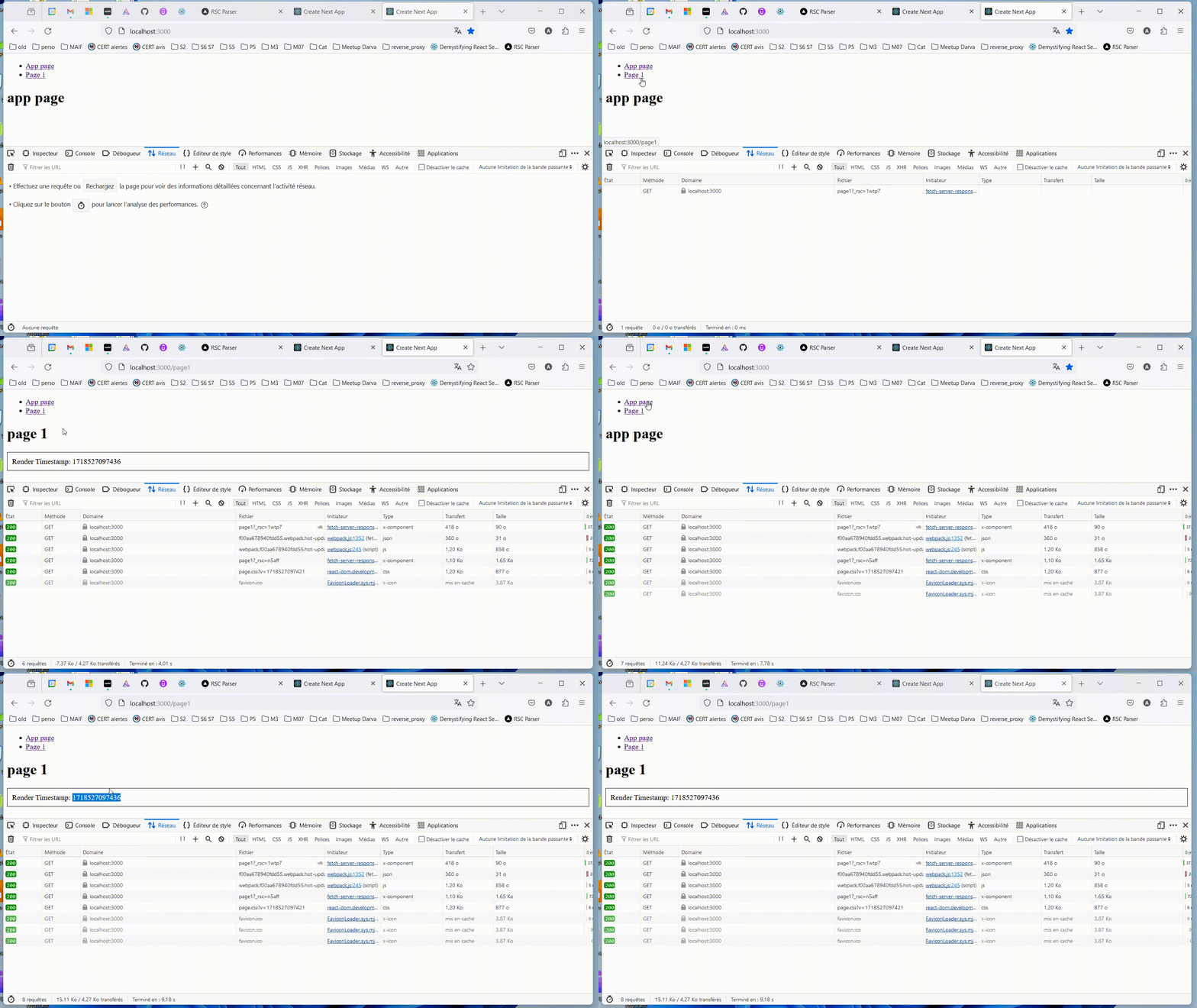
4-rsc-router React Server Components (Next.js impl) routing
[!IMPORTANT] Components are executed only on the server. The default behavior is static rendering: components are executed at build time.
cd 4-rsc-router
npm run build
npm run start
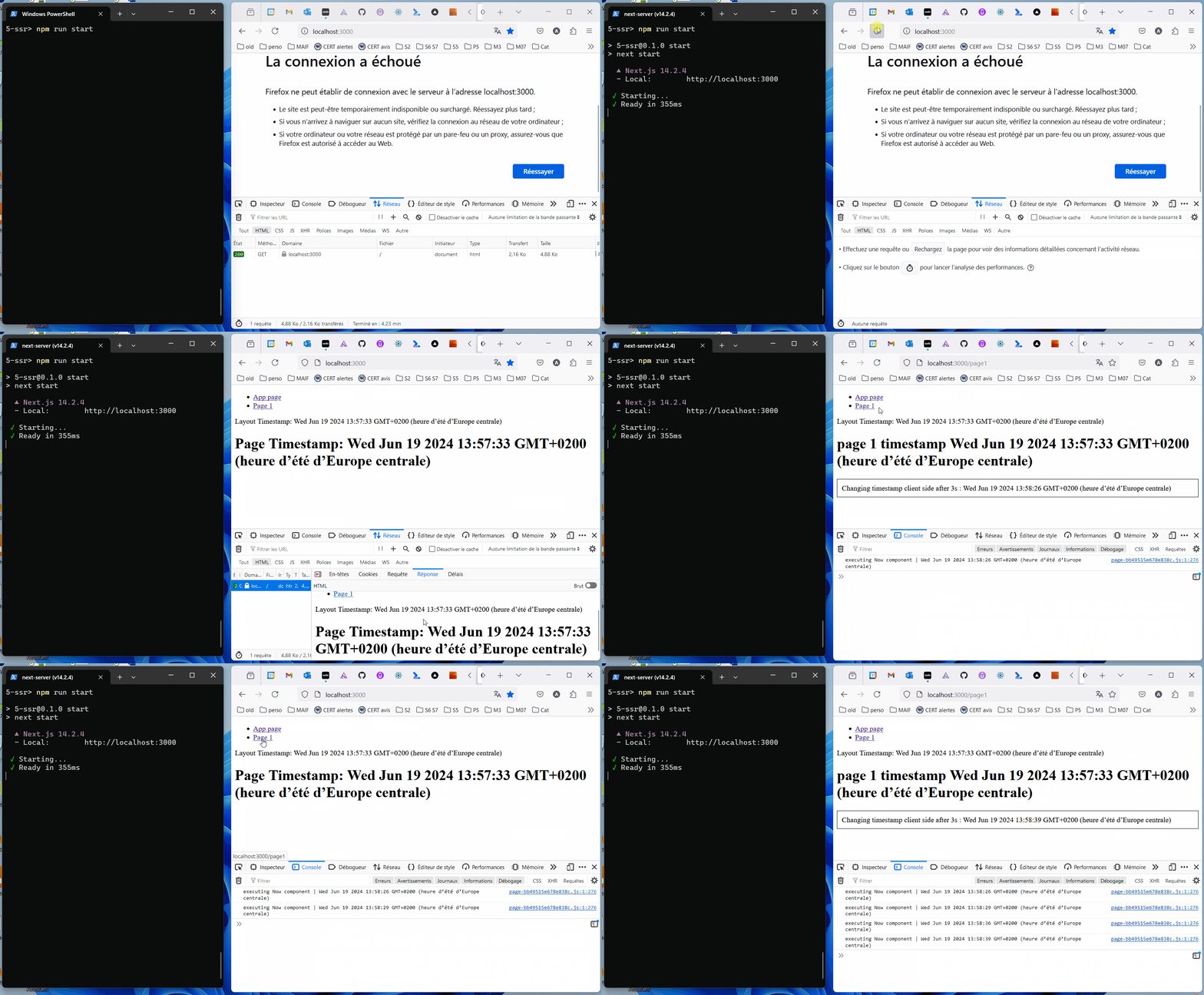
5-SSR SSR Server Side Rendering
[!IMPORTANT] SSR means prerendering client components on the server. React code runs at the time it is requested. The result may be cached for future requests.
Best practice: define 'use client'; components as far down the component tree as possible.
[!IMPORTANT] "In React, “hydration” is how React “attaches” to existing HTML that was already rendered by React in a server environment. During hydration, React will attempt to attach event listeners to the existing markup and take over rendering the app on the client. In apps fully built with React, you will usually only hydrate one “root”, once at startup for your entire app."
https://react.dev/reference/react-dom/client/hydrateRoot
https://www.gatsbyjs.com/docs/conceptual/partial-hydration/
cd 5-ssr
npm run build
npm run start
6-pages-router-ssg (Next.js impl)
[!IMPORTANT] SSG (Static Site Generation) using the pages router: React code is run when you build your application, and the generated output is static.
cd 6-pages-router-ssg
npm run build
npm run start
7-pages-router-isr (Next.js impl)
[!IMPORTANT] ISR (using pages router): "Next.js allows you to create or update static pages after you’ve built your site. Incremental Static Regeneration (ISR) enables you to use static-generation on a per-page basis, without needing to rebuild the entire site. With ISR, you can retain the benefits of static while scaling to millions of pages."
cd 7-pages-router-isr
npm run build
npm run start
"the data could become stale at request time"
https://vercel.com/blog/nextjs-server-side-rendering-vs-static-generation
https://react.dev/reference/rsc/server-actions
...
8-ssrf-14.1.0
https://www.assetnote.io/resources/research/digging-for-ssrf-in-nextjs-apps

14.1.1redirect(/blog/${inputValue});Source : https://www.assetnote.io/resources/research/digging-for-ssrf-in-nextjs-apps
