

CVE-2022-34303
 themalwareguardian/cve-2022-34303
Demonstrates CVE-2022-34303 Secure Boot bypass via CryptoPro signed UEFI Shell, using the mm command to nullify gSecurity2 and load unsigned UEFI…
binary-exploitationeducationexploitation+7
themalwareguardian/cve-2022-34303Demonstrates CVE-2022-34303 Secure Boot bypass via CryptoPro signed UEFI Shell, using the mm command to nullify gSecurity2 and load unsigned UEFI…
 gmh5225/anti_suspend
Protect process by shellcode
 themalwareguardian/cve-2025-4275
Analysis and exploitation of CVE-2025-4275 (Hydr0ph0bia), a Secure Boot trust-chain weakness where firmware variables are used to introduce…
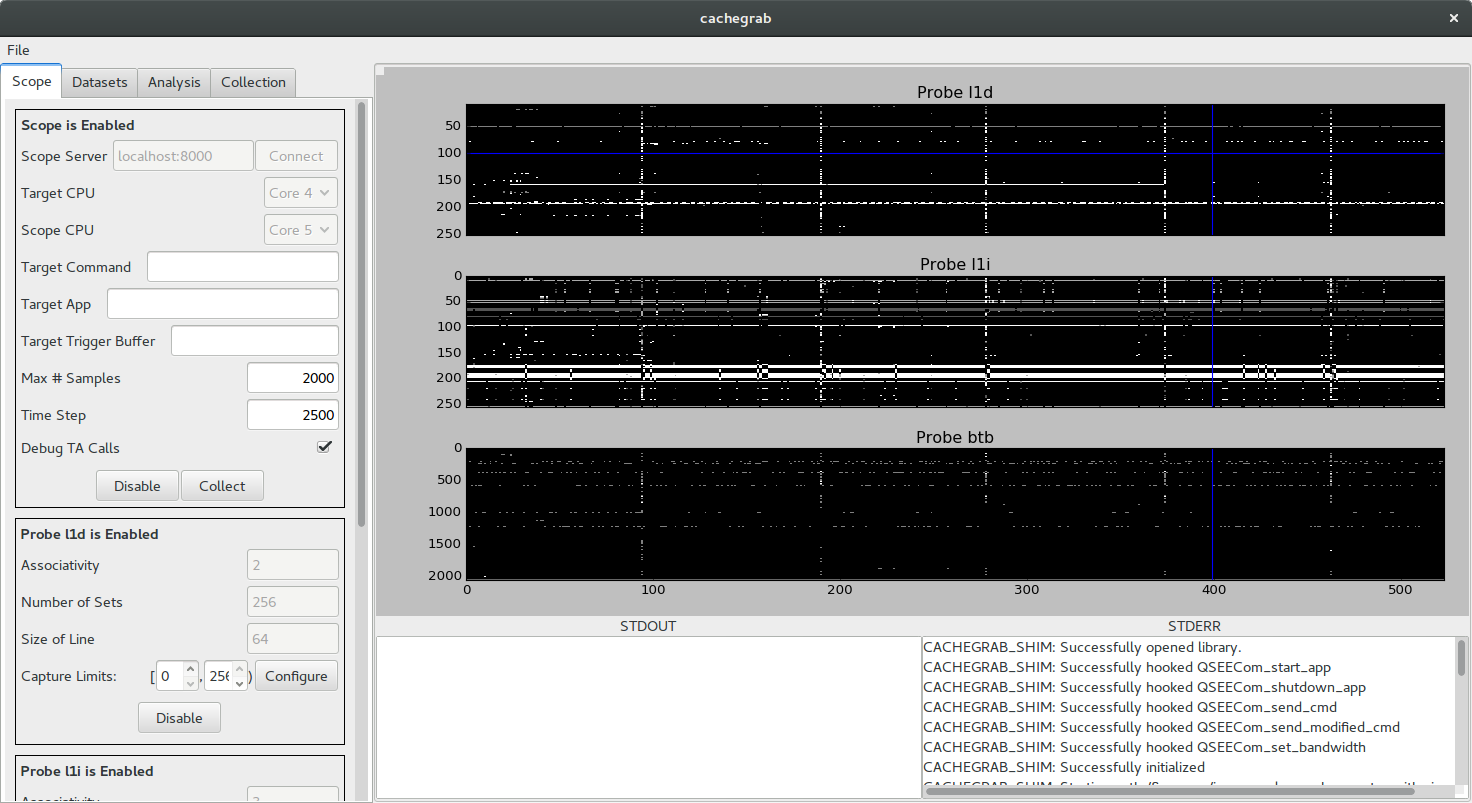 nccgroup/cachegrab
a tool designed to help perform and visualize trace-driven cache attacks against software in the secure world of TrustZone-enabled ARMv8 cores
 vaib25vicky/awesome-mobile-security
An effort to build a single place for all useful android and iOS security related stuff. All references and tools belong to their respective owners.…
 themalwareguardian/cve-2026-79298
Research repository documenting CVE-2026-79298, an incomplete UEFI Secure Boot bypass remediation in Howyar SysReturn's IA-32 boot path, with reverse…
 valium007/cve-2026-56129
Proof-of-concept exploiting the Toshiba qiomem.sys driver to achieve arbitrary physical memory read/write from ring 3, with a companion writeup.
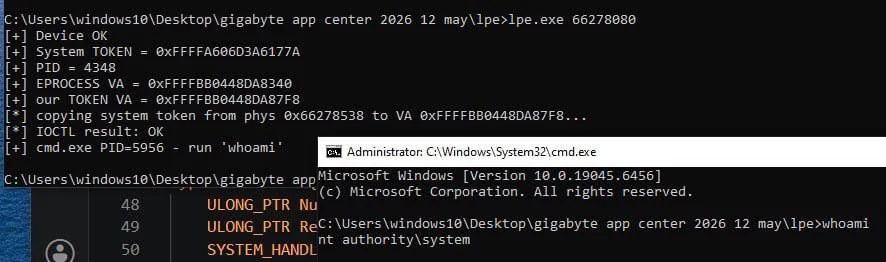 mein-0/knockgiga
Proof-of-concept local privilege escalation exploiting Gigabyte gdrv3.sys IOCTLs to write the SYSTEM token into a user process via an unchecked…
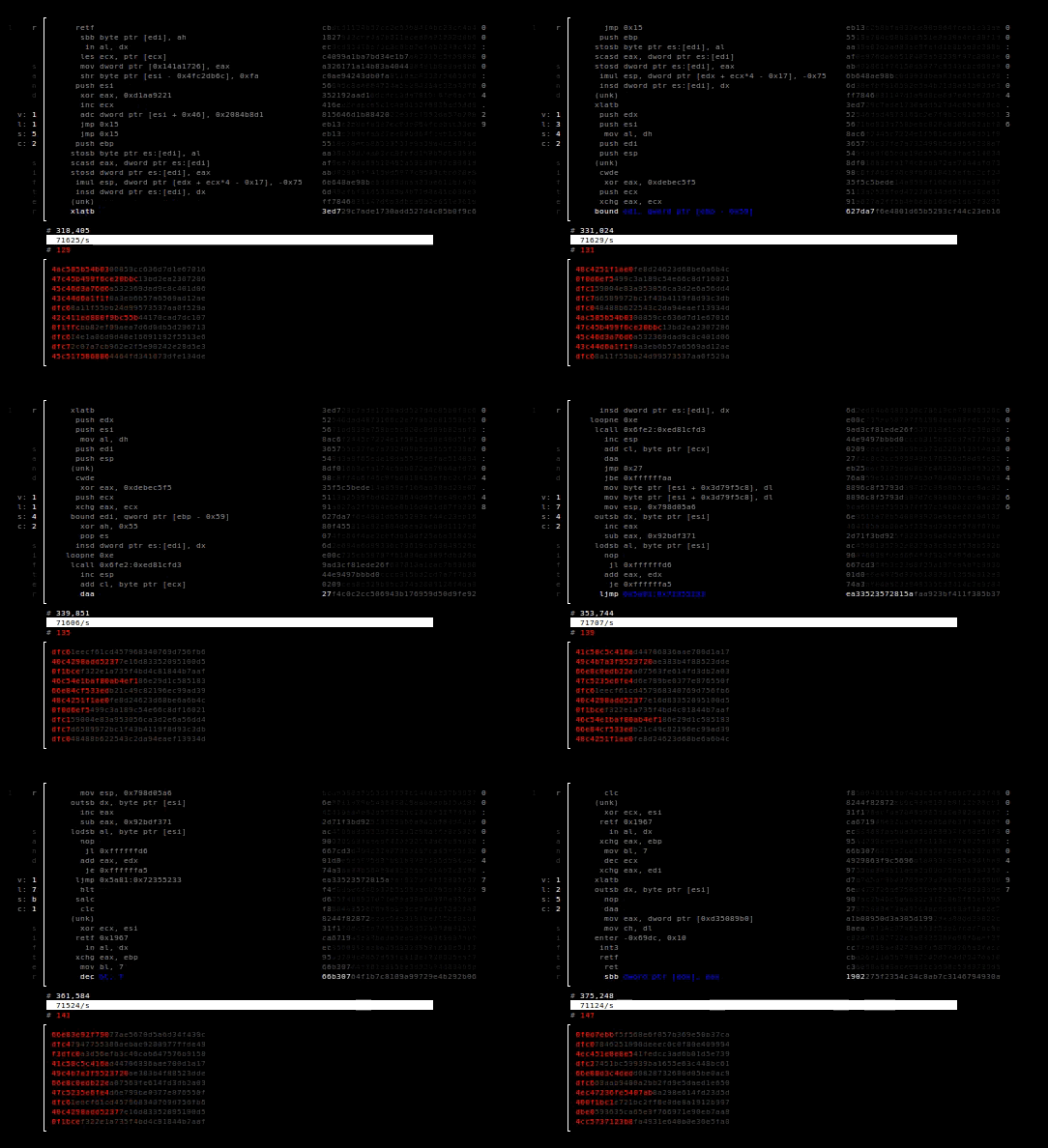
 wqsv/throttlestoppoc
CVE-2025-7771: Arbitrary physical memory and I/O port read/write via ThrottleStop driver
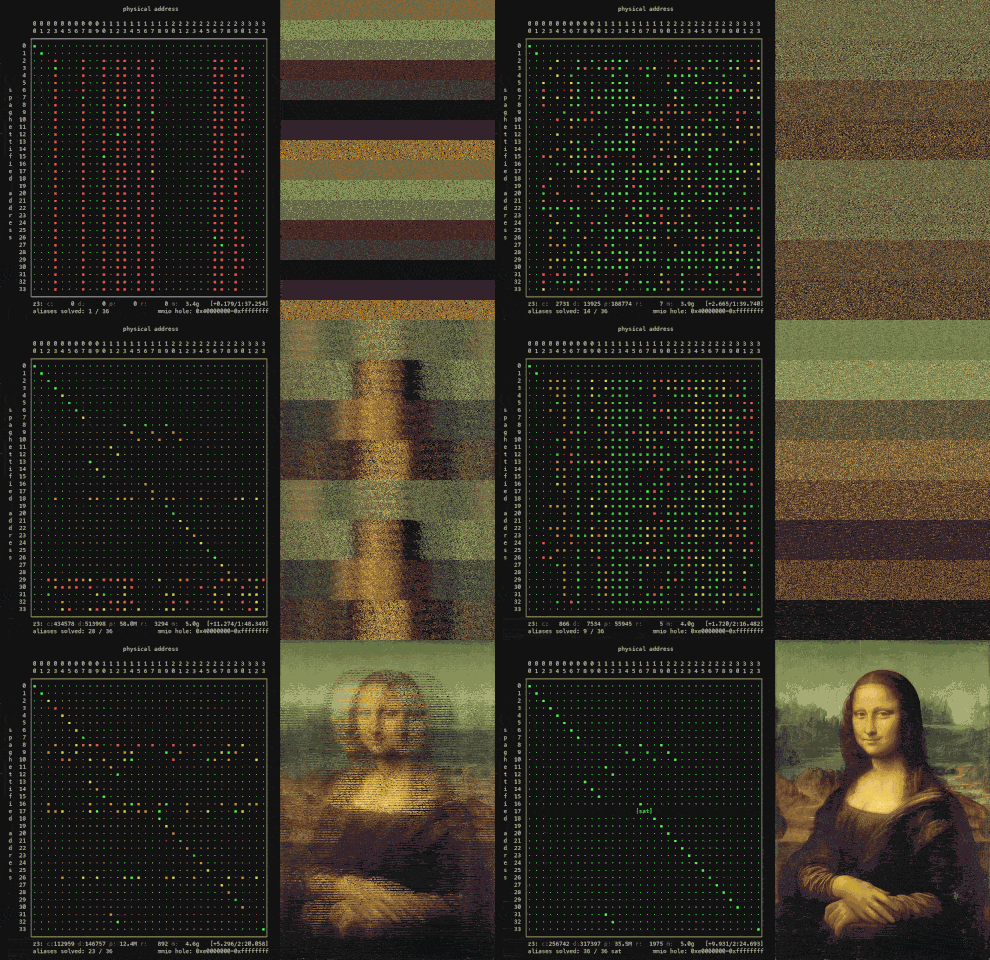 xoreaxeaxeax/skitter-creek-bath-salts
Unlocking _everything_ on the CPU with DRAM scrambling
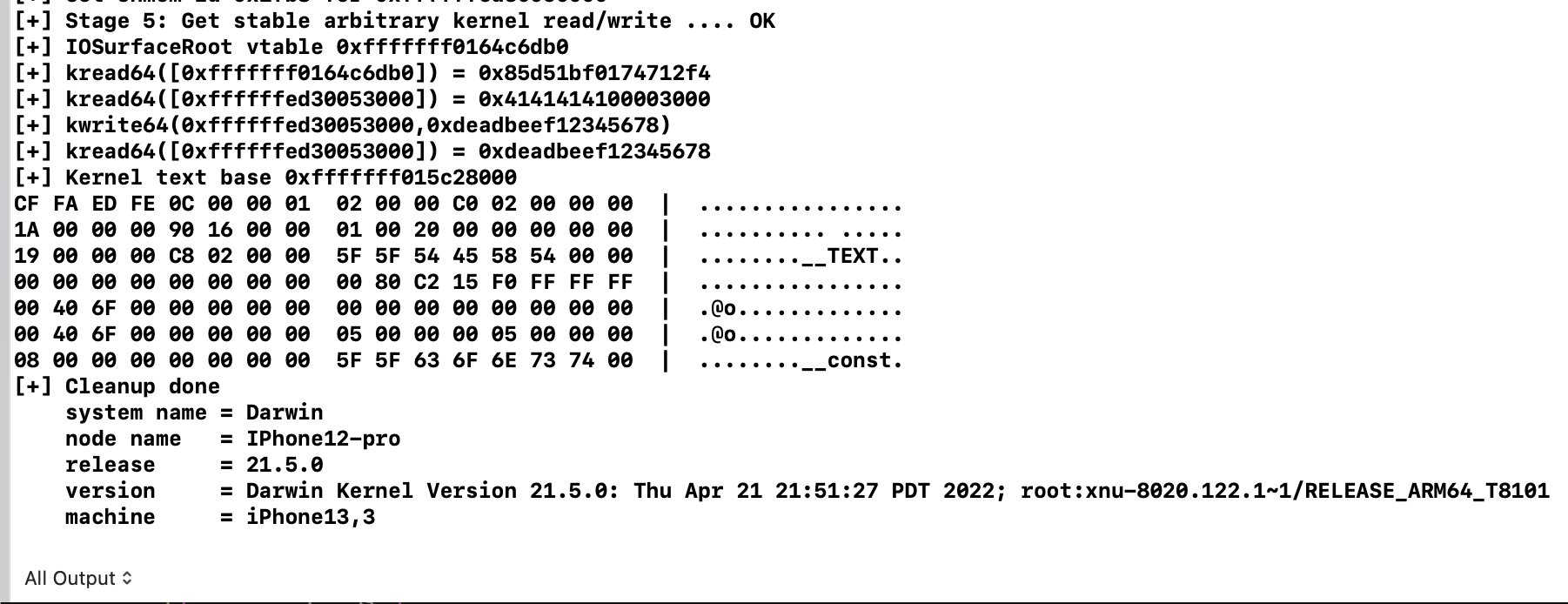 ox1111/cve-2022-32898
Technical analysis and exploit demonstration of CVE-2022-32898, a kernel memory corruption vulnerability in Apple Neural Engine driver, with detailed…
 malrev/abd
Course materials for Advanced Binary Deobfuscation by NTT Secure Platform Laboratories
 themalwareguardian/uefi-security-research-howyar-sysreturn-netcopy
Post CVE-2024-7344 analysis of Howyar SysReturn NetCopy - reverse engineering notes, vulnerable binaries, vendor correspondence, and proof-of-concept…
 themalwareguardian/cve-2022-34302
Demonstrates CVE-2022-34302, a Secure Boot bypass via the New Horizon Datasys signed bootloader whose built-in custom PE/COFF loader executes…
 themalwareguardian/cve-2024-7344
Technical research on a UEFI Secure Boot bypass caused by an unsafe custom PE loader, including root-cause analysis, exploitation workflow, and an…
 shinyquagsire23/cve-2020-12753-poc
A proof-of-concept for CVE-2020-12753