

CVE-2023-36884-MS-Office-HTML-RCE
 jakabakos/cve-2023-36884-ms-office-html-rce
MS Office and Windows HTML RCE (CVE-2023-36884) - PoC and exploit
educationexploitationpapers-research+3
42
jakabakos/cve-2023-36884-ms-office-html-rceMS Office and Windows HTML RCE (CVE-2023-36884) - PoC and exploit
 razureink/cve-2024-43451-ntlm_hash_disclosure_reproduction
CVE Reproduction: cve-2024-43451-ntlm_hash_disclosure_reproduction
 ka7ana/cve-2023-23397
PowerShell proof-of-concept for CVE-2023-23397 that exploits Outlook's ReminderSoundFile property to intercept Net-NTLMv2 hashes via SMB or WebDAV…
 alchemist3dot14/cve-2025-2783
Simulated PoC for CVE-2025-2783 — a sandbox escape vulnerability in Chrome's Mojo IPC. Includes phishing delivery, memory fuzzing, IPC simulation,…
 chrxstxqn/cve-2025-6218-winrar-rce-poc
Comprehensive analysis and proof-of-concept for CVE-2025-6218 - WinRAR path traversal RCE vulnerability affecting versions 7.11 and earlier
 jump-wang-111/amzword
An automated attack chain based on CVE-2022-30190, 163 email backdoor, and image steganography.
 asepsaepdin/cve-2010-1240
Educational proof-of-concept demonstrating how to embed a Meterpreter backdoor into a PDF file exploiting CVE-2010-1240, with step-by-step Metasploit…
 bhatbhupendra/moniker-link--cve-2024-21413-
Educational guide on CVE-2024-21413, the Outlook zero-click Moniker Link vulnerability, covering attack flow, NTLM credential capture, detection with…
 helidem/cve-2025-24054_cve-2025-24071-poc
Proof of Concept for the NTLM Hash Leak via .library-ms CVE-2025-24054 / CVE-2025-24071
 retr0-code/signhere
SignHere is implementation of CVE-2017-11882. SignHere is builder of malicious rtf document and VBScript payloads.
 jun2e0/cve-2025-26788
Proof-of-concept exploit for CVE-2025-26788 demonstrating WebAuthn credential ID manipulation via JavaScript hooking to bypass authentication in…
 b1tbit/cve-2026-32201-exploit
Python exploit for CVE-2026-32201, a reflected XSS in Microsoft SharePoint Server, enabling unauthenticated spoofing and data modification via…
 bronzebee/cve-2023-23397
Python script for sending e-mails with CVE-2023-23397 payload using SMTP
 danithehack3r/cve-2024-42009-poc
CVE-2024-42009 Proof of Concept
 amirzargham/cve-2024-37383-exploit
Roundcube mail server exploit for CVE-2024-37383 (Stored XSS)
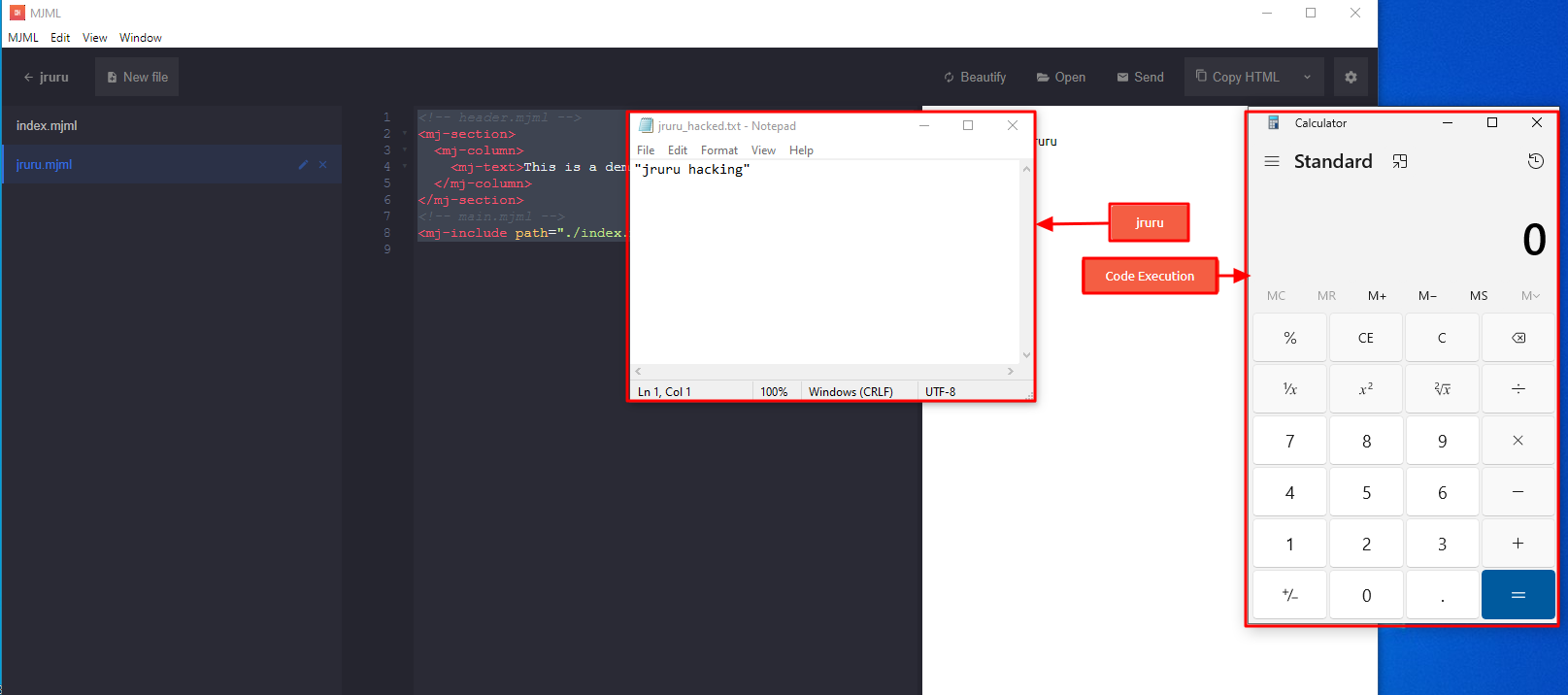 eqstlab/cve-2024-25293
mjml-app v3.0.4 & 3.1.0-beta RCE exploit
 fathanahhidayati/https-github.com-xaitax-cve-2024-21413-microsoft-outlook-remote-code-execution-vulnerability
Proof-of-concept exploit for CVE-2024-21413, a Microsoft Outlook remote code execution vulnerability. Demonstrates NTLM credential leakage and RCE…
 mbanyamer/cve-2026-27579-collabplatform-appwrite-cors-misconfiguration
Exploit PoC for CVE-2026-27579, a CORS misconfiguration in Appwrite backend, demonstrating credentialed account data theft via malicious phishing…