
malware-iocs
 doctorwebltd/malware-iocs
Curated Indicators of Compromise (IOCs) from Doctor Web malware investigations, published for threat intelligence, detection engineering, and…
curated-resourcesforensicsincident-response+4
244
doctorwebltd/malware-iocsCurated Indicators of Compromise (IOCs) from Doctor Web malware investigations, published for threat intelligence, detection engineering, and…
 jaksi/sshesame
An easy to set up and use SSH honeypot, a fake SSH server that lets anyone in and logs their activity
 withsecurelabs/flair
Lightweight batch script for semi-automated acquisition of key forensic artefacts from Windows hosts, using only native OS tools to support incident…
 sifalcon/detection
Curated collection of detection rules and IOCs extracted from DFIR engagements and malware analyses to support threat hunting, incident response, and…
 certsocietegenerale/irm
Incident Response Methodologies 2022
 nccgroup/uninstalledappcanary
A Canary which fires when uninstalled
 ry-allan/tanstack-compromise-checker
Detects CVE-2026-45321 (TanStack supply chain compromise) and Mini Shai-Hulud worm artifacts. Scans node_modules, lockfiles, persistence hooks…
 swaybs/cve-2024-3400
Python script to check Palo Alto firewalls for CVE-2024-3400 exploit attempts
 ma1am/cve-2022-26134-exploit-detection
This repository contains Yara rule and the method that a security investigator may want to use for CVE-2022-26134 threat hunting on their Linux…
 securitytemplates/sectemplates
Open source templates you can use to bootstrap your security programs
 gamelinux/passivedns
A network sniffer that logs all DNS server replies for use in a passive DNS setup
 mkorman90/regipy
Regipy is an os independent python library for parsing offline registry hives
 travisfoley/dfirtriage
Digital forensic acquisition tool for Windows based incident response.
 cyberdefenders/detectionlabelk
DetectionLabELK is a fork from DetectionLab with ELK stack instead of Splunk.
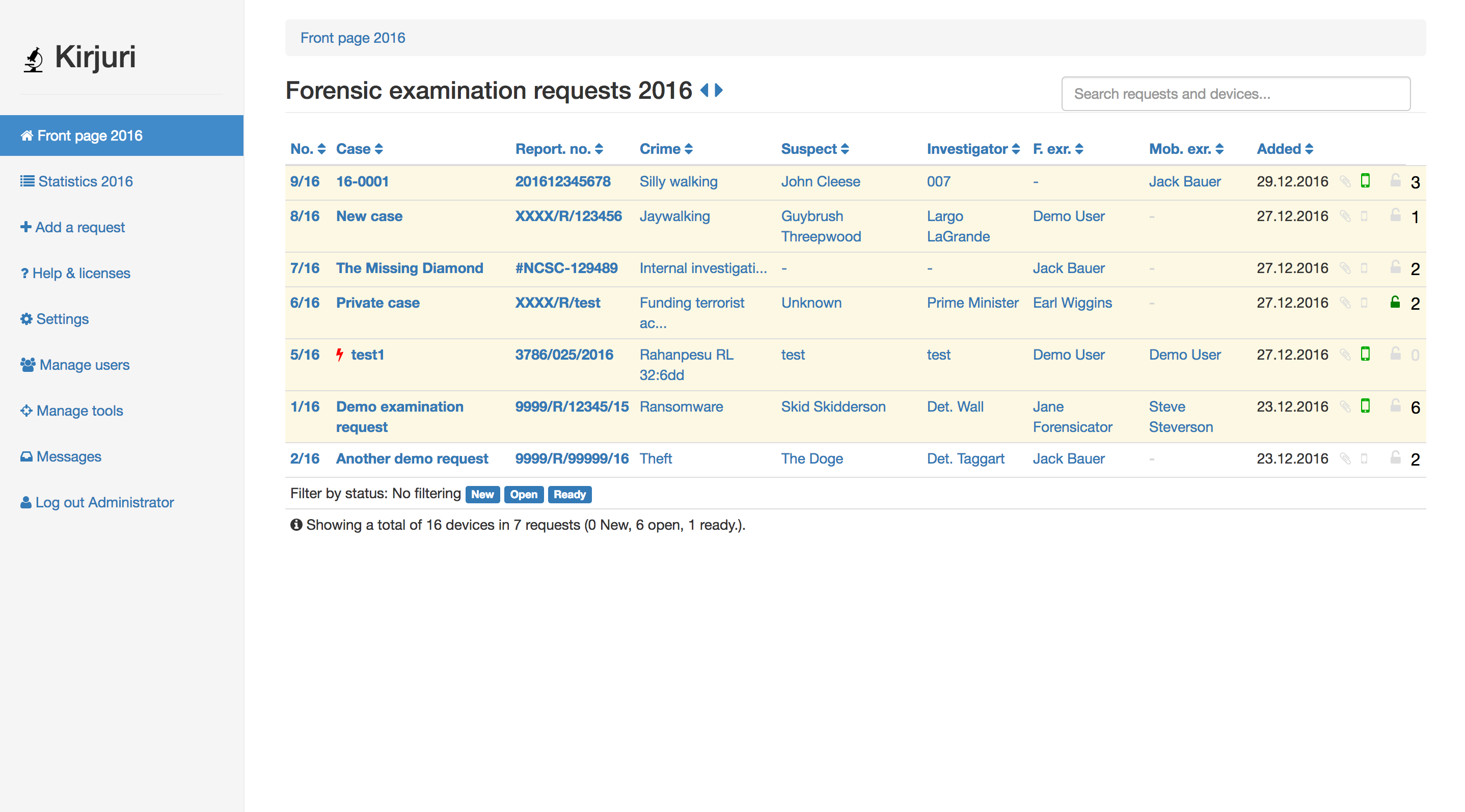 anttikurittu/kirjuri
Kirjuri is a web application for managing cases and physical forensic evidence items.
 netflix/security_monkey
Security Monkey monitors AWS, GCP, OpenStack, and GitHub orgs for assets and their changes over time.
 cert-lv/exchange_webshell_detection
Detect webshells dropped on Microsoft Exchange servers exploited through "proxylogon" group of vulnerabilites (CVE-2021-26855, CVE-2021-26857,…