
CVE-2015-7547
 t0r0t0r0/cve-2015-7547
Proof-of-concept exploit for CVE-2015-7547 glibc DNS resolver vulnerability. Includes Python and PHP scripts to trigger buffer overflow via crafted…
dns-analysisexploitationnetwork-security+2
1
t0r0t0r0/cve-2015-7547Proof-of-concept exploit for CVE-2015-7547 glibc DNS resolver vulnerability. Includes Python and PHP scripts to trigger buffer overflow via crafted…
 himmel-byte/cve-2004-0789-ddos
Python-based exploit for CVE-2004-0789 targeting DNS servers with configurable request flooding for denial-of-service testing.
 6lj/evil-cve-2021-23017-update-2025
vulnerability in NGINX servers (versions 0.6.18–1.20.0). The scripts aim to cause a Denial of Service (DoS) by sending malicious DNS responses, with…
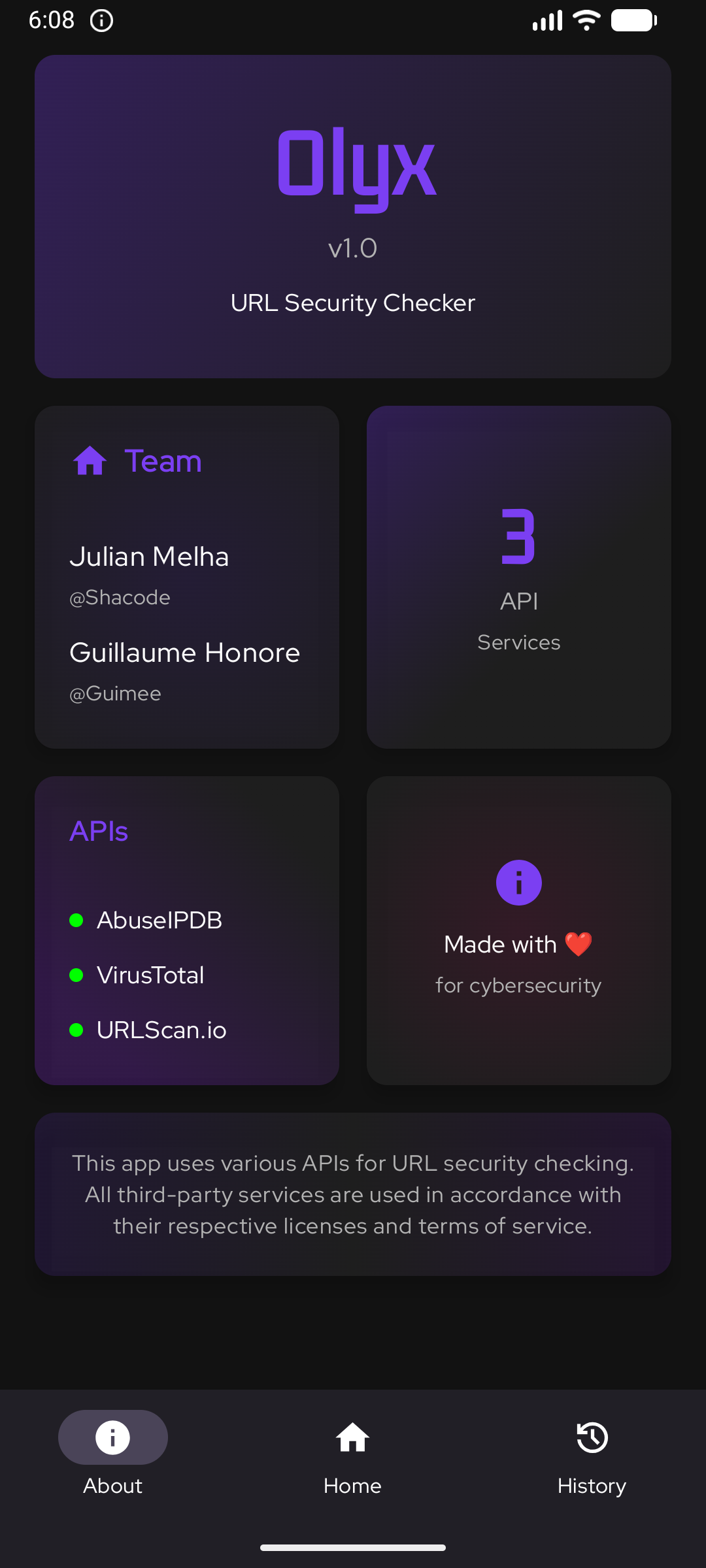
 shacode/olyx
🔗 Lightweight security orchestrator mobile application for URI vetting, providing a unified, multi-engine interface to aggregate and validate link…
 miracle03/cve-2015-7547-master
loudong
 skyformat99/dnsmasq-2.4.1-fix-cve-2017-14491
Patch for CVE-2017-14491 in dnsmasq 2.4.1, fixing a heap-based buffer overflow in DNS response handling to prevent remote code execution.
 shutingrz/cve-2018-10920_poc
Knot Resolver CVE-2018-10920 / DO NOT ABUSE
 bluebluelan/cve-2015-7547-proj-master
Proof-of-concept exploit for CVE-2015-7547, a glibc getaddrinfo() stack-based buffer overflow. Includes server and client components to trigger the…
 xycloops123/tkey-remote-dos-vulnerability-exploit
Exploit code for CVE-2015-5477 POC
 moften/cve-2021-23017
NGINX DNS Overflow Vulnerability Check - CVE-2021-23017 PoC
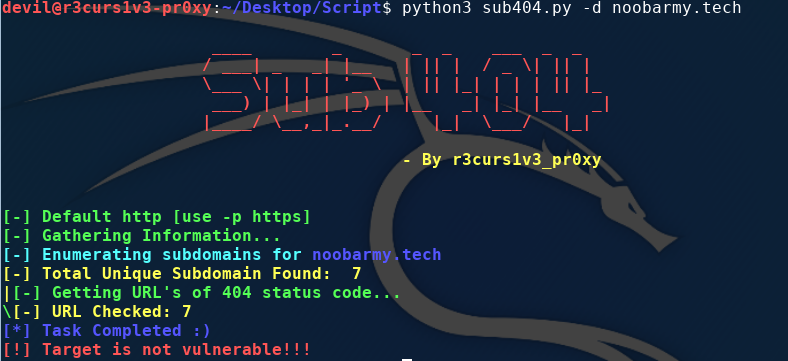 r3curs1v3-pr0xy/sub404
A python tool to check subdomain takeover vulnerability
 diverto/nse-log4shell
Nmap NSE scripts to check against log4shell or LogJam vulnerabilities (CVE-2021-44228)
 esentire/cve-2015-7547-public
PoC attack server for CVE-2015-7547 buffer overflow vulnerability in glibc DNS stub resolver (public version)
 t13nn3s/cve-2020-1350
This Powershell Script is checking if your server is vulnerable for the CVE-2020-1350 Remote Code Execution flaw in the Windows DNS Service