
mongobleed
 adolfbharath/mongobleed
CVE-2025-14847 explaination and lab
cryptographydatabase-securityeducation+3
110 months ago
adolfbharath/mongobleedCVE-2025-14847 explaination and lab
 lukawynants/onderzoek_cve-2024-31497-poc
Proof-of-concept exploit for CVE-2024-31497, demonstrating a specific vulnerability for security testing and validation purposes.
 xooxo/cve-2025-40019-essiv
A PoC for CVE-2025-40019 in ESSIV module. (exploit WIP)
 super-oof/keepass2-password-finder
PoC for CVE-2023-32784 written in python
 metadust/cve-2025-11187
Stack buffer overflow in PKCS#12 PBMAC1 PBKDF2 keylength (OpenSSL 3.X)
 avarx/vulnkeys
Debian OpenSSL Predictable PRNG (CVE-2008-0166)
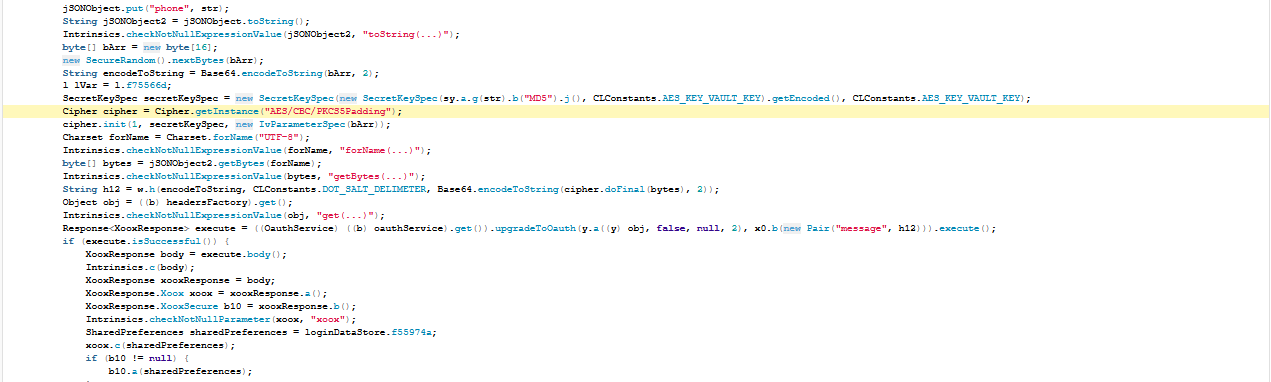 honestcorrupt/meesho-android-improper-encryption-cve-2026-5682
Proof of concept demonstrating insecure AES-CBC encryption with MD5 key derivation in the Meesho Android app, enabling ciphertext tampering and…
 plsrcoin/cve-2022-40769
profanity through 1.60 has only four billion possible RNG initializations. Thus, attackers can recover private keys from Ethereum vanity addresses…
 x-stp/cves-2025-11187_15467_69418
OpenSSL pocs: PKCS#12 stack overflow, CMS IV overflow, OCB infoleak [partial chain]
 shinycolumn/cve-2025-56802
AES-CFB Key Generation and Management Vulnerability in Reolink Desktop Application
 zakyhermawan/simple-sweet32
Simplified Version of Cryptography Attack based on Birthday Paradox: Sweet32 (CVE-2016-2183)
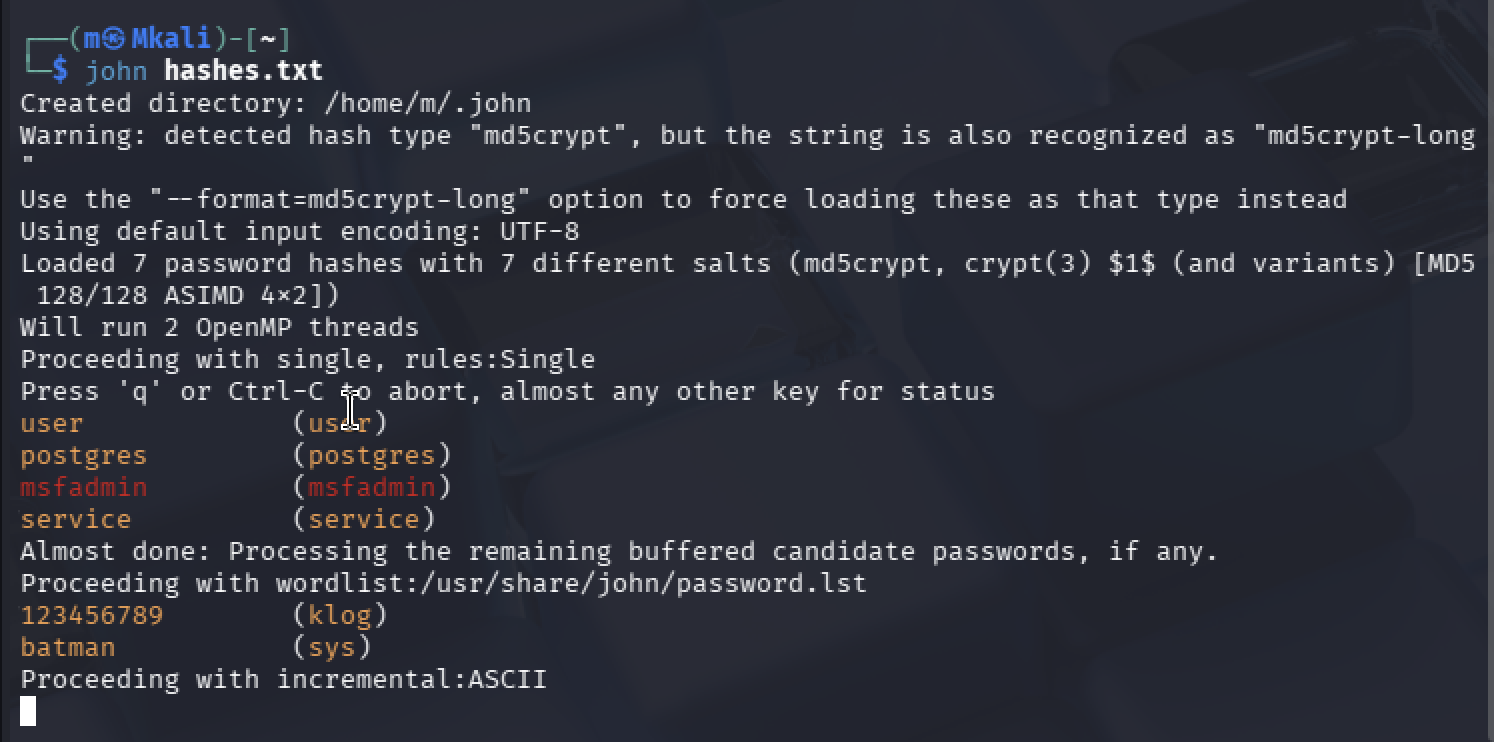 mirza-22144/vulnerability-assessment-exploitation-lab
Full-lifecycle penetration test of a legacy Linux environment (Metasploitable 2) emulated on Apple Silicon. Demonstrating network reconnaissance, RCE…
 crims-on/cve-2021-21239
A script to exploit a vulnerability in xmlsec1 where xmlsec ignores loaded public keys
 thieveshkar/rootquest-ctf-box-multi-stage-exploitation-vm
Custom vulnerable VM (Ubuntu 14.04) designed for teaching multi-stage penetration testing. Features 10 interconnected challenges across Forensics,…
 shinycolumn/cve-2025-56801
AES-CFB IV Generation Vulnerability in Reolink Desktop Application
 user6400/cve-2026-39031-lansweeper-lsrunase2-lsencrypt2
CVE-2026-39031 — offline plaintext password recovery for Lansweeper lsrunase 2.0 / lsencrypt 2.0 via a hardcoded RC4 key. PoC + technical advisory.
 cybervinner/tp-link-tl-wr820n-cve-2025-14175
Responsible disclosure write-up for CVE-2025-14175 involving weak cryptographic algorithm support in the SSH server of TP-Link TL-WR820N.
 shinigami-777/poc_cve-2025-54887
Proof of Concept for CVE-2025-54887