

CVE-2022-0778
 0xuhaw/cve-2022-0778
Proof of concept for CVE-2022-0778 in P12 and PEM format
cryptographyexploitationvulnerability-analysis
0xuhaw/cve-2022-0778Proof of concept for CVE-2022-0778 in P12 and PEM format
 george0papasotiriou/cve-2026-22001-sphincs-wots-weak-randomness-forgeable-signature
Demonstrates a critical SPHINCS+ WOTS+ signature forgery caused by weak randomness and nonce reuse, recovering secrets from two (r,s) signature pairs.
 ull0a/cve-2026-50751
Bypass de autenticación por certificado en la VPN Remote-Access de Check Point (IKEv1).

 cryptoadvocate/cryptohackapp
The mobile engineering home of the Cryptohack Badge project.
 trailofbits/break-golf
Cryptanalysis golf: break schemes and prove it in Lean 4. Proof-of-concept board.
 msdmehdipour/meshtastic-cve-2025-52464-poc
Software-only proof of concept for CVE-2025-52464 in Meshtastic Direct Messages
 dim0x69/cve-2022-25640-exploit
Exploitation of CVE-2020-256480 using scapy
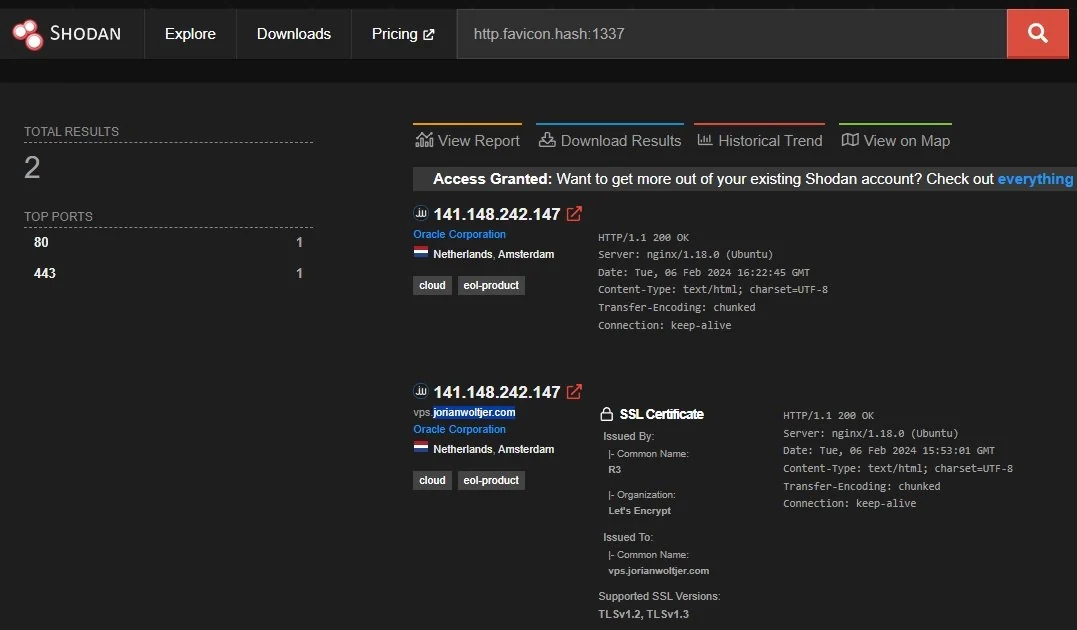 jorianwoltjer/shodan-favicon-preimage
Generate a favicon that results in any target hash on Shodan
 george0papasotiriou/cve-2026-22016-ipfs-cid-spoofing-via-multihash-length-extension
Python proof-of-concept demonstrating IPFS CID spoofing via multihash length extension, highlighting content-addressing verification flaws that can…
 murrez/cve-2026-97657
Python PoC for CVE-2026-97657: forges AES-CTR recovery tokens via XOR malleability to bypass authentication and take over WordPress accounts in…
 george0papasotiriou/cve-2026-22020-weak-seed-in-quantum-key-distribution-error-correction
Python PoC demonstrating CVE-2026-22020: exploitable weak seed in quantum key distribution privacy amplification, reducing final key entropy.
 george0papasotiriou/cve-2026-21009-ecdsa-nonce-reuse-in-iot-firmware-signing
Educational Python simulation demonstrating ECDSA nonce reuse in IoT firmware signing, showing how an attacker can recover private keys from two…
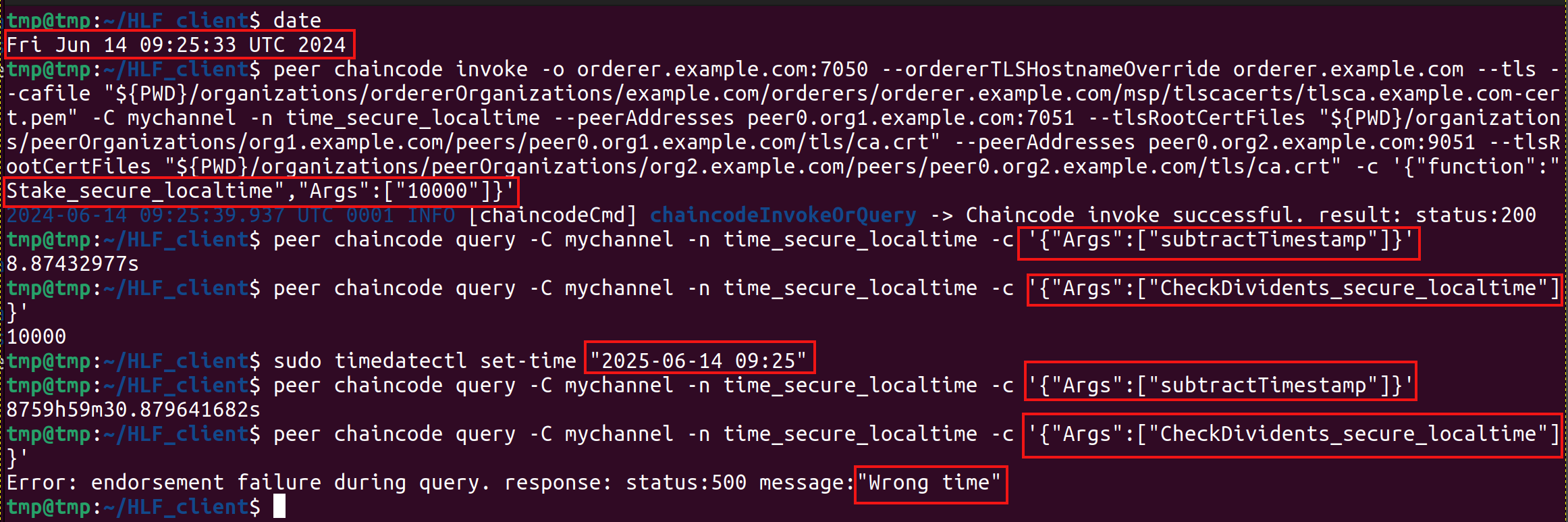 shanker-sec/hlf_txtime_spoofing
PoC covering the problem of transaction time manipulation (CVE-2024-45244) in the Hyperledger Fabric blockchain.
 alex-seymour/cve-2020-10560-key-recovery
Proof-of-concept exploit that recovers the site_key for OSSN 5.3 and above, exploiting CVE-2020-10560 arbitrary file read vulnerability.
 lva/infineon-cve-2017-15361
Simple PowerShell script to check whether a computer is using an Infineon TPM chip that is vulnerable to CVE-2017-15361.
 gardeniawhite/fuzzing
fuzzing with libFuzzer,inlude openssl heartbleed (CVE-2014-0160)
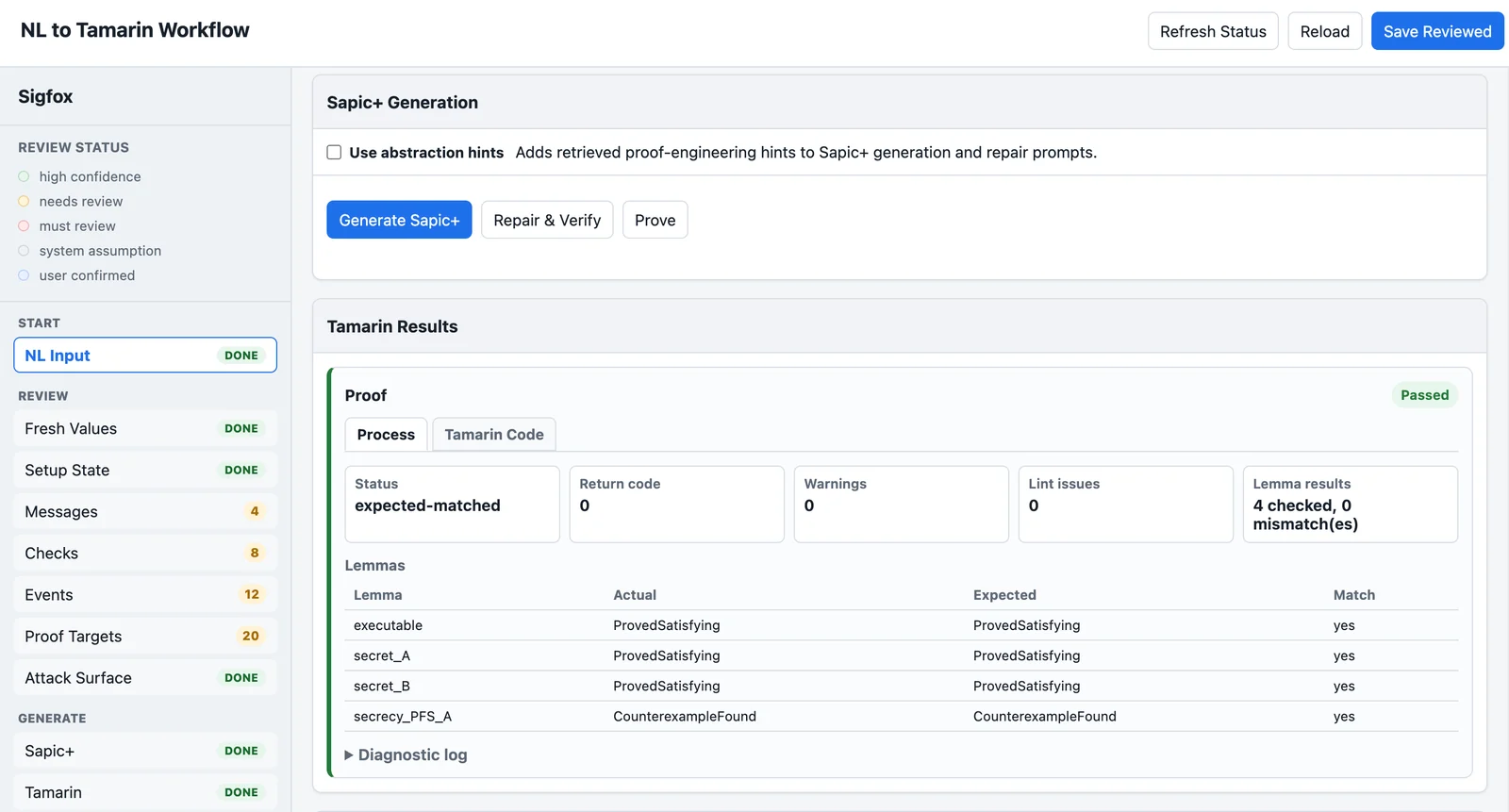 laplace1002/tamarinagent
Human-in-the-loop UI that converts natural-language or C/C++ protocol descriptions into a reviewable Protocol IR, then generates Sapic+/Tamarin…
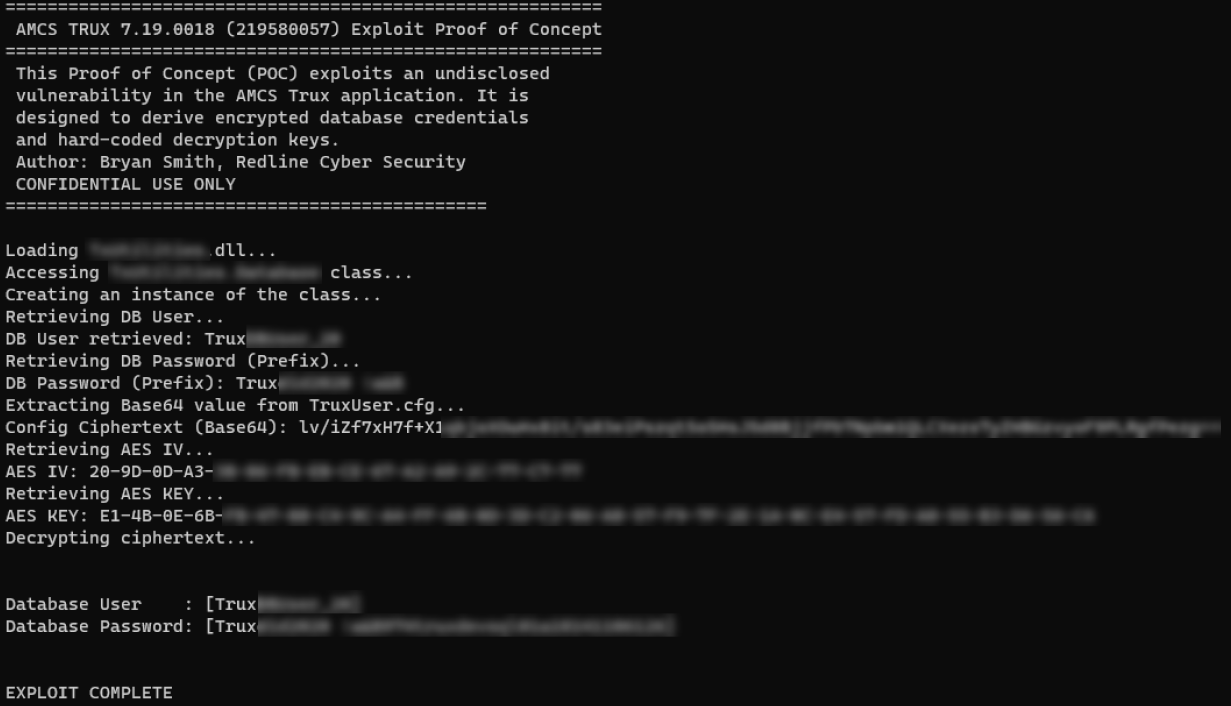 securekomodo/cve-2024-22734
Exploit POC for CVE-2024-22734 affecting AMCS Trux Software