
CDK
 cdk-team/cdk
📦 Make security testing of K8s, Docker, and Containerd easier.
cloud-securitycontainer-escapecontainer-security+7
cdk-team/cdk📦 Make security testing of K8s, Docker, and Containerd easier.
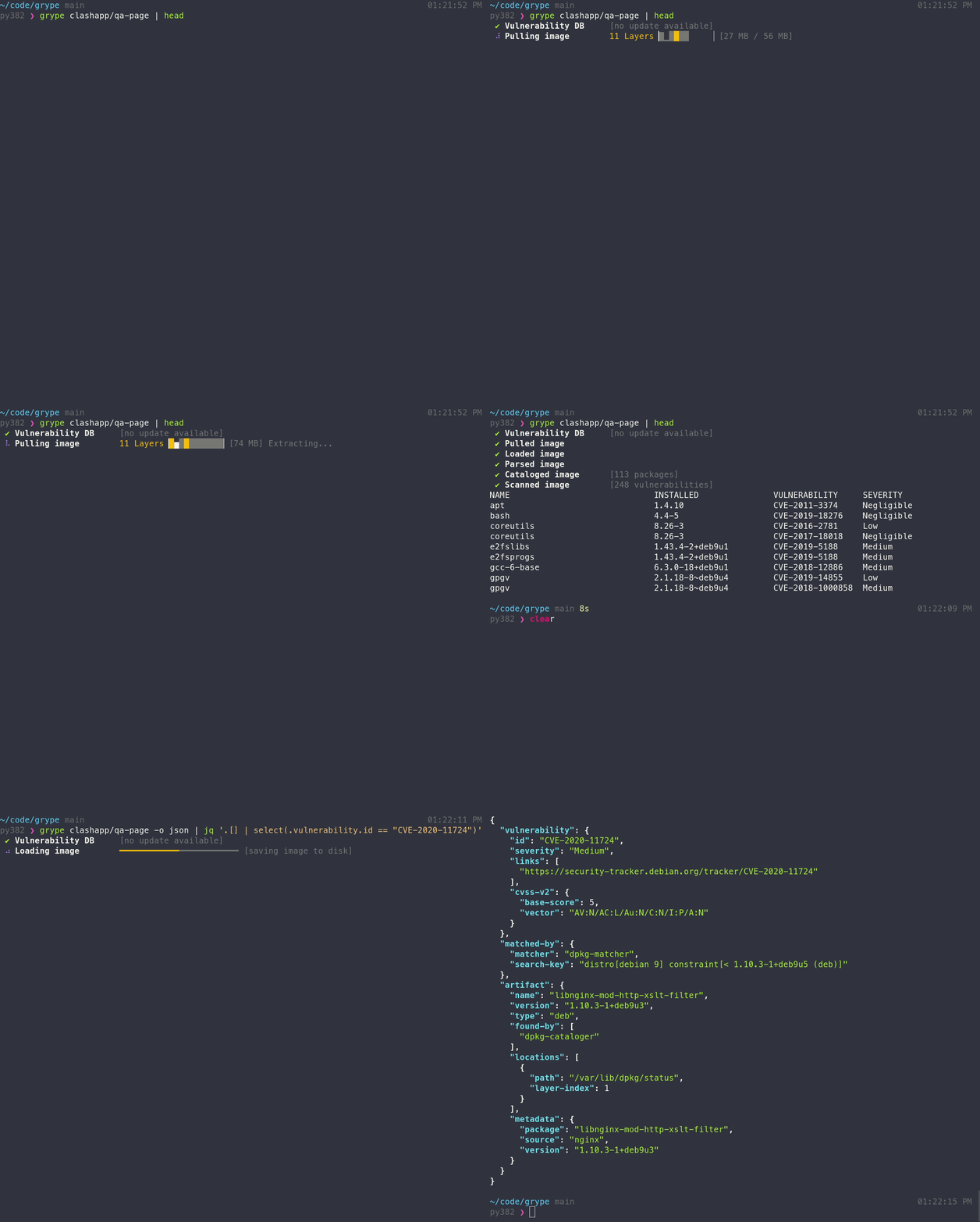 anchore/grype
A vulnerability scanner for container images and filesystems
 anchore/syft
CLI tool and library for generating a Software Bill of Materials from container images and filesystems
 liamg/traitor
:arrow_up: :skull_and_crossbones: :fire: Automatic Linux privesc via exploitation of low-hanging fruit e.g. gtfobins, pwnkit, dirty pipe, +w…
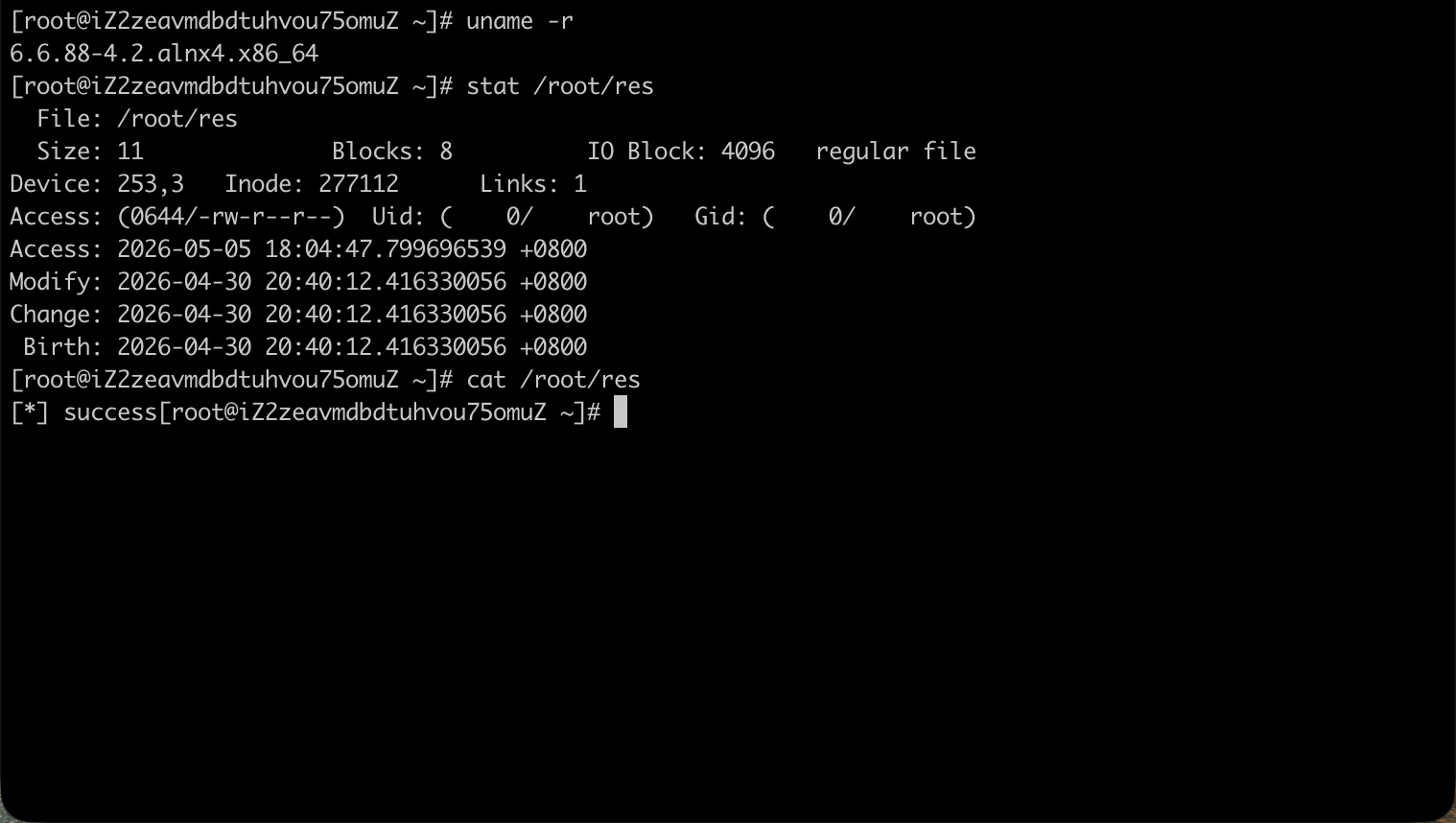 percivalll/copy-fail-cve-2026-31431-kubernetes-poc
PoC: fully unprivileged container escape to node-level code execution on Kubernetes via CVE-2026-31431 page-cache corruption + shared image layers.…
 veritas501/pipe-primitive
An exploit primitive in linux kernel inspired by DirtyPipe
 sgkdev/ipv6_frag_escape
Linux LPE - Reliable Jail/Container Escape
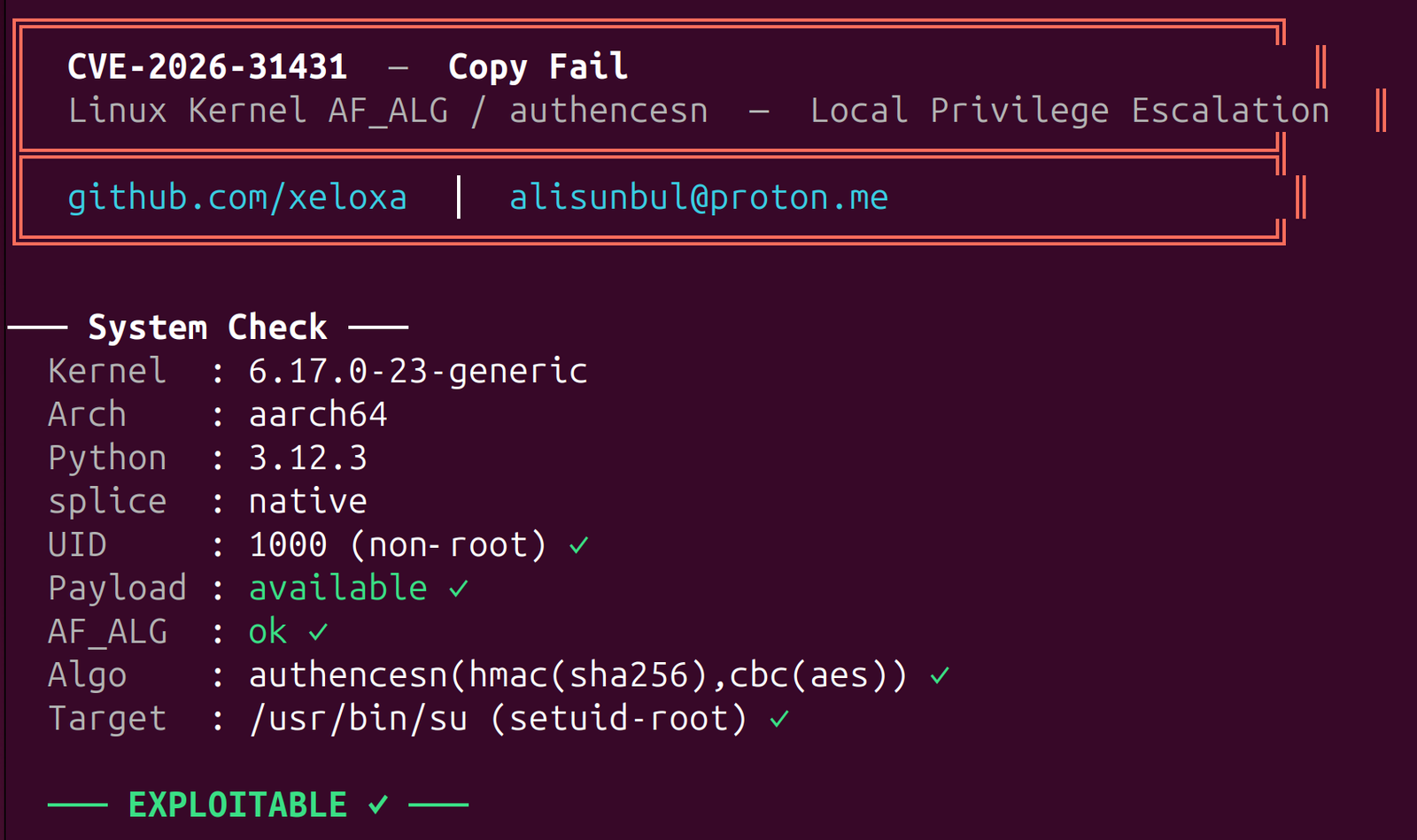 xeloxa/copyfail-exploit
Copy Fail (CVE-2026-31431) LPE exploit. A clean, multi-arch Python reimplementation targeting the Linux kernel AF_ALG page cache vulnerability.
 nccgroup/insject
insject is a tool for poking at containers. It enables you to run an arbitrary command in a container or any mix of Linux namespaces.
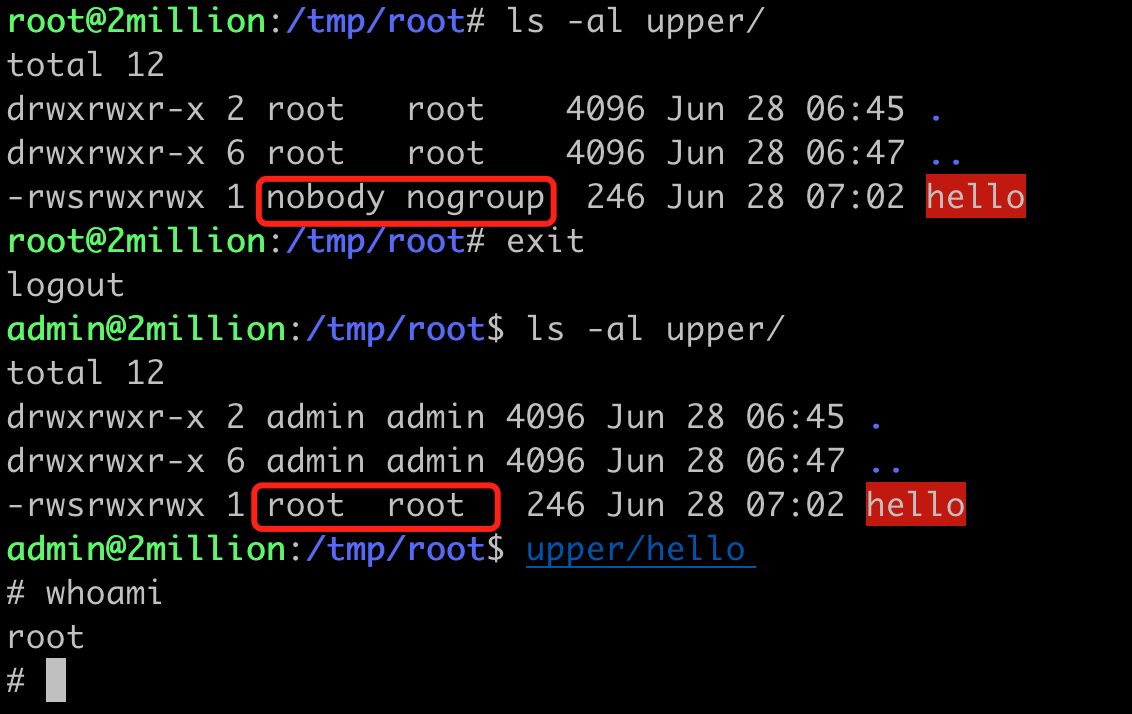 fanxiaoyao66/cve-2023-0386
非常简单的CVE-2023-0386's exp and analysis.Use c and sh.
 percivalll/dirty-frag-kubernetes-poc
Proof-of-concept demonstrating container escape on Amazon EKS by exploiting Dirty Frag (CVE-2026-43284) kernel page-cache corruption via shared image…
 zenzue/cve-2025-9074
Proof-of-concept exploit for CVE-2025-9074 demonstrating container-to-host file write via exposed Docker Engine API on Windows. For authorized…
 v0wkeep3r/cve-2024-21626-runcpoc
Proof-of-concept for CVE-2024-21626, a runc container escape vulnerability. Includes verification scripts, two exploitation methods (cron reverse…
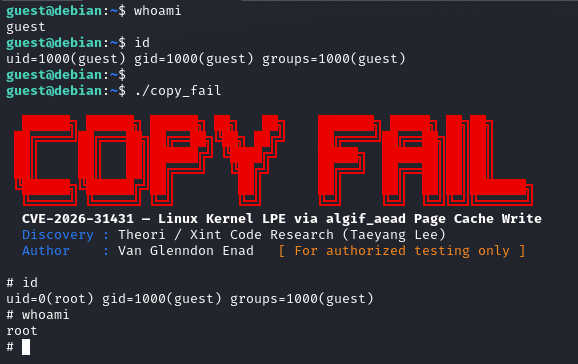 sl4ck0th/cve-2026-31431-poc
Proof-of-concept exploit for CVE-2026-31431, a Linux kernel local privilege escalation via AF_ALG page cache write, achieving root on major…
 ssst0n3/poc-cve-2024-0132
Proof-of-concept exploit for CVE-2024-0132 enabling container escape via NVIDIA container toolkit, allowing host filesystem access and Docker daemon…
 alicey0719/docker-poc_cve-2024-1086
Dockerized proof-of-concept for CVE-2024-1086, a Linux kernel privilege escalation exploit that grants root access via a crafted binary.

 wattocyber/offensive-one-liners
110 offensive-security one-liners for authorized testing and CTFs, grouped by category and kill-chain step.
 suominen/ipv6_frag_escape
Tracking IPV6_FRAG_ESCAPE (CVE-2026-53362, CVE-2026-53366), the IPv6 fragmentation container escape