
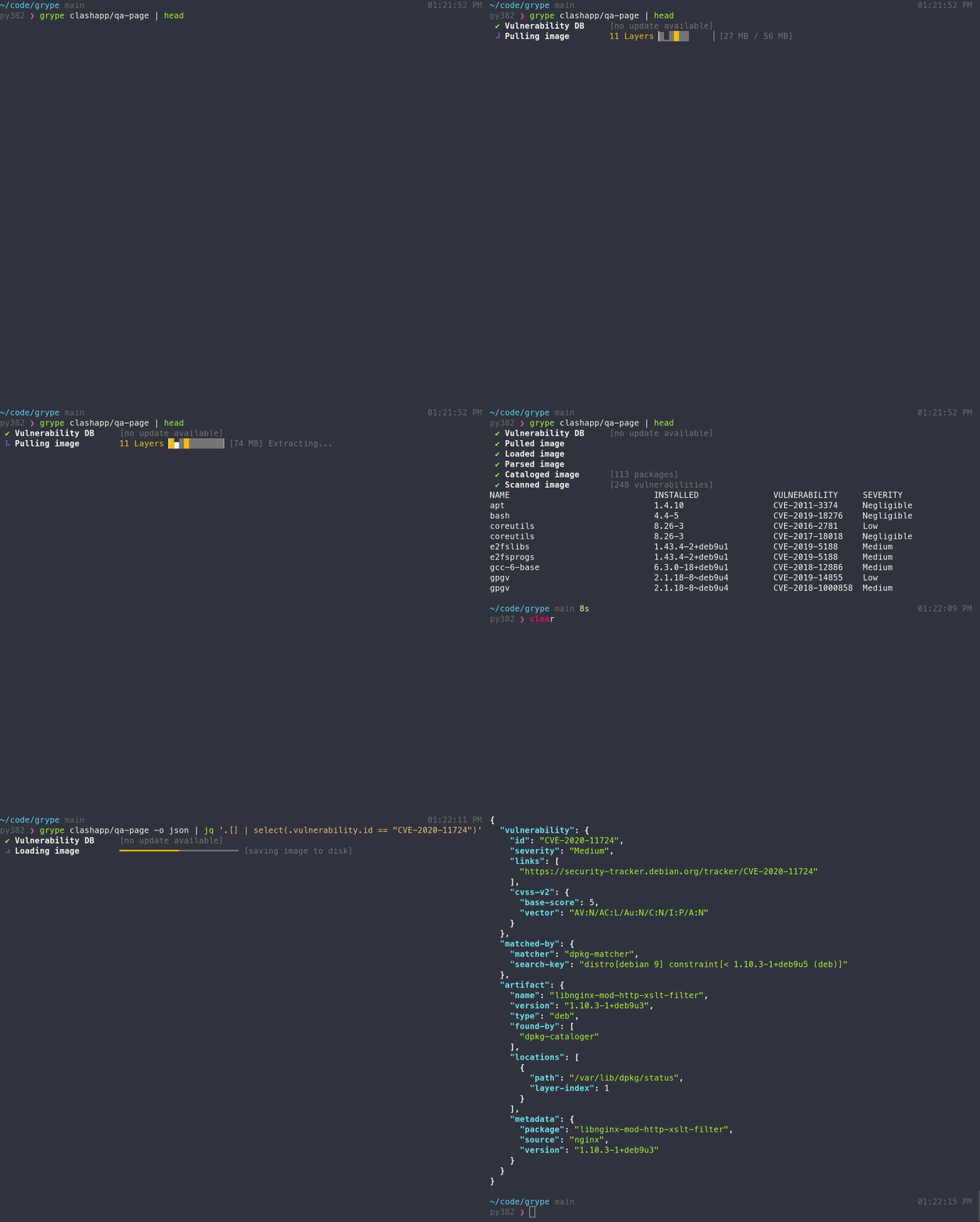
grype
 anchore/grype
A vulnerability scanner for container images and filesystems
container-escapecontainer-securitydevsecops+4
anchore/grypeA vulnerability scanner for container images and filesystems
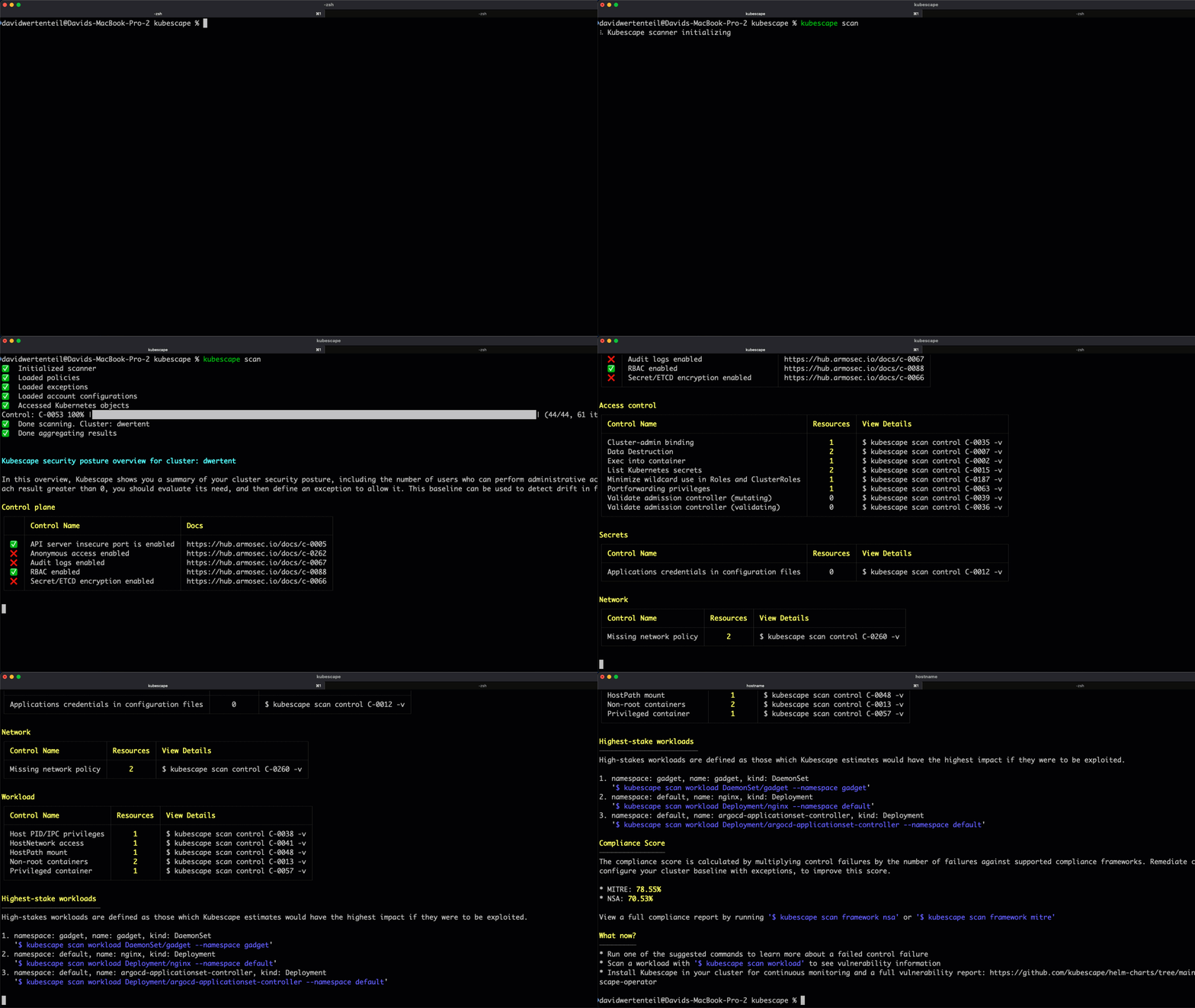 kubescape/kubescape
Open-source Kubernetes security platform scanning clusters, manifests, and images for misconfigurations, vulnerabilities, and compliance against NSA,…
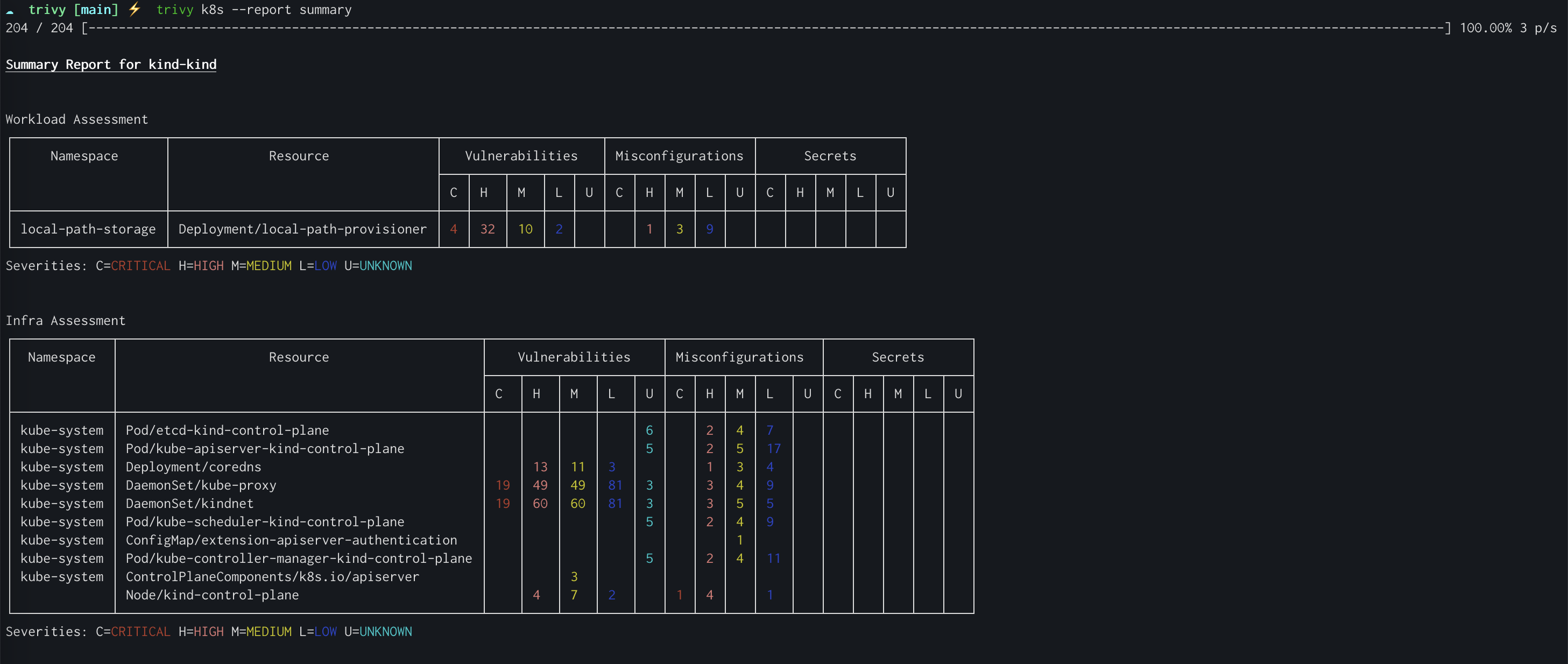 aquasecurity/trivy
Find vulnerabilities, misconfigurations, secrets, SBOM in containers, Kubernetes, code repositories, clouds and more
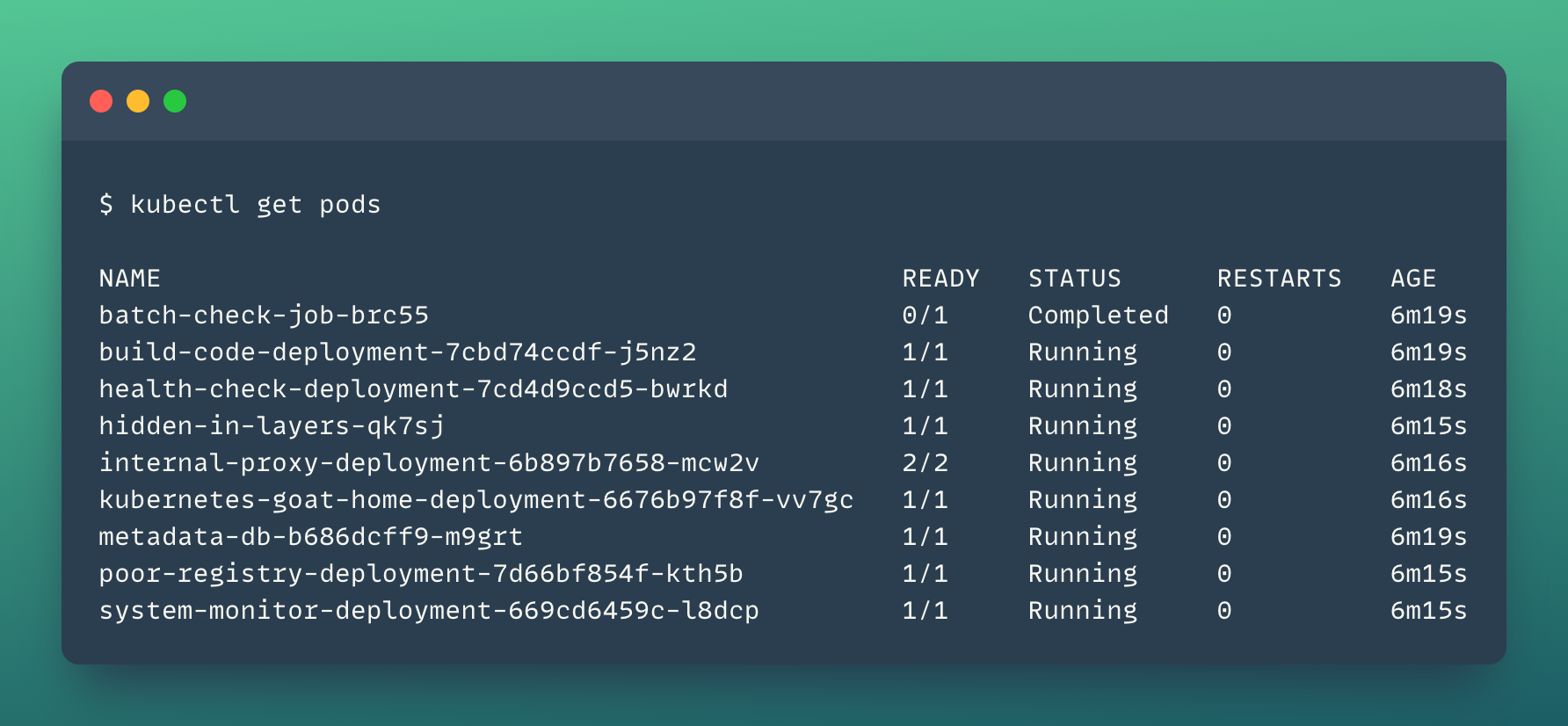 madhuakula/kubernetes-goat
Intentionally vulnerable Kubernetes cluster environment for hands-on security training. Includes 22+ scenarios covering container escape, RBAC…
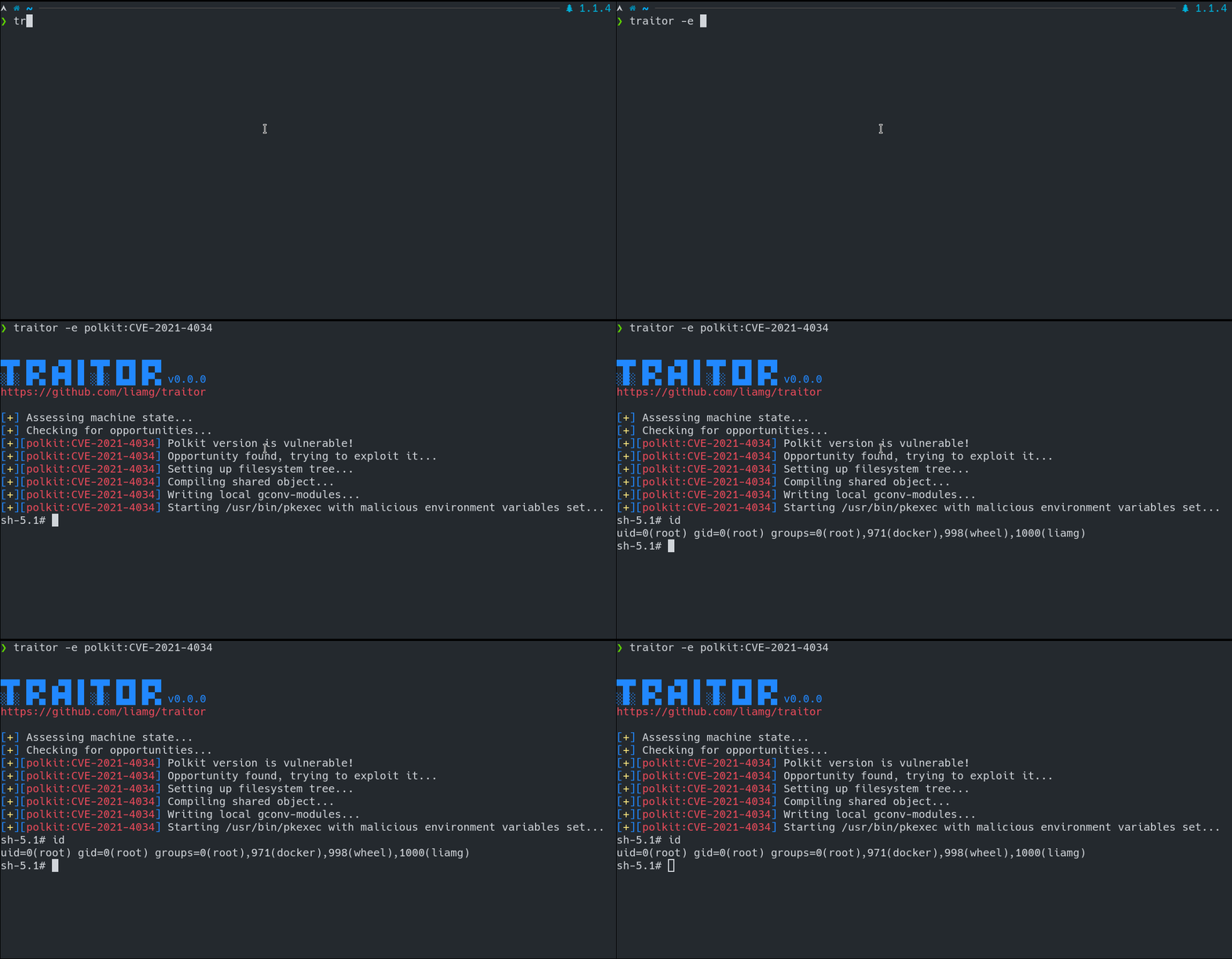 liamg/traitor
:arrow_up: :skull_and_crossbones: :fire: Automatic Linux privesc via exploitation of low-hanging fruit e.g. gtfobins, pwnkit, dirty pipe, +w…
 falcosecurity/falco
Real-time cloud-native runtime security agent for Linux that monitors syscalls and container/Kubernetes metadata to detect anomalous behavior and…
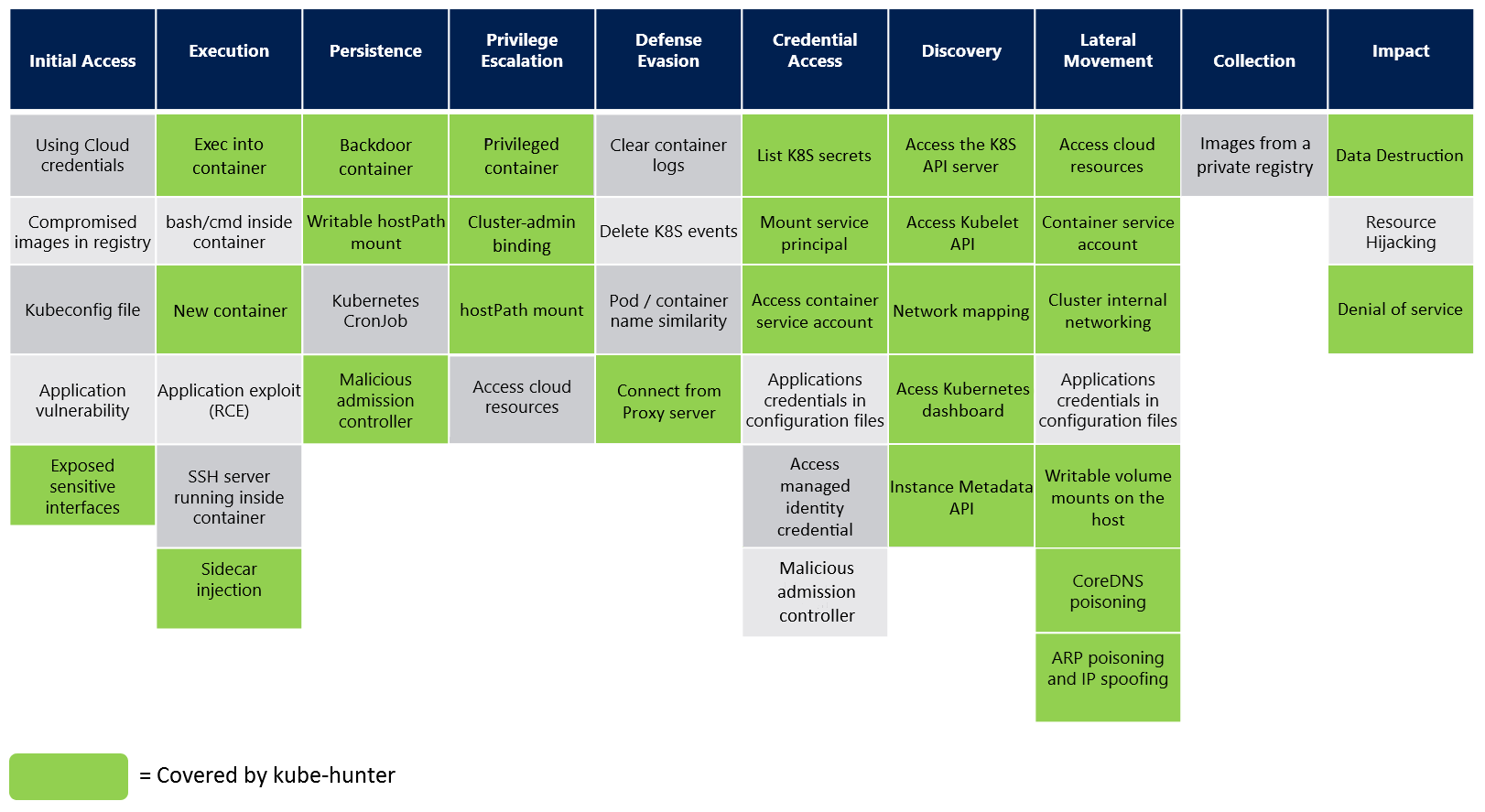 aquasecurity/kube-hunter
Hunt for security weaknesses in Kubernetes clusters
 secure-system/insular
Isolate your big brother apps https://secure-system.gitlab.io/Insular/
 kata-containers/kata-containers
Kata Containers is an open source project and community working to build a standard implementation of lightweight Virtual Machines (VMs) that feel…
 open-policy-agent/opa
Declarative policy engine that enables authorization and policy enforcement across services, Kubernetes, Terraform, Docker, and APIs using the Rego…
 google/gvisor
Sandboxes containers via a userspace application kernel that intercepts system calls, limits host kernel access, and integrates with…
 anchore/syft
CLI tool and library for generating a Software Bill of Materials from container images and filesystems
 agppp/cve-2019-5736-poc
getshell test
 cdk-team/cdk
📦 Make security testing of K8s, Docker, and Containerd easier.
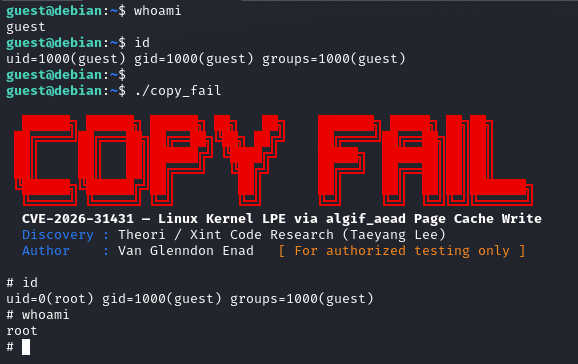 sl4ck0th/cve-2026-31431-poc
Proof-of-concept exploit for CVE-2026-31431, a Linux kernel local privilege escalation via AF_ALG page cache write, achieving root on major…
 markakd/container_escape
Container escape proof-of-concept exploits for CVE-2026-80521 and CVE-2026-52910, with a disposable QEMU/Ubuntu VM harness for safe PoC execution.
 stackrox/kube-linter
KubeLinter is a static analysis tool that checks Kubernetes YAML files and Helm charts to ensure the applications represented in them adhere to best…
 fairwindsops/polaris
Validation of best practices in your Kubernetes clusters