
CVE-2017-0541
 likekabin/cve-2017-0541
Proof-of-concept and vulnerability analysis for CVE-2017-0541, demonstrating exploitation techniques and binary-level impact assessment.
binary-analysisexploitationinformation-gathering+2
likekabin/cve-2017-0541Proof-of-concept and vulnerability analysis for CVE-2017-0541, demonstrating exploitation techniques and binary-level impact assessment.
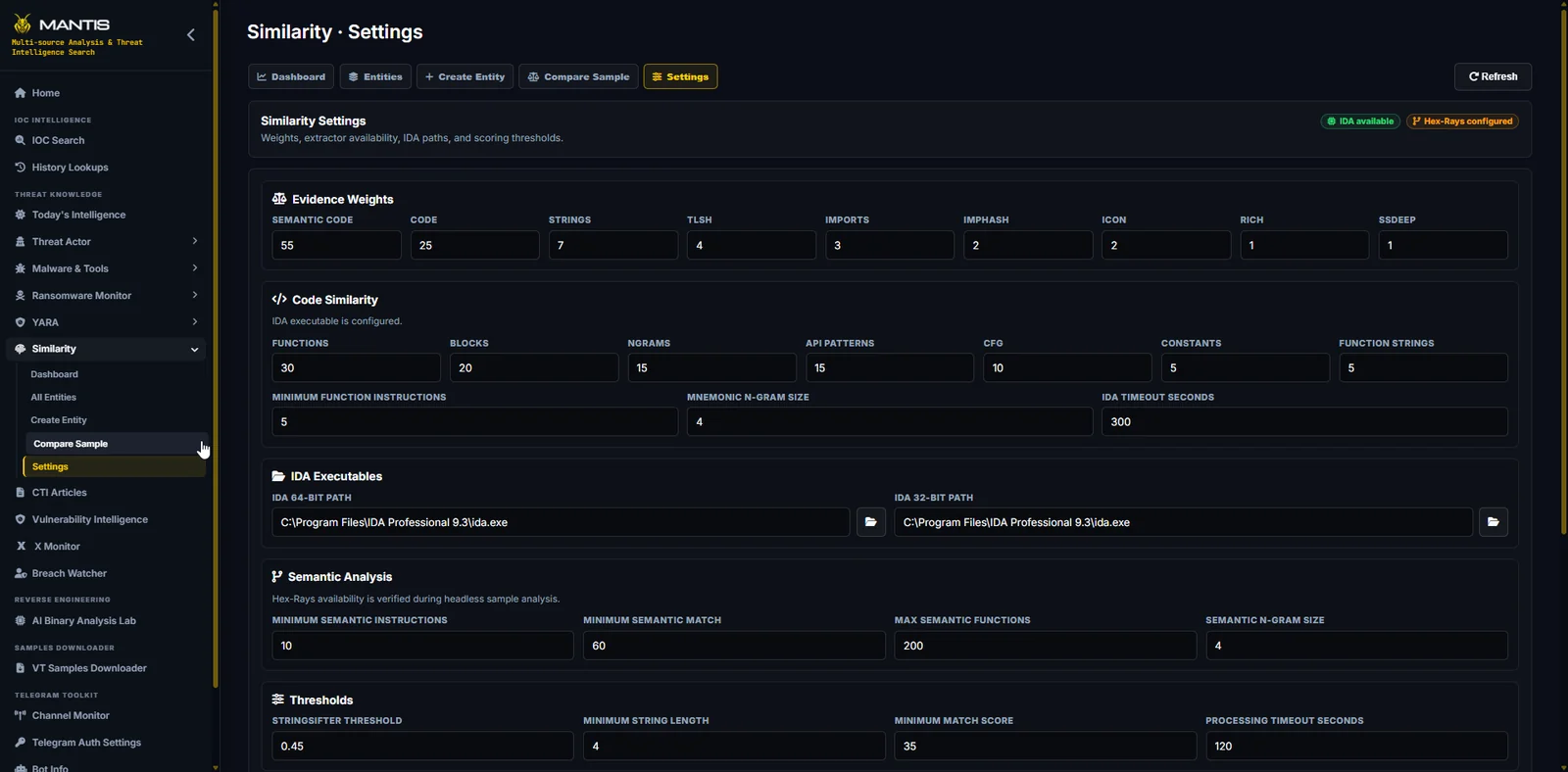 fareedfauzi/mantis
Multi-Sources Analysis & Threat Intelligence Search
 talha-nazeef-ahmed/rpc-triage
A zero-symbol static analysis engine that extracts and mathematically ranks the Windows RPC attack surface using an AHP-based risk model.
 uzair-baig0900/cve-2026-20805-poc
The PoC of information disclosure in Microsoft Desktop Windows Management.
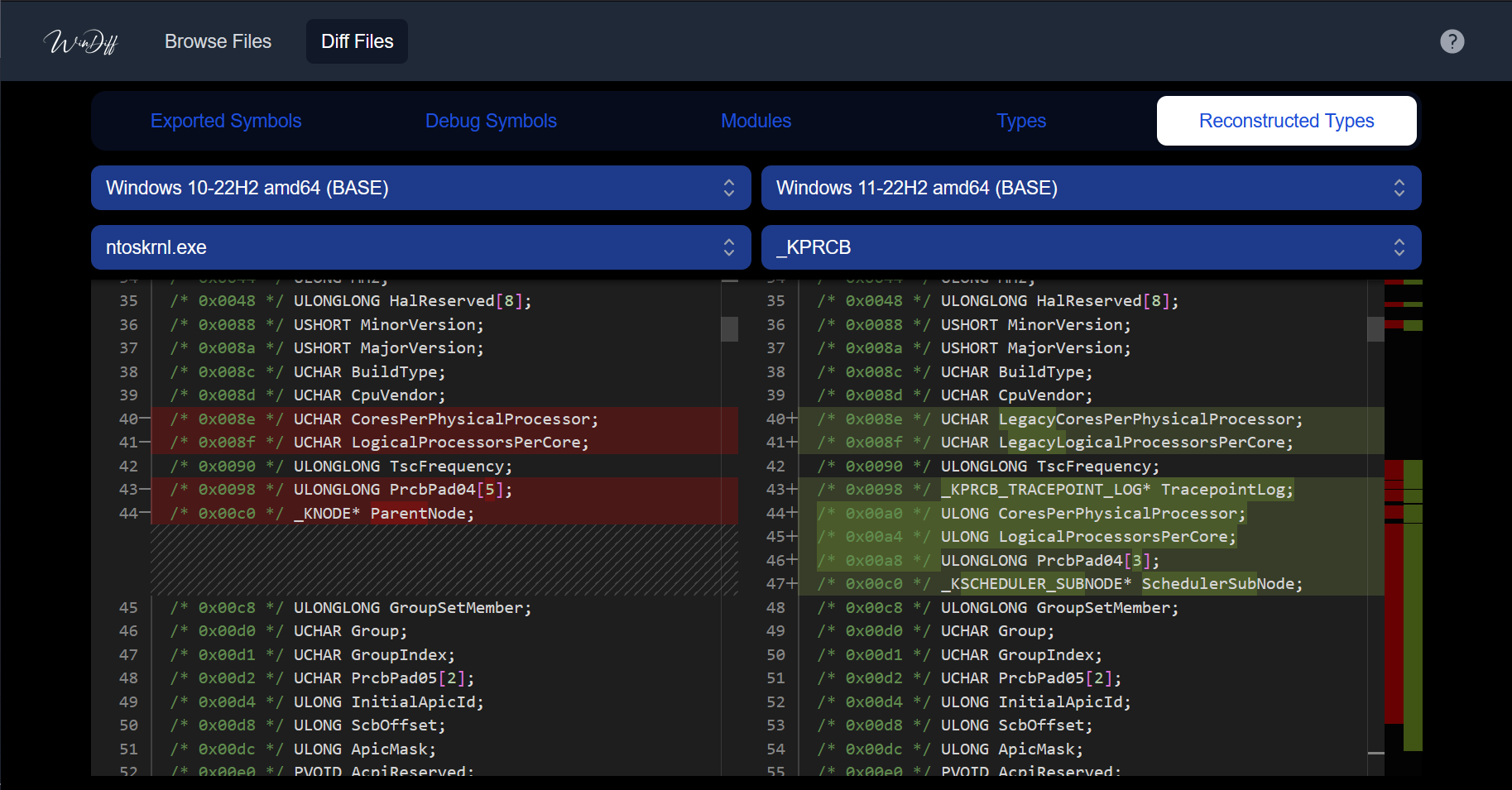 ergrelet/windiff
Tool that allows comparing symbol, type and syscall information of Microsoft Windows binaries across different versions of the OS, using a Web UI…
 jthuraisamy/dirt
Driver Initial Reconnaissance Tool
 farazsth98/freebsd-dirent-info-leak-bugs
CVE-2020-25578 and CVE-2020-25579: Some FreeBSD info leak bugs I found in 2020.
 sandi-go/cve-2018-15968
Technical disclosure of CVE-2018-15968: an out-of-bounds read vulnerability in Adobe Reader's PDF parsing, enabling information disclosure and…
 kikiuuw/cve-2025-68921
Analyze and demonstrate the local privilege escalation vulnerability (CVE-2025-68921) in Nahimic audio software on gaming laptops, with automated…
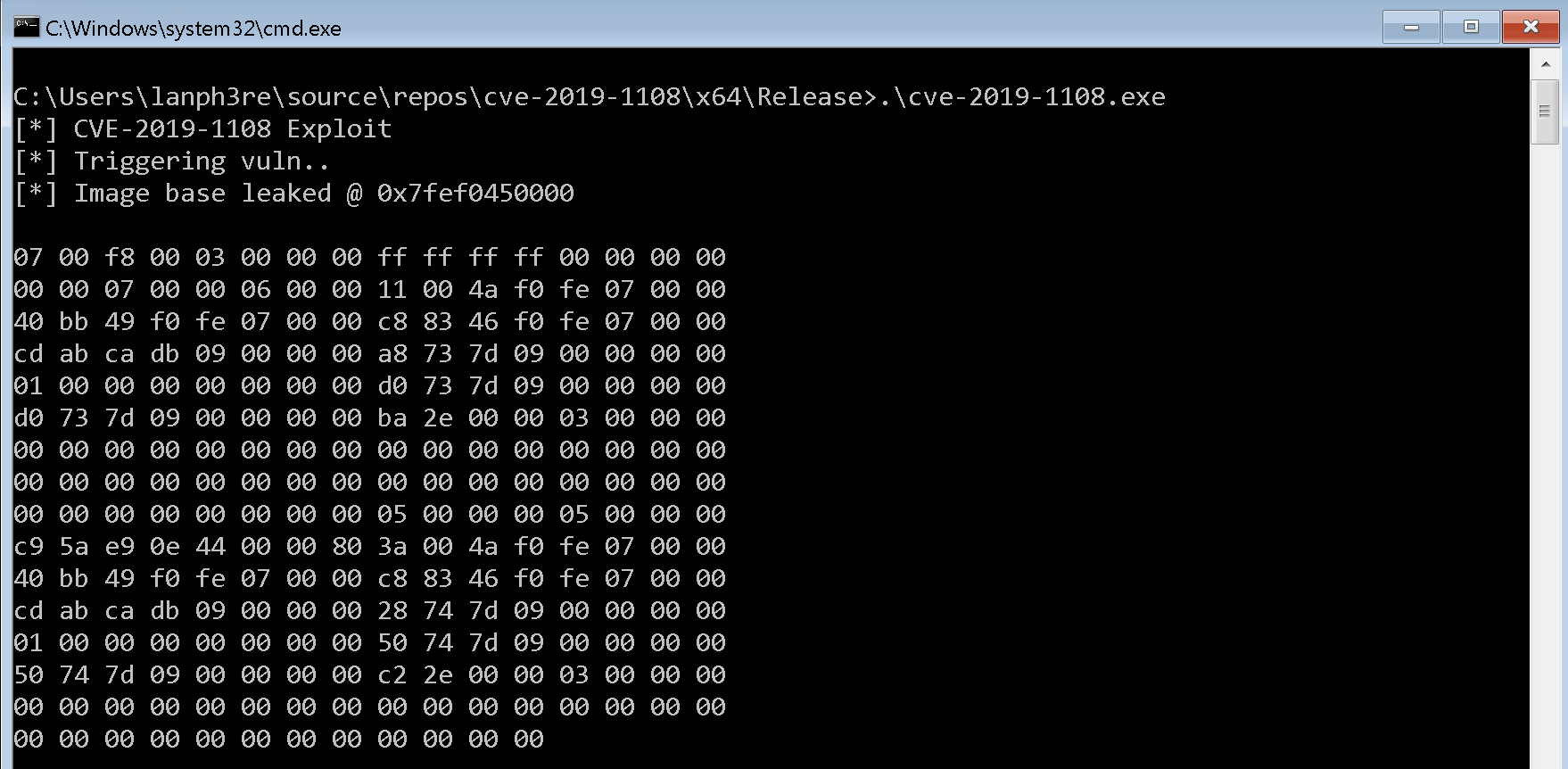 lanph3re/cve-2019-1108
Proof-of-concept exploit for CVE-2019-1108, an RDP client information disclosure vulnerability that leaks memory contents via specially crafted…
 waleedassar/cve-2021-1656
Proof-of-concept exploit for CVE-2021-1656, an information disclosure vulnerability in the Windows TPM driver (tpm.sys). Demonstrates kernel memory…
 spiralbl0ck/cve-2024-24684
Crash File ( Poc for CVE-2024-24684)
 maldiohead/cve-2019-8540
Kernel Stack info leak at exportObjectToClient function
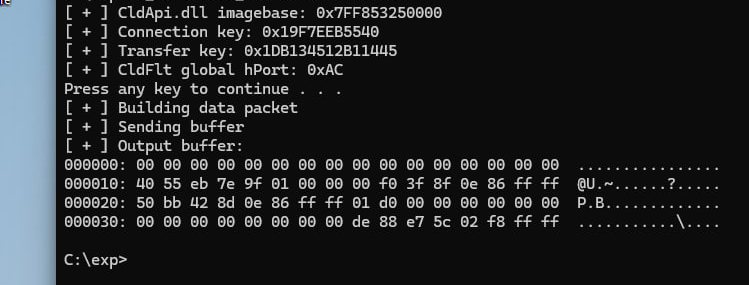 crackercat/cve-2024-26160
cldflt.sys information disclosure vulnerability (KB5034765 - KB5035853, Win 11).
 tamatahyt/cve-2017-8481
Exploit code for CVE-2017-8481, a Windows privilege escalation vulnerability.
 gtgalaxi/electronvulnerableversion
Find Electron Apps Vulnerable to CVE-2023-4863 / CVE-2023-5129
 sandi-go/ps-2017-13---cve-2018-9950
Proof-of-concept for CVE-2018-9950, an out-of-bounds read vulnerability in Foxit Reader/PhantomPDF leading to information disclosure and potential…
 dgkim-dong/cve-2024-38041
Kernel pointers copied to output user mode buffer with ioctl 0x22A014 in the appid.sys driver.