 zero-day348/cve-2025-65442-dom-based-cross-site-scripting-xss-vulnerability-in-novel-v3.5.0-cwe-79-
DOM-based Cross-Site Scripting (XSS) Vulnerability in novel V3.5.0 (CWE-79)

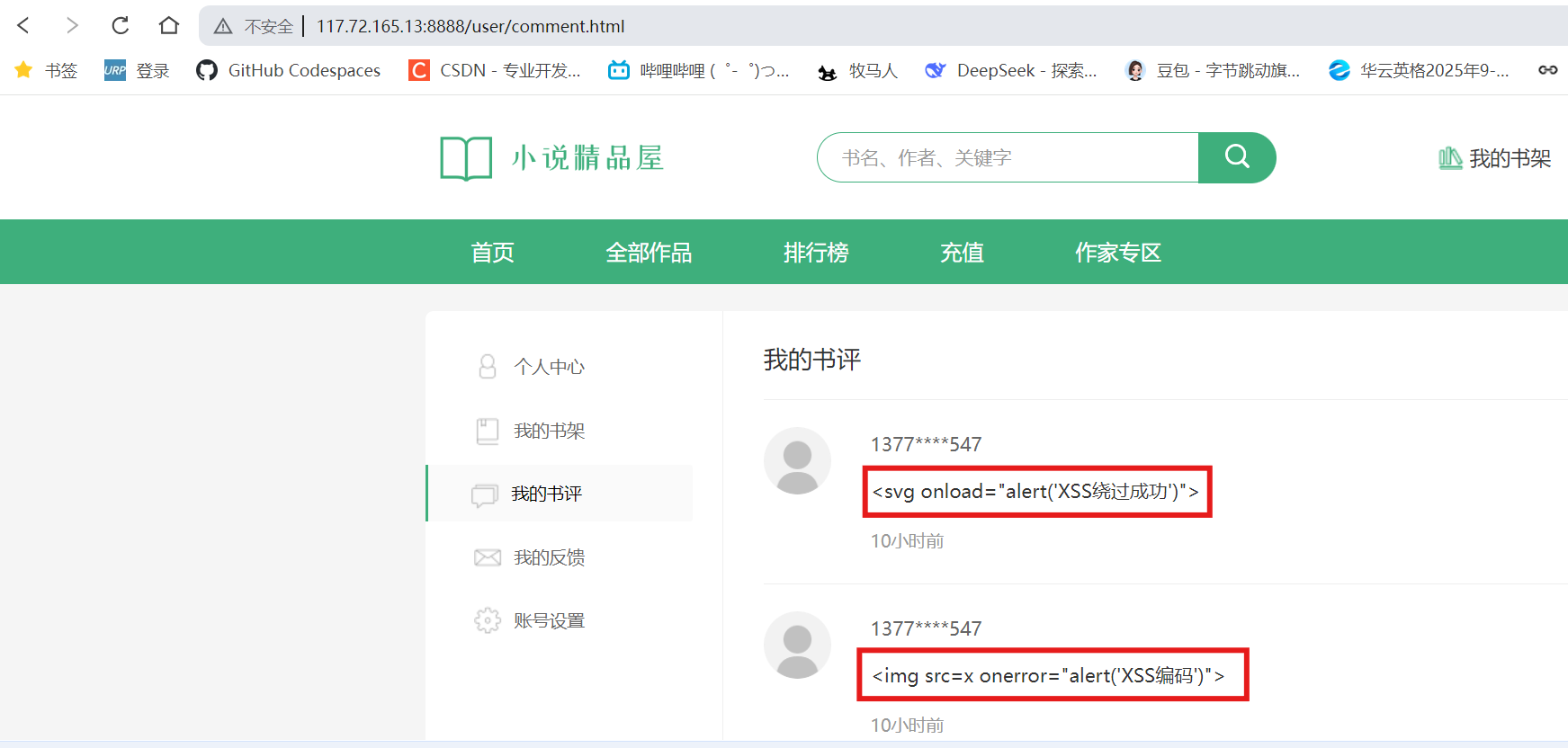
novel (V3.5.0), a Spring Boot 3 + Vue 3-based novel reading platform, has a DOM-based XSS vulnerability in its book comment module. The flaw lies in inadequate validation/encoding of user-submitted comment content: Back-end: The commentContent field (in BookComment entity/DTO) is stored in the database and returned via API without filtering malicious HTML/JS code; Front-end: The platform retrieves unencoded comments, stores them in window.localStorage (key: book_comment_{bookId}), and renders the data directly into the DOM via Vue 3’s v-html (no sanitization). Attackers can submit malicious comments (after logging in), induce users to access affected pages, and trigger code execution to steal session cookies, impersonate identities, or tamper with page content.
Target version: novel V3.5.0 Environment: Chrome/Firefox, legitimate user account (login required) Affected URL: Novel detail page (http://117.72.165.13:8888/book/detail.html?id={bookId}) and comment list page (http://117.72.165.13:8888/book/comment-{bookId}.html)
The vulnerability is triggered in the book comment module (core business logic):
Backend: The commentContent field in the BookComment entity/DTO is stored in the book_comment database table and returned via the comment list API (/api/book/comment/list?bookId={bookId}) without filtering malicious HTML/JS code.
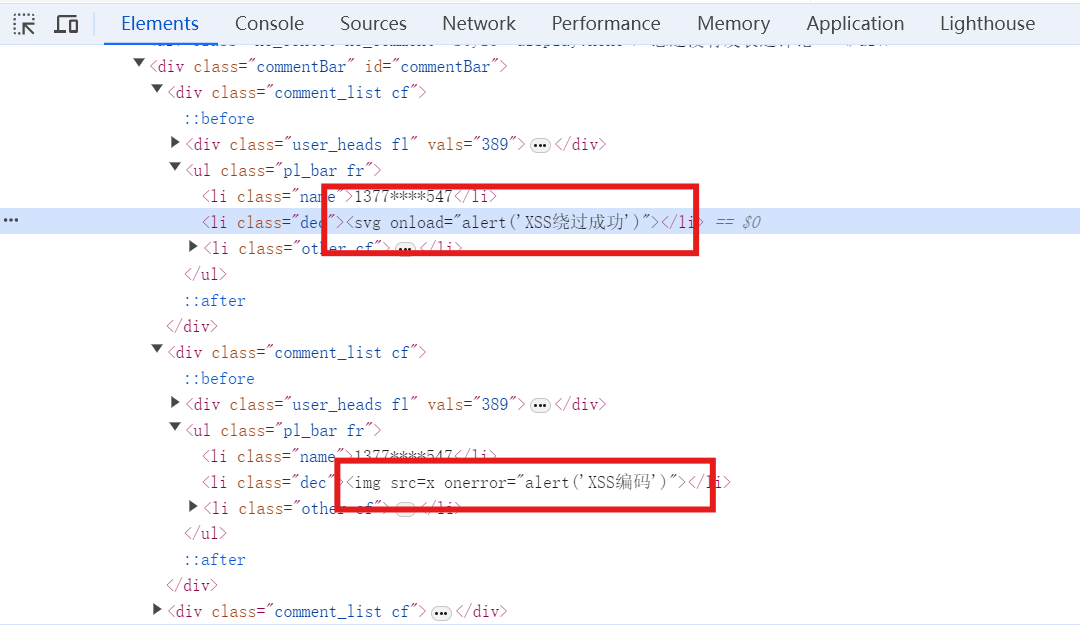
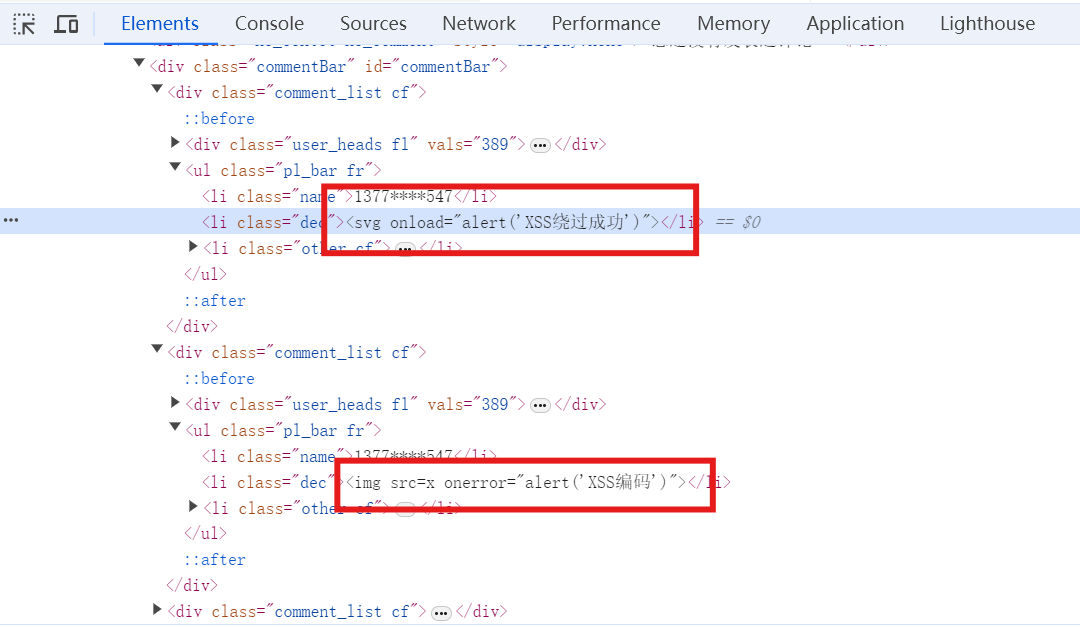
Frontend: The page retrieves unencoded comment content from the API, stores it in window.localStorage (key: book_comment_{bookId}, e.g., book_comment_37 for book ID 37), and renders the data directly into the DOM via Vue 3’s v-html directive (inserted into <li class="dec"> tag) without sanitization.
http://117.72.165.13:8888/book/1935650139770011648/1984484631582167040.html?switch=on&wvstest=<svg onload="alert('DOM-XSS-Test')">
(The page will store the value of the wvstest parameter into window.localStorage)
localStorage.setItem('book_comment_37', '');
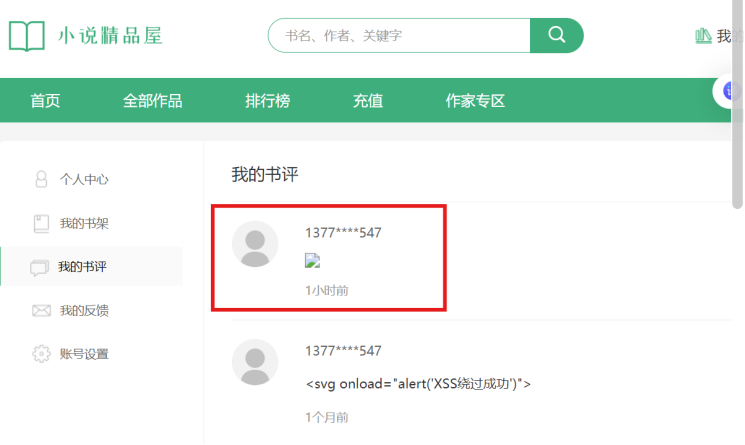
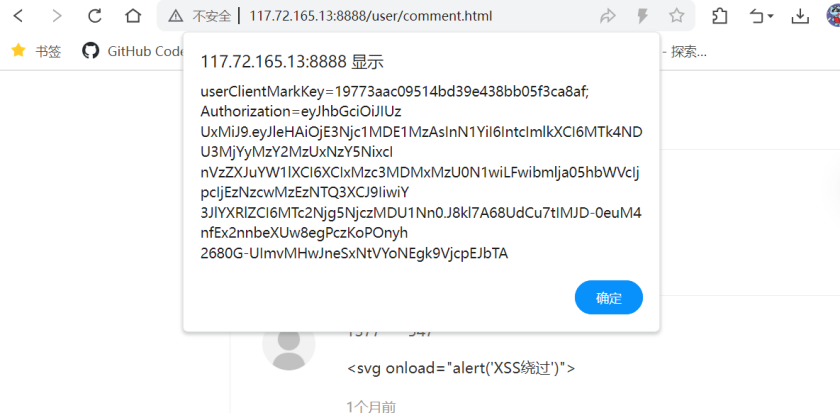
Access http://117.72.165.13:8888/user/login.html, log in with a legitimate account, and navigate to the novel detail page.
Locate the comment textarea (id="txtComment") on the page, input the malicious payload (). Click the "Submit" button to trigger the BookDetail.SaveComment(37, 0, payload) method (37 is the bookId).
Refresh the novel detail page; the front-end calls /api/book/comment/list?bookId=37 to retrieve the malicious comment, and stores it in window.localStorage (key: book_comment_37).
Observe the page pops up a window displaying the user’s session cookie (confirm malicious code execution).
Press F12 to open Developer Tools Switch to 「Elements」 panel, search for in the DOM structure (confirm the payload is inserted into<liclass="dec">tag).