
Skip to content
KitploitKITPLOIT
ToolsBlog
Submit
ToolsBlog
Submit

Hacking, PenTest, and Cybersecurity Tools for Your Security Arsenal!

Kitploit is a directory of hacking, cybersecurity, and pentesting tools. Discover the latest project updates to find vulnerabilities, analyze systems, automate testing, and strengthen your security.

··Feeds·Contact·Privacy·© 2026 Kitploit

Tool Directory

Categories

View all categories
Loading categories
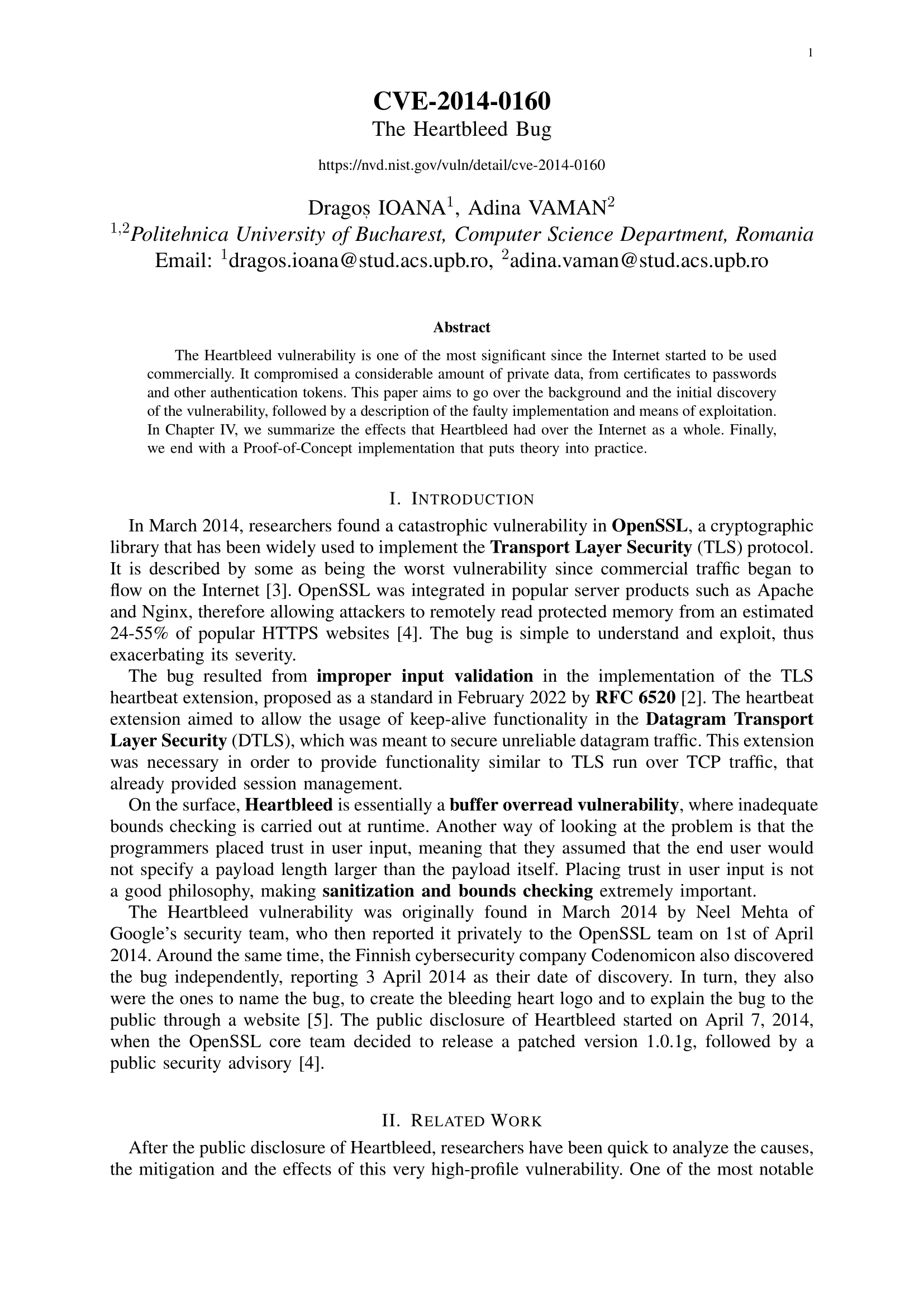
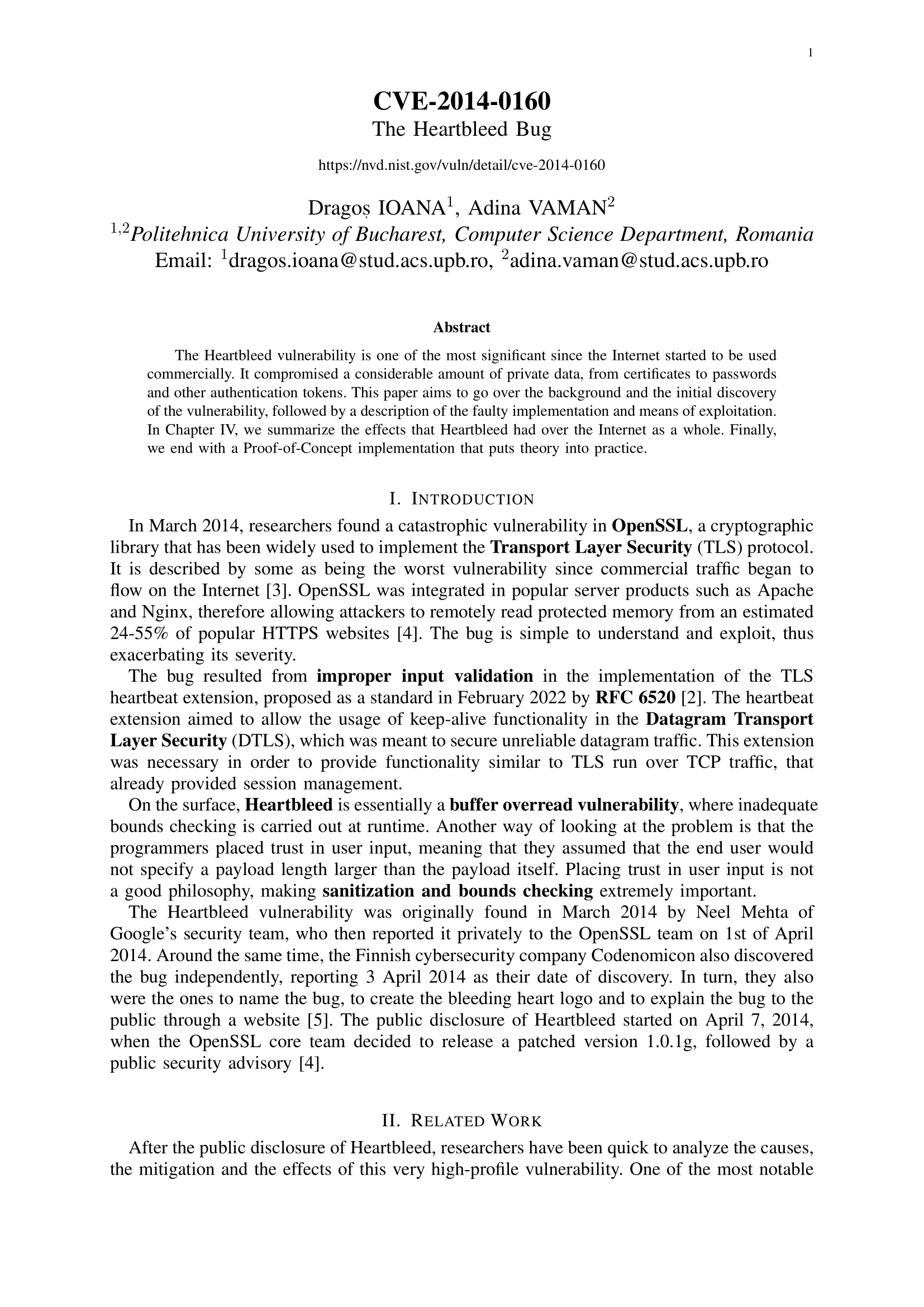
heartbleed-proof-of-concept — Proof of concept for exploiting the Heartbeat Extension bug detailed in the CVE-2014-0160. 🗝️ 🔓 | Kitploit
Tools/GitHubGitHub/undacmic/heartbleed-proof-of-concept
Vulnerability AnalysisExploitationPenetration TestingPapers & ResearchLearning & Education
GitHubundacmic/heartbleed-proof-of-concept

heartbleed-proof-of-concept

Proof of concept for exploiting the Heartbeat Extension bug detailed in the CVE-2014-0160. 🗝️ 🔓

View Repository

Most Popular

View all →

Discover the most used tools by our community.

Explore all tools

Browse our collection of tools

View all tools →
Share
53 years agoNot yet reviewed

Heartbleed (CVE-2014-0160)

Setup

You will require docker in order to perform the setup. The exploit, dynamically generates the random bytes from the Client Hello message, therefore you will need to link the library when building the executable. The required package to be installed, in order to link properly:

root@kitploit:~
sudo apt-get install libssl-dev

The tool was tested on Docker for Desktop - Version: 20.10.21 with WSL 2.

The steps to reproduce the vulnerability are:

  1. Vulnerable server initialization
root@kitploit:~
cd server-image/
docker build -t <image_name> .
docker run -d -p <port>:443 --name <name> <image_name>
  1. Starting the script
root@kitploit:~
cd ..
gcc -o heartbleed heartbleed.c -lcrypto
./heartbleed <ip> <port>

You do need to specify the correct port.

Heartbleed Leak of 65535 bytes

Preview

ThesisPresentation
Article previewPresentation preview
Download Tool