
 rezilion/mi-x
Determine whether your compute is truly vulnerable to a specific vulnerability by accounting for all factors which affect *actual* exploitability (runtime execution, configuration, permissions, existence of a mitigation, OS, etc..)






Author: 2022 - Now, Rezilion
Description: Vulnerabilities validation
Development: January 2022 - Now
Documentation: See website, README
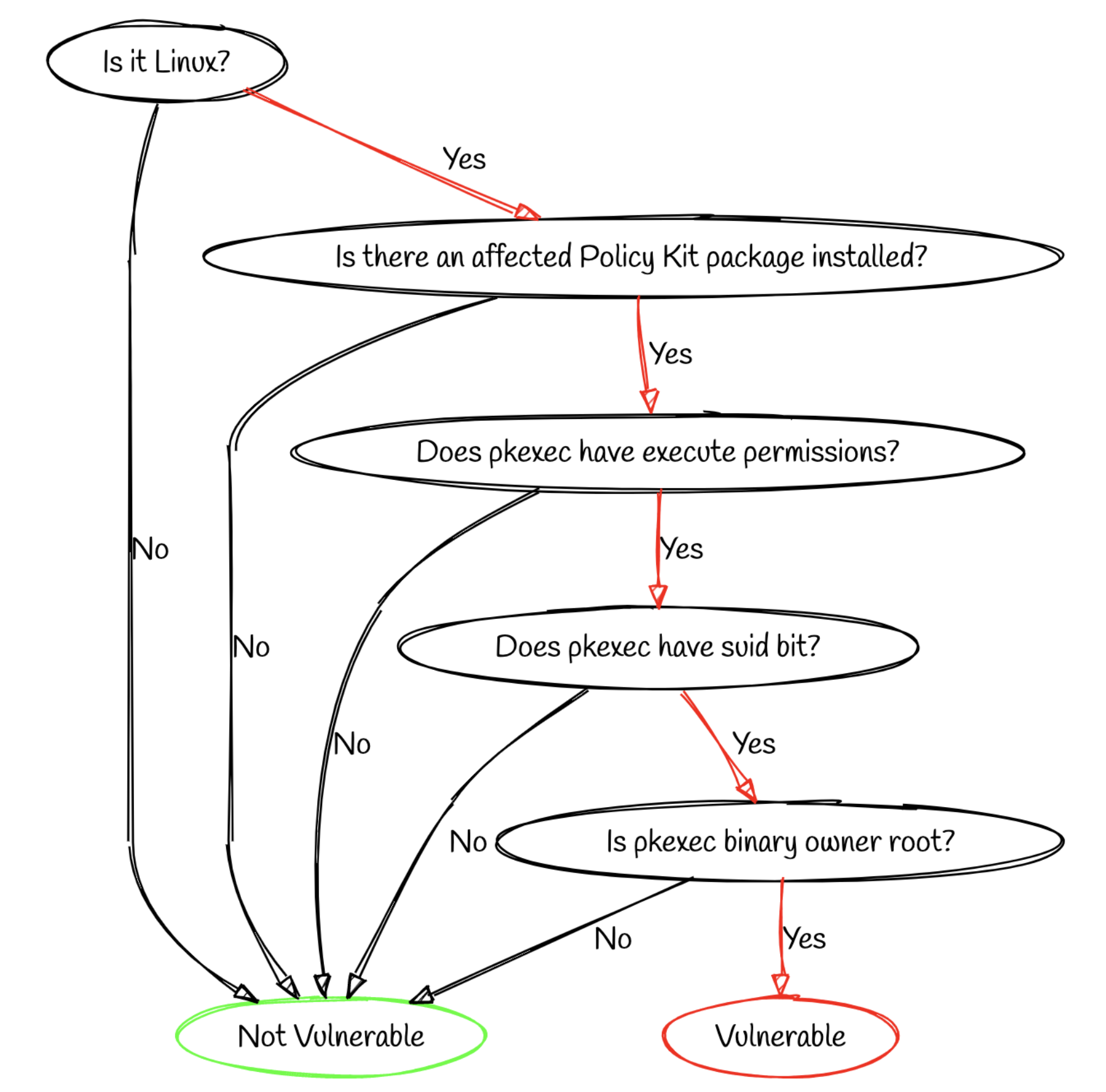
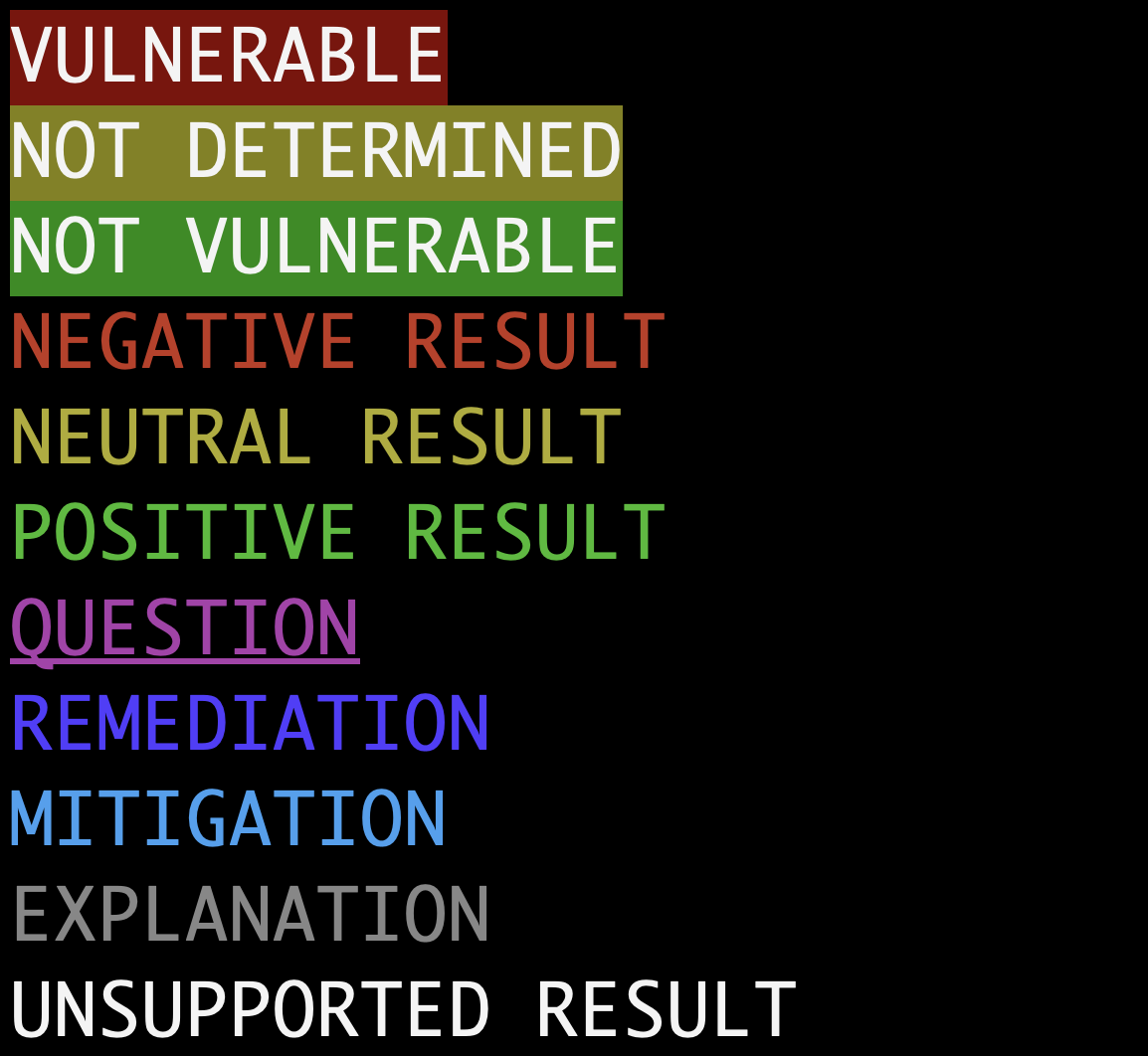
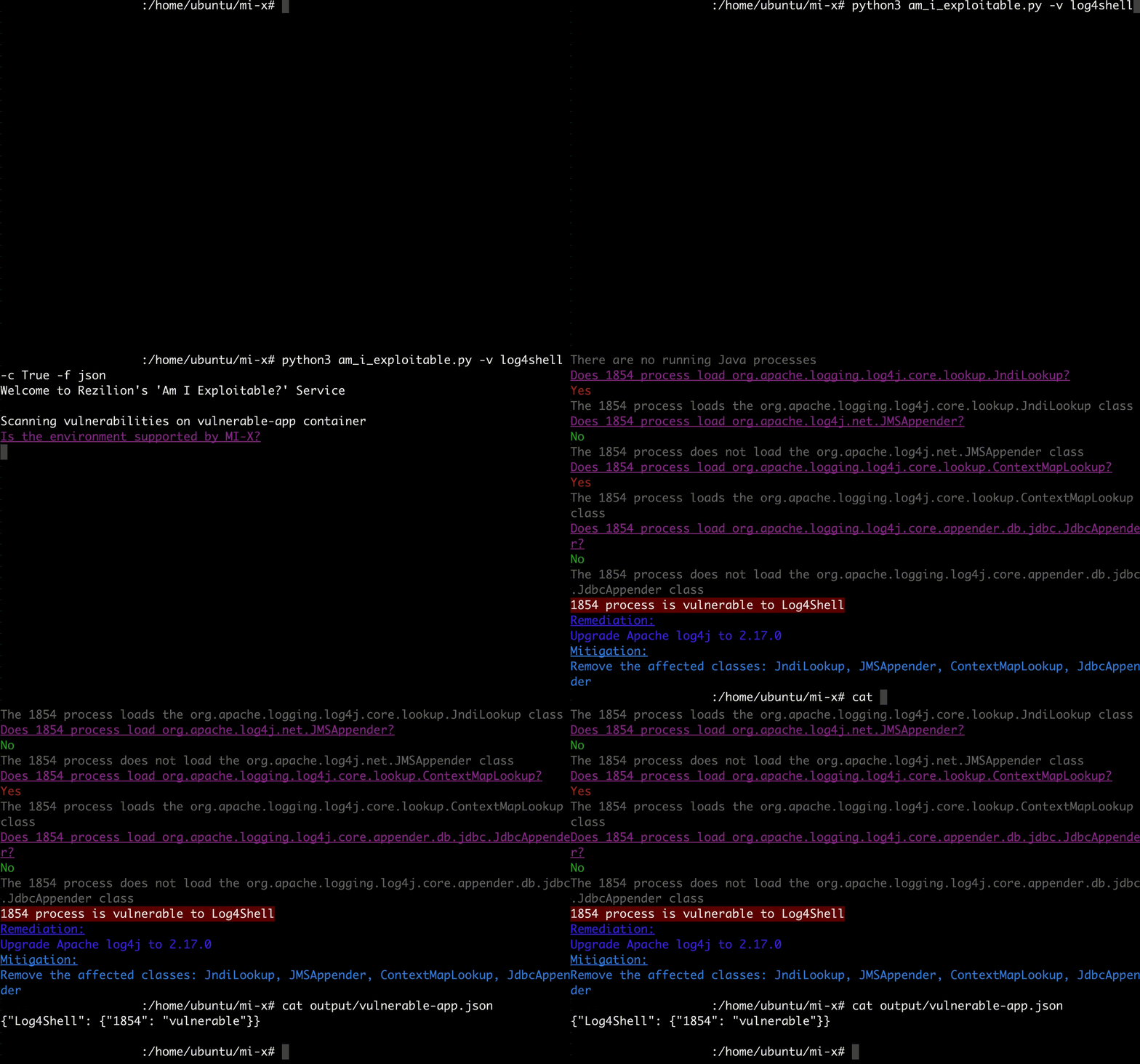
‘Am I Exploitable?’ is a python open source project that comes to meet the need of validating if your system is exploitable to specific vulnerabilities. The project can help you understand whether you are exploitable to a specific vulnerability and explain to you what is the vulnerable component or invulnerable component in your system. The project can create a graph that presents the validation flow according to the vulnerability checks we perform. MI-X supports machine-readable output. The results can be exported to three different file formats: json, csv and text. After executing the tool, you will see the validation flow - it will print out which checks were performed on the host/container followed by remediation and mitigation recommendations. We want to create a community of researchers and programmers that can add vulnerability checks for new vulnerabilities or critical or famous vulnerabilities. Whenever a new vulnerability comes up, we can offer this service that helps people validate if they are exploitable or not. In addition, the vulnerabilities checks we wrote so far, can be expanded with some checks we might have missed.
An example flow graph for CVE-2021-4034 (aka PwnKit):
Everyone is free to use 'Am I Exploitable?' under the conditions of the AGPL-3.0 License (see LICENSE file).
am_i_exploitable.py - The main file which handles the user input and the CVEs calls.cves - Python package that contains a python file for each currently supported vulnerability.modules - Python package that contains modules.
Modules are code implementations which are used in different CVE files.The tool supports the following Linux distributions:
Ubuntu, Debian, Red Hat, Centos, Fedora, SUSE, SLES, Amazon
Partial support for Alpine
Partial support for Windows
Before installing MI-X, make sure your machine has the following:
openjdk10)In order to install the requirements:
Check your os distribution you can use the following command:
cat /etc/os-release
Understand which package manager your os distribution is using:
apt - Ubuntu, Debian
yum - Red Hat, CentOS, Fedora, SUSE, SLES, Amazon
apk - Alpine
Install the relevant packages using your os distribution package manager
In order to execute MI-X correctly, you have to install graphviz and packaging python modules requirement using pip:
pip install -r requirements.txt
The very latest developments can be obtained via git.
git clone https://github.com/Rezilion/mi-x.git
cd mi-x && python3 am_i_exploitable.py
Scanning command template
python3 am_i_exploitable.py -v cve_yyyy_xxxx -c True -g True -f json
Scan the machine running containers for log4shell.
python3 am_i_exploitable.py -v log4shell -c True -f json
Specifies the vulnerability that will be checked (Not set by default).
Syntax:
If the argument is not set, a menu message will appear presenting the currently supported vulnerabilities.
Scans all running containers on the host (False by default).
Scans specific containers on the host by inserting running containers names seperated by spaces (Not set by default).
Exports the results to one of three possible output formats: json, csv, text
Specifies whether to see the vulnerability description or not (True by default).
Specifies whether to see the validation flowchart (False by default).
Help to understand how to run the code
Found an issue, or have a great idea? Let us know:
Contributions are appreciated and can be done via GitHub.
See CONTRIBUTING.md for more information about how to submit them.
'Am I Exploitable?' is tested on Windows and most common Linux operating systems. The documentation (README) and the debugging information (set the debug parameter to 'True'), should cover most questions and problems.
Bugs can be reported via GitHub, or sending an e-mail to the email address above.
Thanks to the community for using and supporting open source software.
Many comments, bugs/patches and questions are the key to success and ongoing motivation in developing tools like this.
