 minanagehsalalma/cve-2026-34472-auth-bypass-zte-h188a-router
Technical breakdown of CVE-2026-34472, an auth bypass via leaked credentials affecting ZTE H188A routers.

Technical breakdown of CVE-2026-34472, an auth bypass via leaked credentials affecting ZTE ZXHN H188A V6 firmware.
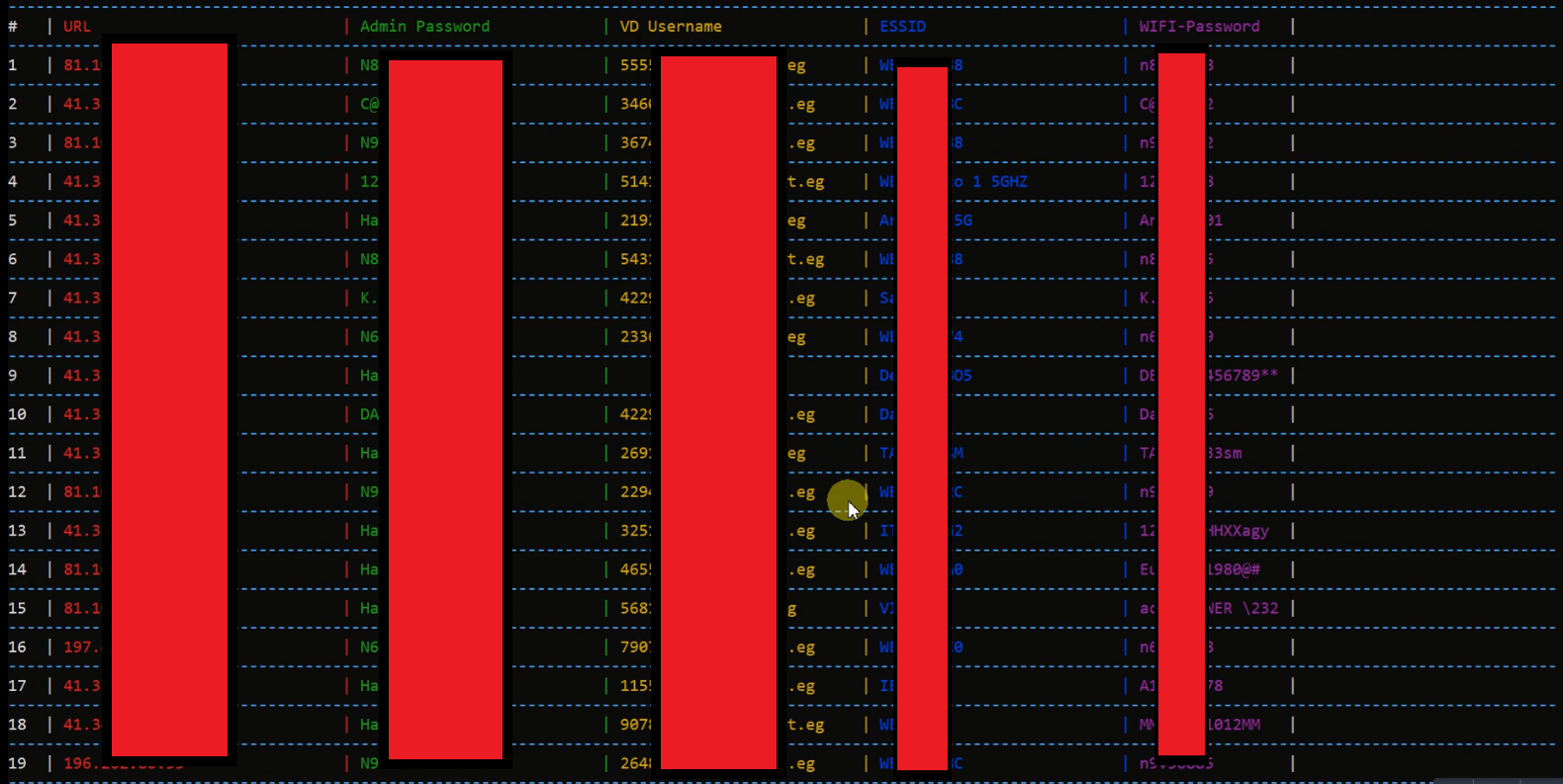
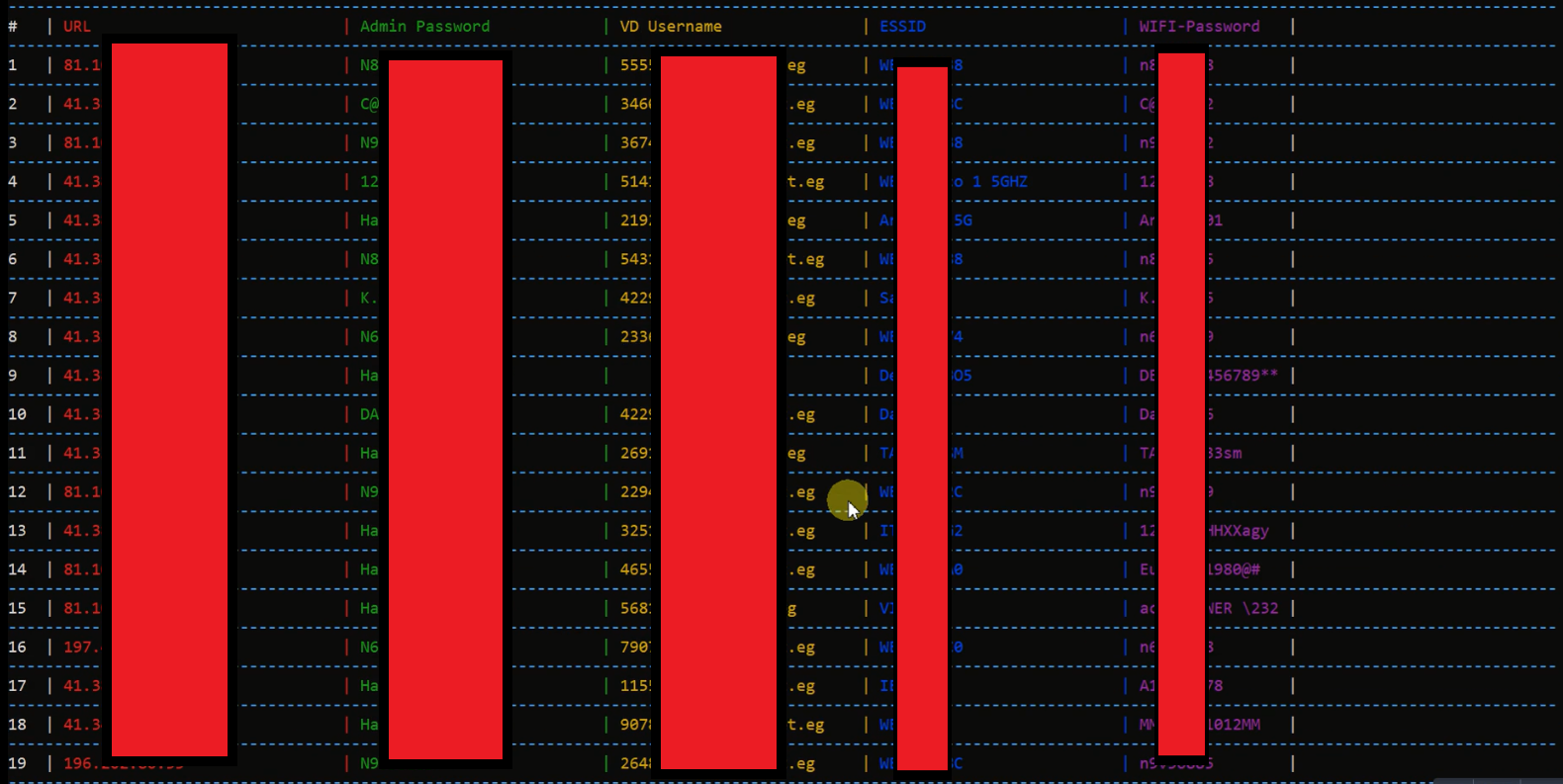
In the tested H188A V6 builds, unauthenticated requests to the root path can reach pre-login wizard handlers and disclose sensitive data including:
This is why the issue leads to auth bypass instead of stopping at disclosure: on this router, the leaked Wi-Fi password becomes the default administrator password once uppercased. The leak crosses the authentication boundary by exposing the exact secret the router later expects for authorized access.
The decompiled root cause is broader: root-path routing trusts attacker-controlled _type and _tag values, and the QuickSetupEnable gate only runs in the fallback path used when _type is absent. That makes the pre-login wizard handler family reachable in cases where it should not be.
At the time of the original report, roughly 500 publicly exposed H188A router interfaces were reachable on the internet.
As of 2026-05-18, I could not find a public ZTE advisory or fixed firmware release for CVE-2026-34472. The public record still consists of the CVE/NVD entries and disclosure references.
ZXHN H188A V6.0.10P2_TEZXHN H188A V6.0.10P3N3_TEThe vulnerable chain shown in the local analysis is:
router_logic_impl.lua accepts _type and _tag directly for empty-path requests.urlpath_2type_modifier.lua only applies QuickSetupEnable when _type is missing.Tedata_notLogin_wizard_page_manage.lua loads the requested wizard data file for unauthenticated users.getPassword, wlan_get, and ppp_get.The returned Wi-Fi credential is what turns the leak into auth bypass on the validated H188A path because that same value becomes the default administrator password after uppercasing it. WLAN and PPPoE secrets also matter because they extend the impact beyond the web panel and into network access.
The same handler family also contains write paths using cmapi.setinst, which is why the underlying authorization failure is larger than a single leaking endpoint.
index.html: main public writeupassets/: page CSS and JSimages/: redacted screenshots used by the writeuppoc/: public PoC notes and a cleaned extraction script2024-04-26 to 2024-05-02: local validation screenshots and PoC artifacts created2024-05: original report sent to ZTE PSIRT2024-05-10: later MITRE escalation record states ZTE stopped responding after this point2026-01-17: evidence package escalated to MITRE2026-02-02: ZTE PSIRT explicitly declined assignment2026-03-27: MITRE assigned CVE-2026-344722026-03-30: public disclosure reference submitted