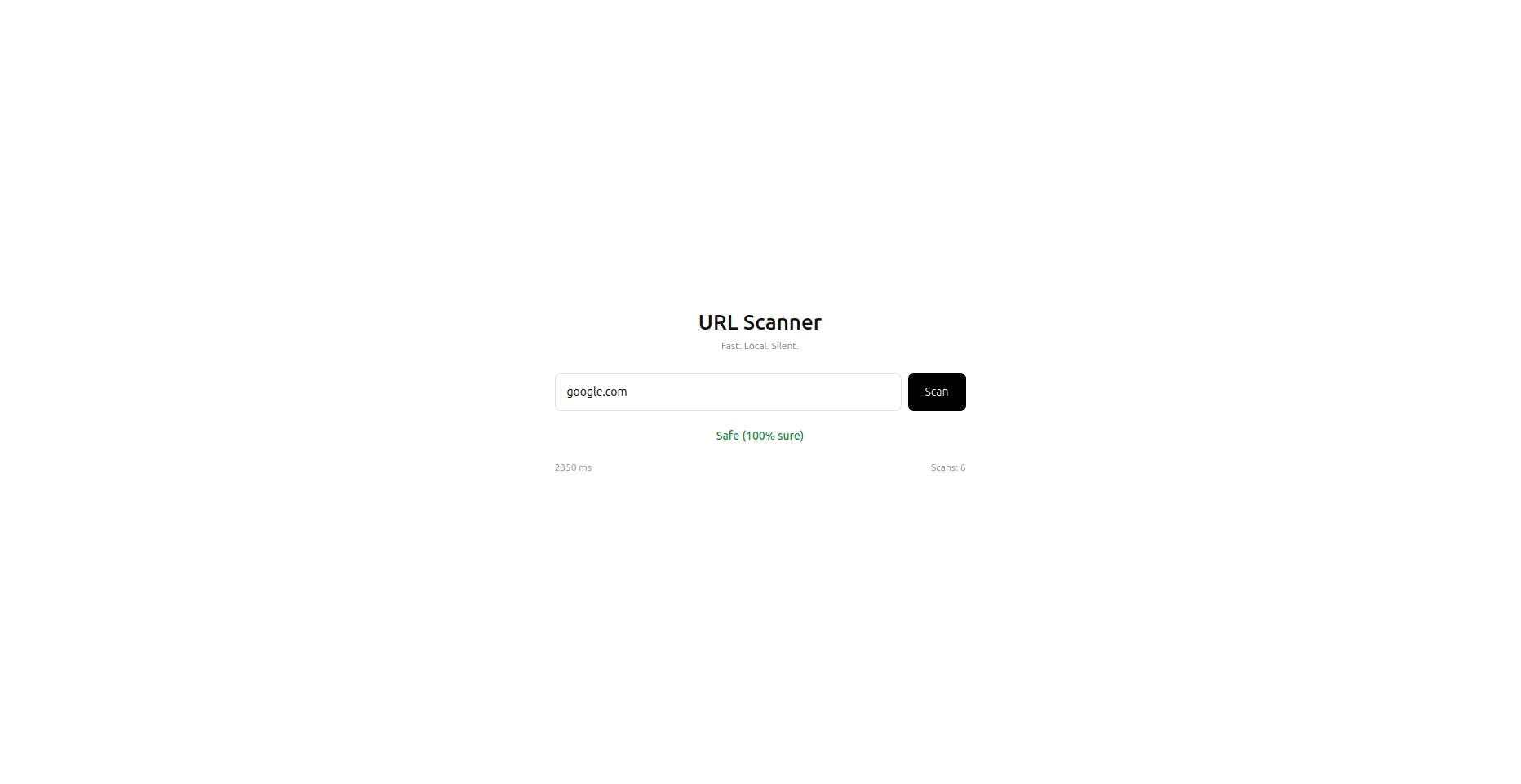
 mannansainicyber/url_checker
Hybrid ML and heuristic-based URL phishing detector with real-time analysis, explainable confidence scores, and REST API for programmatic security testing.



A lightweight, web-based tool that detects whether a URL is likely phishing or safe using a hybrid approach of Machine Learning (Random Forest/SVM) and heuristic rule-based analysis.
Built for educational purposes and experimentation in cybersecurity and applied AI.
Phishing attacks often rely on visual deception and URL manipulation. This tool analyzes the structure and content of a URL to determine its malicious intent.
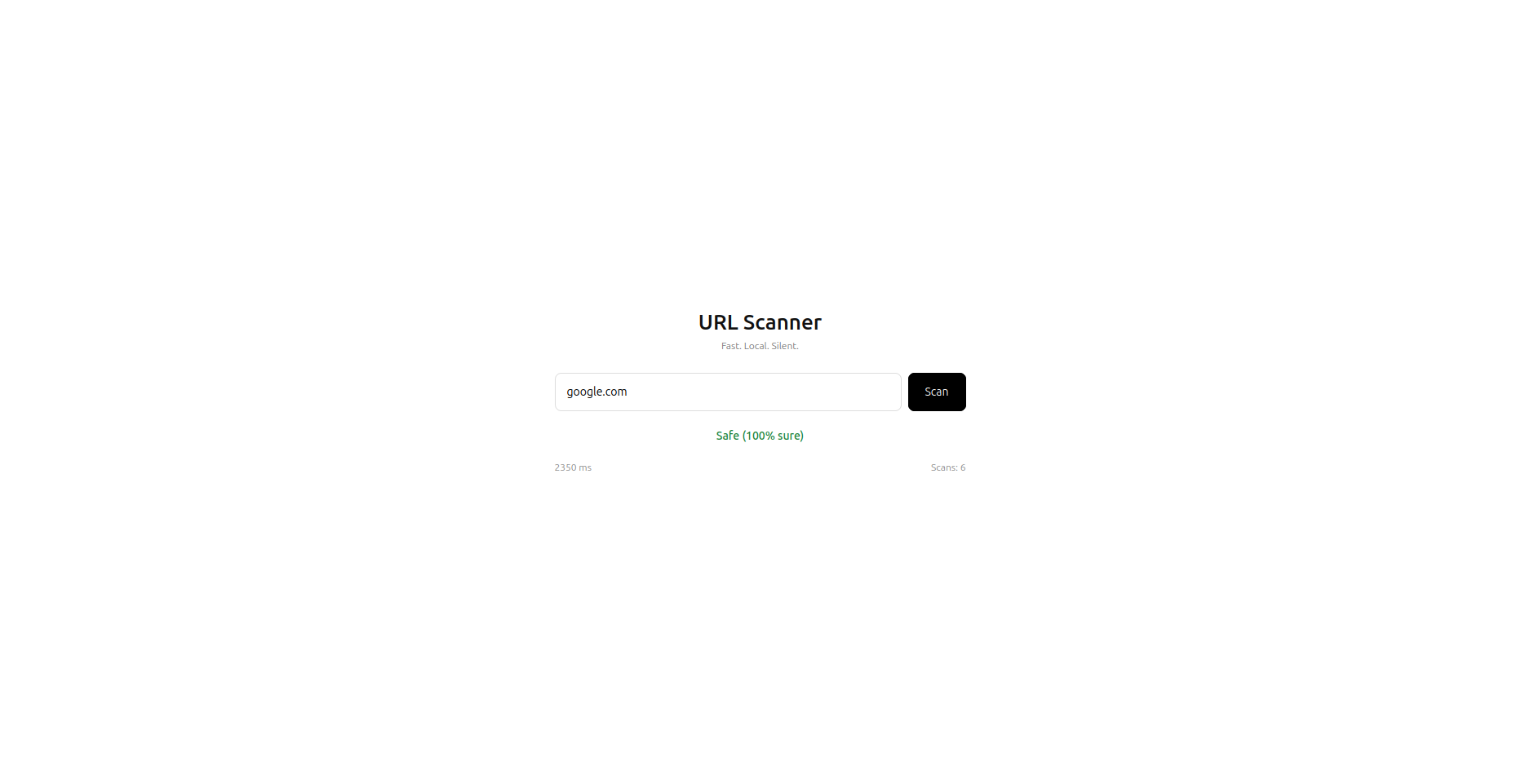
pip install -r requirements.txtdataset_phishing.csv in the rootpython retrain.py to generate model.pklpython app.pyEducational Use Only: This tool does not guarantee 100% protection against phishing attacks.
Predictions are probabilistic and based on the training data used.
False positives (safe sites marked as phishing) and false negatives (phishing sites marked as safe) may occur.
Do not rely on this tool as your sole security measure.

