
Skip to content
KitploitKITPLOIT
ToolsBlog
Submit
ToolsBlog
Submit

Hacking, PenTest, and Cybersecurity Tools for Your Security Arsenal!

Kitploit is a directory of hacking, cybersecurity, and pentesting tools. Discover the latest project updates to find vulnerabilities, analyze systems, automate testing, and strengthen your security.

··Feeds·Contact·Privacy·© 2026 Kitploit

Tool Directory

Categories

View all categories
Loading categories
Tools/GitHubGitHub/lto7777777/cve-1999-0678
Vulnerability AnalysisConfiguration AuditingWeb SecurityPenetration TestingIntrusion DetectionLearning & EducationLabs & Practice
GitHublto7777777/cve-1999-0678

CVE-1999-0678

CVE-1999-0678- /doc directory browsable

View Repository
8 months agoNot yet reviewed

Most Popular

View all →

Discover the most used tools by our community.

Explore all tools

Browse our collection of tools

View all tools →
Share

CVE-1999-0678: Detection & Remediation Project

Author: Pham Huu Minh
Date: December 2025

Project Overview

This project demonstrates the complete lifecycle of a vulnerability assessment, specifically targeting the legacy Directory Traversal vulnerability (CVE-1999-0678) on an Apache Web Server. The goal was to simulate an attack, detect it using an IDS, and permanently fix the security hole.

Tech Stack

  • Attacker: Kali Linux (Curl, Firefox, GVM)
  • Victim: Ubuntu Server (Apache2, Snort IDS)
  • Tools: Greenbone Vulnerability Manager, Snort, Iptables

Phase 1: Discovery & Exploitation

I configured a local testing lab with a vulnerable Ubuntu target (192.168.45.132).

  1. Vulnerability Scan: Used GVM to identify an HTTP service on Port 80.
  2. Manual Verification: Confirmed the vulnerability by accessing the exposed /doc/ directory via browser and terminal.
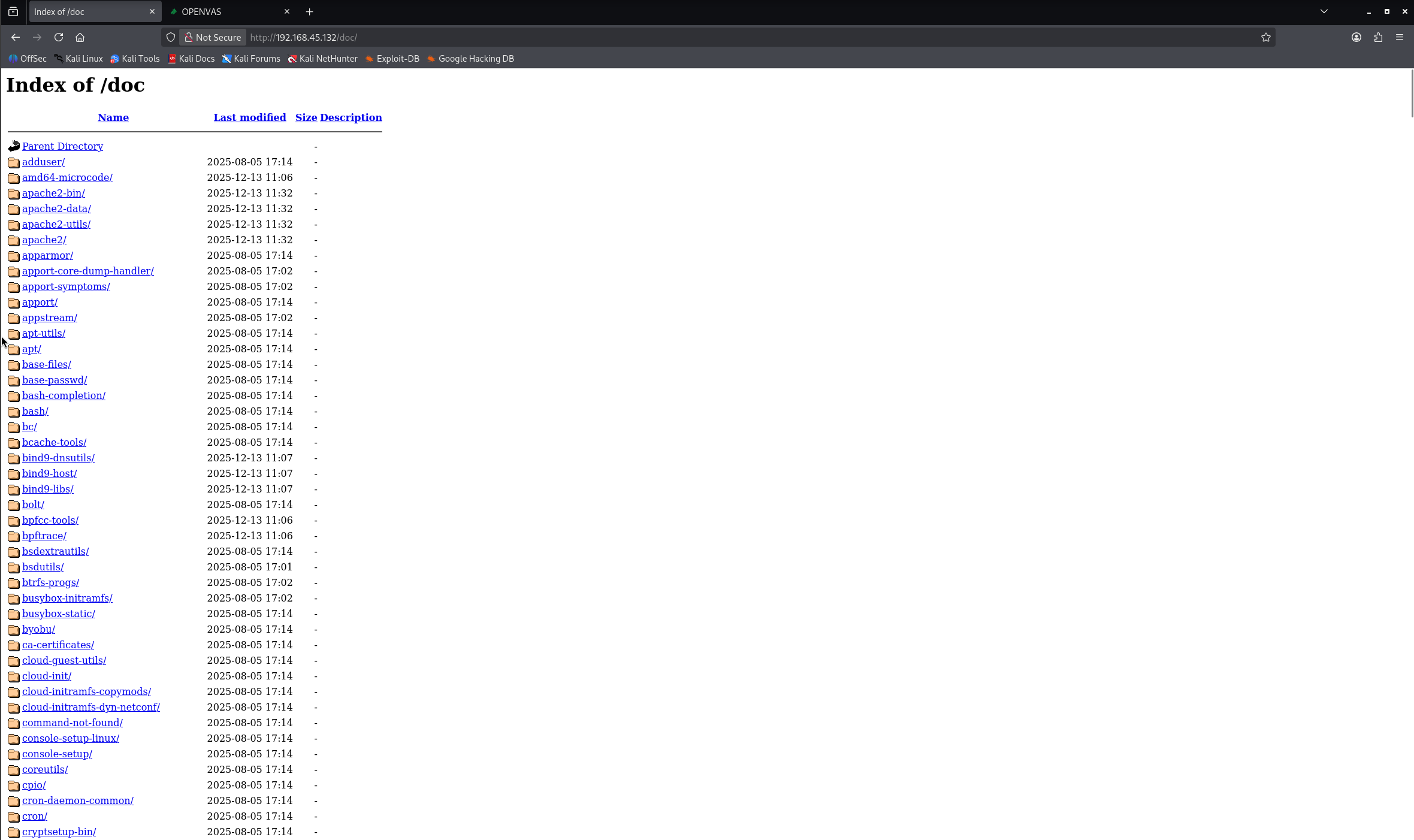
Vulnerability Proof

Figure 1: Successful unauthorized access to system documentation.


Phase 2: Intrusion Detection (IDS)

I deployed Snort on the victim server to detect this specific attack pattern in real-time.

  • Custom Rule: alert tcp any any -> any 80 (content:"/doc/"; msg:"CVE-1999-0678 Detected";)

  • Result: Snort successfully alerted when the attacker accessed the directory.

Snort Alert

Figure 2: Snort IDS detecting the directory traversal attempt.


Phase 3: Mitigation & Remediation

To secure the system, I implemented both temporary and permanent fixes.

  1. Temporary Mitigation (Firewall): blocked the attacker's IP using iptables to immediately stop the active intrusion.
  2. Permanent Remediation (Root Cause): Modified the Apache configuration (/etc/apache2/sites-available/000-default.conf) to remove the insecure Alias /doc directive.

Verification: After patching, I attempted the attack again. The server returned a 404 Not Found error, confirming the system is secure.
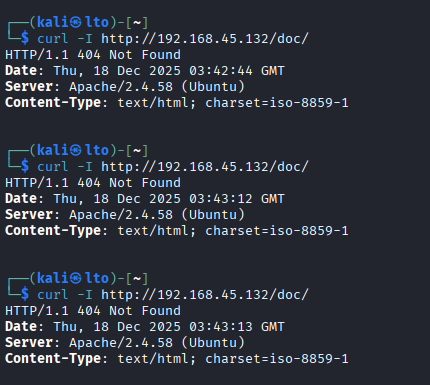
Remediation Proof

Figure 3: Curl command returning 404, proving the vulnerability is fixed.


Conclusion

This project highlights the importance of Defense in Depth. While Firewalls provide immediate containment, true security requires root-cause remediation (configuration patching) and continuous monitoring via IDS.

Download Tool