 kobukovui/dll_injection_on_vlc
DLL Injection and CVE-2010-3124

This project explores the topic of DLL (Dynamic Link Library) injection and specifically focuses on the CVE-2010-3124.
CVE-2010-3124 refers to an untrusted search path vulnerability found in VLC Media Player version 1.1.3 and earlier.
Here are key points that can help you have a better overview about this project:
Attention ⚠️ ⚠️ ⚠️
Feel free to explore our code, documentation, and any additional resources within this
repository. Remember to use this knowledge responsibly and ethically. Happy hacking!
🚀🔍🔐
DLL stands for Dynamic Link Library and DLL files are modules that contain functions and data that can be used by other
programs or DLLs. DLL files allow programs to share common functionality and reduce memory usage. They also enable programs to interact with the Windows operating system and its components.
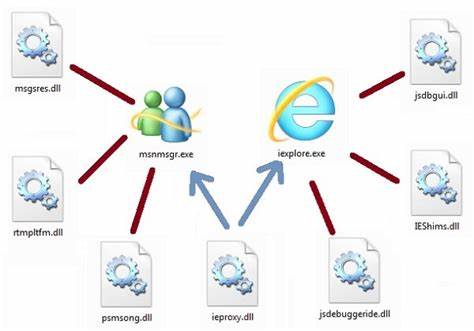
DLL injection is a technique used to run code within the address space of another process by forcing it to load a malicious dynamic-link library (DLL). In a DLL injection attack, the attacker exploits vulnerabilities in a target process to inject malicious DLLs. Once successfully injected, the malicious DLL can perform a variety of malicious actions, such as stealing sensitive information, modifying the behavior of the application, or facilitating further attacks.
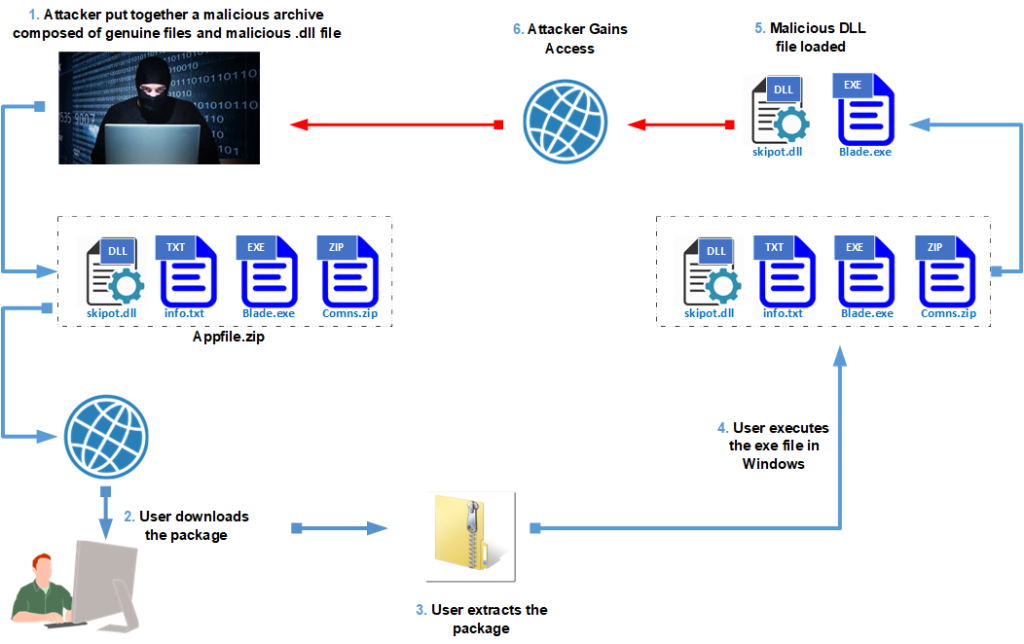
Untrusted search path vulnerability in bin/winvlc.c in VLC Media Player 1.1.3 and earlier allows local users, and possibly remote attackers, to execute arbitrary code and conduct DLL hijacking attacks via a Trojan horse wintab32.dll that is located in the same folder as a .mp3 file. You can see more about this CVE here.