 kaandemir993/acrstealer-custom-protocol-credential-theft-payload-extraction-analysis
Reverse engineering analysis of AcrStealer, a sophisticated info-stealer that uses custom protocols, browser credential theft, and payload extraction. Includes Task.Protocol, BrowserQueryEnabledDomains, WriteProcessMemory, and full API list."

Process Hacker memory analysis reveals that AcrStealer establishes network connections using SSL/TLS for secure communication with its C2 server.
SslClientCert – Uses client certificates for authentication (evades detection).EnabledProtocols – Specifies supported TLS protocols (e.g., TLS 1.2, 1.3).EnabledRevertToSelfClientCertificate – Allows fallback to self-signed certificates.Connection / DataChunks – Indicates active data transmission.Available – Ready-to-send data buffer.DataChunks suggest large amounts of stolen data are being sent.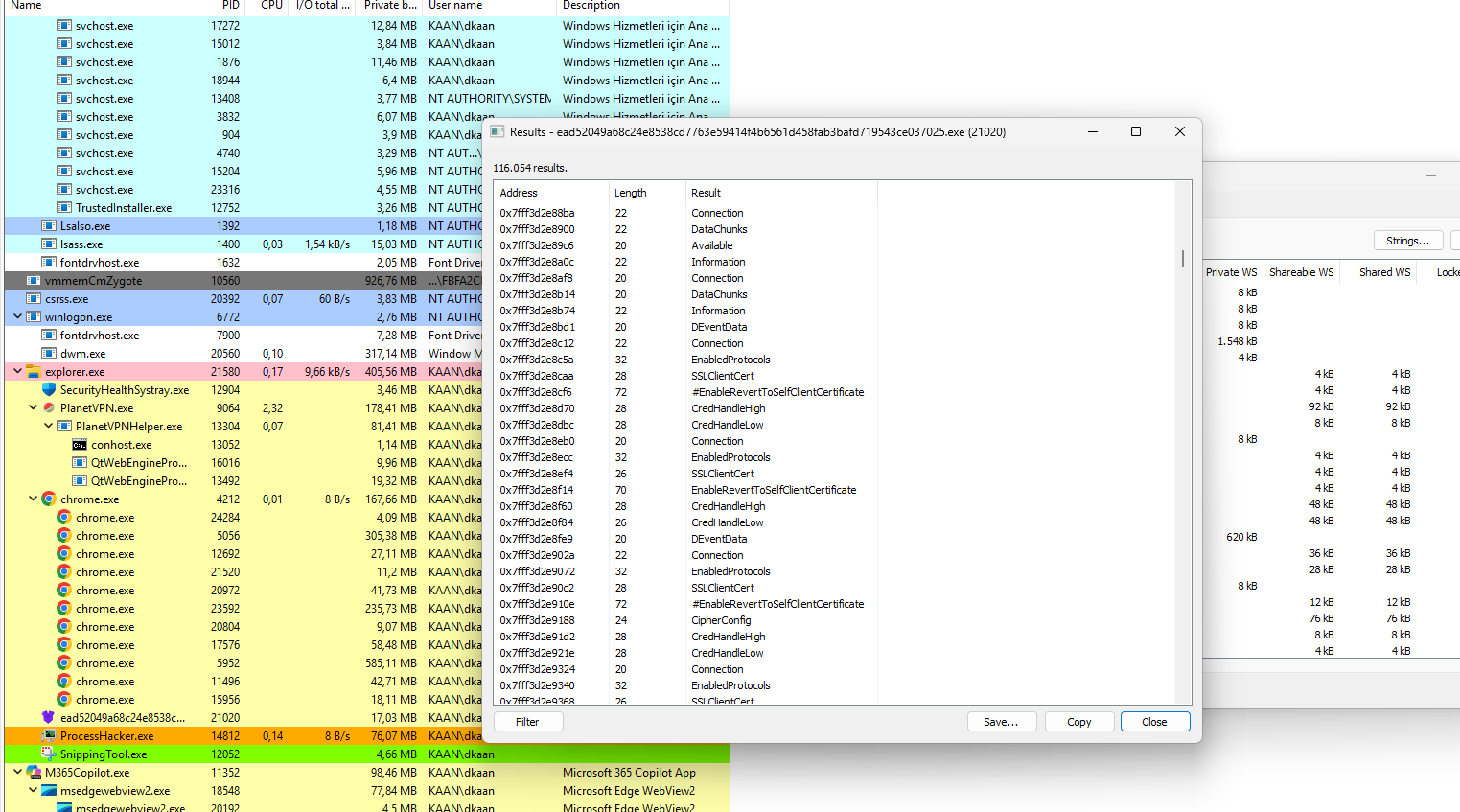 Process Hacker view showing SSL/TLS configuration (
SslClientCert, EnabledProtocols) and network activity.
Binary Ninja analysis of the extracted .bin file reveals that AcrStealer uses a custom network protocol for C2 communication, built around a Task.Protocol structure.
Task.Protocol.SendData – Sends data to the C2 server.Task.Protocol.ReceiveData – Receives data from the C2 server.Task.Protocol.Configuration – Stores protocol configuration.Task.Protocol.CancelHandle – Cancels ongoing operations.CreateProtocolHandle – Creates a protocol handle for communication.CloseProtocolHandle – Closes the protocol handle.CONNECT – Establishes a connection.SEND – Sends data (exfiltration).RECEIVE – Receives commands.CLOSE – Closes the connection.GLOBAL – Global configuration.CONFIGURATION – Protocol settings.SEND commands are used to exfiltrate stolen data.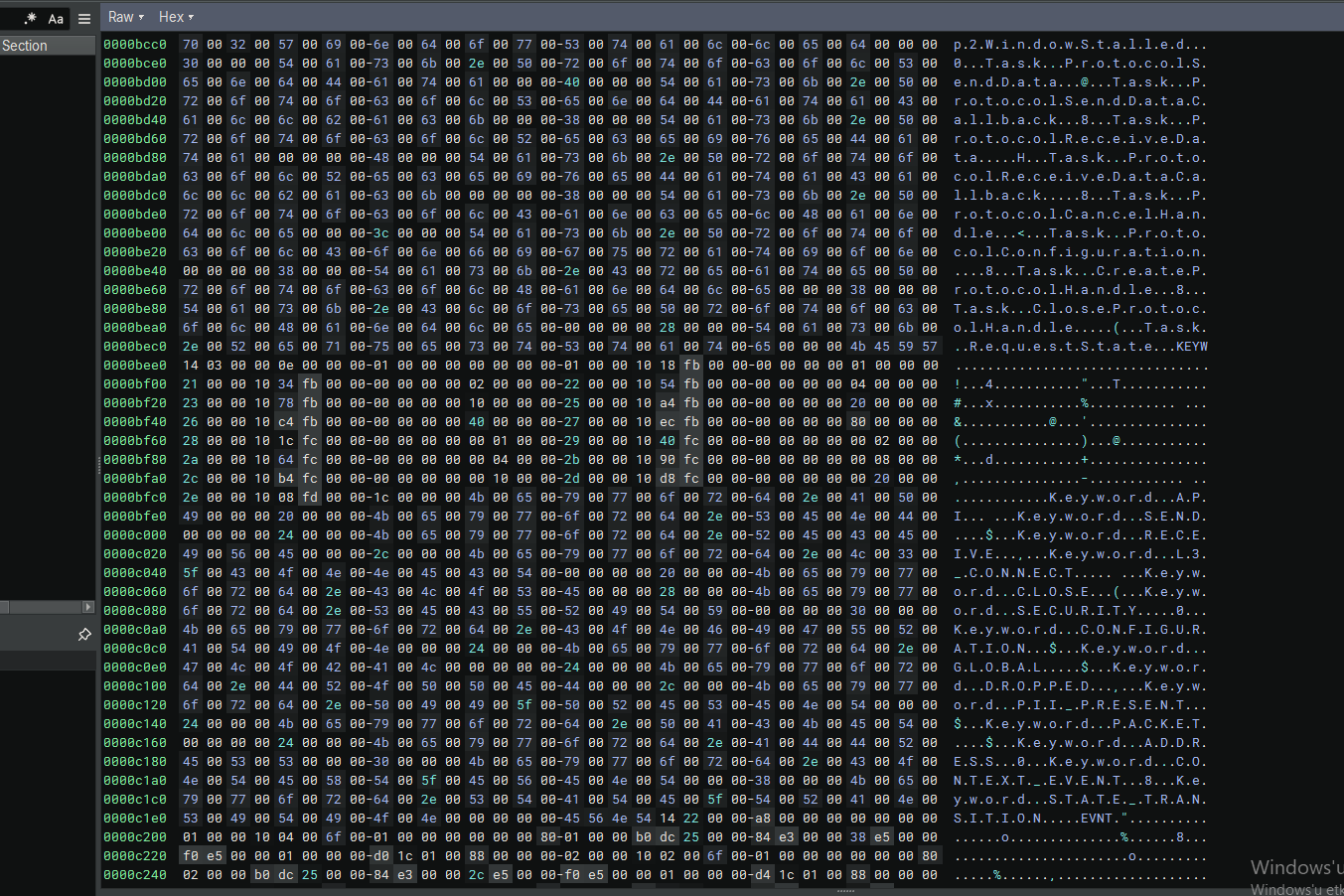 Binary Ninja view showing the
 Task.Protocol structure and protocol keywords (CONNECT, SEND, RECEIVE).
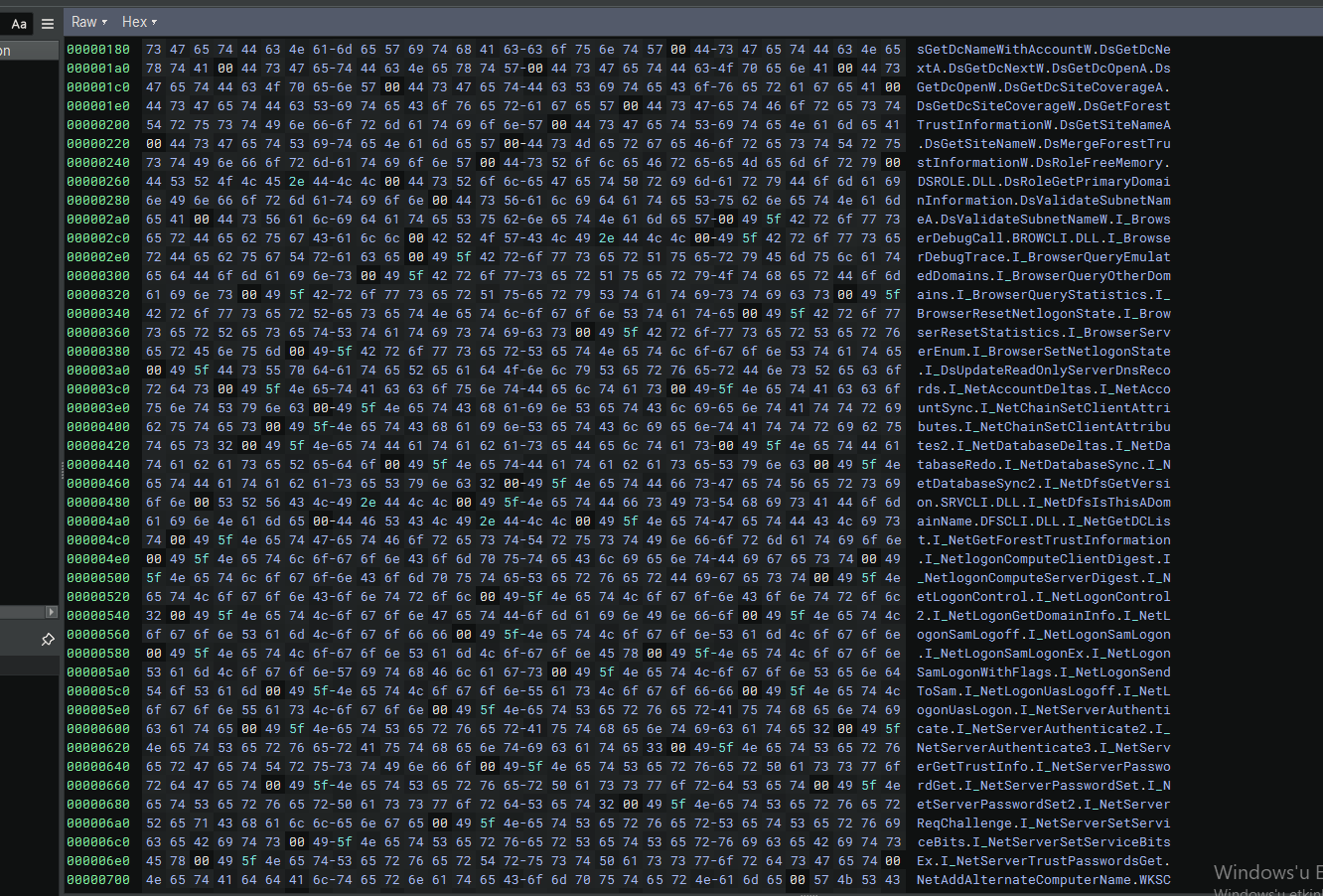
Process Hacker memory analysis reveals that AcrStealer targets browser data and network credentials for theft.
BrowserQueryEnabledDomains – Queries enabled domains in the browser.BrowserQueryOtherDomains – Queries other domains (likely for cookie theft).BrowserResetStatistics – Resets browser statistics (evasion).BrowserRefresh – Refreshes browser data (to capture new credentials).NetworkAddress – Captures network adapter information.NetChannelSet – Manages network channels.NetDNSHostName – Captures DNS hostname.NTGetLogonControl – Queries logon control (credential theft).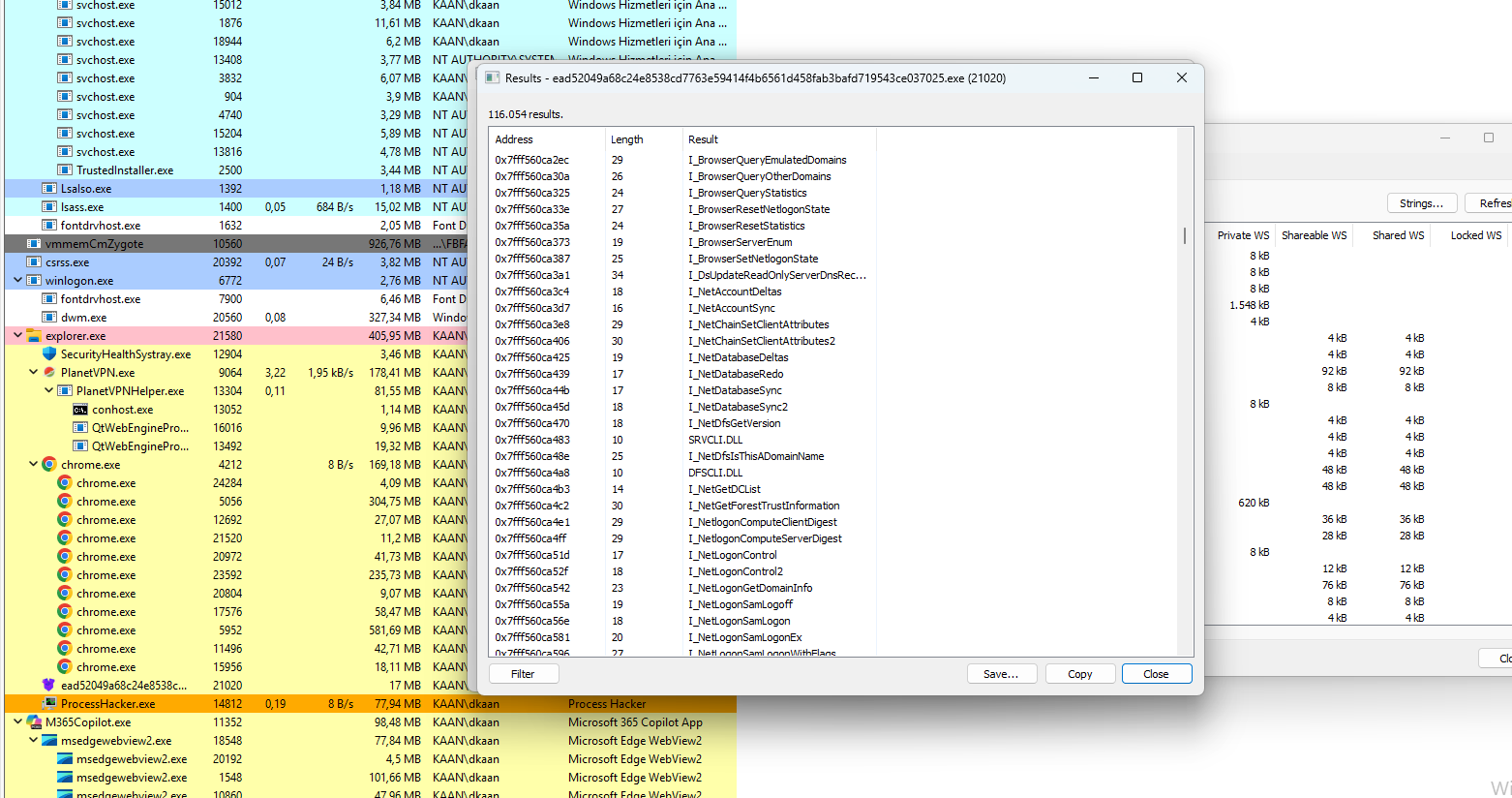 Process Hacker view showing browser and network credential theft strings.
Binary Ninja analysis of the extracted .bin file reveals the actual code responsible for stealing browser and network credentials.
BrowserQueryEnabledDomains – Queries enabled browser domains.BrowserQueryOtherDomains – Queries other domains (cookie theft).BrowserResetStatistics – Resets browser statistics (evasion).NetworkAddress – Captures network adapter information.NetDNSHostName – Captures DNS hostname.NTGetLogonControl – Queries logon control (credential theft).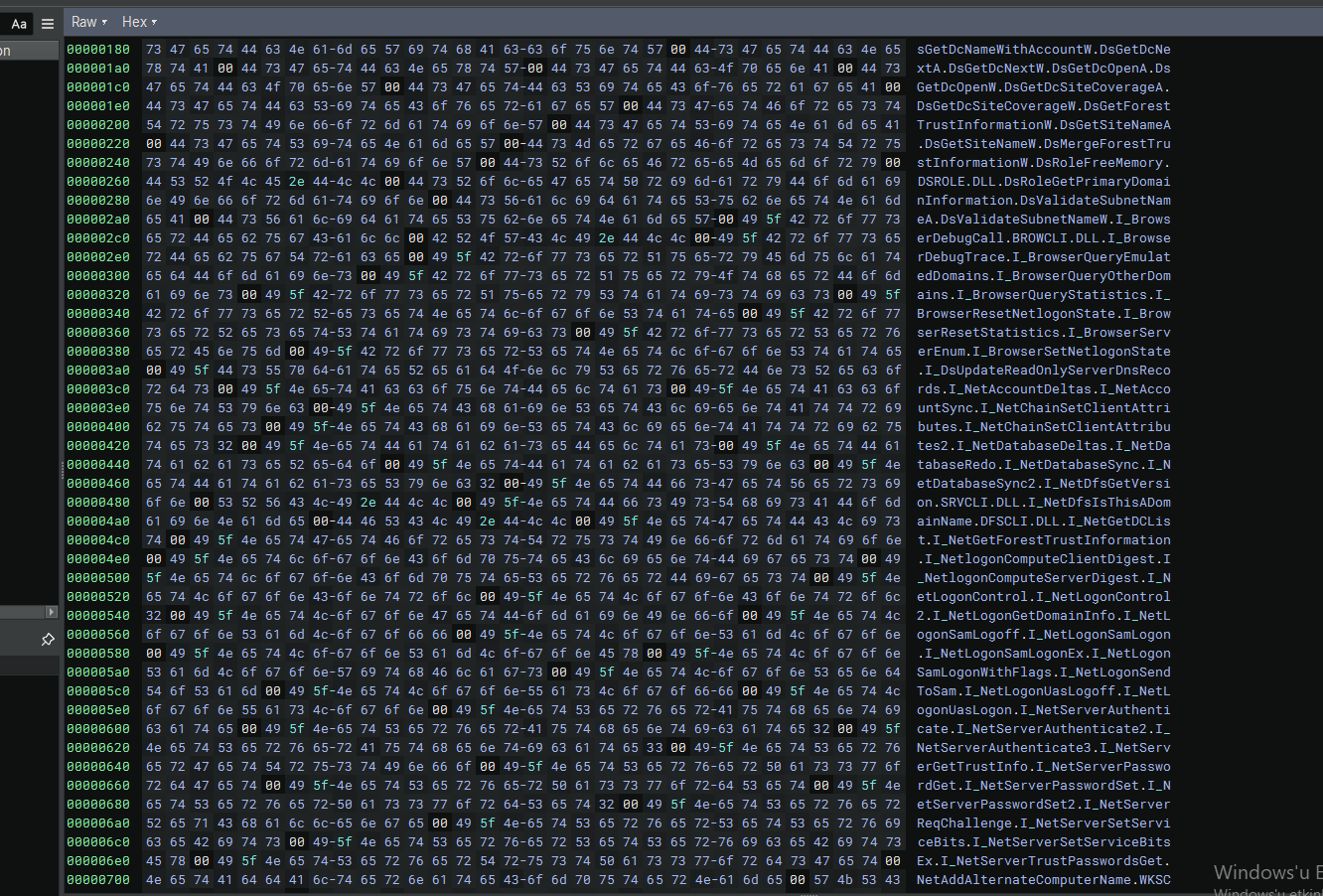 Binary Ninja view showing browser and network credential theft functions.
Binary Ninja analysis of the extracted .bin file reveals a comprehensive list of Windows APIs, confirming AcrStealer's ability to perform process injection and file operations.
VirtualAllocEx – Allocates memory in a remote process (injection).WriteFile – Writes data to a file (exfiltration or logging).WaitForSingleObject – Synchronizes threads (injection coordination).VirtualProtectEx – Changes memory protection (for injection).WaitForDebugEvent – Debugging operations (evasion).VirtualAllocEx and VirtualProtectEx are used for injection.WriteFile writes stolen data to disk or C2.WaitForDebugEvent helps avoid debugging.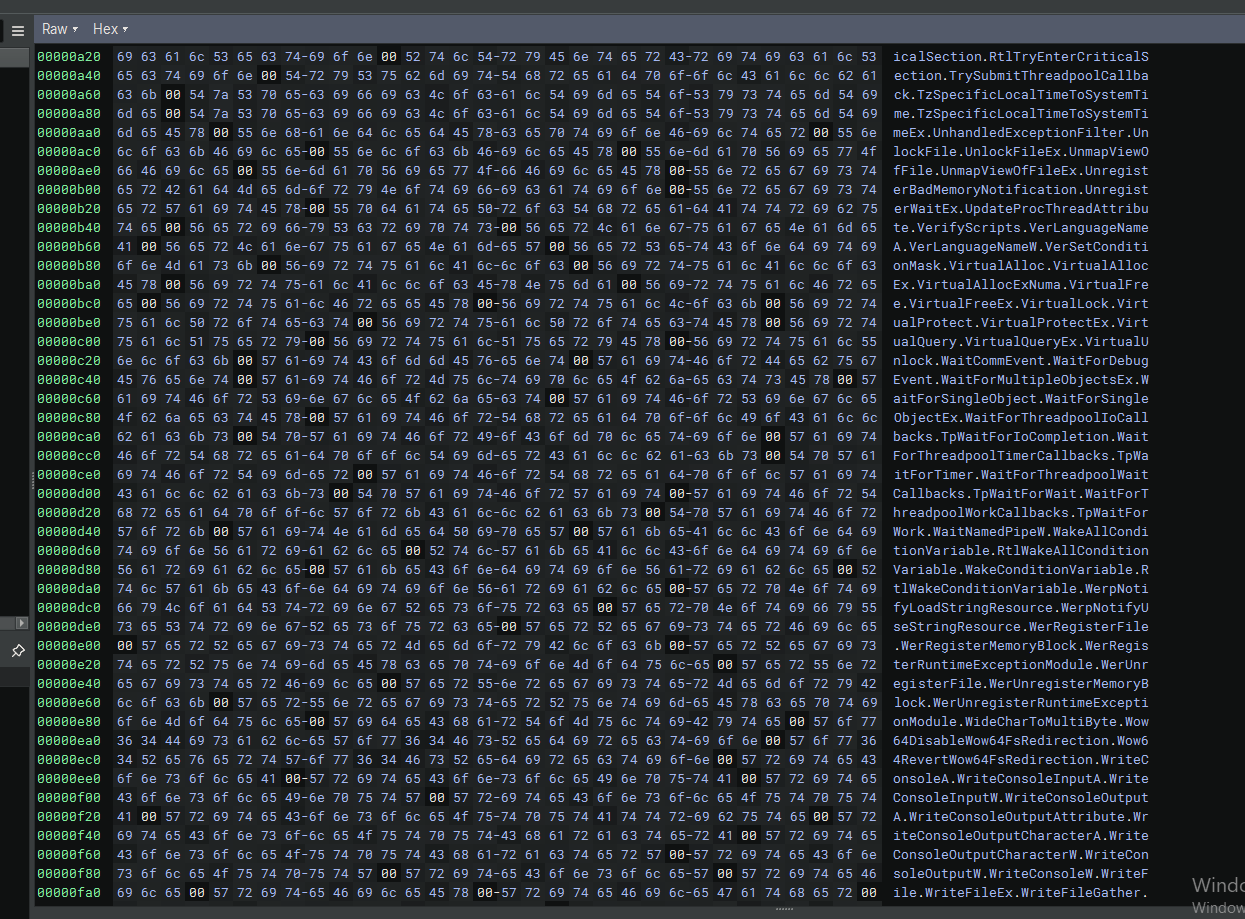 Binary Ninja view showing process injection and file operation APIs.
This analysis uncovered AcrStealer, a sophisticated info-stealer that combines advanced network communication, custom protocols, browser credential theft, and process injection.
SslClientCert and custom protocols (Task.Protocol).BrowserQueryEnabledDomains) and network settings (NetDNSHostName).VirtualAllocEx and VirtualProtectEx for injection.WriteFile to save stolen data.WaitForDebugEvent and BrowserResetStatistics to avoid detection.VirtualAllocEx and VirtualProtectEx calls.BrowserQueryEnabledDomains and NetDNSHostName in memory.WriteFile operations from suspicious processes.The analyzed AcrStealer sample is available on MalwareBazaar for those who wish to conduct their own analysis:
🔗 AcrStealer Sample on MalwareBazaar
Tools Used: Process Hacker, Binary Ninja, x64dbg
