
Skip to content
KitploitKITPLOIT
ToolsExploitsBlog
Log in
Submit
ToolsExploitsBlog
Submit

Hacking, PenTest, and Cybersecurity Tools for Your Security Arsenal!

Kitploit is a directory of hacking, cybersecurity, and pentesting tools. Discover the latest project updates to find vulnerabilities, analyze systems, automate testing, and strengthen your security.

FeedsContactPrivacy© 2026 Kitploit

Tool Directory

Categories

View all categories
Loading categories
CVE-2022-41401 — Proof-of-concept exploit for CVE-2022-41401, a server-side request forgery (SSRF) vulnerability in OpenRefine <= v3.5.2, enabling unauthorized internal resource access and sensitive file disclosure. | Kitploit
Tools/GitHubGitHub/ixsly/cve-2022-41401
Vulnerability AnalysisExploitationInformation GatheringWeb SecurityPenetration Testing
GitHubixsly/cve-2022-41401

CVE-2022-41401

Proof-of-concept exploit for CVE-2022-41401, a server-side request forgery (SSRF) vulnerability in OpenRefine <= v3.5.2, enabling unauthorized internal resource access and sensitive file disclosure.

View Repository
111233 years agoNot yet reviewed
Share

OpenRefine <= v3.5.2 SSRF

OpenRefine v<=3.5.2 contains a Server-Side Request Forgery (SSRF) vulnerability, which permits unauthorized users to exploit the system, potentially leading to unauthorized access to internal resources and sensitive file disclosure.

The root cause of this vulnerability lies in OpenRefine's inadequate server-side validation of the supplied URL. While client-side validation exists, the server-side fails to perform the same level of scrutiny. Consequently, if a user initially provides a valid URI and then later substitutes it with a malicious one, the server-side system fails to detect the alteration.

PoC

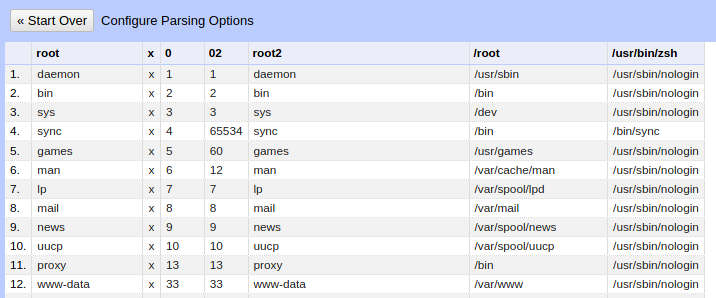
This vulnerability can be leveraged during the process of creating a new project in OpenRefine. Specifically, by selecting the option to import a project from Web Addresses URLs, a malicious actor can insert a payload that enables them to access internal resources or read sensitive files.

image

image

Disclosure Timeline

  • Date of Discovery: 10/04/2022
  • Reported to OpenRefine Security Team: 15/04/2022
  • OpenRefine Team Acknowledgment: 23/05/2022
  • Security Path Release: 07/07/2022
Download Tool

Most Popular

View all →

Discover the most used tools by our community.

  • 1

    OsintHunter

    letox4/osinthunter

    🎯 The ultimate OSINT toolkit: investigation graph, confidence scoring, alias families, map, timeline and reports. 49 modules, 400+ sites, no API keys required.

    732
  • 2

    ghostlock-app

    yukonga/ghostlock-app

    GhostLock One-Tap Execution App (CVE-2026-43499)

    506
  • 3

    ARTEX

    baarai/artex

    LLM multi-agent autonomous penetration testing platform with planner/worker agents, asset and exploration graphs, MITM traffic recording, and vulnerability retesting.

    405
  • 4

    redforge

    cybersecurity91/redforge

    Browser-side red team toolkit with 102 offline tools for recon, payload generation, credential attacks, crypto, encoding and engagement reporting.

    342
  • 5

    CyberStrikeAI

    ed1s0nz/cyberstrikeai

    The system of action for AI-native cybersecurity—where intent becomes governed execution, evidence becomes operational memory, and every operation improves the next.

    261
  • 6

    antifox

    antifox-ai/antifox

    AI multi-agent autonomous penetration testing platform that runs recon, attack-surface discovery, exploitation validation and evidence-backed report delivery.

    259

Explore all tools

Browse our collection of tools

View all tools →






