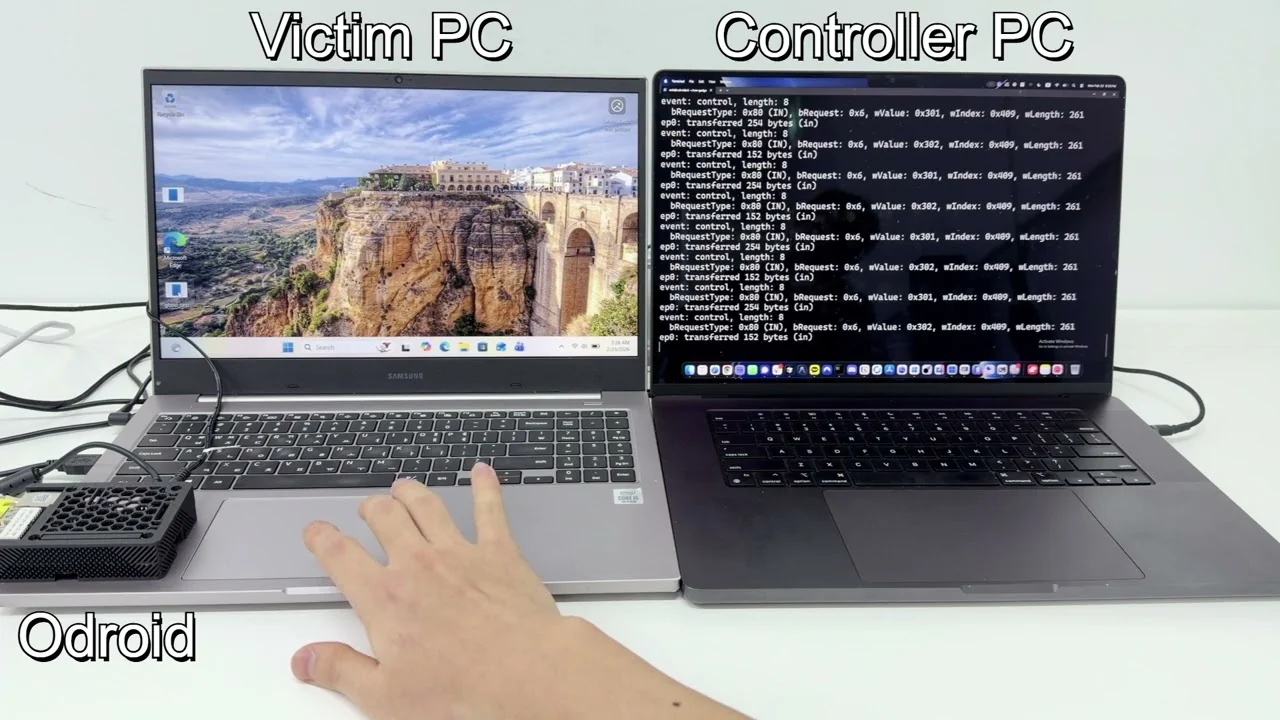
Proof-of-concept exploit for CVE-2026-32223, a heap-based buffer overflow in Windows USB print driver (usbprint.sys), achieving local privilege escalation to SYSTEM via USB device emulation and pool manipulation.

Heap-based buffer overflow in Windows USB Print Driver (usbprint.sys) leading to Local Privilege Escalation (LPE)
This vulnerability was discovered and reported by ENKI WhiteHat.
CVE-2026-32223 is a heap-based buffer overflow vulnerability in the Windows USB print driver (usbprint.sys). The vulnerability is caused by improper validation of USB string descriptors during the processing of IOCTL 0x220064 in the Make1284IdStringFromUsbStrings function.
When a specially crafted USB printer device is connected and a userland program invokes the vulnerable IOCTL, the driver copies data from the USB device's MFG/MDL string descriptors into a heap buffer without properly validating the relationship between the source data size and the destination buffer size, resulting in a NonPagedPoolNx heap overflow.
The full exploitation chain achieves SYSTEM privilege escalation through:
SeDebugPrivilege LUID modification for privilege escalation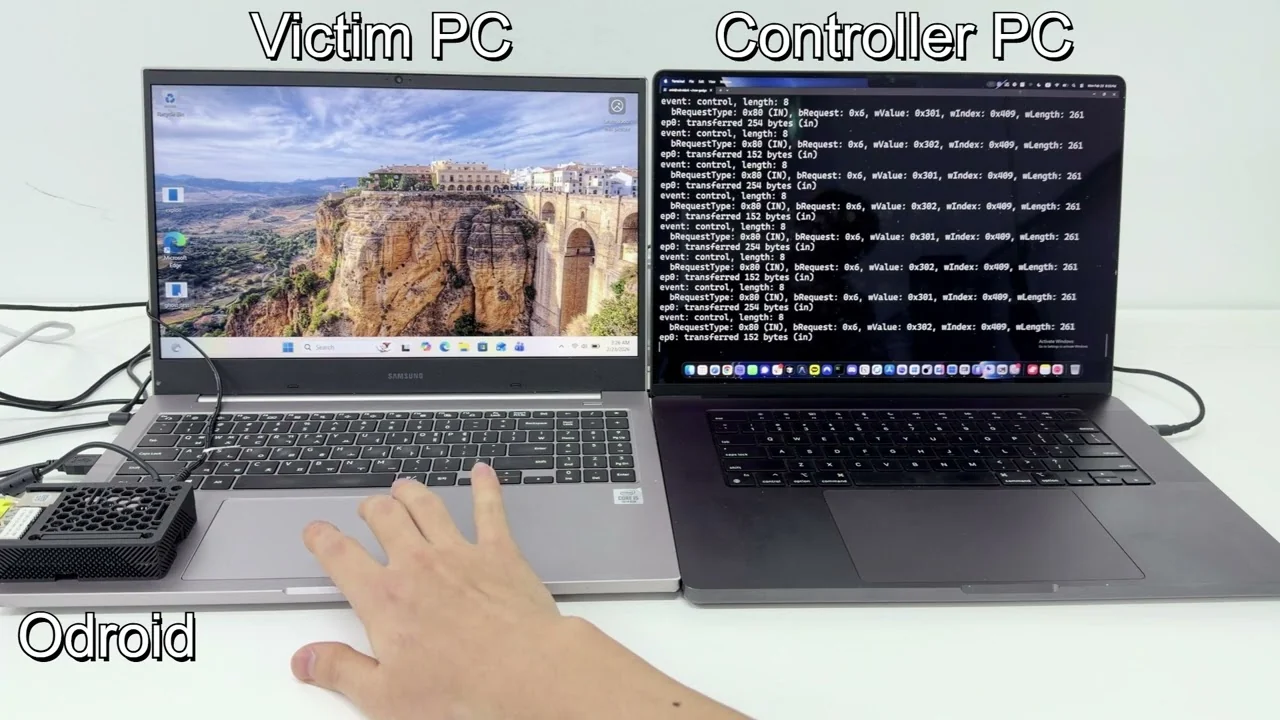
The full technical writeup is available on the ENKI WhiteHat Blog.
This repository is provided strictly for security research and educational purposes only.

