
Skip to content
KitploitKITPLOIT
ToolsBlog
Submit
ToolsBlog
Submit

Hacking, PenTest, and Cybersecurity Tools for Your Security Arsenal!

Kitploit is a directory of hacking, cybersecurity, and pentesting tools. Discover the latest project updates to find vulnerabilities, analyze systems, automate testing, and strengthen your security.

··Feeds·Contact·Privacy·© 2026 Kitploit

Tool Directory

Categories

View all categories
Loading categories
CVE-2026-0920 — Creating a Wordpress Admin User | Kitploit
Tools/GitHubGitHub/dx3iz/cve-2026-0920
Vulnerability ScannersExploitationWeb Application ExploitationWeb SecurityPenetration TestingLearning & Education
GitHubdx3iz/cve-2026-0920

CVE-2026-0920

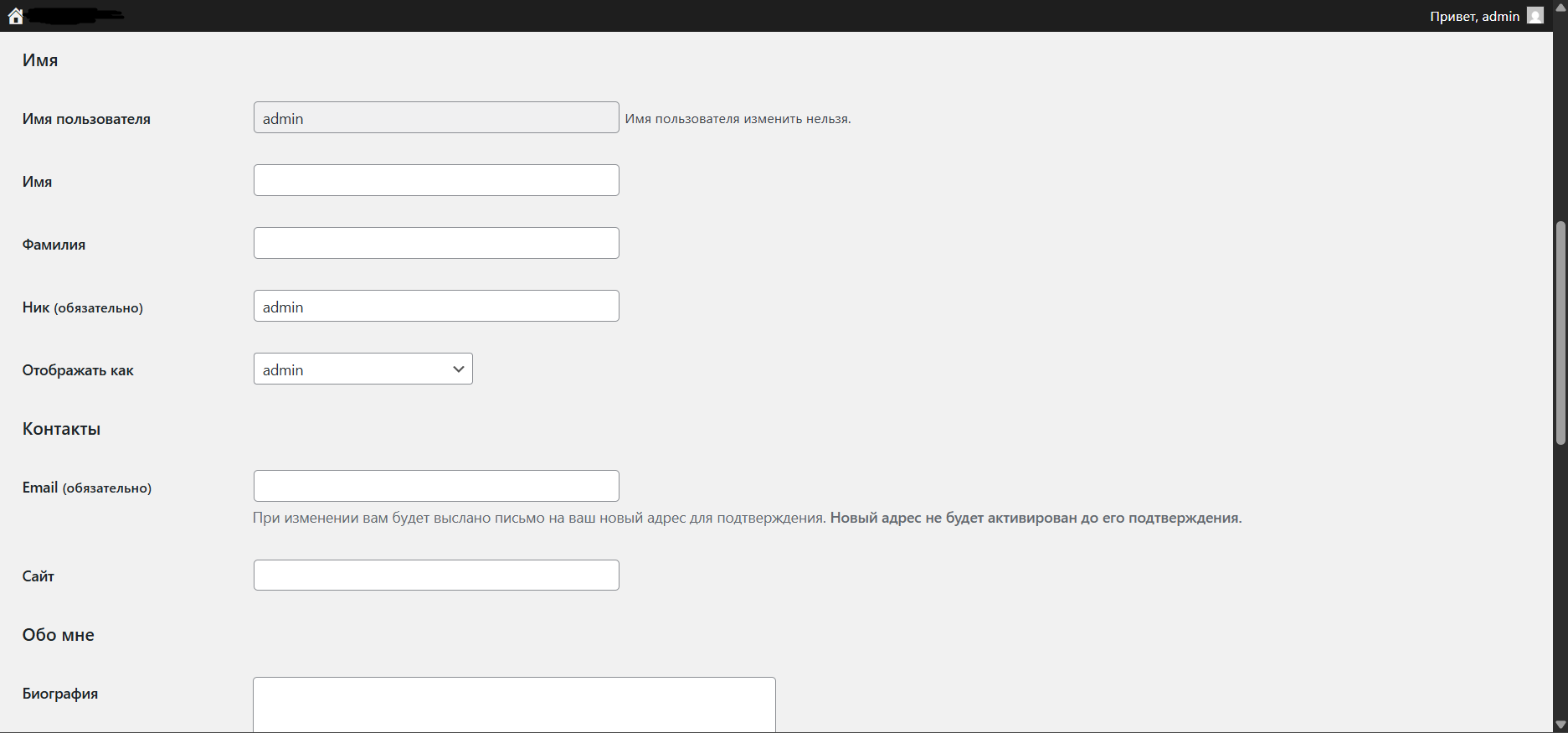
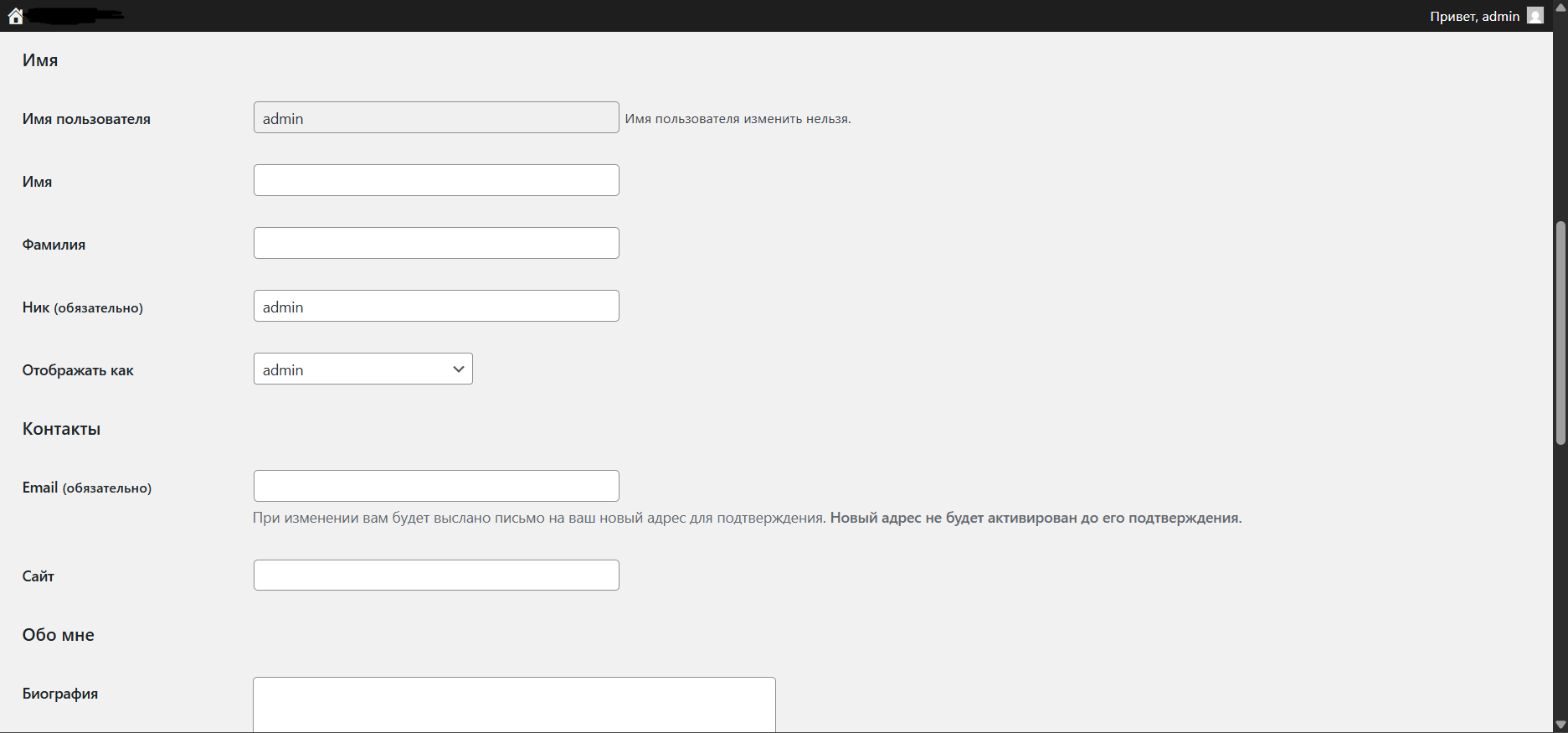
Creating a Wordpress Admin User

View Repository
22 months agoNot yet reviewed

Most Popular

View all →

Discover the most used tools by our community.

Explore all tools

Browse our collection of tools

View all tools →
Share
image

CVE-2026-0920 Scanner

A Python-based scanner for detecting and validating CVE-2026-0920 exposure in WordPress sites using vulnerable LA-Studio Element plugin versions.

Overview

This tool is designed to automate the identification of WordPress targets potentially affected by CVE-2026-0920, a vulnerability related to improper role handling during the registration flow in vulnerable plugin versions.

The script processes target lists, attempts validation checks, and records successful results into an output file for later review.

Features

  • Multi-threaded target processing
  • Automatic target normalization
  • AJAX nonce extraction
  • Registration flow testing against vulnerable endpoints
  • Result logging for successful and failed targets
  • Custom email / username / password parameters
  • CLI-based usage with batch scanning support

Requirements

  • Python 3.x
  • requests
  • colorama
  • urllib3

Example Usage

Download Tool
root@kitploit:~
python cve2026_0920.py -f domainlist.txt -t 20 -o success_results.txt --no-input

Disclaimer

This project is provided for educational purposes, defensive research, and authorized security testing only. Do not use it against systems without explicit permission.